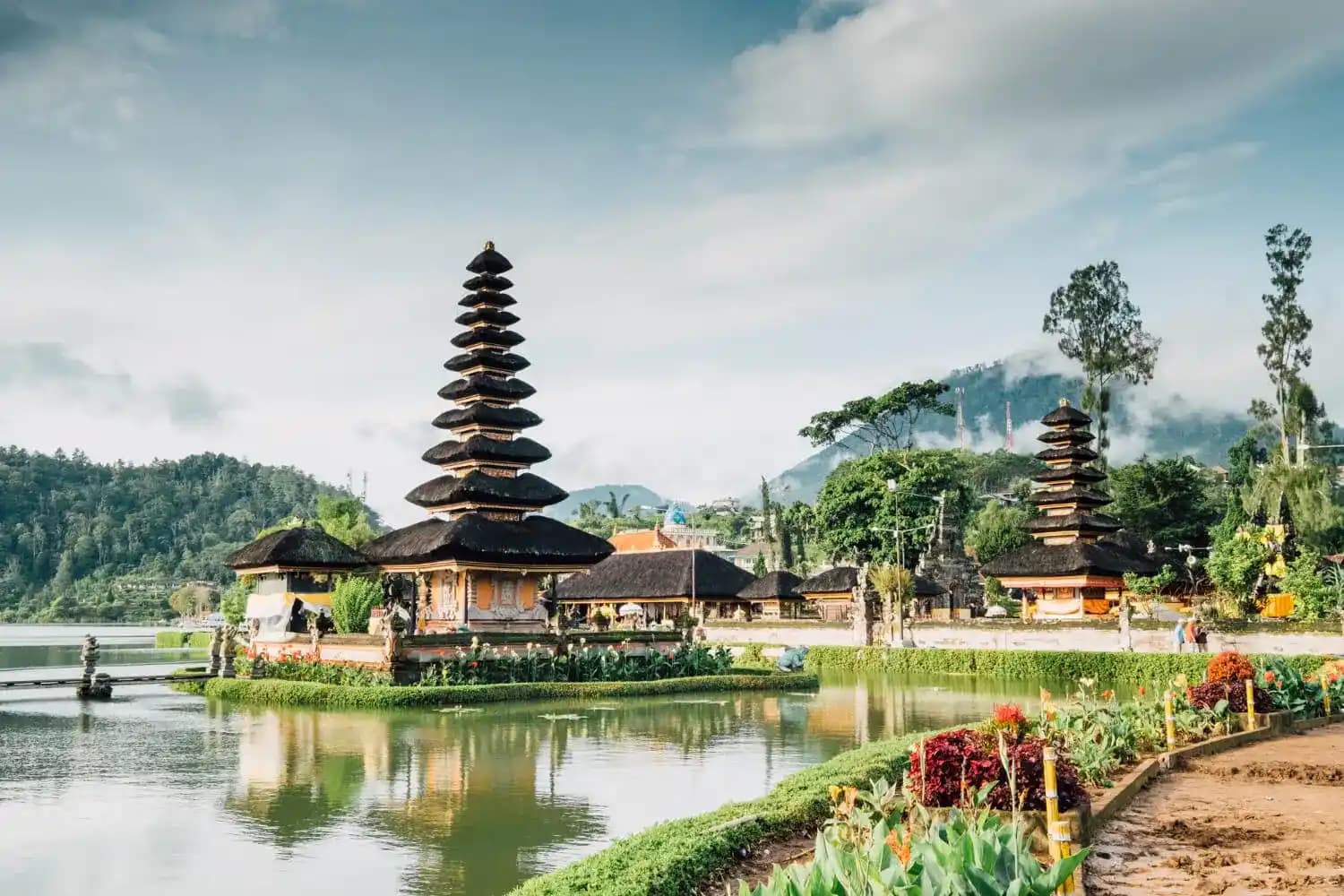

Japan Autumn Foliage Tours Guide 2026
The koyo season is Japan’s "Living Crimson Pearl" — a breathtaking autumn transformation that turns the entire country into a masterpiece of glowing maple leaves, gold mountain ridges, and amber-hued gardens. Unfolding across the definitive 2026 travel calendar, this brilliant foliage wave sweeps through historic temple grounds and serene countryside loops, yielding an immersive cultural experience and significantly longer viewing windows than the fleeting spring bloom. Ringed by pristine natural sanctuaries, ancient wooden architecture, and passing every experience through an intimate 16-passenger cap filter, navigating this rich seasonal window early is the perfect complement to vibrant neon metropolises for a complete, stress-free autumn expedition.
Explore Tweet World Travel Japan Small Group Tours or contact Tweet World Travel for a tailor-made travel experience.

Why Choose Japan for Autumn Foliage Tours?
Autumn in Japan is not just about scenery—it’s about atmosphere. For centuries-old temples in Kyoto to alpine landscapes in the Japanese Alps, every destination feels elevated during koyo season.
What makes it special:
- A longer season than cherry blossoms
- Diverse landscapes
- Cultural depth
- Comfortable weather
Unlike spring, where timing is unpredictable and brief, autumn allows for flexible itinerary planning with a higher success rate.
Understanding the Autumn Foliage Rhythm in Japan: Timing your 2026 Trip
Chasing the colors in Japan is a game of geography and timing. Japan’s seasonal beauty isn’t left to chance. Each year, official weather agencies release detailed koyo forecasts, predicting peak foliage timing across hundreds of destinations nationwide.
The result? A season that shifts in intensity depending on the year’s climate. A warm summer followed by a crisp drop in autumn temperatures creates the most vibrant, saturated colors—while a milder, extended autumn tends to produce softer, more muted tones.
If you’re navigating local maps or talking to guides, these four terms are your “Koyo” survival kit:
- Koyo/ Momiji: These are the universal terms for autumn colors and the celebrated maple leaf.
- Koyo-zensen: This is the “Autumn Color Front”—the imaginary line we track as peak foliage moves south across the map.
- Mankai: This is the “Money Shot”. It means full color, indicating the leaves are at their absolute peak vibrancy.
- Chiri: This signals the end of the season when leaves begin to fall and carpet the temple floors.
Don’t guess. From late September onward, we recommend cross-referencing Weathernews Japan. This site provides weekly updates based on real-time temperature models, ensuring you don’t arrive at a temple only to find green branches or bare trees.

The 2026 Regional Foliage Matrix
Hokkaido (Sapporo)
- Early to Mid-October 2026
- Jozankei Oni-on-sen
Japan Alps (Takayama)
- Late October 2026
- Sanmachi Suji / Hida Village
Tokyo
- Mid to Late November 2026
- Meiji Jingu Gaien (Ginkgo Avenue)
Kyoto & Osaka
- Late November 2026
- Kiyomizu-dera / Tofuku-ji Temple
Best Time to Visit Japan for Autumn Foliage: A Regional Timeline
Timing is everything—and Japan’s autumn foliage follows a predictable southward movement known as the “koyo front”. Temperatures this year have been slightly milder, pushing the peak colors back by 3-5 days in central Japan.
Hokkaido: Early - Mid October
Autumn arrives first in Hokkaido—and it does so in dramatic fashion. In Daisetsudan National Park, the country’s largest national park, the season begins at higher elevation as early as late September, gradually descending through the mountains across October.
By October, temperatures drop quickly across the region. Crisp air and early cold snaps are part of the experience, so layered warm clothing is essential for comfortable travel.
Tohoku & Nikko: Mid - Late October
The Tohoku region in northeastern Honshu remains one of Japan’s most rewarding autumn destinations—offering some of the country’s most dramatic mountain scenery, without the peak-season crowds found further south.
Further south, Nikko reaches its peak color from mid to late October. Here, towering cedar forests surrounding the shrine complex glow in shades of gold, while the mountains beyond ignite in vibrant reds and oranges.
Japanese Alps (Takayama, Kamikochi): Late October - Mid November
The Japanese Alps come into their own from late October through early November, when mountain landscapes are at their most vivid. In Kamikochi—a pristine highland valley within Chubu Sangaku National Park—autumn folds in layers of gold, as larch trees line the banks of the Azusa River, their reflections shimmering in the clear alpine waters.
Tokyo: Early - Late November
Greater Tokyo’s parks and gardens reach their most vibrant colors from mid to late November, offering a refined and easily accessible autumn experience within the capital.
Equally memorable is Rikugien Garden, known for its seasonal evening illuminations. During peak foliage, the garden opens after dark, transforming into one of Tokyo’s most atmospheric autumn experiences.

Kyoto: Mid November - Late November
Kyoto stands as Japan’s most iconic destination for autumn foliage—and for good reason. Nowhere else offers such a refined concentration of temple gardens, many of which were intentionally designed to showcase the changing colors of the seasons.
At Tofuku-ji, one of the country’s most famous foliage sites, the view from Tsuten-kyo Bridge reveals a breathtaking sea of maple trees glowing in deep crimson. Kyoto's autumn night illuminations are spectacularly beautiful but heavily crowded. While mass commercial tour buses trap tourists in multi-hour lines, our maximum-16-guest structure allows our guides to utilize private transport and skip-the-line timed ticketing, ensuring a peaceful, unhurried viewing of Eikando's reflecting ponds.
Peak foliage in Kyoto typically falls in the second to third week of November. During this time, demand for accommodation is extremely high—comparable to cherry blossom season—so booking well in advance is essential for a smooth and well-paced journey.
Osaka, Nara & Miyajima: Late November
In the Kansai region, autumn continues to unfold beautifully into late November, with several easily accessible destinations offering exceptional foliage.
Just outside the city, Minoo National Park is one of Osaka’s most rewarding autumn escapes. Reached via the Hankyu railway, the park features a scenic walking trail leading to a waterfall, lined with maple trees that reliably turn vibrant shades of red and golf each year.
Nearby, Nara Park offers one of Japan’s most charming seasonal scenes. As autumn peaks, the historic temple grounds and surrounding hills are filled with color, while freely roaming deer graze beneath the maple trees, creating a setting that feels peaceful and distinctly Japanese.
Kyushu & Shikoku: Late November - Early December
In Japan’s southern regions, autumn arrives later—and often with a quieter, more relaxed atmosphere. Both Kyushu and Shikoku offer a more understated but deeply rewarding foliage experience, where vibrant colors unfold against volcanic landscapes, historic gardens, and spiritual mountain settings.
Autumn in Kyushu typically reaches its peak from late November into early December, making it one of the last regions in Japan to experience the full intensity of the koyo season.
Shinkoku, Japan’s smallest main island, offers a more tranquil and contemplative autumn experience. With fewer crowds and a slower pace of travel, it is particularly appealing for those seeking a more authentic and less commercialised view of the season.

Best Koyo Experiences During Autumn in Japan
- Traditional Temple & Garden Viewing
- Scenic Train Rides
- Onsen Bathing in Autumn
- Light Hiking in National Parks
- Night Illuminations in Kyoto & Tokyo

Essential Travel Tips for Autumn in Japan
Autumn in Japan is not only one of the most rewarding times to travel, but also one of the most nuanced. Timing, location, and pacing all play a role in shaping the experience. With a bit of careful planning, the season reveals itself with remarkable clarity and depth.
- Plan Around the Season, Not Just the Dates
- Book Early, Especially in Peak Locations
- Travel Early in the Day
- Balance Iconic Spots with Quieter Alternatives
- Allow Time to Slow Down
- Careful Pack for Autumn in Japan
Articles for you

Best Places to See Cherry Blossoms in Japan
The sakura season in Japan is a "Living Pink Masterpiece" — a breathtaking seasonal phenomenon that transforms the entire archipelago into a dreamscape of soft pink petals, symbolizing the fleeting beauty of life. Led by the iconic Somei Yoshino variety, this floral wave sweeps across the country from the warm southern shores of Kyushu in March to the cooler northern peaks of Hokkaido in May, giving rise to centuries-old hanami (flower viewing) picnic celebrations. Marking Japan’s absolute busiest travel window where hotels and trains book out months in advance, securing an expertly guided journey to these iconic viewing spots is the vital key to skipping the heavy lifting of trip planning.
Explore Tweet World Travel Japan Small Group Tours or contact Tweet World Travel for a tailor-made travel experience.

Best Time to Visit Japan for Cherry Blossom in 2027: A Seasonal Travel Guide
The sakura season in Japan is Asia’s "Fleeting Pink Pearl", a breathtaking seasonal spectacle that transforms Japan’s historic streets, parks, and temple gardens into a dreamscape of soft pink blooms, drawing travelers from around the globe. Because this natural phenomenon is inherently transient, navigating the precise timing across different prefectures requires an elite level of on-ground orchestration to bypass the logistical guesswork. Ringed by carefully curated regional loops, expert local guides, and passing every experience through an intimate 16-passenger cap filter, securing an expertly engineered cherry blossom itinerary early is the perfect complement to a broader Asia tour for a flawless spring expedition.
Explore Tweet World Travel Japan Small Group Tours or contact Tweet World Travel for a tailor-made travel experience.
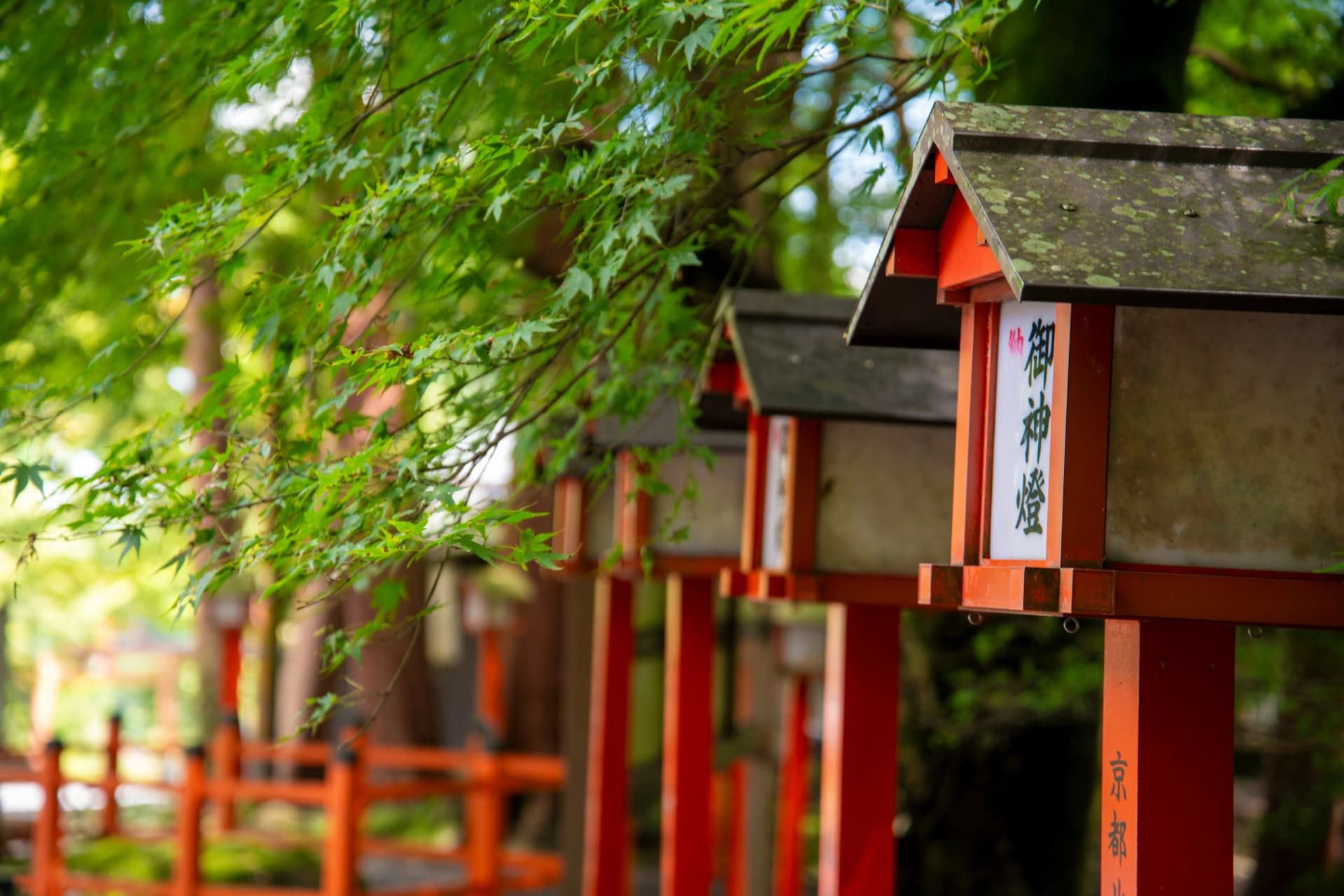
8 Secret Spots in Japan to Explore Beyond the Tourist Trail
Japan may seem compact on the map, but it offers a vast and varied travel experience. With 47 unique prefectures, each shaped by its history, geography, and traditions, even seasoned locals haven’t explored it all. While iconic cities like Kyoto, Osaka, and Sapporo deserve the spotlight, they often overshadow Japan’s lesser-known treasures. Beyond the bustling metropolises, you’ll find art-filled islands in Kagawa, serene hot spring retreats in Yamagata, and the charming, fairy-tale-like thatched-roof houses of Gifu. This guide uncovers eight underrated prefectures that offer authentic experiences, cultural richness, and natural beauty, without the crowds. If you’re planning your next trip to Japan, these off-the-beaten-path destinations deserve a spot on your itinerary.
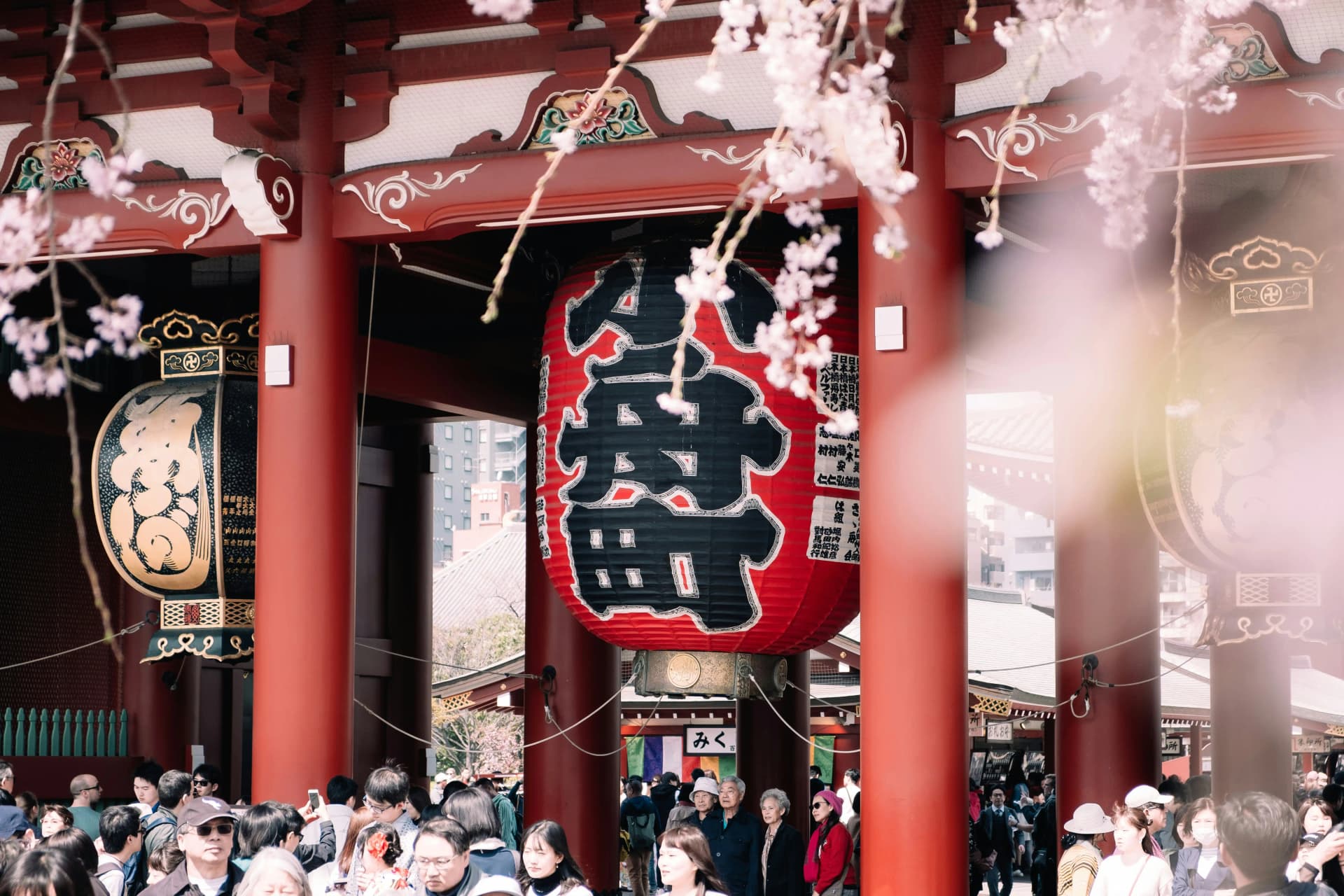
Experience Serenity: 7 Most Beautiful Japanese Gardens in Tokyo
Tokyo may be known for its futuristic skyline and fast-paced city life, but serenity isn’t far away. Tucked between skyscrapers and bustling streets, you’ll find tranquil escapes in traditional Japanese gardens, the living works of art that blend nature, philosophy, and design.
Japanese garden design is a centuries-old cultural practice, deeply influenced by Zen Buddhism and the aesthetics of wabi-sabi—the appreciation of imperfection and impermanence. Each garden is a carefully composed scene where stone, water, plants, and crafted structures come together in harmony. These elements beautify the space and symbolize deeper meanings tied to the natural world and human experience.
Features like koi-filled ponds, tea houses, and stone lanterns invite quiet reflection and offer a visual dialogue with the seasons. No two gardens are alike. Their asymmetrical layouts and seasonal themes reflect the transient beauty of spring blossoms, summer greens, autumn leaves, and winter stillness.

Best Places to See Cherry Blossoms in Japan
The sakura season in Japan is a "Living Pink Masterpiece" — a breathtaking seasonal phenomenon that transforms the entire archipelago into a dreamscape of soft pink petals, symbolizing the fleeting beauty of life. Led by the iconic Somei Yoshino variety, this floral wave sweeps across the country from the warm southern shores of Kyushu in March to the cooler northern peaks of Hokkaido in May, giving rise to centuries-old hanami (flower viewing) picnic celebrations. Marking Japan’s absolute busiest travel window where hotels and trains book out months in advance, securing an expertly guided journey to these iconic viewing spots is the vital key to skipping the heavy lifting of trip planning.
Explore Tweet World Travel Japan Small Group Tours or contact Tweet World Travel for a tailor-made travel experience.

Best Time to Visit Japan for Cherry Blossom in 2027: A Seasonal Travel Guide
The sakura season in Japan is Asia’s "Fleeting Pink Pearl", a breathtaking seasonal spectacle that transforms Japan’s historic streets, parks, and temple gardens into a dreamscape of soft pink blooms, drawing travelers from around the globe. Because this natural phenomenon is inherently transient, navigating the precise timing across different prefectures requires an elite level of on-ground orchestration to bypass the logistical guesswork. Ringed by carefully curated regional loops, expert local guides, and passing every experience through an intimate 16-passenger cap filter, securing an expertly engineered cherry blossom itinerary early is the perfect complement to a broader Asia tour for a flawless spring expedition.
Explore Tweet World Travel Japan Small Group Tours or contact Tweet World Travel for a tailor-made travel experience.
Our Best-Selling Tours
Follow Us