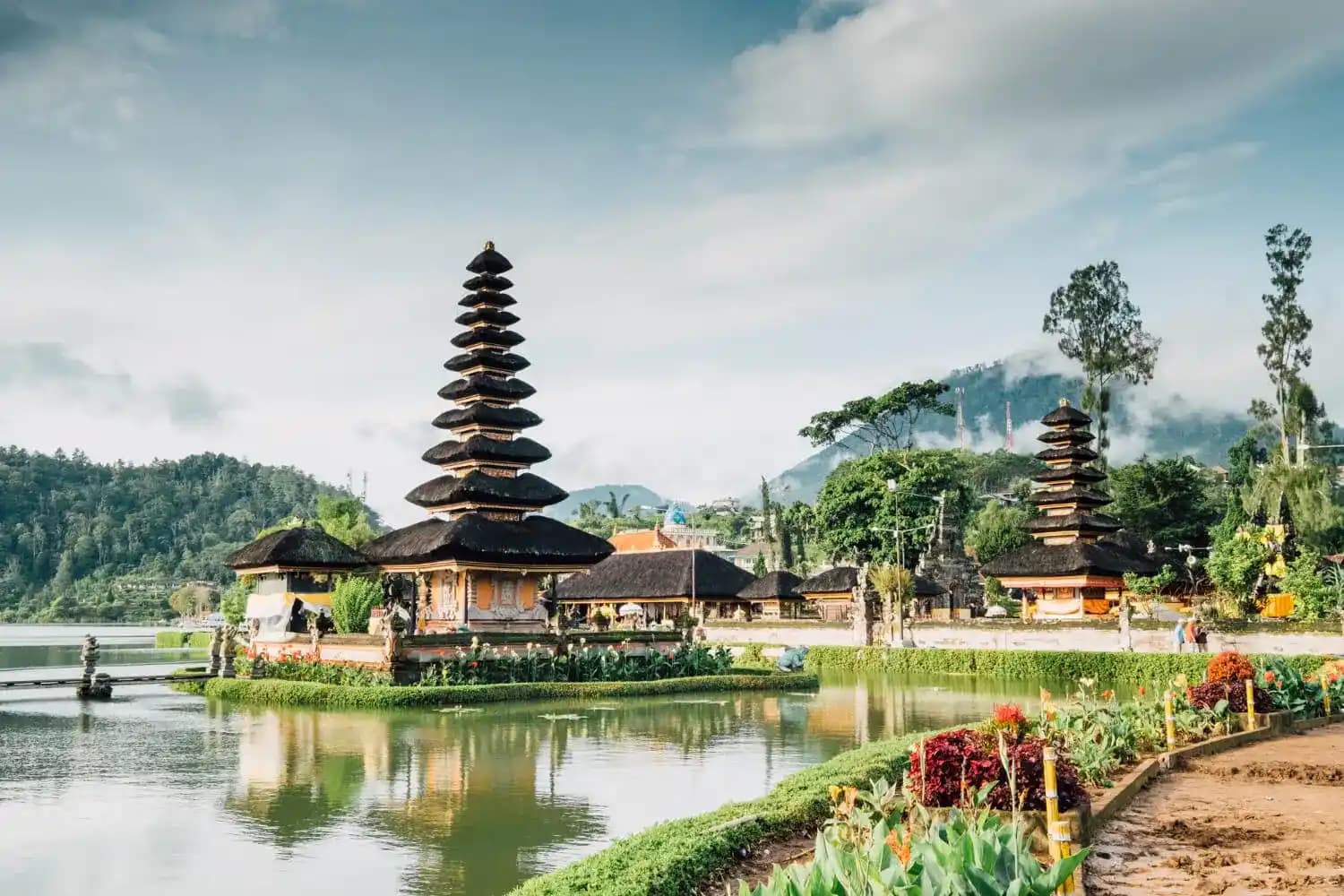

Bhaktapur Travel Guide: Newari Living Heritage & Nyatapola Temple
Bhaktapur is Nepal's most perfectly preserved Newari city — a 13th-century walled town of red-brick alleys, intricately carved-wood windows, sacred ponds and three monumental squares dominated by the five-tiered Nyatapola Temple. Just 13 km east of Kathmandu, Bhaktapur is the easiest of the Kathmandu Valley's three royal cities to explore on foot, and the one where traditional Newari life still continues uninterrupted by 21st-century traffic. UNESCO-listed and entirely walkable, Bhaktapur is the essential 1-day stop on any Nepal Heritage Discovery tour.
Explore Tweet World Travel Nepal Small Group Tour or contact Tweet World Travel for a tailor-made travel experience.

History & Cultural Influence
Bhaktapur (Newari: Khwopa, "City of Devotees") was the capital of the unified Malla kingdom from the 14th to 15th centuries and remained an independent royal Newari city until 1769. The city's 1696 royal palace, the 55-Window Palace, marks the most refined moment in Newari court architecture. By the late 18th century, Bhaktapur had become an architectural showcase: more than 170 temples and monasteries, three royal squares (Durbar, Taumadhi, Dattatreya) and a thriving pottery-and-craft economy.
The 2015 earthquake hit Bhaktapur hard, damaging or destroying around a third of the historic core. Reconstruction by Newari artisans using traditional methods has been remarkable — most monuments are now reopen, with new sections of the royal palace still under restoration. UNESCO inscribed Bhaktapur Durbar Square as part of the Kathmandu Valley World Heritage Site in 1979. The city charges a foreigner entry fee (~USD 15) which directly funds conservation.
Quick facts:
UNESCO status: Bhaktapur Durbar Square is part of the Kathmandu Valley World Heritage Site (1979)
Distance from Kathmandu: 13 km — 45 minutes by road
Population: around 78,000
Best for: Newari living heritage, traditional crafts, walking the medieval streets, photography
Tip: visit early morning (8–11am) before tour buses arrive
Top Attractions
Bhaktapur Durbar Square — royal palace square; the 55-Window Palace, Golden Gate, Vatsala Temple and the Lions Gate.
Nyatapola Temple — 30m five-tiered pagoda; one of South Asia's most photographed and Nepal's tallest temple.
Taumadhi Square — next to Nyatapola; the Bhairavnath Temple and the famous Bhaktapur Café Nyatapola.
Dattatreya Square — 15-minute walk east; the famous "Peacock Window" — Nepal's most photographed wooden carving.
Pottery Square — live pottery-making by Newari potters; you can join a workshop.
National Art Gallery — inside the royal palace; Newari Hindu and Buddhist art.
Bhaktapur Wood Carving Museum — a 15th-century Newari master's gallery of carved windows, doors and pillars.

Must-Try Dishes
Bhaktapur juju dhau — literally "king of yoghurt"; the city's legendary thick, creamy buffalo curd, sold in earthenware pots.
Newari samay baji — a Newari festival platter of beaten rice, choila (smoked buffalo), bara (lentil cake), egg and pickles.
Yomari — a sweet Newari ricestrip dumpling with sesame-jaggery filling; especially eaten at the Yomari Punhi festival (December).
Bara — savoury lentil-flour pancake; the Newari breakfast classic.
Aila — Newari rice spirit; traditionally drunk from a copper bowl.

Festivals & Local Celebrations
Bisket Jatra — April: 9-day Newari New Year festival; chariot processions and tug-of-war between the upper and lower city.
Indra Jatra — September: the Kumari (Living Goddess) is paraded through the city.
Gai Jatra — August/September: cow festival; families who have lost loved ones in the past year lead procession cows.
Yomari Punhi — December: a Newari winter festival celebrating the rice harvest with yomari sweet dumplings.
Tihar (Diwali) — October/November: oil-lamp offerings and rangoli throughout Newari homes.
What to Do
Arrive at 8am — walk Durbar Square and Nyatapola Temple before tour buses arrive at 10am.
Take a Newari cooking class — Mountain Bagh and Cafe Nyatapola offer authentic ones.
Try juju dhau yoghurt at a traditional clay-pot vendor near Taumadhi Square.
Tour Pottery Square; spin a pot at one of the workshops.
Walk to Dattatreya Square to photograph the Peacock Window.
Stay overnight inside the heritage core to experience Bhaktapur after the tour buses leave.

Shopping
Pottery Square workshops — hand-thrown traditional Newari clay pots and figurines.
Bhaktapur wood-carving artisan shops — small carved-window reproductions, Newari Buddhist masks.
Thanka painting studios — Tibetan-style Buddhist scroll paintings.
Juju Dhau pot stands — the famous Bhaktapur curd; eat it on-the-spot.
Bhaktapur paper printing — hand-block-printed Tibetan paper, made from daphne bushes.
Weather: Best Time to Visit
October–November (Best): driest, clearest skies; warm sunny days.
March–April: second-best; warmer with spring blossom.
May–September: monsoon brings rain; atmospheric but trekking views obscured.
December–February: cold; daytime 5–18°C; occasional valley fog.
Cultural Etiquette
Cover shoulders and knees at temples; remove shoes at active worship areas.
Walk clockwise around stupas; never point feet at images.
Photograph people respectfully — ask first.
During festivals, do not block processions or stand on raised temple platforms.
At pottery and wood-carving studios, tip the artisans for demonstrations.
Essential Travel Information
Getting there: Most travellers take a private driver from Kathmandu (45 minutes). Public buses run from Ratna Park (Kathmandu) to Bhaktapur Bus Park.
Entry fee: Foreigners pay around USD 15 to enter the heritage core; ticket valid for 1 day.
Money: ATMs near Durbar Square; carry cash for the entry fee and small shops.
Connectivity: Reliable 4G.
Timing tip: Stay overnight if you want to experience Bhaktapur after tour buses leave at 4pm.
Where to Stay
Boutique heritage — Peacock Guest House (overlooks Dattatreya Square), Inn Bhaktapur and Heritage Hotel.
Mid-range — Hotel Sweet Home, Hotel Heart Land and Bhaktapur Paradise Hotel.
Where to base yourself: most travellers visit Bhaktapur as a day trip from Kathmandu; for atmosphere, stay 1 night inside the heritage core — you'll have the streets to yourself after dark.
Explore Tweet World Travel Nepal Small Group Tour or contact Tweet World Travel for a tailor-made travel experience.
Frequently Asked Questions
Helpful answers for travellers planning a Bhaktapur stop on a Nepal tour.
How long do I need at Bhaktapur?
A full day or a long half-day. Most travellers spend 5–6 hours covering the three squares, museums, pottery and lunch.
Should I stay overnight in Bhaktapur?
Optional but rewarding. The heritage core empties of tour buses after 4pm, and a night-time walk through the old town is one of Nepal's most magical experiences.
Is Bhaktapur worth the foreigner entry fee?
Yes — the ~USD 15 fee directly funds conservation. The fee includes entry to multiple monuments and museums.
Bhaktapur or Patan?
Both are essential Newari royal cities. Bhaktapur is bigger, more rural and quieter. Patan is more compact and has the best museum. Most Nepal Heritage tours include both.
When is the best time to visit Bhaktapur?
October–November for clearest weather; April for the Bisket Jatra New Year festival.
Our Best-Selling Tours
Follow Us