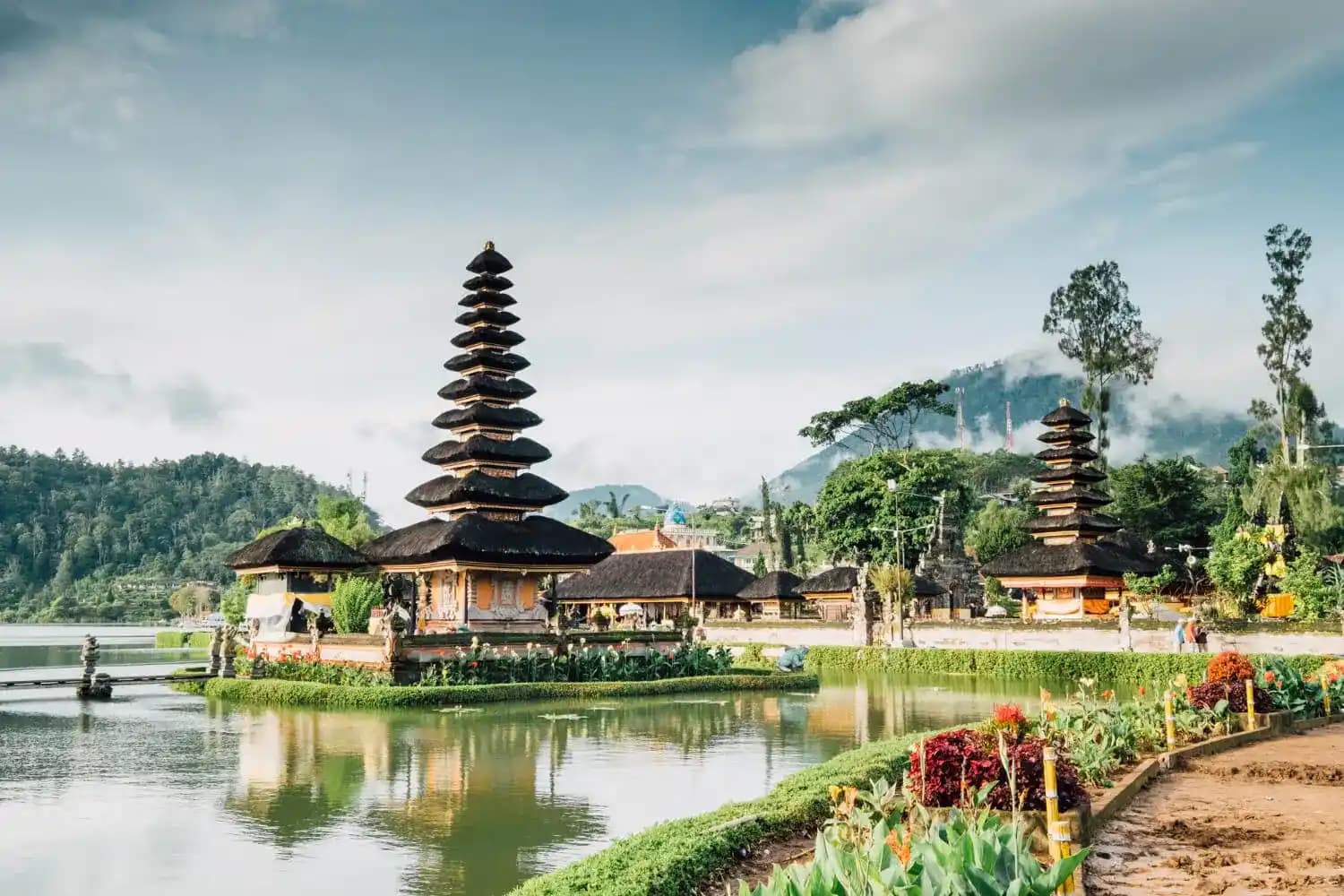

Buyeo Travel Guide: Baekje Kingdom Heritage & UNESCO Pagoda
Buyeo is South Korea’s ancient Baekje Kingdom capital — a sleepy riverside town in South Chungcheong Province where 1,400-year-old stone pagodas, royal tomb mounds and the romantic lotus pond at Gungnamji remain quietly untouristed. As part of the UNESCO Baekje Historic Areas (inscribed 2015), Buyeo offers Korea’s deepest pre-Silla heritage with none of the Gyeongju crowds.
Explore Tweet World Travel South Korea Small Group Tour or contact Tweet World Travel for a tailor-made travel experience.

History & Cultural Influence
Buyeo (then called Sabi) was the third and final capital of the Baekje Kingdom from 538 to 660 AD — one of Korea’s “Three Kingdoms” that famously transmitted Buddhism and writing to Japan. After the fall of Baekje to the allied Silla-Tang forces in 660, the city was burnt to the ground; what survives is UNESCO-listed as part of the Baekje Historic Areas (2015).
Region: South Chungcheong Province, west-central South Korea
Population: approx. 65,000
UNESCO listing: Baekje Historic Areas (2015) — includes Buyeo plus Gongju and Iksan
Famous for: Jeongnimsa stone pagoda, Gungnamji lotus pond, Busosanseong fortress, royal Baekje tombs
Top Attractions in Buyeo
Jeongnimsa Temple Site — UNESCO-listed 7th-century site with the iconic Five-Storey Stone Pagoda, a National Treasure.
Busosanseong Fortress — hilltop fortress overlooking the Baekma River; site of the legendary “Three Thousand Court Ladies” cliff.
Gungnamji Pond — Korea’s oldest artificial pond (634 AD), home to thousands of lotus blooms each July.
Buyeo National Museum — fabulous Baekje gilt-bronze incense burner and lotus-pattern roof tiles.
Royal Tombs of Neungsan-ri — Baekje-era burial mounds set in pine forest; UNESCO inscribed.
Baekje Cultural Land — reconstructed 5th-century Sabi royal palace, complete with the Five-Storey Wooden Pagoda.
Goransa Temple — riverside temple near Busosanseong where Baekje courtiers drank the “Gorancho” spring water.

Must-Try Dishes in Buyeo
Yeonipbap (Lotus-Leaf Rice) — sticky rice with chestnut, jujube and ginkgo, steamed inside a fresh lotus leaf; Buyeo’s signature dish.
Yeon-kkot Jeon — pan-fried lotus-flower pancake; eaten with makgeolli rice wine.
Tarakju (Lotus-Leaf Brew) — light rice wine infused with lotus leaves; a Baekje monastic tradition.
Buyeo Watermelon (in summer) — South Chungcheong is famous for its sweet seedless varieties.
Yeonppuri Galbi-jjim — soy-braised pork ribs with lotus root; sweet and earthy.
Sabi Hanjeongsik — multi-bowl royal-court banquet set referencing Baekje aristocratic dining.

Festivals & Local Celebrations
Baekje Cultural Festival (late September) — week-long heritage celebration shared with neighbouring Gongju; lantern parades, traditional music and Baekje court re-enactments.
Seodong Lotus Festival (July) — when Gungnamji’s lotus pond bursts into bloom, with night illumination, music and tea ceremony.
Buyeo Cherry Blossom Walk (early April) — Gungnamji and Busosanseong slopes wash pink for ten days.
What to Do in Buyeo
Walk Gungnamji at sunset — wooden bridges and a central island pavilion make this Korea’s most photogenic small pond.
Hike Busosanseong — easy 60-minute loop with the Three Thousand Court Ladies cliff and Goransa Temple.
Take a Hwangpo sail boat down the Baekma River from Busosanseong to Goransa Temple.
Visit the National Museum to see the Baekje gilt-bronze incense burner — Korea’s most exquisite ancient artefact.
Try lotus-leaf rice inside Gungnamji’s lakeside teahouses — a once-eaten-never-forgotten Baekje recipe.
Cycle to Neungsan-ri — flat bike paths thread the royal tomb park.

Shopping in Buyeo
Buyeo Old Market — locally grown lotus root, watermelon, persimmons and rice cakes.
Gungnamji craft kiosks — Baekje-era roof-tile pattern stationery and lotus-themed souvenirs.
Specialties to bring home — dried lotus-leaf tea, Buyeo watermelon-rind candy, replica Baekje incense-burner figurines, hanji paper crafts.
Weather: Best Time to Visit Buyeo
Spring (Mar–May) — cherry blossoms around Gungnamji and Busosanseong; 10–22°C.
Summer (Jun–Aug) — lotus bloom peaks early July; humid 24–32°C.
Autumn (Sep–Nov) — Baekje Cultural Festival weekend and golden foliage; the best overall season.
Winter (Dec–Feb) — cold –3 to 8°C; quiet temple sites and snowy royal tombs.
Cultural Etiquette
Quiet at temple sites — Jeongnimsa and Goransa are active worship sites.
Do not step on tomb mounds — Neungsan-ri royal burials are protected UNESCO heritage.
Bow at the pagoda — the Five-Storey Stone Pagoda is venerated; show respect.
Carry cash — Buyeo’s small market stalls and teahouses often only accept won.
Slip-on shoes help — visits include several traditional temple halls.
Essential Travel Information
Getting there: the fastest route from Seoul is KTX to Gongju Station (1h05m), then a 30-minute bus to Buyeo. Express buses from Seoul Nambu Terminal run direct in 2h30m.
Getting around: the town is small enough to walk; city bus routes 705/706/707 loop the heritage sites. Bike rental at the National Museum is the most enjoyable option.
Money: ATMs accept foreign cards. Carry cash for the Old Market and Gungnamji food stalls.
Where to Stay in Buyeo
Buyeo town centre — boutique pensions within walking distance of Gungnamji.
Lotte Resort Buyeo — large luxury resort near Baekje Cultural Land with onsite Baekje history park.
Hanok stays in town — traditional ondol-floor stays for the most authentic experience.
Recommended properties — Lotte Resort Buyeo, Sungwoljae Hanok Guesthouse, Buyeo Tourist Hotel.
Explore Tweet World Travel South Korea Small Group Tour or contact Tweet World Travel for a tailor-made travel experience.
Frequently Asked Questions
Common questions from travellers planning a Buyeo visit:
How many days do you need in Buyeo?
One full day covers the Jeongnimsa pagoda, Busosanseong fortress, Gungnamji and the National Museum. Add an overnight for the Baekje Cultural Land light show and a lotus-leaf rice dinner.
How do I get from Seoul to Buyeo?
Take the KTX to Gongju Station (1h05m) then a 30-min bus to Buyeo; alternatively the direct express bus from Seoul Nambu Bus Terminal runs in 2h30m. The Korea Rail Pass covers the KTX portion.
Is Buyeo worth visiting compared to Gyeongju?
Both are essential. Gyeongju represents Silla’s 1,000-year reign; Buyeo represents the rival Baekje Kingdom that gifted Japan its Buddhism and writing. Buyeo is quieter, smaller and pairs naturally with a Gongju side-trip.
When is the lotus pond in bloom?
Gungnamji’s lotus pond blooms from late June through early August, peaking in mid-July when the Seodong Lotus Festival runs.
Is the Baekje Cultural Festival held in Buyeo?
Yes — the festival alternates each year between Buyeo and Gongju in mid-to-late September, with parades, court-music performances and traditional craft demos at both cities.
Our Best-Selling Tours
Follow Us