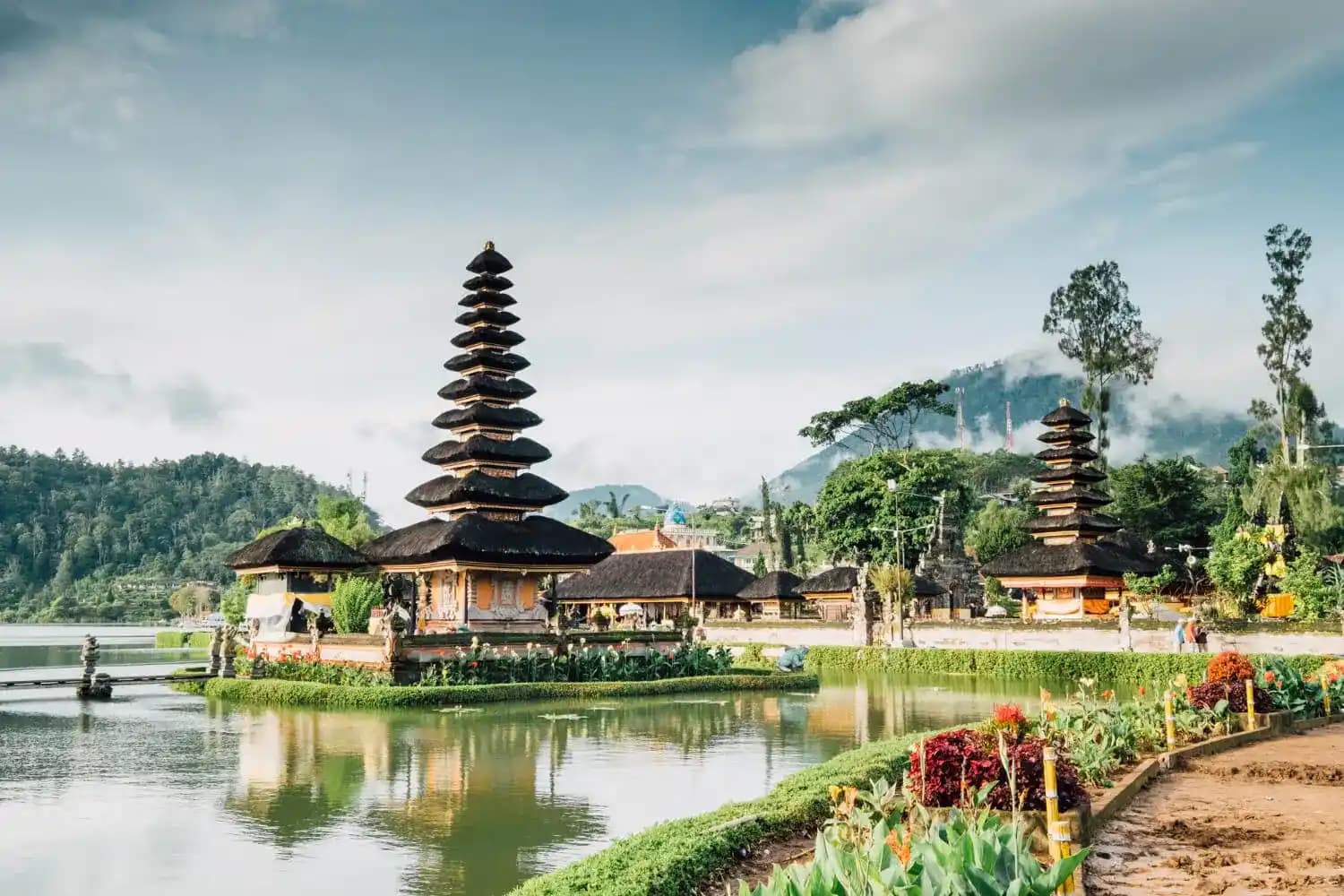

Chiang Mai Travel Guide: Lanna Temples, Wellness Retreats & Lantern Festivals
Chiang Mai is the cultural and spiritual capital of northern Thailand — a 700-year-old walled Lanna city ringed by jungle-clad mountains, gilded hilltop temples and a deep tradition of Buddhist wellness. While Bangkok is the country's engine, Chiang Mai is its soul: a slower, cooler, leaf-shaded city that has become one of Asia's leading wellness destinations, with world-class yoga retreats, Lanna-style spa resorts and traditional Thai-medicine programmes that draw guests for weeks at a time.
Explore Tweet World Travel Thailand Small Group Tour or contact Tweet World Travel for a tailor-made travel experience.

History & Cultural Influence
Chiang Mai ("New City") was founded in 1296 by King Mengrai as the capital of the Lanna Kingdom — a Tai-Yuan civilisation that ruled most of northern Thailand for 260 years until the Burmese sacked it in 1558. The city's legacy is everywhere: the 1.5 km square moat and crumbling brick walls of the Old Town still stand, more than 300 gilded Lanna temples remain in active worship, and Lanna script, language and Buddhist traditions are quietly maintained.
Today Chiang Mai is one of South-East Asia's most beloved destinations — a charming, leafy alternative to Bangkok's chaos. The city has reinvented itself as Asia's wellness capital. Yoga retreats, Vipassana meditation centres, traditional Thai massage schools, Ayurveda doctors, plant-based cafés and digital-detox jungle resorts are dotted across the Old Town and the surrounding Mae Rim and San Kamphaeng valleys. For Buddhist travellers, wellness seekers and slow-travellers alike, Chiang Mai is unmissable.
Quick facts:
Founded: 1296 by King Mengrai of Lanna
Population: around 130,000 (Greater Chiang Mai: 1.2 million)
Distance from Bangkok: 700 km — 1 hour 15 minutes by air, 9 hours by overnight train
Elevation: 310m — cooler than Bangkok, especially November–February
Best for: temples, wellness, yoga, Thai massage, food, elephant sanctuaries, lantern festivals
Top Attractions
Wat Phra That Doi Suthep — the sacred 14th-century hilltop temple overlooking the city; ascend 306 steps or take the funicular to the golden chedi.
Old Town & Three Kings Monument — Chiang Mai's walled medieval centre; explore Wat Chedi Luang (a 1441 ruined chedi), Wat Phra Singh and Wat Chiang Man.
Sunday Walking Street (Tha Phae Road) — Chiang Mai's legendary weekend craft market; one of the best in Asia.
Elephant Nature Park — Lek Chailert's ethical elephant sanctuary; observe rescued elephants instead of riding them.
Doi Inthanon National Park — Thailand's highest peak (2,565m); cloud forest, twin royal chedis and Karen hill-tribe coffee.
Sticky Waterfalls (Bua Tong) — 90 minutes north; mineral-rock waterfalls you can climb barefoot.
Old City temples cycling tour — a 4-hour pedal between 30 of the Old Town's best Lanna temples.

Must-Try Dishes
Khao soi — Northern Thailand's signature dish: crispy and soft yellow noodles in a coconut-curry broth with chicken or beef.
Sai oua — spicy Lanna pork sausage flavoured with lemongrass, kaffir lime and turmeric.
Nam prik num — roasted green chilli dip with sticky rice and vegetables.
Khanom jeen nam ngiao — rice noodles in a pork-rib-and-tomato broth with crispy garlic.
Sticky rice & mango — sweet glutinous rice with ripe mango and a coconut-cream drizzle.

Festivals & Local Celebrations
Yi Peng & Loy Krathong — November: the famous sky-lantern release coincides with Loy Krathong; thousands of glowing lanterns fill the night sky.
Songkran — 13–15 April: Chiang Mai's water festival is the country's most intense; the city's moat becomes ammunition.
Flower Festival — February: a three-day flower parade celebrating Chiang Mai's cool-season blooms.
Inthakin City Pillar Festival — May: a 6–8 day ceremony honouring the city's founding pillar at Wat Chedi Luang.
Chiang Mai Vegetarian Festival — October: nine days of vegetarian Chinese-Thai street food.
What to Do
Spend a half-day at an ethical elephant sanctuary (Elephant Nature Park or Bee Elephant Sanctuary).
Take a traditional Thai massage at Lila Thai Massage (run by former female prisoners as a rehabilitation programme).
Book a multi-day wellness retreat at Kamalaya (south), Pillars of Heaven, RAKxa Wellness Retreat or Anantara Chiang Mai — Chiang Mai's wellness scene is one of Asia's richest, with options ranging from drop-in yoga to 21-night Ayurveda.
Join a Northern Thai cooking class at Thai Farm Cooking School or Chiang Mai Thai Cookery School.
Take a sunrise alms-giving walk with monks on Tha Phae Road.
Hike to a Karen hill-tribe village at Mae Wang or Mae Sa for a homestay overnight.

Shopping
Sunday Walking Street (Tha Phae) — Chiang Mai's legendary craft market; ethical hill-tribe textiles, silver and ceramics.
Saturday Walking Street (Wua Lai) — silver-working district market; smaller but equally good.
Warorot Market — a 100-year-old daily fresh market with Chinese-Lanna dried goods, tea and herbs.
Baan Tawai Wood Carving Village — 15 minutes south; teak carving, furniture and Buddhist art.
Bo Sang Umbrella Village — 20 minutes east; hand-painted bamboo umbrellas and silks.
Weather: Best Time to Visit
November–February (Best): cool, dry season; 18–28°C with low humidity — perfect for sightseeing and wellness retreats.
March–May: hot and increasingly hazy due to agricultural burning — March/April can have poor air quality.
June–October: rainy season; lush and green with short afternoon downpours.
Yi Peng/Loy Krathong week: November full moon; the city is most magical and most booked.
Cultural Etiquette
Cover shoulders and knees at temples; remove shoes and hats at inner sanctums.
Women must not touch monks; pass items via a man or place them on a cloth.
Never disrespect the Thai royal family; lèse-majesté laws are strictly enforced.
Walk clockwise around stupas and Buddha images.
Tip massage therapists 50–100 THB; tip wellness retreat staff USD 5–10/day.
Essential Travel Information
Getting around: Songthaew "red trucks" cover the city for 30–40 THB/ride. Grab and tuk-tuks fill in. The Old Town is walkable; bicycles are widely available.
Money: ATMs everywhere. Cards accepted at hotels, malls and mid-range restaurants; cash at markets.
Connectivity: Excellent 4G/5G; Chiang Mai is a digital-nomad capital with strong Wi-Fi at most cafés.
Visa: Thailand offers 60-day visa-free entry to most nationalities (introduced 2024).
Air quality: February–April is the burning season — air pollution can be poor; check AQI before booking outdoor activities. November–January has the best air.
Where to Stay
Luxury — Four Seasons Resort Chiang Mai (Mae Rim), Anantara Chiang Mai Resort and 137 Pillars House.
Wellness retreats — RAKxa Wellness (Bangkok-based but extends to Chiang Mai), Pillars of Heaven (Mae Rim) and Anantara wellness packages.
Boutique design — Tamarind Village (in the Old Town), Akyra Manor and Rachamankha.
Mid-range — U Chiang Mai, Le Méridien and Shangri-La Chiang Mai.
Best neighbourhood: Old Town for walkable temples; Nimmanhaemin for cafés and design; Mae Rim for jungle wellness resorts.
Explore Tweet World Travel Thailand Small Group Tour or contact Tweet World Travel for a tailor-made travel experience.
Frequently Asked Questions
Helpful answers for first-timers planning a Chiang Mai stop on a Thailand tour.
How many days should I spend in Chiang Mai?
Four to five nights is ideal — two for the Old Town and temples, one for elephants, one for Doi Inthanon and one for wellness/cooking. Wellness retreats run 7–14 nights.
Is Chiang Mai better than Bangkok?
They're complementary. Bangkok is the energetic capital; Chiang Mai is the calmer cultural heart. Most premium Thailand tours include both.
When is the best time to visit Chiang Mai?
November to February is cool, dry and clear. Avoid March–April (burning season air pollution). May–October is monsoon but lush and quieter.
Is Chiang Mai good for wellness retreats?
Yes — Chiang Mai is South-East Asia's wellness capital, with world-class yoga retreats, traditional Thai massage schools, Buddhist meditation centres and luxury wellness resorts. Programmes range from drop-in classes to 21-night Ayurveda.
Can I see elephants ethically in Chiang Mai?
Yes — choose sanctuaries that do not allow riding, such as Elephant Nature Park, Bee Elephant Sanctuary or Boon Lott's Elephant Sanctuary.
Our Best-Selling Tours
Follow Us