
Habarana Travel Guide: Cultural Triangle Safari & Lake Lodges
Habarana — a quiet road junction in the heart of Sri Lanka's Cultural Triangle — has quietly become the country's premier safari hub. Sitting equidistant between Sigiriya, Dambulla, Polonnaruwa and Anuradhapura, it puts every great ancient site within a one-hour drive, while three nearby national parks deliver some of the best wild-elephant viewing in Asia. Jungle eco-lodges, lake-side luxury and a relaxed dry-zone tempo make Habarana the smartest base for travellers who want to do the Cultural Triangle without overpacking the days.
Explore Tweet World Travel Sri Lanka Small Group Tour or contact Tweet World Travel for a tailor-made travel experience.

History & Cultural Influence
For most of its history Habarana was little more than an ancient stop on the king's road between Anuradhapura and Polonnaruwa. The surrounding villages still live by the same rhythms — paddy cultivation, chena gardening and tank irrigation from man-made reservoirs (wewa) that date back almost two millennia.
What put Habarana on the modern tourist map was wildlife. The corridor between Minneriya, Kaudulla and Hurulu Eco Park is one of Asia's great elephant landscapes — particularly between July and October, when hundreds of wild elephants migrate to grass plains exposed by receding reservoirs.
Quick facts:
Location: North Central Province, 15 km north of Dambulla and Sigiriya
Distance to Polonnaruwa: 50 km — about an hour
Best for: safari, lake views, jungle lodges, easy access to the Cultural Triangle's top sites
Three nearest national parks: Minneriya, Kaudulla, Hurulu Eco Park
Top Attractions
Minneriya National Park — home of "The Gathering" — between July and October up to 300 wild elephants congregate around the Minneriya reservoir.
Kaudulla National Park — a quieter, less crowded alternative to Minneriya, with the same elephants when the herds move on.
Hurulu Eco Park — open year-round; the most reliable safari when seasonal parks close for breeding.
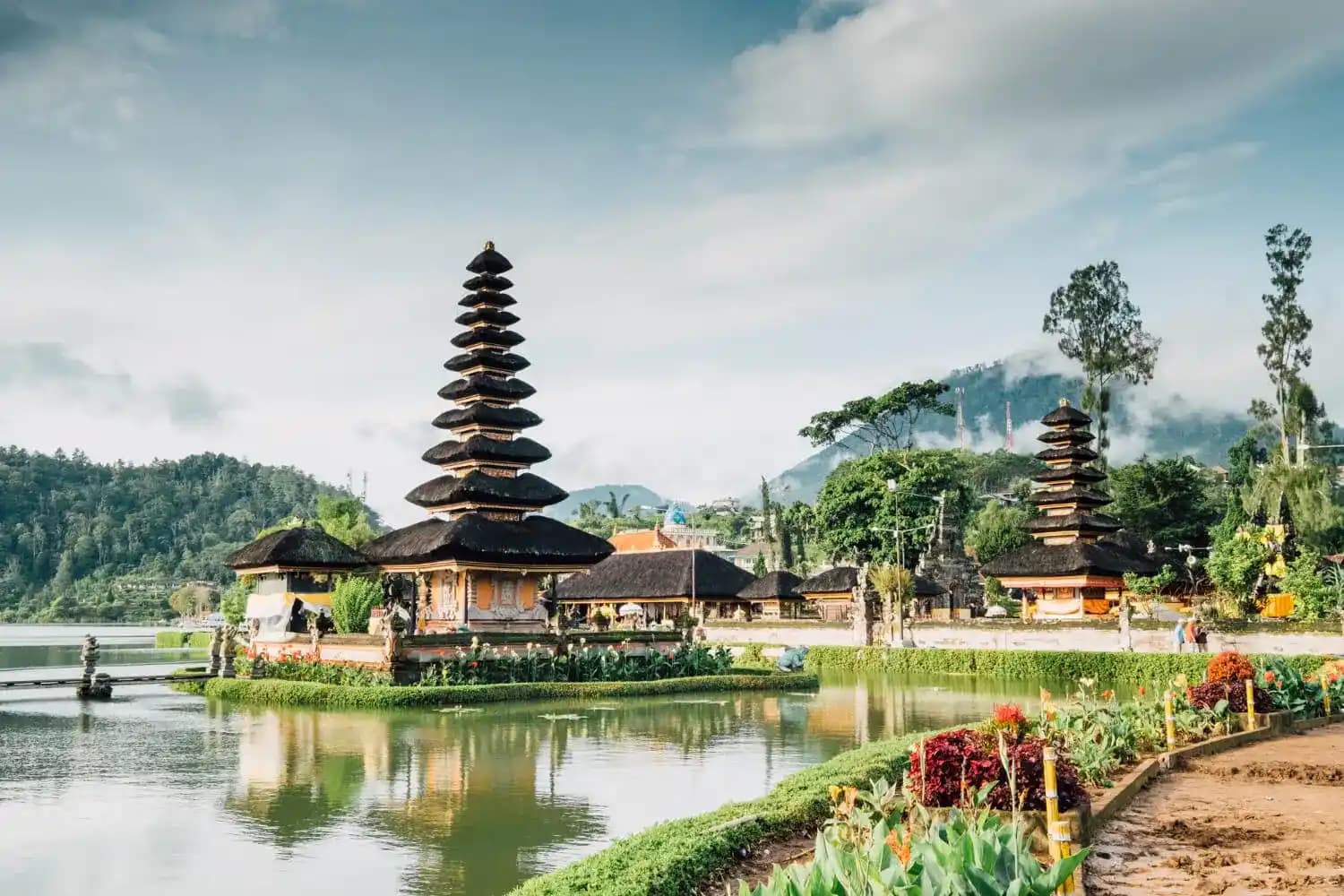
Habarana Lake — a tranquil reservoir surrounded by lily pads and waterbirds — kingfishers, herons, painted storks.
Ritigala — a 766m forested ancient monastery 25 minutes north-west, offering a short, atmospheric jungle hike.
Avukana Buddha — 12m carved standing Buddha 50 minutes west, one of the country's great pre-medieval sculptures.

Must-Try Dishes
Eco-lodges around Habarana lean heavily on garden-to-plate village cooking — and most offer a "ten-curry" set lunch experience.
Ten-curry rice & curry — a Cultural Triangle specialty: ten or more small curries (gotukola, dhal, snake-gourd, polos, banana-flower) with red rice.
Polos curry — young jackfruit slow-cooked in coconut milk and roasted spices.
Kola kanda — a green herbal porridge eaten at breakfast for energy and digestion.
Pittu — cylindrical steamed rice-flour and coconut cake, eaten with curries or coconut milk and jaggery.
Curd & treacle — thick water-buffalo curd in clay pots topped with kithul palm honey; a Sri Lankan dessert classic.

Festivals & Local Celebrations
Vesak — May: jungle villages around Habarana glow with paper lanterns.
Poson Poya — June: pilgrims walk between Mihintale and the cultural-triangle temples.
Esala — July/August: parallel Buddhist processions at smaller temples while Kandy holds the great Perahera.
Avurudu — April: paddy farmers around Habarana host traditional New Year games and kavum-sweet feasts.
National Wildlife Week — early August: parks waive entry fees for local schoolchildren — a beautiful glimpse of Sri Lankan family conservation culture.
What to Do
Take a late-afternoon jeep safari at Minneriya or Kaudulla to see "The Gathering" of elephants.
Cycle through paddy fields and tank villages — many lodges offer guided bike tours.
Take a sunset catamaran ride on Habarana Lake.
Climb the 1,840 steps of Ritigala for a moss-covered ancient monastery experience.
Combine Sigiriya at sunrise with a Polonnaruwa or Anuradhapura day trip from Habarana.
Take an authentic Sri Lankan village experience tour — bullock-cart ride, lake crossing and a home-cooked lunch.

Shopping
Habarana junction craft stalls — wooden masks, batik shirts and tea.
Hiriwadunna village artisans — palm-leaf weaving and pottery workshops.
Lakshmi Spice Garden (Matale road) — cinnamon, vanilla, cardamom and Ayurvedic oils.
Aluvihare/Ridi Vihara monastery libraries — palm-leaf manuscripts, lacquerware and brass.
Weather: Best Time to Visit
June–September (Best for safari): driest, hottest months; wild-elephant gathering at Minneriya peaks.
January–March: cool and clear; ideal for Cultural Triangle sightseeing.
April–May: hot and pre-monsoon; afternoons can be sweltering.
October–December: north-east monsoon brings afternoon downpours; safari shifts to Hurulu and Kaudulla.
Cultural Etiquette
Inside national parks, stay in your jeep; approach elephants no closer than 25m.
At dawn safaris, dress in neutral colours — no white, which spooks animals.
Tip safari drivers and trackers in cash (around USD 5–10 per jeep, per drive).
Photograph village people respectfully — ask first, especially at temples and tank-side homes.
Never feed monkeys at lodge breakfasts — they'll come back violently.
Essential Travel Information
Getting around: Most travellers reach Habarana by private driver from Sigiriya (15 minutes), Dambulla (20 minutes) or Kandy (2.5 hours). Tuk-tuks cover the village and lodges around the lake.
Money: ATMs are at the Habarana junction. Pay safaris and tickets in cash; lodges accept cards.
Connectivity: Dialog and Mobitel 4G work reliably across the area. Most jungle lodges have solid Wi-Fi.
Safari logistics: Park entry tickets are sold at the gate or arranged via your driver. Plan two safaris on different days/parks for the best chance of seeing the gathering.
Where to Stay
Luxury — Wild Coast Lodge sister property Jetwing Vil Uyana, Cinnamon Lodge Habarana and Aliya Resort & Spa.
Boutique eco — The Mudhouse, Backwoods Camp and Forest Rock Garden.
Mid-range — Cinnamon Lodge, Heritance Kandalama (nearby) and Habarana Village by Cinnamon.
Best neighbourhood: Habarana Lake for sunsets; the road to Minneriya for safari proximity.
Explore Tweet World Travel Sri Lanka Small Group Tour or contact Tweet World Travel for a tailor-made travel experience.
Frequently Asked Questions
Helpful answers for travellers planning a Habarana base in the Cultural Triangle.
Why stay in Habarana instead of Sigiriya?
Habarana sits at the centre of the Cultural Triangle, with easy reach of Sigiriya, Dambulla, Polonnaruwa and Anuradhapura. It also offers calmer jungle lodges, lakeside sunsets and the best access to Minneriya/Kaudulla safaris.
When is the best time for the elephant gathering at Minneriya?
July to October, peaking in August and September. Hundreds of wild elephants congregate around the receding Minneriya reservoir to feed on freshly exposed grasslands.
How long should I stay in Habarana?
Two nights is ideal: one to climb Sigiriya at sunrise and visit Dambulla, the second for safari and either Polonnaruwa or a village experience.
Which park is best for elephants — Minneriya, Kaudulla or Hurulu?
Minneriya is the headline park during the gathering, but in low-water years it closes and elephants move to Kaudulla. Hurulu Eco Park is the year-round backup — your guide chooses based on real-time conditions.
Is Habarana suitable for families with young children?
Yes — eco-lodges around Habarana cater well to families. Safaris are short (2.5–3 hours), village experiences include bullock-cart rides, and Habarana Lake offers safe paddle-boat outings.
Our Best-Selling Tours
Follow Us