
Hakone Travel Guide: Onsen, Mt Fuji & Lake Ashi Day Trips
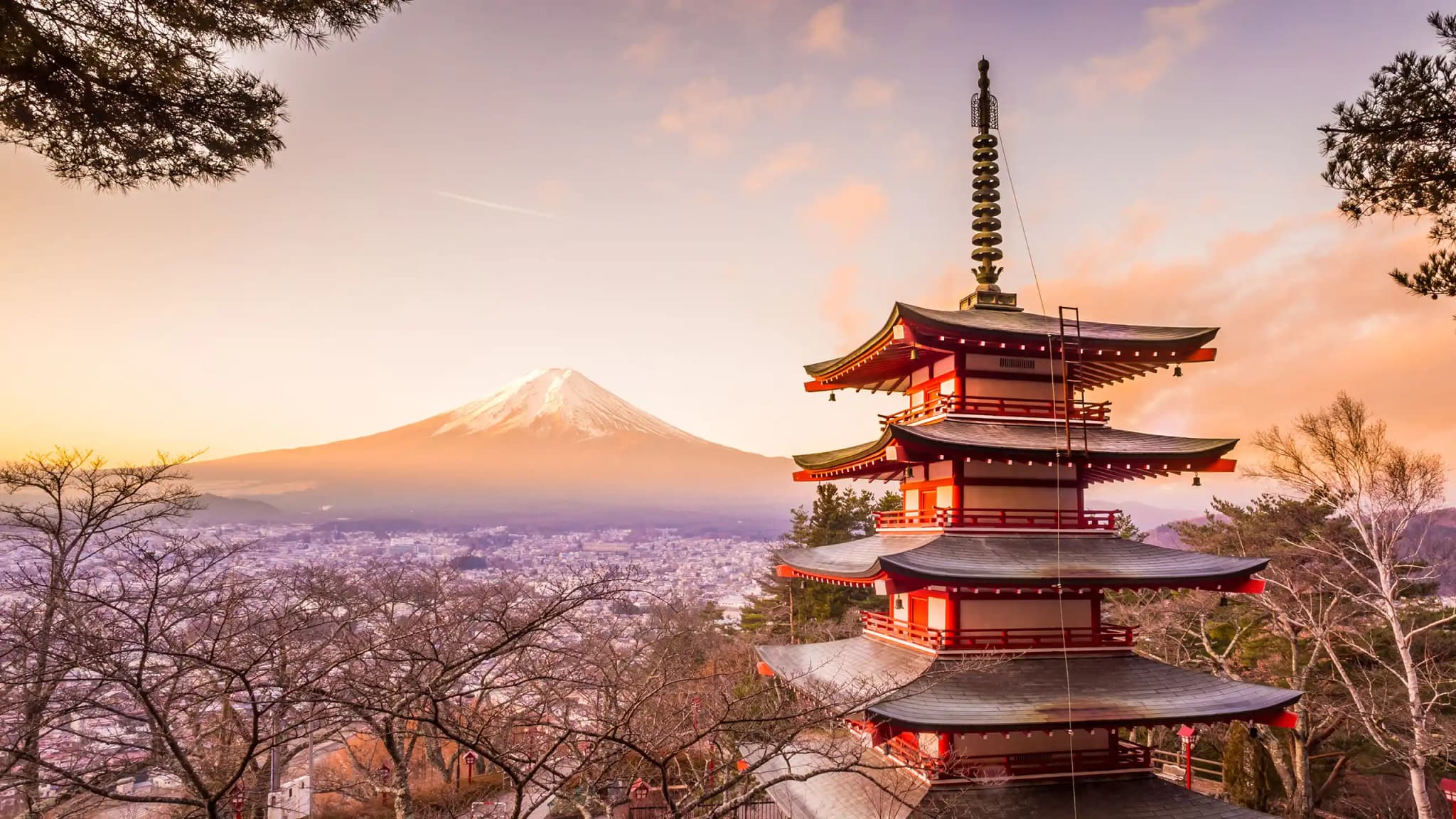
Hakone is Tokyo's favourite weekend escape — a forested onsen town in the foothills of Mt Fuji, less than 90 minutes by shinkansen from the capital. Famous for its volcanic hot springs, the red torii gate of Hakone Shrine on Lake Ashi, and one of the world's classic views of Mount Fuji, Hakone packs world-class scenery, art and ryokan culture into a compact, easily walkable region. For first-time travellers it's the perfect contrast to Tokyo — slower, greener, and steeped in tradition.
Explore Tweet World Travel Japan Small Group Tour or contact Tweet World Travel for a tailor-made travel experience.
History & Cultural Influence
Hakone's story is woven into Japan's feudal past. During the Edo period (1603–1868) it was a vital checkpoint on the Tokaido road linking Kyoto and Edo (modern Tokyo), and lords, samurai and traders all stopped here on their journeys. You can still feel that history at the restored Hakone Sekisho checkpoint, the cobbled Old Tokaido stretches lined with cedar trees, and at Hakone Shrine, founded in 757 AD.
Quick facts:
- Population: ~11,000 residents
- Region: Kanagawa Prefecture, ~90 minutes from Tokyo by Romancecar or shinkansen
- Famous for: onsen hot springs, Mt Fuji views, ryokan stays and the Hakone Open-Air Museum
- Signature landmark: the red torii of Hakone Shrine 'floating' on Lake Ashi
Top Attractions in Hakone
Hakone's headline sights move from lake to mountain to geothermal valley, and most can be linked together using the Hakone Free Pass.
Lake Ashi (Ashinoko) — board a pirate-ship sightseeing cruise for the classic Mt Fuji view behind Hakone Shrine's red torii.
Hakone Shrine & Heiwa-no-Torii — the most photographed spot in Hakone; arrive early morning to beat the queue at the lakefront torii.
Owakudani Geothermal Valley — a volcanic crater of sulfur vents and steam, reached by the Hakone Ropeway. Don't miss the kuro-tamago (black eggs).
Hakone Open-Air Museum — Japan's first open-air sculpture park, with works by Henry Moore and a Picasso Pavilion.
Gora Park — a Western-style hillside garden with seasonal flowers, a tea house and craft workshops.
Chisuji Falls & Hakone Kowakien Yunessun — a serene waterfall and a quirky hot-spring theme park with wine, coffee and green-tea baths.

Must-Try Dishes in Hakone
Hakone's food scene leans into volcanic terroir, forest produce and the artistry of ryokan kaiseki dining.
Kuro-tamago (black eggs) — eggs boiled in Owakudani's sulfuric springs; local lore says each one adds seven years to your life.
Soba noodles — fresh buckwheat noodles served chilled with dipping sauce or hot in clear broth, often paired with seasonal tempura.
Tofu dishes — Hakone's mountain water produces some of Japan's finest tofu; try yudofu (simmered tofu) in a riverside teahouse.
Kaiseki cuisine — the multi-course tasting menu served at upscale ryokan; the highlight of any onsen stay.
Tempura — light, lacy batter over seafood and seasonal mountain vegetables; classic comfort food on a chilly evening.

Festivals & Local Celebrations
Hakone's festival calendar tracks the seasons — from cherry blossoms to autumn maples to historical reenactments.
Hakone Daimyo Gyoretsu (3 November) — a costumed reenactment of an Edo-era feudal lord's procession through the streets.
Hakone Gora Summer Festival (August) — traditional dance, food stalls and a finale fireworks display over Gora.
Cherry Blossom Season (late March – early April) — sakura picnics at Gora Park and along Lake Ashi's shore.
Autumn Foliage (late Oct – early Dec) — fiery momiji at the Botanical Garden of Wetlands and around Lake Ashi, with evening illuminations at top spots.
Hakone Art Festival (year-round) — exhibitions and live performances at the Open-Air Museum and partner venues.
What to Do in Hakone
Beyond the headline sights, Hakone rewards travellers who slow down and pair active days with onsen evenings.
Lake Ashi cruise — a 30-minute pirate-ship ride from Hakone-machi to Togendai, with Mt Fuji views on clear days.
Hiking the Old Tokaido Road — a forested cobblestone walk past 400-year-old cedars between Moto-Hakone and Hatajuku.
Onsen soak — book a day pass at a public bath or stay overnight at a ryokan with a private rotenburo (outdoor bath).
Art museum hop — Hakone Open-Air Museum, POLA Museum of Art and Okada Museum of Art in one afternoon.
Hakone Checkpoint & Sekisho Museum — a restored Edo-period travel gate that explains how the shogunate controlled movement on the Tokaido.

Shopping in Hakone
Shopping in Hakone leans toward craft, food and souvenirs you won't find in Tokyo's bigger malls.
Hakone-Yumoto Shopping Street — the lively strip near the station for souvenirs, snacks and onsen-themed gifts.
Gora Park Souvenir Shops — handmade crafts and local goods in a scenic hillside setting.
Hakone Craft House — pottery, marquetry (yosegi-zaiku wooden mosaic) and textiles by local artisans.
Odawara Castle Shopping Area — boutique stores around the historic castle gate.
Yunessun Hot-Spring Shops — bath products, beauty items and relaxation gifts.
Weather in Hakone: Best Time to Visit
Hakone has four distinct seasons, each with its own appeal. Pack layers and an umbrella — mountain weather changes fast.
Spring (Mar – May) — mild (10–20°C); cherry blossoms peak late March to early April at Gora Park and Lake Ashi.
Summer (Jun – Aug) — warm and humid (20–30°C); festival season, lush hiking trails and a cool break from Tokyo's heat.
Autumn (Sep – Nov) — crisp (10–20°C); spectacular maple foliage from mid-November and evening illuminations.
Winter (Dec – Feb) — cold (0–10°C); occasional snow on Mt Fuji, the best season for onsen soaks and quiet ryokan stays.
Cultural Etiquette in Hakone
Hakone is famous for its onsen, and ryokan culture has its own etiquette. A few rules go a long way.
Wash before bathing — rinse off thoroughly at the seated showers before entering the communal onsen.
No towels in the water — keep your small towel on your head or beside the pool, not in the bath.
Quiet voices — both in onsen and on local trains and buses; loud conversation is considered impolite.
Tattoos & onsen — many traditional baths still don't allow tattoos; look for 'tattoo-friendly' onsen or book a ryokan with a private rotenburo.
Essential Travel Information
Getting around — Hakone is famously easy to navigate. The Hakone Free Pass (2 or 3 days, sold at Odakyu Shinjuku Station) covers the Romancecar discount, all local trains, buses, ropeways, cableways and Lake Ashi pirate-ship cruises — for most visitors it pays for itself in a single day. The classic 'Hakone loop' uses train, switchback railway, cableway, ropeway and pirate ship in sequence.
Money — ATMs at 7-Eleven, Japan Post and major hotels accept international cards. Credit cards are widely accepted at hotels and restaurants but small ryokan, tea houses and craft shops are often cash-only — carry ¥10,000–20,000 daily.
Connectivity — Mobile coverage is strong in the resort areas but patchy on hiking trails; a pocket Wi-Fi or eSIM is the easiest way to stay online.
Where to Stay in Hakone
Hakone is built around ryokan culture — most travellers stay one or two nights to make the most of dinner, baths and breakfast included in the room rate.
Hotel categories
Luxury ryokan — Gora Kadan, Hoshinoya Hakone, Hakone Ginyu — kaiseki dinners, in-room onsen and impeccable service.
Mid-range ryokan & hotels — Hakone Yutowa, Hakone Kowakien Tenyu, Hyatt Regency Hakone Resort & Spa.
Budget stays — Tensui Saryo, Hakone Tent (a design hostel in Gora) and onsen-equipped guesthouses near Hakone-Yumoto.
Best areas for first-timers:
Hakone-Yumoto — the main onsen town and entry point; easy train access from Tokyo.
Gora — quieter, higher up, with the best ryokan and easy ropeway access to Owakudani.
Moto-Hakone & Hakone-machi — lakeside, ideal for cruise-and-shrine days.
Frequently Asked Questions
Here are the most common questions first-time travellers ask about Hakone — quick answers to help plan your trip.
How many days do you need in Hakone?
Most travellers visit Hakone as a 1- or 2-day trip from Tokyo. One day is enough to complete the classic Hakone loop — Hakone-Yumoto train, Hakone Tozan switchback, Sounzan cableway, Owakudani ropeway and Lake Ashi pirate ship. To soak in an onsen ryokan and slow the pace, stay overnight in Gora or Hakone-Yumoto.
How do you get from Tokyo to Hakone?
The fastest, most scenic way is the Odakyu Romancecar limited express from Shinjuku to Hakone-Yumoto (about 85 minutes). Shinkansen to Odawara is faster but pricier, while the Odakyu local trains are the cheapest option. The Hakone Free Pass from Odakyu covers a discounted Romancecar surcharge plus all local Hakone transport.
Is the Hakone Free Pass worth it?
For most first-time visitors completing the Hakone loop in 1 or 2 days, yes — the 2-day pass typically pays for itself in a single day once you ride the Hakone Tozan train, cableway, ropeway and the Lake Ashi pirate ship. The pass also includes free Hakone Tozan buses and discounted entry to several museums.
When is the best time to see Mt Fuji from Hakone?
Clear views of Mt Fuji are most reliable in winter (December to February), when dry, cloudless days are common. October to November also offers crisp visibility along with autumn foliage. Cherry blossom season in April and the rainy season in June are scenic but cloudier, so plan an early morning departure for the best chance of a clear view.
Can you do Hakone as a day trip from Tokyo?
Yes — Hakone is one of Tokyo's most popular day-trip destinations. Start by 8 a.m., complete the loop counter-clockwise, and you can be back in central Tokyo by evening. An overnight stay at a ryokan is still recommended if you want to truly experience the onsen culture.
Our Best-Selling Tours
Follow Us