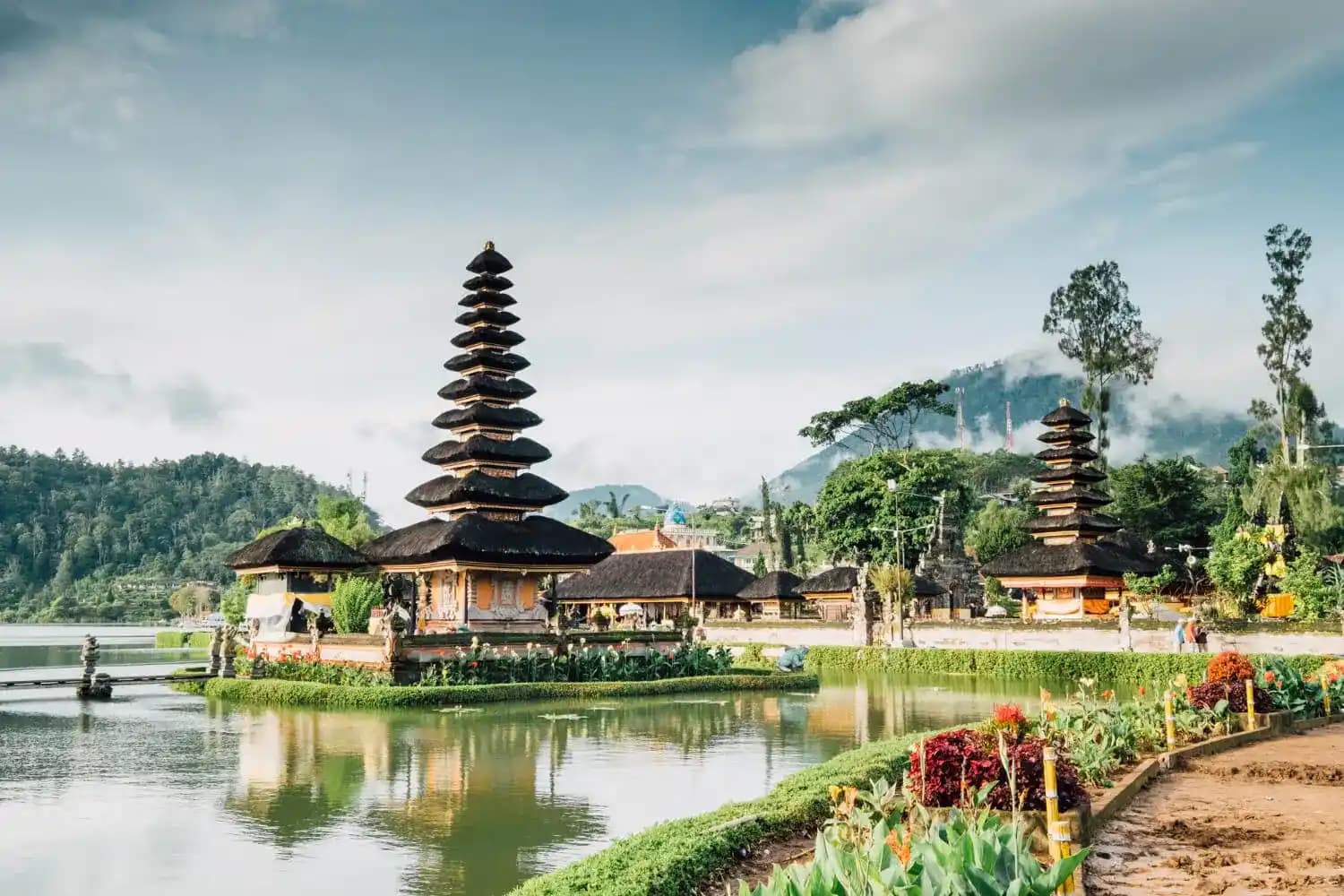

Hiroshima Travel Guide: Peace Memorial & Miyajima Island
Hiroshima is one of Japan's most moving travel destinations — a city rebuilt with grace after the events of August 1945, now home to UNESCO-listed Peace Memorial Park and the iconic floating torii of Itsukushima Shrine. Just 1 hour 40 minutes from Kyoto and 4 hours from Tokyo by shinkansen, Hiroshima rewards travellers with a powerful day of reflection, a ferry ride to one of Japan's three most scenic views, and the country's most distinctive bowl of okonomiyaki.
Explore Tweet World Travel Japan Small Group Tour or contact Tweet World Travel for a tailor-made travel experience.

History & Cultural Influence
On 6 August 1945 Hiroshima became the target of the world's first atomic bomb attack. The city has since rebuilt as a global symbol of peace — its Peace Memorial Park, A-Bomb Dome and Peace Memorial Museum are UNESCO-listed and remain among the most powerful travel experiences in Asia. Beyond the wartime narrative, Hiroshima is also a centuries-old castle town with a thriving food, sports and ferry culture.
Quick facts:
Population: ~1.2 million
Founded: 1589 by Mōri Terumoto as a feudal castle town
UNESCO Sites: Hiroshima Peace Memorial (Genbaku Dome) and Itsukushima Shrine
Signature landmarks: Peace Memorial Park, A-Bomb Dome, Miyajima floating torii, Hiroshima Castle
From Tokyo: ~4 hours by Nozomi shinkansen; from Kyoto, 1 hour 40 minutes
Top Attractions in Hiroshima
Most travellers split their time between central Hiroshima (Peace Park, castle, gardens) and a half-day on Miyajima Island. The Hiroshima Sightseeing Loop Bus links most central sights.
Hiroshima Peace Memorial Park & A-Bomb Dome — designed by architect Kenzō Tange and inscribed by UNESCO; the Peace Memorial Museum's renovated main building (reopened 2019) is essential viewing.
Itsukushima Shrine & the floating torii (Miyajima Island) — Japan's most-photographed Shinto shrine; the 16-metre vermilion gate appears to float at high tide. Reach the island by 10-minute ferry from Miyajima-guchi.
Hiroshima Castle ('Carp Castle') — Mōri Terumoto's 1589 stronghold, reconstructed in 1958; the 5th-floor observation deck has sweeping city views.
Shukkeien Garden — a tranquil 1620 Edo-period landscape garden in central Hiroshima with carp ponds, tea houses and seasonal foliage.
Mount Misen (Miyajima) — climb or take the ropeway to the 535-metre summit for one of Japan's three great scenic views (Nihon Sankei).
Hiroshima Orizuru Tower — 2016 observation tower next to the A-Bomb Dome; visitors fold paper cranes and drop them into a glass column inside.
Mazda Museum (book ahead) — free guided tours of Mazda's headquarters and assembly line; one of Japan's quirkier industrial visits.
Atomic Bomb Hypocenter & Children's Peace Monument — short walks within the Peace Park, both deeply moving.

Must-Try Dishes in Hiroshima
Hiroshima has its own distinctive food scene — most famously a layered okonomiyaki very different from Osaka's, plus Japan's best oysters from the Seto Inland Sea.
Hiroshima-style okonomiyaki — built in stacked layers (batter, cabbage, pork, soba or udon noodles, egg) rather than mixed. Okonomimura's three-storey okonomiyaki village is the iconic spot.
Kaki (Hiroshima oysters) — the Seto Inland Sea produces 60% of Japan's farmed oysters. Try them grilled (yakigaki), fried (kaki furai) or hot-pot style in winter.
Tsukemen (Hiroshima cold-dip noodles) — chilled ramen-style noodles dipped into a chili-spiked, sesame-rich broth; born in 1950s Hiroshima.
Anago meshi (Miyajima) — sweet, grilled conger eel over rice; the signature dish of Miyajima Island.
Momiji manju — maple-leaf-shaped sweet cakes filled with red bean, custard or matcha; the must-buy Hiroshima souvenir.
Hiroshima-style ramen — clear soy-based broth with thin, straight noodles, sliced pork and bamboo shoots.
Lemon dishes — Setouchi lemons turn up everywhere — in sour-ale beers, lemonade, lemon ramen and lemon tarts.

Festivals & Local Celebrations
Hiroshima's calendar runs the gamut from solemn remembrance to vibrant summer fireworks.
Peace Memorial Ceremony (6 August) — Hiroshima's most important day; a moment of silence at 8:15 a.m. marks the bombing, followed by the floating-lantern ceremony at dusk along the Motoyasu River.
Hiroshima Flower Festival (3–5 May) — three days of flower-themed parades, performances and food stalls along Peace Boulevard.
Miyajima Water Fireworks Festival (August) — around 5,000 fireworks explode over the sea, framed by the Itsukushima torii gate.
Cherry Blossom Season (late March – early April) — Hiroshima Castle, Peace Park and Shukkeien Garden all illuminated at night.
Toukasan Festival (early June) — Hiroshima's traditional summer-kickoff festival; locals dress in colourful yukata.
Hiroshima Dreamination (mid-November – early January) — winter illuminations across central Hiroshima's Peace Boulevard.
What to Do in Hiroshima
A two-day Hiroshima itinerary easily covers the headline sights — one day in the city, one on Miyajima — with time for slow walks and reflection.
Walk the Peace Memorial Park slowly — 60-90 minutes for the A-Bomb Dome, Children's Peace Monument and Memorial Museum; an audio guide adds context.
Take the ferry to Miyajima — 10 minutes from Miyajima-guchi (JR West ferry is free for JR Pass holders); aim for high tide for the floating torii view.
Climb or ride to Mount Misen summit — ropeway + 30-minute walk; rewarded with one of Japan's three classic scenic views.
Cycle the Hiroshima Peace Trail — flat city centre, rentals at Hiroshima Station; ideal for an afternoon.
Day trip to the Shimanami Kaido — cycle the 70 km island-hopping bridge route through the Seto Inland Sea; bike rentals at Onomichi.
Hiroshima Carp baseball game (April-Oct) — Mazda Stadium hosts Japan's most passionate fan base; a hugely fun cultural experience.
Watch the lantern ceremony (6 August) — paper lanterns floated down the Motoyasu River at dusk are one of the most moving sights in Japan.

Shopping in Hiroshima
Hiroshima's shopping is concentrated in central arcades, with distinctive local edible souvenirs that make excellent gifts.
Hondori Shopping Arcade — 600-metre covered pedestrian street linking Peace Park to the central shopping district; fashion, cosmetics, cafes and bookshops.
Hatchobori & Aeon Mall Hiroshima Gion — bigger department stores, electronics and family-friendly chain restaurants.
Kamiyacho-Hatchobori area — Sogo, Tenmaya, Mitsukoshi and Fukuya — Hiroshima's classic depachika food halls.
Miyajima Omotesando Shopping Street — the strip leading to Itsukushima Shrine, lined with momiji manju shops, oyster grills and wood-craft stores.
Hiroshima Central Wholesale Market — early-morning auctions and fresh seafood, oysters and produce; book a guided tour for access.
Local souvenirs to buy — momiji manju, Setouchi lemon products, Kumano calligraphy brushes and Hiroshima Carp baseball merch.
Weather in Hiroshima: Best Time to Visit
Hiroshima's climate is mild year-round thanks to the Seto Inland Sea. Spring and autumn are the most rewarding seasons.
Spring (Mar – May) — mild (10–20°C); cherry blossoms peak in early April at Peace Park, Hiroshima Castle and Shukkeien Garden.
Summer (Jun – Aug) — hot, humid (25–35°C); festival season including the Miyajima Water Fireworks and the 6 August Peace Memorial Ceremony.
Autumn (Sep – Nov) — comfortable (15–25°C); spectacular momiji foliage at Miyajima's Momijidani Park and Shukkeien Garden through November.
Winter (Dec – Feb) — mild (5–10°C); oyster season is at its peak, winter illuminations across central Hiroshima, the quietest time to visit Peace Park.
Cultural Etiquette in Hiroshima
Hiroshima is a place of deep reflection. A few simple courtesies make a big difference, especially at the Peace Memorial sites.
Quiet, respectful behaviour at Peace Park — speak softly, don't pose for selfies at the A-Bomb Dome or Children's Peace Monument.
Bow at temple and shrine gates — and remove your shoes before entering temple inner halls and ryokan rooms.
Don't feed Miyajima's deer — unlike Nara's, Miyajima's deer are no longer fed by visitors and may try to pull at your bags or maps.
Use both hands for cash and cards — at shops and restaurants, present and receive payment with both hands.
Slurp your noodles — for ramen, soba and Hiroshima tsukemen; signals you're enjoying the meal.
Queue patiently — for ferries, trams, escalators and okonomiyaki counters.
Essential Travel Information
Getting around — Hiroshima's trams (Hiroden) reach almost every central sight, and a flat ¥220 (¥240 for tourists since 2025) covers a single ride. The Hiroshima Sightseeing Loop Bus (Meipuru-pu) makes a loop of Peace Park, the castle and Shukkeien Garden — a 1-day pass costs ¥600. For Miyajima, take the JR Sanyo Line from Hiroshima Station to Miyajima-guchi (25 min, free on JR Pass), then a 10-minute ferry. The Visit Hiroshima Tourist Pass (1/2/3 days from ¥1,500) bundles unlimited trams, buses and the Miyajima ferry.
Money — International-friendly ATMs at 7-Eleven, Japan Post and FamilyMart. Most hotels and restaurants take cards but smaller eateries and Miyajima stalls are cash-only; carry ¥10,000–20,000 daily.
Connectivity — Free Wi-Fi at Hiroshima Station, hotels and Peace Park; a pocket Wi-Fi or eSIM is best for ferry rides and Mount Misen hikes.
Where to Stay in Hiroshima
Stay one or two nights — most travellers base in central Hiroshima for ease of trams and dining, with an optional ryokan night on Miyajima.
Accommodation categories
Luxury — Sheraton Grand Hiroshima Hotel (above the station), Rihga Royal Hotel Hiroshima and the Hilton Hiroshima (opened 2023, the city's first international 5-star).
Mid-range — Hotel Granvia Hiroshima, ANA Crowne Plaza, Mitsui Garden Hotel Hiroshima — all walkable to Peace Park or the tram line.
Ryokan on Miyajima — Iwaso, Kurayado Iroha and Miyajima Grand Hotel Arimoto for traditional kaiseki dinners and after-dark torii views.
Budget — Hotel New Hiroden, K's House Hiroshima, Hiroshima Hana Hostel — clean, design-led options near the station.
Best neighbourhoods for first-timers:
Around Hiroshima Station — most convenient base; shinkansen ready, easy tram and bus connections.
Hondori / Kamiyacho — central shopping district, walking distance to Peace Park.
Miyajima Island — quiet, atmospheric, ideal for ryokan stays; ferries stop early evening so plan ahead.
Frequently Asked Questions
Here are the most common questions first-time travellers ask about Hiroshima — quick answers to help plan your trip.
How many days do you need in Hiroshima?
Two days is ideal — day one for Peace Memorial Park, Hiroshima Castle and Shukkeien Garden, day two for a half-day on Miyajima Island. Travellers on a tight schedule can do Hiroshima as a long day trip from Kyoto or Osaka by leaving early on the shinkansen.
How do I get from Tokyo to Hiroshima?
The Nozomi shinkansen takes around 4 hours from Tokyo to Hiroshima Station — the fastest option. JR Pass holders use the slightly slower Hikari and Kodama (5 hours). Flying to Hiroshima Airport from Haneda takes 1 hour 30 minutes plus airport transfer time.
Is the Itsukushima floating torii worth visiting?
Absolutely — it is one of Japan's three classic scenic views (Nihon Sankei) and a UNESCO World Heritage Site. The 16-metre vermilion gate appears to float at high tide and is set in the lush forests of Miyajima Island. The 2019-2022 restoration is complete and the gate is back in full vermilion.
How emotional is the Peace Memorial Museum?
The museum is deeply moving — the renovated main building (reopened 2019) presents personal artefacts and testimony with restraint and clarity. Allow 90 minutes to two hours; many visitors take time to sit in the park afterwards. Audio guides in English are available.
When is the best time to visit Hiroshima?
Spring (late March to early April) for cherry blossoms over the A-Bomb Dome, mid-to-late November for autumn foliage on Mount Misen. The 6 August Peace Memorial Ceremony is one of the most moving events in Japan but very crowded. Winter (December to February) is mild, dry and peak oyster season.
Our Best-Selling Tours
Follow Us