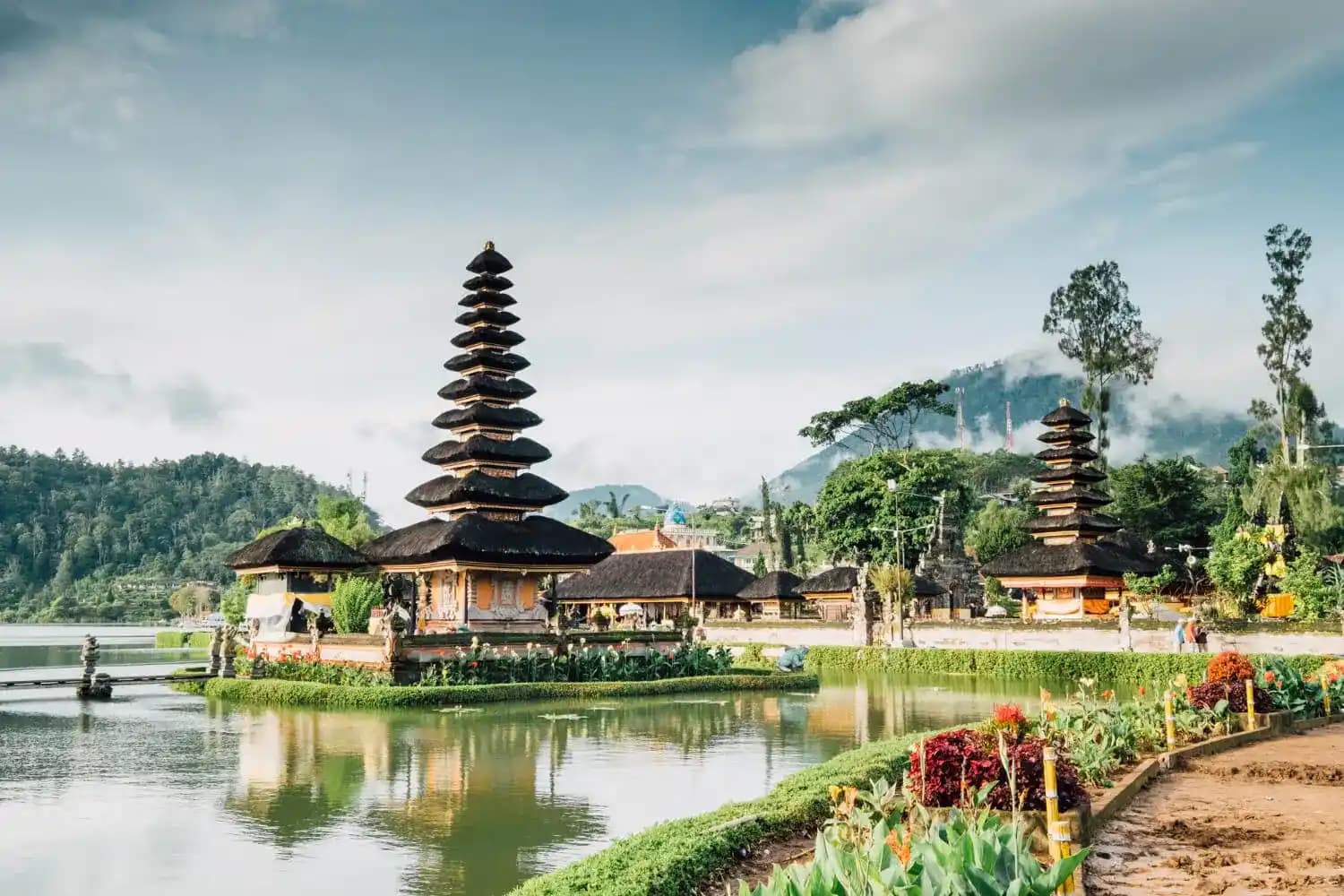

Jeju Travel Guide: Volcanic Island, Olle Trails & Black Pork BBQ
Jeju is South Korea’s tropical volcanic island — a UNESCO Natural World Heritage destination crowned by Hallasan (Korea’s tallest mountain at 1,950m), ringed by 27 Olle long-distance walking trails, and famed for its black-pork BBQ, sea-diving haenyeo grandmothers and the sunrise climb up Seongsan Ilchulbong tuff cone. Jeju City is the gateway airport hub on the north coast and the island’s lively capital.
Explore Tweet World Travel South Korea Small Group Tour or contact Tweet World Travel for a tailor-made travel experience.

History & Cultural Influence
Jeju was an independent kingdom called Tamna until absorbed by mainland Korea in the 13th century. Its volcanic origin — Hallasan erupted about 25,000 years ago — produced the lava tubes, tuff cones and columnar cliffs that won UNESCO Natural World Heritage status in 2007. Jeju is also famed for its matrilineal haenyeo diving culture, where women dive without breathing apparatus to harvest abalone, sea urchin and conch — a UNESCO Intangible Cultural Heritage.
Region: Jeju Special Self-Governing Province, 85 km south of mainland Korea
Population: approx. 700,000 (Jeju City 490,000)
UNESCO status: Natural World Heritage 2007; Global Geopark; Biosphere Reserve
Famous for: Hallasan, Seongsan Ilchulbong, Manjanggul lava tube, Olle trails, haenyeo divers, black pork BBQ
Top Attractions in Jeju
Seongsan Ilchulbong (Sunrise Peak) — UNESCO 180m volcanic tuff cone on the east coast; 30-min climb at dawn delivers the island’s most famous view.
Hallasan National Park — Korea’s tallest mountain at 1,950 m; Seongpanak and Gwaneumsa trails reach the crater lake.
Manjanggul Lava Tube — UNESCO 7.4 km basalt lava cave with the world’s tallest lava column.
Jusangjeolli Cliffs — hexagonal basalt columns crashing into the South Sea near Jungmun Resort.
Yongduam Rock (Dragon Head) — Jeju City coastal lava formation right next to the airport.
Hallim Park — botanical gardens, parrot houses and the Hyeopjae lava tube on the west coast.
Udo Island — small offshore island reachable by 15-minute ferry; coral beaches and peanut ice cream.

Must-Try Dishes in Jeju
Heuk Dwaeji (Black Pork BBQ) — Jeju’s black-skinned native pigs grilled tableside over coals; the island’s defining meal.
Jeonbokjuk (Abalone Porridge) — rice porridge with fresh abalone harvested by haenyeo divers that morning.
Galchi (Hairtail Fish) — long silver hairtail grilled with rock salt or simmered in spicy stew.
Hwe (Live Sashimi) — flounder, halibut and yellowtail straight from Jeju’s harbour fish markets.
Gosari Bibimbap — bracken fern rice bowl with native vegetables and Hallasan goat or chicken.
Hallabong Citrus — sweet bumpy mandarin oranges grown only on Jeju’s south slopes; in season Dec–Feb.

Festivals & Local Celebrations
Jeju Fire Festival (early March) — sky-lighting fire ritual on Saebyeol Oreum to bless the year’s harvest.
Jeju Canola Flower Festival (April) — yellow rapeseed fields blooming across Sanbangsan and Gasiri.
Jeju Cherry Blossom Festival (April) — wangbeotnamu (king cherry) trees endemic to Jeju on full display.
Tamna Cultural Festival (October) — celebration of Jeju’s ancient Tamna kingdom heritage.
Mt Hallasan Snow Festival (January) — winter sledding, snow sculpture and ice climbing.
What to Do in Jeju
Climb Seongsan Ilchulbong for sunrise — locals make this an annual pilgrimage; 30 minutes up.
Walk an Olle trail — start with Olle 7 (Oedolgae to Gangjeong, 17 km) or shorter coastal Olle 10.
Meet the haenyeo — performances and seafood at Haenyeo Museum (Hado-ri) most afternoons.
Bike Udo Island — rental e-bikes for the 17 km island loop with white-sand coves.
Hike Hallasan — Seongpanak trail (19.2 km round-trip) takes 7–9 hours; book the crater-lake permit.
Try black-pork BBQ on Heuk Dwaeji Geori (Black Pig Street) in Jeju City.

Shopping in Jeju
Dongmun Traditional Market — Jeju City’s oldest market for hallabong oranges, fish, herbs and souvenirs.
Olle Market (Seogwipo) — south coast night market with seafood stalls and Jeju makgeolli rice wine.
Jeju Dolharubang craft shops — basalt-stone “grandfather” statues are the island’s totem souvenir.
Specialties to bring home — hallabong tangerine jam, hand-knit Jeju Holly tea, basalt dolharubang figurines, dried abalone, omija berry tea.
Weather: Best Time to Visit Jeju
Spring (Mar–May) — canola yellow fields, cherry blossoms and crisp 12–22°C.
Summer (Jun–Aug) — warm 24–32°C with beach season and typhoon-watch in August.
Autumn (Sep–Nov) — clear skies, pampas grass on the oreum hills, 14–24°C — the best overall season.
Winter (Dec–Feb) — mild 2–10°C; Hallasan often snow-capped while Jeju City stays green.
Cultural Etiquette
Respect haenyeo divers — do not touch their tools or net catches; they may pose for photos for a small tip.
Stay on Olle trails — Jeju’s ribbons of arrows are clearly marked; cutting through ruins or fields is forbidden.
No drones over UNESCO sites — strictly prohibited at Seongsan, Manjanggul and Hallasan crater.
Carry your trash — Jeju enforces a strict no-litter policy on natural sites.
Drive carefully — Jeju roads cross volcanic terrain with sharp curves and frequent fog.
Essential Travel Information
Getting there: Jeju International Airport (CJU) is served by 200+ daily flights from Seoul Gimpo, Busan and Incheon (Korean Air, Asiana, Jeju Air, Tway). Tokyo, Osaka, Hong Kong and Bangkok have direct international routes.
Getting around: Jeju is best explored by rental car (international driving permit required). Jeju Bus 600 connects the airport to Jungmun Resort and Seogwipo; the coastal Olle Bus loop serves trail-walkers.
Money: ATMs at the airport and major cities accept foreign cards. Kakao Pay accepted at most modern outlets; carry cash for traditional Olle markets and haenyeo stalls.
Where to Stay in Jeju
Jeju City — airport-side hotels with central market access; best for short visits.
Jungmun Resort — south-coast luxury cluster with Hyatt, Lotte and Shilla; near Jusangjeolli.
Seogwipo — south coast harbour town; gateway to Olle trails 6–8.
Eastern Jeju — Hado-ri and Seongsan family-run pensions for sunrise hikers.
Recommended properties — Grand Hyatt Jeju, Lotte Hotel Jeju, The Shilla Jeju, Parnas Hotel Jeju, Maison Glad Jeju.
Explore Tweet World Travel South Korea Small Group Tour or contact Tweet World Travel for a tailor-made travel experience.
Frequently Asked Questions
Common questions from travellers planning a Jeju visit:
How many days do you need in Jeju?
Four days — one for the eastern Seongsan / Manjanggul axis, one for Hallasan or an Olle hike, one for the southern Jungmun / Jusangjeolli cliffs, and one for Jeju City’s markets, Yongduam Rock and a black-pork dinner. Add 2 days if you plan to summit Hallasan.
Do I need a visa for Jeju?
Most international travellers can enter Jeju visa-free for 30 days under Jeju’s special tourist status — even some nationalities that need a visa for mainland Korea. Confirm rules on visit.jeju.net before booking.
How do I get to Jeju from Seoul?
Domestic flights from Seoul Gimpo (GMP) to Jeju (CJU) run every 10 minutes and take 1 hour. It’s the world’s busiest air route by passengers. Ferries also operate from Mokpo and Wando but take 3–4 hours.
When is the best time to visit Jeju?
Mid-April for canola yellow fields and cherry blossoms, or late October for clear skies and Hallasan’s pampas-grass-covered oreum hills. Avoid the August typhoon window.
Can I climb Hallasan in one day?
Yes — the Seongpanak trail (19.2 km round-trip, 7–9 hours) reaches the Baengnokdam crater lake. Permits must be reserved online 1 month ahead. The shorter Eorimok and Yeongsil trails offer subalpine views without summit access.
Our Best-Selling Tours
Follow Us