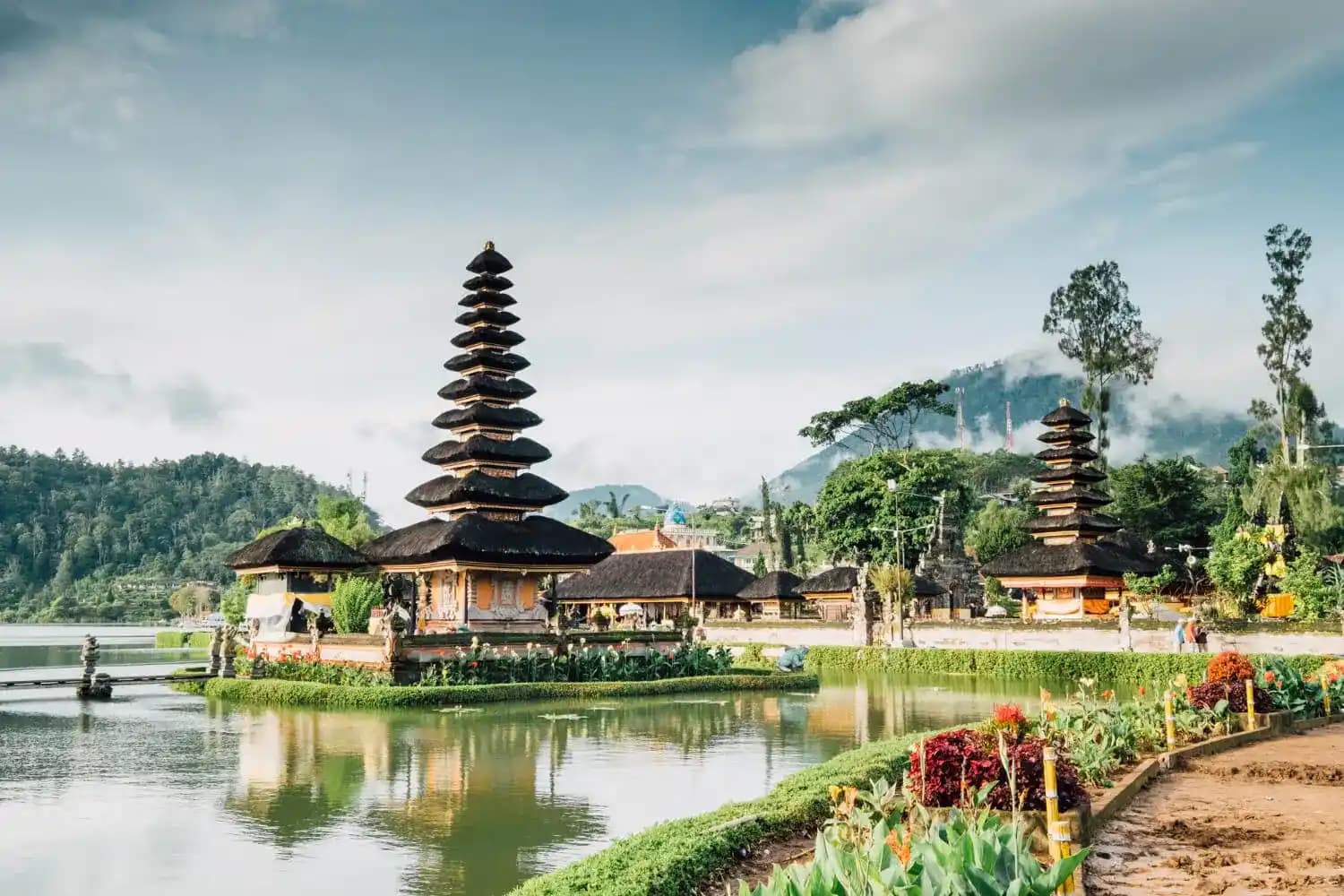

Kathmandu Travel Guide: Boudhanath, Pashupatinath & Living Heritage
Kathmandu is one of Asia's most extraordinary capitals — a 2,000-year-old Hindu-Buddhist city nestled in a fertile Himalayan valley between snow peaks. Seven UNESCO World Heritage monument zones sit within 20 km of the city centre, including the great Buddhist Boudhanath stupa, the sacred Hindu Pashupatinath cremation ghats, the ancient royal Durbar Square and the hilltop Swayambhunath "Monkey Temple". Add prayer-flag-strung tea shops, the thrum of Thamel's backpacker quarter, the freshest momos in Asia and an extraordinary handicraft scene, and Kathmandu is the perfect introduction to Nepal.
Explore Tweet World Travel Nepal Small Group Tour or contact Tweet World Travel for a tailor-made travel experience.

History & Cultural Influence
The Kathmandu Valley has been continuously inhabited for at least 2,000 years and was unified into the Malla kingdom in the 12th century. From the 14th to the 18th centuries, three rival Malla cities — Kathmandu, Patan and Bhaktapur — competed in temple-building, palace architecture and Newari craft, creating the most refined urban Newari civilisation in South Asia. The Shah dynasty unified Nepal in 1768, making Kathmandu the modern capital. Nepal remained the only South Asian country never colonised by a European power.
In 2015 a 7.8-magnitude earthquake devastated the valley, damaging or destroying around 800 historic temples. Reconstruction has been steady; almost every major monument is now reopen, though some scaffolding remains. UNESCO's seven monument zones within the Kathmandu Valley World Heritage Site protect the country's greatest treasures. Kathmandu is the arrival point for almost every Nepal tour — the perfect 3-day cultural foundation before mountain trekking, Pokhara, Chitwan or wellness retreats.
Quick facts:
Population: 1.4 million (Kathmandu Valley: 3 million)
Elevation: 1,400m — mild climate, occasional winter snow
UNESCO status: 7 monument zones within the Kathmandu Valley World Heritage Site
Languages: Nepali (official), widely spoken English in tourism, Newari, Hindi, Tibetan
Best for: first-time Nepal arrival, Hindu-Buddhist heritage, Newari craft, mountain-trek starting point
Top Attractions
Boudhanath Stupa — the world's largest Buddhist stupa (36m); circumambulate clockwise with the Tibetan-exile community at dawn or dusk.
Pashupatinath Temple — Nepal's holiest Hindu temple complex on the Bagmati River; cremation ghats and Sadhu holy men.
Swayambhunath (Monkey Temple) — a 2,000-year-old hilltop stupa; 365 steps from the valley floor.
Kathmandu Durbar Square — royal palace square with Newari pagoda temples and the Kumari (Living Goddess) house.
Thamel — the city's tourist quarter; trekking gear, cafés, jazz bars and Tibetan-craft shops.
Garden of Dreams — a 1920s Edwardian-era walled garden in central Kathmandu; perfect for an afternoon break.
Patan Durbar Square — 5 km south; the Patan Museum is one of South Asia's best museums.

Must-Try Dishes
Dal bhat — the national meal: rice, lentil soup, vegetable curry, pickles and yoghurt; eaten twice daily in most Nepali homes.
Momos — Tibetan-style steamed dumplings filled with vegetables or buffalo; the Kathmandu street-food staple.
Thukpa — Tibetan noodle soup with vegetables or yak; perfect on cold Kathmandu mornings.
Newari yomari — a sweet ricestrip dumpling with molasses-and-sesame filling; a winter festival treat.
Sel roti — crispy ring-shaped Newari rice doughnut; sold by street vendors on festival days.

Festivals & Local Celebrations
Indra Jatra — September: 8-day Newari festival with masked dances; the Kumari (Living Goddess) is paraded through Kathmandu Durbar Square.
Dashain — September/October: Nepal's biggest 15-day Hindu festival; family reunions, animal sacrifices and kite-flying.
Tihar (Diwali) — October/November: 5-day festival of lights; oil-lamp offerings and rangoli decorations.
Holi — March: Hindu festival of colours; expect to be drenched in coloured powder and water.
Losar — February: Tibetan New Year; major celebrations at Boudhanath.
What to Do
Walk the kora (circumambulation) at Boudhanath at dawn or dusk with monks and pilgrims.
Attend the evening Aarti puja at Pashupatinath (sunset on the Bagmati River).
Climb the 365 steps to Swayambhunath for panoramic Kathmandu Valley views.
Take a guided heritage walk through Kathmandu Durbar Square and the surrounding Newari neighbourhoods.
Take a Newari cooking class — Seven Women is a respected women's-empowerment cooperative.
Day-trip to Patan Durbar Square and the Patan Museum.

Shopping
Thamel — trekking gear, prayer flags, singing bowls, Tibetan thangkas.
Asan Bazaar — spice-and-cloth wholesale market in the old town.
Indrachowk — Newari brassware, glass-bead jewellery and pashmina.
Mandala Book Point & Pilgrims Book House — Nepal's best Buddhist and Hindu philosophy bookshops.
Hands of Gold by Mahaguthi — fair-trade handicrafts supporting women's cooperatives.
Weather: Best Time to Visit
October–November (Best): driest, clearest skies; ideal for both city and trekking.
March–April: second-best season; warmer, rhododendron blossom in the surrounding hills.
May–September: monsoon brings heavy rains; Himalayan views often hidden.
December–February: cold; daytime 5–18°C; occasional Kathmandu Valley smog.
Cultural Etiquette
Cover shoulders and knees at temples and monasteries.
Walk clockwise around stupas; never point feet at Buddhist images.
Hindu temples may restrict non-Hindus from the inner sanctum.
At Pashupatinath, do not photograph cremation ceremonies.
Greet locals with "Namaste" (palms together, slight bow); say "Tashi delek" to Tibetans.
Essential Travel Information
Getting around: Kathmandu is small; tuk-tuks and InDrive (Nepal's Uber) work well. Most heritage sites are within 30 minutes of Thamel.
Money: ATMs widely available. Cards work at hotels and most restaurants; cash for street stalls, taxis and temple donations.
Connectivity: Reliable 4G via Ncell or NTC. SIMs sold at the airport.
Visa: Visa-on-arrival at Tribhuvan International (USD 30 for 15 days, USD 50 for 30 days). Online application also available.
Altitude: Kathmandu sits at 1,400m; not high enough for altitude sickness. Trekking from Lukla starts at 2,800m.
Where to Stay
Luxury heritage — Dwarika's Hotel (a Newari heritage masterpiece) and Hyatt Regency Kathmandu (near Boudhanath).
Boutique — Kathmandu Guest House (Thamel institution), Yala Mandala and Park Village Hotel.
Mid-range — Hotel Manaslu, Hotel Shanker (a colonial-era palace) and Soaltee Hotel.
Best neighbourhood: Thamel for walkable backpacker buzz; Boudhanath for Buddhist atmosphere; Patan for heritage calm; Battisputali for upscale resort feel.
Explore Tweet World Travel Nepal Small Group Tour or contact Tweet World Travel for a tailor-made travel experience.
Frequently Asked Questions
Helpful answers for first-timers planning a Kathmandu stop on a Nepal tour.
How many days should I spend in Kathmandu?
Three to four nights covers the seven UNESCO monument zones, Thamel and a Newari cooking class. Add 1 day for Bhaktapur and 1 for Patan if not stopping at them separately.
Is Kathmandu safe?
Yes — Kathmandu is generally very safe. Watch for pickpockets in Thamel and at Pashupatinath; standard travel awareness applies.
When is the best time to visit Kathmandu?
October–November is the post-monsoon peak: driest, clearest, perfect for both city and trekking. March–April is second best.
Should I worry about altitude?
No — Kathmandu sits at 1,400m, no altitude risk. Only trekkers ascending above 2,500m need to acclimatise.
How long does it take to clear visa on arrival?
Usually 30–60 minutes at Tribhuvan International. Apply online before arrival to save time.
Our Best-Selling Tours
Follow Us