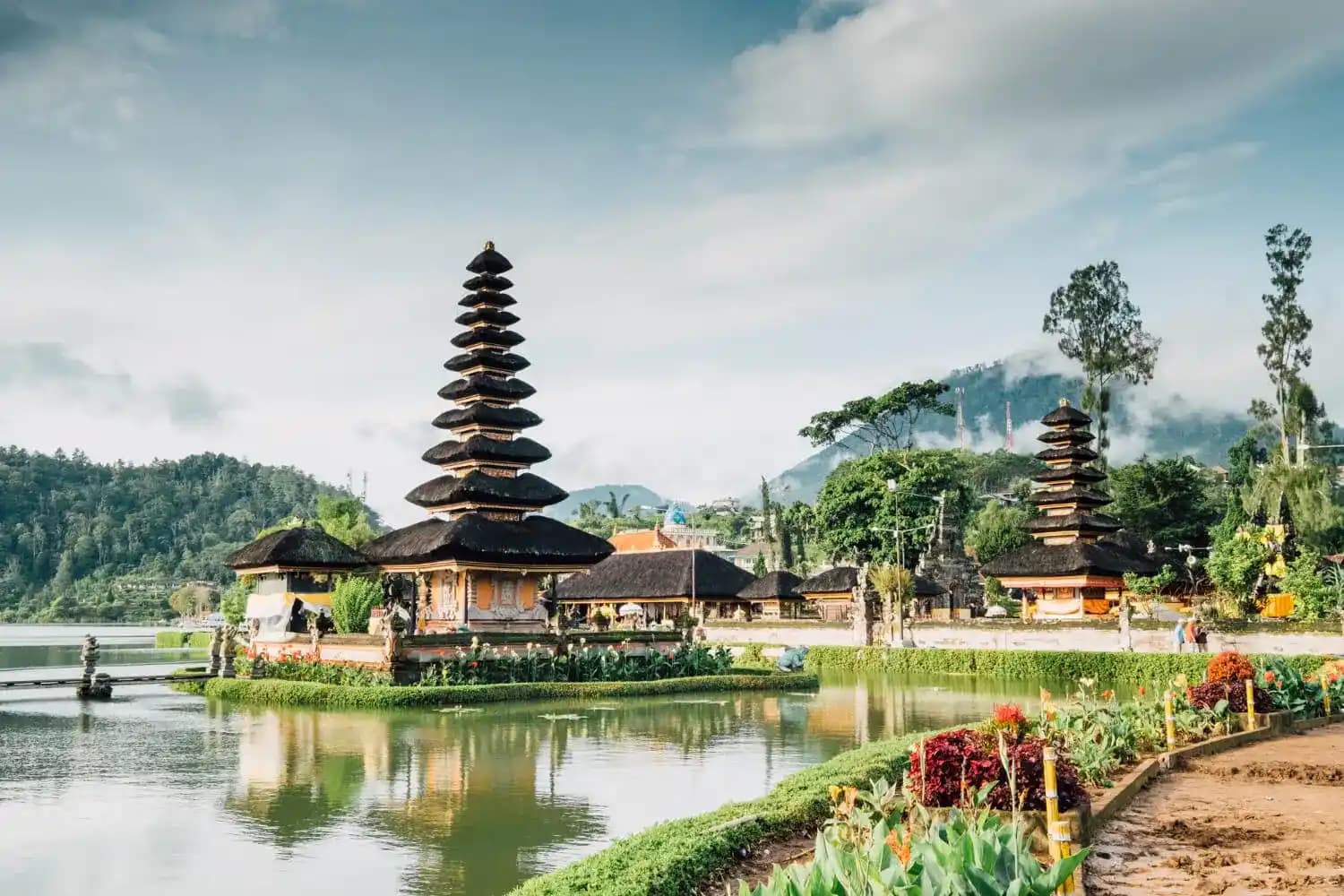

Khajuraho Travel Guide: UNESCO Temples & 1,000-Year-Old Sculptures
Khajuraho is India's most extraordinary medieval art treasure — a 1,000-year-old UNESCO World Heritage temple complex in central Madhya Pradesh famous for its astonishingly detailed sandstone sculptures, including the iconic erotic figures that have made the site internationally renowned. Of the original 85 temples built by the Chandela dynasty between 950 and 1050 CE, 22 survive in remarkable condition, decorated with over 60,000 individual figures depicting Hindu gods, daily Indian life, dance, music and human relationships. Khajuraho is one of India's most underrated heritage destinations and a key stop on the Golden Triangle with Ganges route.
Explore Tweet World Travel India Small Group Tour or contact Tweet World Travel for a tailor-made travel experience.

History & Cultural Influence
Khajuraho was the capital of the Chandela dynasty, a Rajput Hindu kingdom that flourished in central India from the 9th to 13th centuries. The Chandela kings commissioned 85 temples between 950 and 1050 CE — an extraordinary building boom in a single century. The temples were built from local sandstone with no mortar; their carvings depict the four pursuits of Hindu life: dharma (righteousness), artha (prosperity), kama (love) and moksha (liberation). The "erotic" sculptures — which famously make up around 10% of the total carvings — are part of the kama section, representing the sacred dimension of human love in Tantric philosophy.
The Chandela kingdom fell in 1202 to the Delhi Sultanate. Khajuraho was abandoned and the surrounding jungle reclaimed the temples. They were "rediscovered" in 1838 by British army engineer T.S. Burt; subsequent restoration by the Archaeological Survey of India saved the surviving 22 temples. UNESCO inscribed Khajuraho as a World Heritage Site in 1986. The temples are divided into three groups — the Western Group (the most famous), the Eastern Group (Jain temples) and the Southern Group.
Quick facts:
UNESCO status: World Heritage Site, inscribed 1986
Built: 950–1050 CE by the Chandela dynasty
Surviving temples: 22 of an original 85
Distance from Delhi: 600 km — 1 hour 15 minutes by air
Distance from Varanasi: 425 km — 35 minutes by air, 8 hours by road
Best for: Hindu and Jain medieval architecture, sculpture, art history, off-the-beaten-path heritage
Top Attractions
Kandariya Mahadeva Temple — the tallest and most magnificent of the Western Group (1030 CE); a 31m sikhara dedicated to Shiva.
Lakshmana Temple — a perfectly intact 950 CE temple with explicit kama-sutra carvings on the friezes.
Vishvanatha Temple — dedicated to Shiva; the second-largest Western Group temple.
Devi Jagadambi Temple — features some of the finest sculpture of any temple in the complex.
Chausath Yogini Temple — India's oldest yogini temple (early 9th century); pre-Chandela.
Parsvanatha Temple (Eastern Group) — the largest of the Jain temples; serene sculptures of Tirthankaras.
Khajuraho Sound & Light Show — nightly multimedia show telling the Chandela history at the Western Group.

Must-Try Dishes
Madhya Pradesh thali — a Hindu vegetarian platter of dal, rice, baati (hard wheat balls), gatta curry, churma.
Bhutte ki kees — grated corn dish, a regional specialty.
Indori poha — flattened rice with onion, peanuts, sev; the breakfast classic.
Khasta kachori — spicy lentil-stuffed pastry; sold at markets.
Sabudana khichdi — sago pearl dish; tasty vegetarian comfort food.

Festivals & Local Celebrations
Khajuraho Dance Festival — February: 7-day classical Indian dance festival held in front of the temples; performances by India's top dancers.
Holi — March: festival of colours; spectacular in the surrounding villages.
Maha Shivaratri — February/March: Hindu festival of Shiva; Kandariya Mahadeva temple fills with devotees.
Diwali — October/November: festival of lights; oil lamps line the temple plinths.
Janmashtami — August: Krishna's birthday; processions through Khajuraho village.
What to Do
Visit the Western Group at sunrise (opens 8am) for the best photography light.
Hire a knowledgeable Indian Archaeological Survey guide to interpret the carvings.
Visit the smaller, quieter Eastern Group of Jain temples — fewer tourists, equally beautiful.
Attend the Khajuraho Sound & Light Show in the evening at the Western Group.
Day-trip to Panna National Park (30 km away) for tiger safari.
Visit during the Khajuraho Dance Festival in February if possible — extraordinary cultural moment.

Shopping
ASI Khajuraho Western Group shop — art books, temple sculpture postcards, history publications.
Tribal craft market — Gond tribal paintings, brass, wood-carvings; supports local Adivasi communities.
Khajuraho main bazaar — general handicrafts, brass and silver jewellery.
State Emporium Mrignayanee — fixed-price MP state handicrafts; reliable.
Weather: Best Time to Visit
October–March (Best): cool dry; 8–28°C; clear skies perfect for sandstone photography.
April–June: extreme heat; 40–45°C; visit before 8am or after 4pm only.
July–September: monsoon; temples are atmospheric in mist but humidity is high.
February: Dance Festival; book accommodation well ahead.
Cultural Etiquette
Cover shoulders and knees at temples — applies to all visitors, regardless of subject matter.
No flash photography inside temples.
Walk clockwise around shrines.
Photograph carvings respectfully — they're sacred Hindu art, not pornography.
Tip your guide USD 5–10 per group; tip the temple shoe-watchers small change.
Essential Travel Information
Getting there: Daily Air India flights from Delhi (1h 15m), Varanasi (35 min) and Agra. Train from Jhansi (4 hours by road from Khajuraho). Most premium tours fly in.
Entry fees: Western Group ASI ticket INR 600 for foreigners; Eastern and Southern Groups free.
Money: ATMs in Khajuraho village. Cards work at major hotels.
Connectivity: Reliable 4G.
Tigers: Panna National Park is 30 km north; offers tiger safaris (October–June).
Where to Stay
Luxury — The Lalit Temple View Khajuraho (with direct Kandariya Mahadeva views), Taj Chandela Khajuraho, Radisson Jass.
Boutique — Ken River Lodge (eco-lodge near Panna National Park), Syna Heritage Hotel.
Mid-range — Ramada Khajuraho, Hotel Chandela, Hotel Surya.
Best base: The Lalit Temple View for direct temple-facing views; Ken River Lodge for combining temples with safari.
Explore Tweet World Travel India Small Group Tour or contact Tweet World Travel for a tailor-made travel experience.
Frequently Asked Questions
Helpful answers for travellers planning a Khajuraho stop on a Golden Triangle with Ganges route.
How many days should I spend in Khajuraho?
One to two nights — one full day for the Western Group, half a day for Eastern and Southern Groups. An overnight at Ken River Lodge adds Panna tiger safari (1–2 nights).
Are Khajuraho temples really erotic?
About 10% of the sculptures depict love and human relationships — a small minority of the total. The remaining 90% depict gods, dancers, musicians, soldiers and daily life. The "erotic" reputation overshadows what is one of India's greatest medieval art collections.
Khajuraho or Ajanta-Ellora?
Both are world-class. Khajuraho is Hindu/Jain sandstone temples (medieval). Ajanta-Ellora is Buddhist/Hindu/Jain rock-cut cave temples (much older). Most premium tours include both at different points.
When is the best time to visit Khajuraho?
October to March for cool, dry weather. February for the Dance Festival. Avoid April–June (extreme heat).
Can I combine Khajuraho with the Golden Triangle?
Yes — Khajuraho is on the popular Delhi–Agra–Jaipur–Khajuraho–Varanasi extended-triangle route (the Golden Triangle with Khajuraho & Ganges tour).
Our Best-Selling Tours
Follow Us