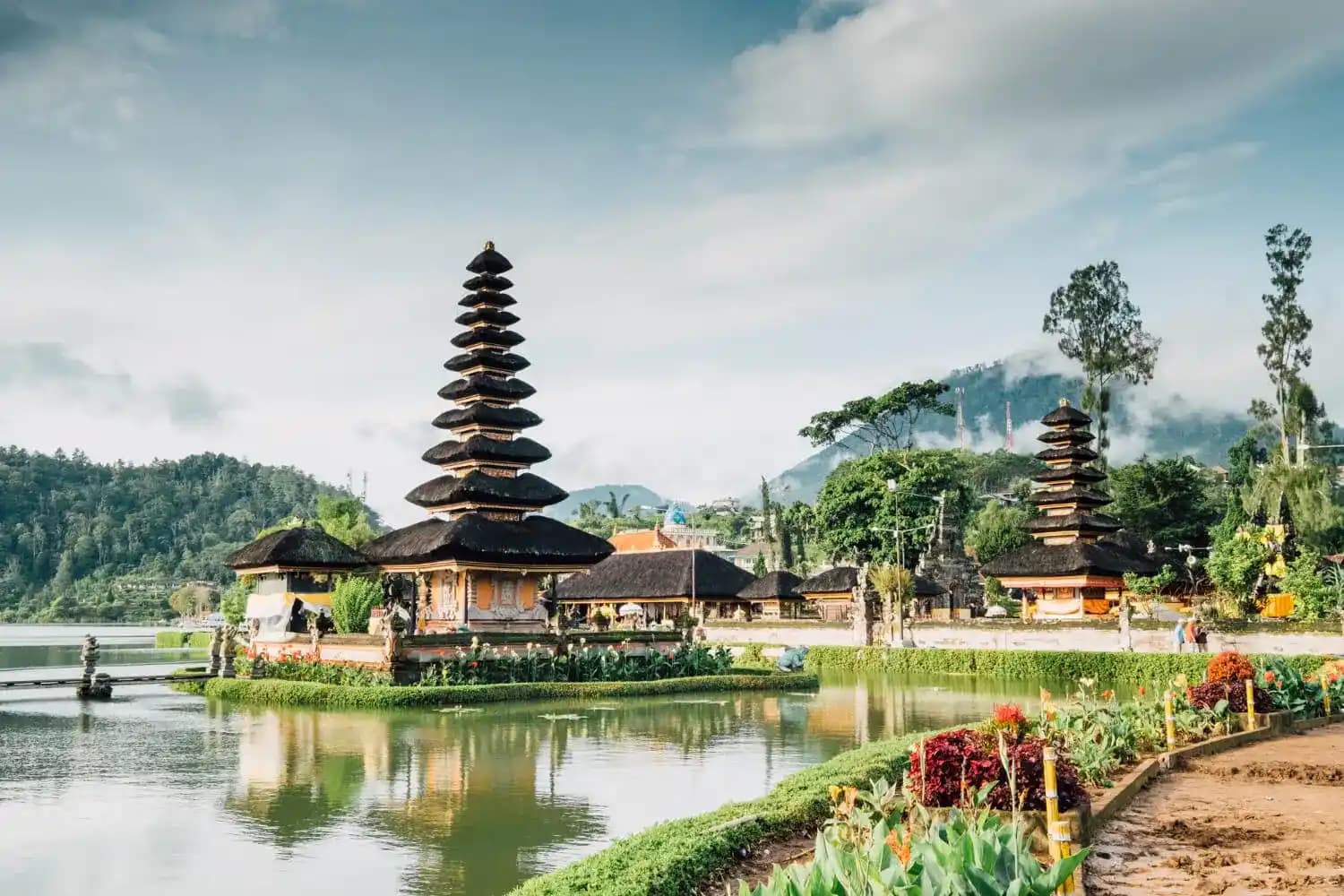

Kiso Valley Travel Guide: Magome, Tsumago & the Nakasendo Trail
The Kiso Valley is a 60-kilometre time capsule along the historic Nakasendo highway — the inland route that once connected Edo Tokyo to Kyoto. Eleven post towns survived in the steep cedar-clad valleys of Nagano Prefecture, and the perfectly preserved villages of Magome and Tsumago, linked by a beautiful 8km walking trail, give travellers the closest experience to genuine Edo-period Japan you can have today.
Explore Tweet World Travel Japan Small Group Tour or contact Tweet World Travel for a tailor-made travel experience.

History & Cultural Influence
The Kiso Valley flourished as the central stretch of the Nakasendo — the 534km Edo-period highway connecting Edo (Tokyo) to Kyoto. Established under the Tokugawa shogunate in 1602, the valley’s 11 post towns (juku) served daimyo, pilgrims and merchants for two centuries. Today Magome, Tsumago and Narai have been preserved with strict heritage covenants — no overhead power lines, no vending machines, no modern signage.
Region: Kiso District, Nagano Prefecture, Chubu
Length: the Nakasendo Kiso section is approximately 60 km
Post towns: 11 historic juku including Magome, Tsumago, Narai, Kiso-Fukushima
Famous for: Magome–Tsumago walking trail, Edo-era streetscapes, sansai mountain cuisine, hinoki cypress crafts
Top Attractions in the Kiso Valley
Tsumago-juku — the most pristine of the post towns; declared a National Important Preservation District in 1976.
Magome-juku — the photogenic hillside post town with cobbled streets and waterwheels.
Magome–Tsumago Walking Trail — the 8km forest-and-village walk that defines the entire Kiso experience.
Narai-juku — the northernmost preserved post town and once the wealthiest in Kiso.
Kiso-Fukushima — the valley’s commercial centre; historic checkpoint Sekisho preserved.
Ono Falls — sacred 30m waterfall along Daiun-ji Temple trail near Kiso-Fukushima.
Mt Ontake — Japan’s second-tallest volcano; pilgrimage hikes start from the Kiso Valley.

Must-Try Dishes in the Kiso Valley
Gohei-mochi — chunky rice cake pressed onto a wooden skewer and grilled with sweet walnut-miso glaze. The valley’s signature snack.
Sansai Ryori — wild mountain vegetables (warabi, fuki, zenmai) prepared as tempura, simmered or pickled.
Shinshu Soba — Kiso’s clear streams produce some of Japan’s purest buckwheat noodles.
Iwana Salt-Grilled Trout — mountain river char skewered whole and roasted over an irori hearth.
Hoba miso — sweet miso paste grilled on a dried magnolia leaf with mushrooms.
Sunki Pickles — unique salt-free fermented turnip greens found only in the Kiso region.

Festivals & Local Celebrations
Tsumago Fumi-no-hi (Aug 23) — “Letter-writing festival” evoking Edo-era post messenger traditions.
Magome Tomyo Festival (late July) — lantern-lit evening procession along the cobbled high street.
Narai Sakura Light-Up (April) — Narai-juku illuminated under cherry blossoms each spring.
Kiso Odori Dance (August) — Bon-odori folk dance in Kiso-Fukushima during Obon week.
What to Do in the Kiso Valley
Walk Magome to Tsumago — the iconic 8km Nakasendo trail through cedar forest, waterfalls and bear bells; downhill direction recommended.
Send your luggage ahead — Magome and Tsumago tourist offices offer ¥1,000 same-day luggage transfer.
Stay in a minshuku — sleep on futons inside a 200-year-old Edo merchant inn with multi-course dinner.
Snack on gohei-mochi from a Tsumago roadside teahouse mid-walk.
Visit a hinoki workshop — Kiso cypress is so prized it once required Tokugawa permission to harvest.
Ride a rickshaw through Narai-juku for an immersive Edo-period feel.

Shopping in the Kiso Valley
Magome cobblestone shops — sansai pickles, miso paste, gohei-mochi to take home.
Tsumago craft shops — hinoki cypress chopsticks, lacquer trays, handmade baskets.
Narai woodcraft district — the historic centre of Kiso lacquerware production.
Specialties to bring home — Kiso hinoki cypress chopsticks and bento boxes, sunki pickle jars, sansai dried herbs, walnut miso.
Weather: Best Time to Visit Kiso Valley
Spring (Apr–May) — cherry blossoms in Narai; bright fresh foliage on the Nakasendo trail.
Summer (Jun–Aug) — cool 18–26°C among the cedar canopy; fewer crowds in late August.
Autumn (Oct–Nov) — fiery momiji maples along the trail and post towns; the photographer’s favourite season.
Winter (Dec–Feb) — snow-blanketed villages are atmospheric but the trail is icy and many inns close.
Cultural Etiquette
Quiet on the trail — these are still working villages; locals live behind the wooden facades.
Ring bear bells on the Magome–Tsumago trail; rentals are free at trailheads.
Stay on the path — heritage covenants forbid wandering into private gardens or backstreets.
No drones or loud groups in heritage post towns.
Carry yen — most teahouses, minshuku and souvenir shops are cash-only.
Essential Travel Information
Getting there: the JR Chuo Line Limited Express Shinano from Nagoya or Nagano serves Nakatsugawa (for Magome) and Nagiso (for Tsumago). The JR Pass covers both. From Tokyo, route via Nagoya or via Shiojiri.
Getting around: local buses connect train stations to the post towns (Magome 25 min from Nakatsugawa; Tsumago 8 min from Nagiso). Many travellers walk one-way and bus the return.
Money: cash only at most teahouses and minshuku. Bring ¥20,000+ in mixed notes. ATMs are limited — withdraw before arrival.
Where to Stay in the Kiso Valley
Tsumago minshuku — 200-year-old Edo merchant inns with futon bedding and multi-course dinner.
Magome inns — fewer rooms, all on the cobbled high street; book months ahead.
Narai-juku — quieter than Tsumago with original Edo-style ryokans.
Recommended properties — Magome Daikichi, Fujioto (Tsumago), Iseya (Magome), Iseyu Ryokan (Narai).
Explore Tweet World Travel Japan Small Group Tour or contact Tweet World Travel for a tailor-made travel experience.
Frequently Asked Questions
Common questions from travellers planning a Kiso Valley visit:
Is the Magome–Tsumago walk hard?
No — the 8km walking trail is gently undulating with one moderate climb to Magome-toge pass. Most travellers finish in 3 hours. The Magome → Tsumago direction is recommended as it’s mostly downhill.
How many days do you need in the Kiso Valley?
One night between Magome and Tsumago is essential — daytrips don’t capture the magic of an empty post town at dusk. Two nights lets you also visit Narai-juku and Kiso-Fukushima.
How do I get to the Kiso Valley?
The JR Chuo Line from Nagoya to Nakatsugawa (50 min) for Magome, or Nagiso (1h10m) for Tsumago. Then 25-min and 8-min bus rides into each village. JR Pass covers all train travel.
What is the Kiso Valley famous for?
The Kiso Valley is famous for its perfectly preserved Edo-era Nakasendo post towns of Magome and Tsumago, the historic walking trail between them, and crystal-clear mountain rivers that produce premium soba, sake and hinoki cypress.
When is the best time to visit the Kiso Valley?
Mid-October to early November for vivid maple foliage along the Nakasendo trail; late April for cherry blossoms in Narai-juku. Avoid winter unless you’re experienced with snow trails.
Our Best-Selling Tours
Follow Us