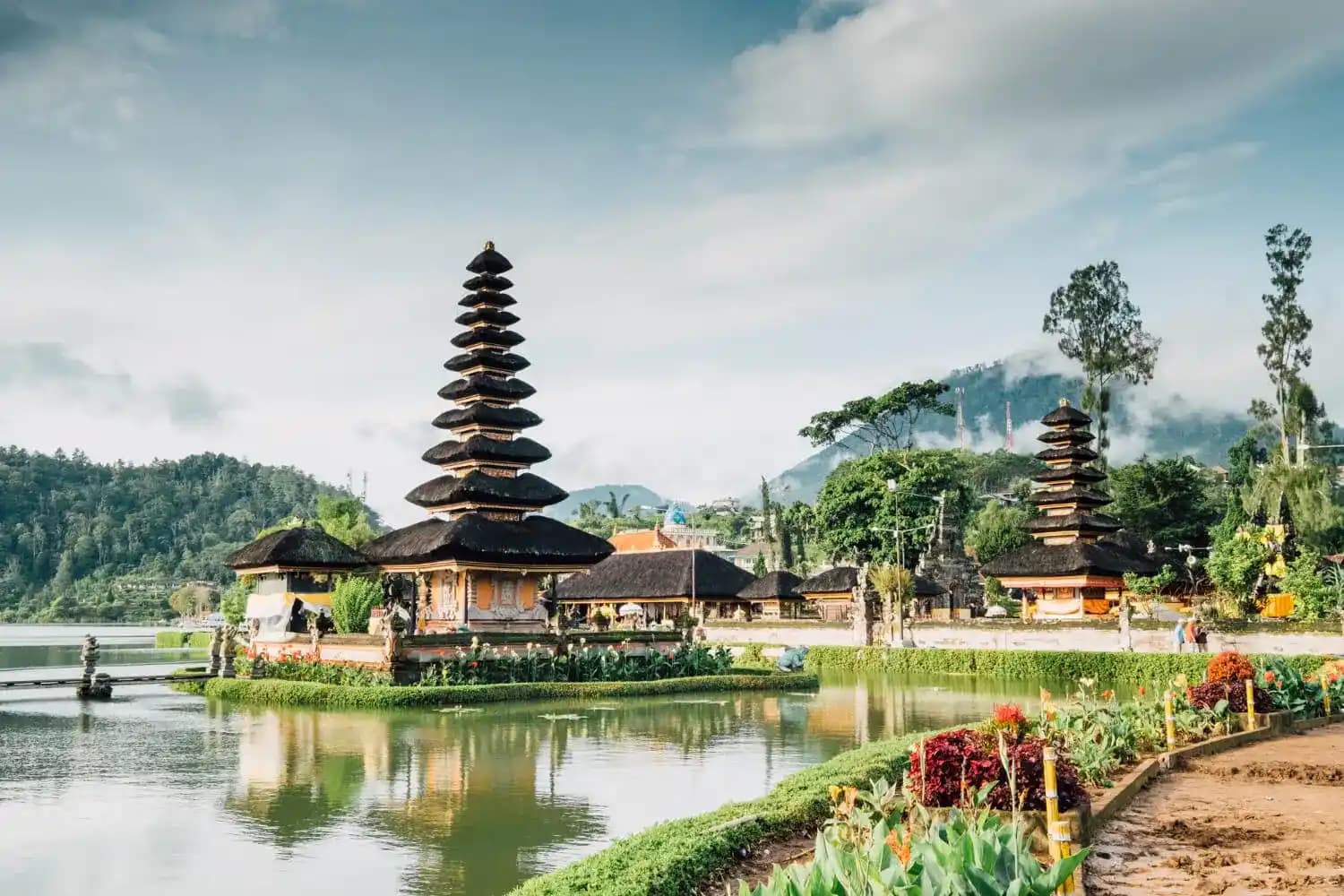

Lampang Travel Guide: Lanna Teak Temples, Horse Carriages & Elephant Conservation
Lampang is northern Thailand's quietest cultural gem — a 1,300-year-old Lanna city built around the Wang River, famous for horse-drawn carriages (still the city's tourist transport), gilded teak monasteries and a more authentic, less touristed atmosphere than its bigger neighbours Chiang Mai and Chiang Rai. Home to Wat Phra That Lampang Luang (often called Thailand's most beautiful temple) and the Thai Elephant Conservation Centre, Lampang is the unmissable heritage detour on northern Thailand tours.
Explore Tweet World Travel Thailand Small Group Tour or contact Tweet World Travel for a tailor-made travel experience.

History & Cultural Influence
Lampang (originally Kelang Nakhon) was founded in 680 CE — one of northern Thailand's oldest cities, predating Chiang Mai by 600 years. The city has been ruled successively by Mon, Burmese, Lanna and Thai kingdoms; British teak merchants ran the timber trade here in the 19th century, leaving a fingerprint of European-style buildings, the famous Burmese-style monasteries and the country's only remaining city of horse-drawn carriages.
Lampang has been Thailand's "City of Elephants" since the days of the working-elephant timber industry — when teak logging was banned in 1989, hundreds of working elephants needed sanctuary. The Thai Elephant Conservation Centre (a Royal Project at Hang Chat) became the country's leading rehabilitation, breeding and mahout-training centre. Today it is one of the most ethical elephant experiences in Thailand.
Quick facts:
Founded: 680 CE — one of northern Thailand's oldest cities
Population: around 60,000
Distance from Chiang Mai: 100 km — 1.5 hours by road or train
Distance from Sukhothai: 300 km — 4 hours by road
Best for: Lanna heritage, teak temples, ethical elephant programmes, ceramics, low-key authentic northern Thailand
Top Attractions
Wat Phra That Lampang Luang — 20 km south; one of Thailand's most beautiful temples — a 13th-century fortified monastery with gilded Lanna chedi and prayer hall featuring a famous Buddha image cast in 1486.
Wat Phra Kaew Don Tao — a 15th-century monastery that once housed the Emerald Buddha (now in Bangkok's Wat Phra Kaew); the Burmese-style chedi survives.
Thai Elephant Conservation Centre — the Royal Project rehabilitation centre at Hang Chat; mahout training programmes and an excellent elephant hospital.
Lampang horse-drawn carriages — the city's signature transport; a 1-hour heritage circuit visits the riverside Burmese-Lanna temples.
Wat Si Chum — a 19th-century Burmese-style monastery with rare carved-wood gables.
Kad Kong Ta Walking Street — Saturday-night heritage market in the British-colonial Chinatown quarter.
Doi Khun Tan National Park — 30 minutes north; the country's longest railway tunnel (1,352m) and pine-forest hiking.

Must-Try Dishes
Khao soi gai — Northern Thai chicken curry-noodle soup.
Sai oua — spicy Lanna pork sausage with lemongrass and kaffir lime.
Khanom jeen nam ngiao — rice noodles in a pork-rib tomato broth — Lampang's breakfast classic.
Nam prik num — roasted green chilli dip with sticky rice.
Khao gan jin — Lampang's signature blood-rice dish steamed in banana leaf — adventurous and authentic.

Festivals & Local Celebrations
Salung Luang Festival — April: Lampang's Songkran festival; one of the most authentic in northern Thailand.
Loy Krathong & Yi Peng — November: lantern releases and floating offerings on the Wang River.
Lanna Ancient Heritage Festival — December: Lampang heritage parade through the old town.
Lampang Ceramic Festival — December: celebrates the city's 700-year-old ceramic-kiln tradition.
Thai Elephant Festival — March: celebrates Thailand's National Elephant Day at the conservation centre.
What to Do
Visit Wat Phra That Lampang Luang at sunrise — the morning light on the gold chedi is exceptional.
Take a horse-drawn carriage circuit of Lampang's riverside Burmese-Lanna temples.
Tour the Thai Elephant Conservation Centre and watch the daily elephant orchestra and bathing.
Walk the Saturday-night Kad Kong Ta heritage market through colonial Chinatown.
Cycle to the ceramic-kiln villages of Pa Pong and Ban Pa Sang.
Day-trip to Wat Chaloem Phra Kiat — a hilltop chedi reached by a steep walk with extraordinary views.

Shopping
Lampang ceramic kilns — 700-year-old chicken-bowl ceramics; the famous rooster bowls (chuan kai) are a Lampang invention.
Kad Kong Ta Walking Street — antique Lanna brassware, hand-woven cottons and Burmese imports.
Royal Project shop, Conservation Centre — elephant-themed souvenirs; proceeds support the centre.
Doi Tung outlet (a Royal Project) — coffee, macadamias and Lanna-style handwoven textiles.
Weather: Best Time to Visit
November–February (Best): cool, dry season; perfect for sightseeing.
March–May: hot season; March/April have agricultural-burning air pollution.
June–October: rainy season; lush and green.
Daily temperatures: 18–32°C year-round; cooler than Bangkok.
Cultural Etiquette
Cover shoulders and knees at temples; remove shoes and hats.
No flash photography near painted Lanna murals.
Never disrespect the Thai royal family.
At the Elephant Conservation Centre, do not feed or photograph elephants without staff guidance.
Walk clockwise around stupas.
Essential Travel Information
Getting there: Lampang is on the Bangkok–Chiang Mai railway line; the overnight train stops here. Bangkok Airways flies direct from Bangkok. By road, Lampang is 1.5 hours from Chiang Mai.
Money: ATMs are in the old town and along Wang River Road.
Connectivity: Reliable 4G in the city.
Horse carriage hire: Around 200–300 THB for a 30-minute heritage loop; longer 1-hour circuits 400–500 THB.
Air quality: February–April burning season can be poor; check AQI before booking.
Where to Stay
Boutique heritage — Riverside Guest House (a 1920s teak house), Wienglakor Hotel Lampang.
Mid-range — Lampang River Lodge, Riverside Boutique Hotel and Tip Inn.
Conservation Centre stays — mahout-training homestays at the Thai Elephant Conservation Centre.
Where to base yourself: central Lampang for horse-carriage access; most travellers visit as an overnight stop on the road between Sukhothai and Chiang Mai.
Explore Tweet World Travel Thailand Small Group Tour or contact Tweet World Travel for a tailor-made travel experience.
Frequently Asked Questions
Helpful answers for travellers including Lampang on a Thailand itinerary.
Is Lampang worth visiting?
Yes — Lampang offers the most authentic Lanna heritage experience in northern Thailand. Wat Phra That Lampang Luang alone is one of Thailand's most beautiful temples.
How long should I spend in Lampang?
One or two nights is ideal — a half-day for the temple-and-elephant circuit, a half-day for the horse-carriage tour and a half-day for the Saturday-night market.
Should I visit the Elephant Conservation Centre?
Yes, if you want to support ethical elephant welfare. This is a Royal Project rehabilitation centre, not a tourist-ride camp.
Can I combine Lampang with Sukhothai and Chiang Mai?
Yes — the typical Thailand Heritage Discovery route is Bangkok → Ayutthaya → Sukhothai → Lampang → Chiang Mai. Lampang sits halfway between Sukhothai and Chiang Mai.
When is the best time to visit Lampang?
November to February is cool, dry and best. Avoid March–April due to air pollution.
Our Best-Selling Tours
Follow Us