
Lumbini Travel Guide: The Birthplace of the Buddha & Sacred Monastic Zone
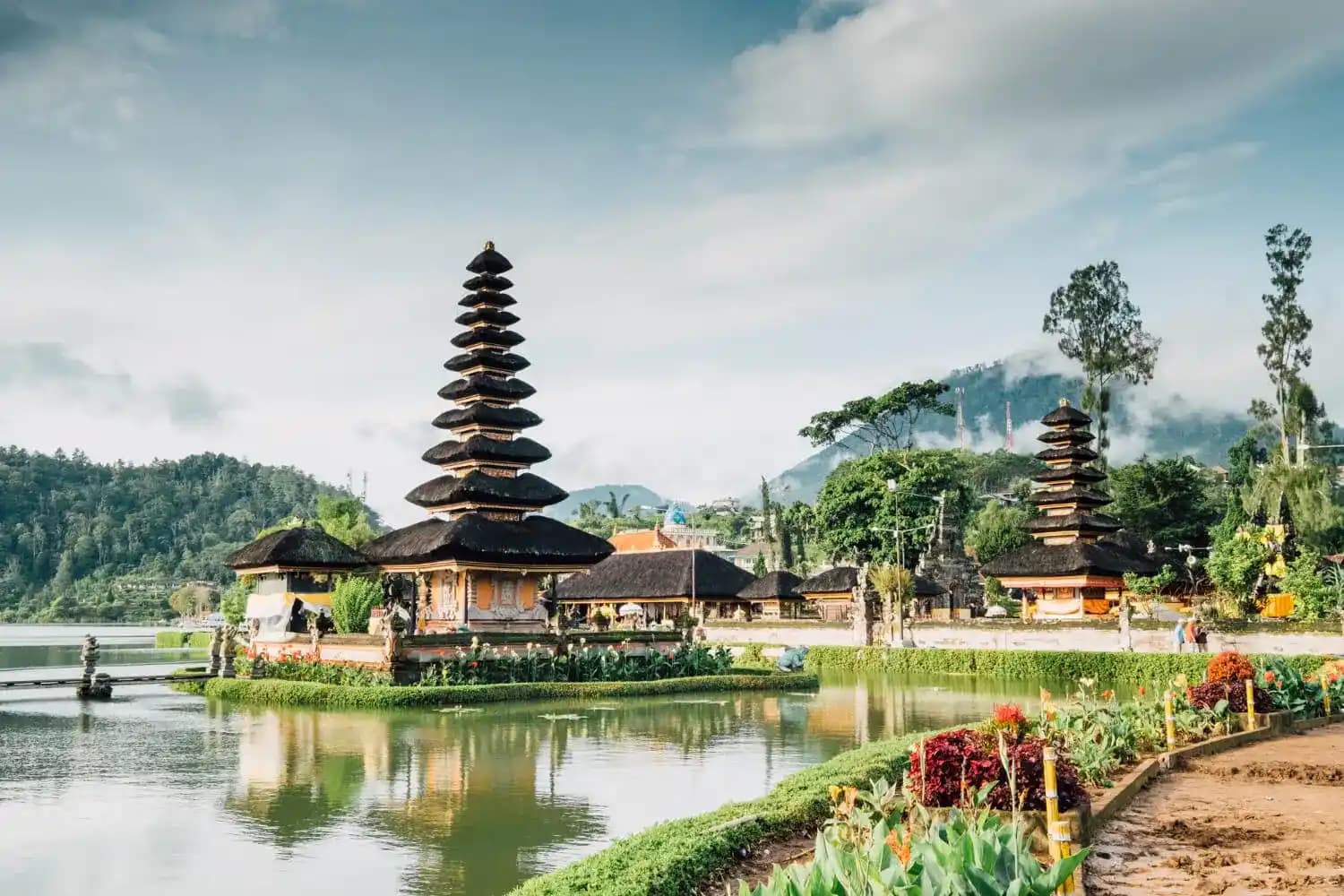
Lumbini is the birthplace of Siddhartha Gautama, the Buddha — and one of the four most sacred sites in Buddhism. A UNESCO World Heritage Site in Nepal's southern Terai, the Lumbini Sacred Garden marks the exact spot where Queen Maya Devi gave birth in 563 BCE. Today the surrounding 3 km × 1.5 km monastic zone houses dozens of contemporary monasteries built by Buddhist countries around the world — from Thailand and Myanmar to Sri Lanka, Japan, Korea, Vietnam and the Maldives — each a stunning architectural ambassador. For Buddhist pilgrims and culture travellers alike, Lumbini is unforgettable.
Explore Tweet World Travel Nepal Small Group Tour or contact Tweet World Travel for a tailor-made travel experience.

History & Cultural Influence
Siddhartha Gautama was born in 563 BCE to the Shakya royal family. Queen Maya Devi gave birth in a Lumbini grove while travelling to her parents' home; the prince walked seven steps and proclaimed his future enlightenment. He left palace life at 29, attained enlightenment at Bodh Gaya (India), preached his first sermon at Sarnath (India) and died at Kushinagar (India). Lumbini was venerated through Emperor Ashoka's pillar (249 BCE) and successive Buddhist kingdoms, but the site was effectively lost in the 14th century and rediscovered in 1896 by German archaeologist Alois Anton Führer who identified the original Ashokan pillar.
In 1978 the Japanese architect Kenzo Tange master-planned the 8 km² Lumbini Development Zone with three sections: the Sacred Garden (the birth spot itself), the Monastic Zone (50+ international monasteries) and the New Lumbini Village. UNESCO inscribed the Sacred Garden in 1997. The 2025 international airport at Bhairahawa (20 km away) finally connected Lumbini directly to global pilgrim routes.
Quick facts:
UNESCO status: World Heritage Site, inscribed 1997
Location: Rupandehi District, southern Nepal Terai (Indian border 10 km south)
Distance from Kathmandu: 300 km — 35 minutes by air to Bhairahawa, 8 hours by road
Distance from Pokhara: 180 km — 5 hours by road
Best for: Buddhist pilgrimage, meditation, monastic architecture, sacred history
Top Attractions
Maya Devi Temple — the exact birthplace of the Buddha; protected inside a modern white temple. The "marker stone" identifies the spot.
Ashokan Pillar — erected by Emperor Ashoka in 249 BCE; the inscription confirms this as the Buddha's birthplace.
Sacred Garden & Puskarini Pond — the bathing pool where Queen Maya bathed before giving birth.
Bodhi Tree & Eternal Peace Flame — a descendant of the original Bodhi tree from Bodh Gaya.
Monastic Zone West — the Mahayana (Northern) Buddhist monasteries; Chinese, Japanese, Korean, German, French.
Monastic Zone East — the Theravada (Southern) Buddhist monasteries; Sri Lankan, Thai, Myanmar, Cambodian.
World Peace Pagoda — a Japanese white-domed peace stupa at the north end of the development zone.
Kapilavastu (Tilaurakot) — 27 km west; the ruins of Prince Siddhartha's childhood palace.

Must-Try Dishes
Monastic vegetarian thali — dal, rice, vegetable curries, pickles; the spiritually pure pilgrim meal at the monasteries.
Newari momos — steamed dumplings; widely served at Lumbini cafés.
Indian vegetarian thali — the Indian border 10 km south means many restaurants serve North Indian cuisine.
Sweet lassi — yoghurt drink, refreshing in Lumbini's heat.
Tibetan butter tea & yak cheese — served at the Tibetan, Bhutanese and Mongolian monasteries.
Festivals & Local Celebrations
Buddha Jayanti — May (full moon): the Buddha's birthday — Lumbini's biggest event of the year; thousands of monks and pilgrims gather.
Vesak — May: closely aligned with Buddha Jayanti; processions and offerings.
Magh Purnima — January/February: mass pilgrimage and monastery feasts.
Loy Krathong (Thai monastery) — November: lotus-shaped offerings floated on the monastery pond.
Losar (Tibetan monasteries) — February: Tibetan New Year; cham masked dances.
What to Do
Visit the Maya Devi Temple at dawn for a quiet, prayerful experience.
Walk or cycle the 4 km Monastic Zone circuit; the Thai monastery, Korean Dae Sung Sa and German Tara Foundation are highlights.
Meditate at the World Peace Pagoda at sunrise.
Take a guided heritage tour of the Sacred Garden with a local monk.
Day-trip to Kapilavastu (Tilaurakot) for the Buddha's childhood palace ruins.
Stay overnight at a monastic guesthouse for an authentic pilgrim experience.

Shopping
Monastic boutiques — Tibetan prayer beads, brass Buddhas, prayer flags.
Lumbini craft villages — Maithili-style paintings, woven textiles.
Bhairahawa bazaar — Tharu cotton sarongs, brass and copperware.
Monastery libraries — Buddhist texts, sutras, dharma books.

Weather: Best Time to Visit
October–March (Best): cool, dry season; pleasant Terai weather.
April–May: hot pre-monsoon; intense afternoons. Buddha Jayanti falls in May despite the heat.
June–September: monsoon brings heavy rain; the Sacred Garden floods occasionally.
Daily temperatures: 10–40°C across the year; January mornings can be cold and foggy.
Cultural Etiquette
Cover shoulders and knees at the Sacred Garden and monasteries.
Remove shoes before entering the Maya Devi Temple and any monastery.
Walk clockwise around stupas; never point feet at images.
No photography inside the Maya Devi Temple inner sanctum.
Maintain silence in meditation areas; switch phones to silent.
Essential Travel Information
Getting there: Buddha Air and Yeti fly Kathmandu to Bhairahawa (35 minutes); Lumbini is 20 km from the airport. Drive from Pokhara takes 5 hours; from Kathmandu 8 hours.
Entry fee: Sacred Garden entry around USD 5 for foreigners. Most monasteries are free.
Money: ATMs in Bhairahawa and Lumbini main bazaar.
Connectivity: Reliable 4G; some monasteries offer Wi-Fi.
Visa: Visa on arrival at Tribhuvan International (Kathmandu) and Gautam Buddha International (Bhairahawa).
Where to Stay
Luxury — Buddha Maya Garden Hotel and Hotel Lumbini Garden (just outside the Sacred Garden).
Monastic stays — most international monasteries offer simple pilgrim guesthouse accommodation; book ahead.
Boutique — Tilaurakot Resort and Hotel Pawan Palace.
Mid-range — Hotel Lumbini Lighter, Lumbini Hokke Hotel (Japanese-style).
Best base: stay close to the Sacred Garden for dawn temple visits and easy Monastic Zone access.
Explore Tweet World Travel Nepal Small Group Tour or contact Tweet World Travel for a tailor-made travel experience.
Frequently Asked Questions
Helpful answers for travellers planning a Lumbini pilgrimage on a Nepal tour.
How many days should I spend at Lumbini?
Two nights is ideal — one full day for the Sacred Garden and the eastern Theravada monasteries; one for the western Mahayana monasteries, World Peace Pagoda and Kapilavastu.
Is Lumbini only for Buddhists?
No — Lumbini welcomes all travellers. The monastic-zone architecture alone is one of the most extraordinary heritage walks in South Asia.
When is the best time to visit Lumbini?
October–March is cool and pleasant. The Terai is hot in April–May and wet in June–September.
Can I combine Lumbini with Chitwan?
Yes — they're both in the Terai. Drive Chitwan to Lumbini takes 4 hours; flying via Bharatpur–Bhairahawa is faster.
Are the international monasteries free to visit?
Yes — almost all monasteries welcome respectful visitors free of charge. Donations are appreciated.
Our Best-Selling Tours
Follow Us