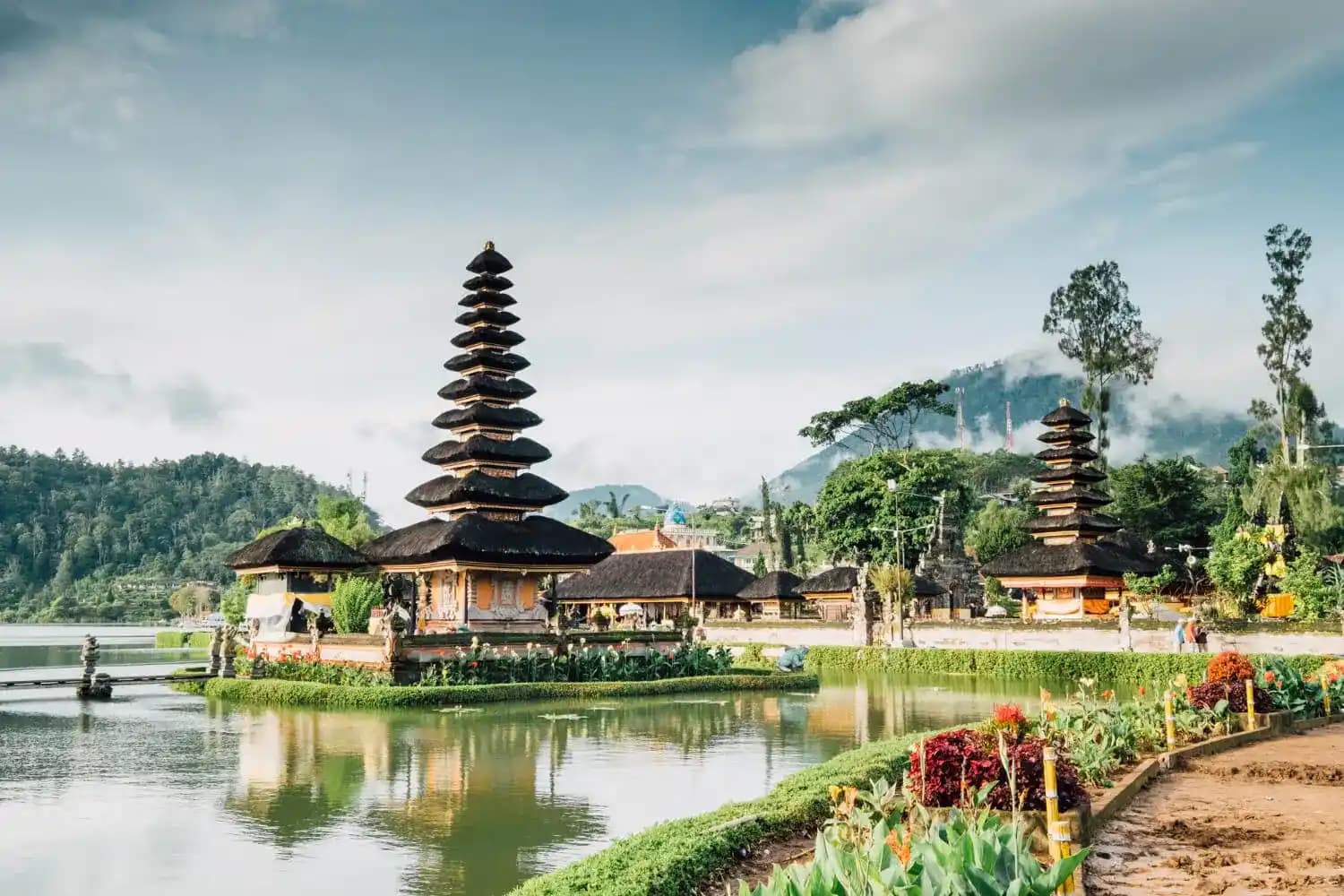

Muscat Travel Guide: Sultan Qaboos Grand Mosque, Mutrah Souq & Oman Heritage
Muscat is one of the Arabian Peninsula's most uniquely beautiful capitals — a string of low-rise white-and-cream Arabic neighbourhoods wrapped between dramatic jagged mountains and the Gulf of Oman. Unlike its glittering Gulf neighbours (Dubai, Doha, Abu Dhabi), Muscat has deliberately kept itself low-rise, traditional and dignified. The colossal Sultan Qaboos Grand Mosque, the bustling 200-year-old Mutrah Souq, the 16th-century Portuguese forts of Mirani and Jalali, and the spectacular Royal Opera House make Muscat the perfect introduction to Arabia's most welcoming country.
Explore Tweet World Travel Oman Small Group Tour or contact Tweet World Travel for a tailor-made travel experience.

History & Cultural Influence
Muscat has been a major Arabian port for at least 2,000 years — Phoenician, Persian, Portuguese, Omani and finally British powers all coveted its strategic harbour. The Portuguese took Muscat in 1507 and built the imposing Mirani and Jalali forts that still guard the harbour. The Omanis liberated themselves from Portuguese rule in 1650 and built an empire stretching from Zanzibar to Pakistan; by the 19th century Oman was East Africa's biggest power. The 20th century brought British protectorate status and isolation until 1970, when Sultan Qaboos bin Said launched Oman's rapid modernisation.
Modern Muscat is the work of the late Sultan Qaboos (reigned 1970–2020), who insisted on traditional Omani architecture, low-rise buildings, no neon signs and broad tree-lined boulevards. The Sultan Qaboos Grand Mosque (opened 2001) is one of the world's largest mosques — its 70 × 60m main prayer hall holds 6,500 worshippers and features the world's second-largest hand-woven Persian carpet (4,343 m² woven by 600 weavers over 4 years). Today Muscat retains its uniquely calm atmosphere — a 1.5-million population spread across 50 km of coastline, defined by mountains, white-painted homes and the welcoming Omani approach to visitors.
Quick facts:
Population: 1.5 million (Muscat Governorate)
Distance from Dubai: 500 km — 1 hour by air
Languages: Arabic (official), widely spoken English in tourism
Currency: Omani Rial (OMR) — 1 OMR ≈ USD 2.60 (one of the world's strongest)
Best for: first-time Oman arrival, mosques, traditional souqs, Portuguese forts, opera, mountain-and-sea scenery
Best season: October–April (cool dry)
Top Attractions
Sultan Qaboos Grand Mosque — one of the world's largest mosques; open to non-Muslims 8–11am Sat–Thu. Dress modestly (women must cover hair).
Mutrah Souq — 200-year-old traditional Omani market; Omani frankincense, silver khanjars (curved daggers), pashmina, dried dates.
Royal Opera House Muscat — the Middle East's premier opera venue; the architecture alone is worth a tour.
Al Alam Palace (Sultan's Palace) — the ceremonial palace flanked by the Mirani and Jalali forts; photograph the exterior.
Mutrah Corniche — 3 km waterfront promenade; sunset is the city's favourite walking moment.
Bait Al Zubair Museum — the country's best private museum; Omani heritage, jewellery, weapons and traditional dress.
Qurum Beach — family-friendly city beach with luxury hotels (Crowne Plaza, Grand Hyatt).

Must-Try Dishes
Shuwa — lamb wrapped in banana leaves and slow-cooked in an underground sand-pit oven for 24–48 hours; the Omani celebration meal.
Majboos — spiced rice with chicken, lamb or fish; the Omani daily staple.
Halwa — Omani caramel-rosewater-saffron jelly dessert; served with cardamom-spiced kahwa coffee.
Kahwa — Omani coffee infused with cardamom and saffron; served with dates as the welcome ritual.
Mashuai — whole grilled kingfish served with rice and lemon; the coastal classic.

Festivals & Local Celebrations
Muscat Festival — January/February: month-long cultural festival with food, music, traditional crafts and parades.
Eid al-Fitr & Eid al-Adha — varies: major Muslim celebrations; family gatherings throughout the city.
Oman National Day — 18 November: celebrates the Sultanate; fireworks and parades.
Salalah Tourism Festival — July/August: though held in Salalah, many spillover events happen in Muscat.
Ramadan — varies: evening iftar feasts at hotels; respectful daylight fasting throughout the city.
What to Do
Visit the Sultan Qaboos Grand Mosque at 8am opening (Sat–Thu, closed Friday morning).
Walk Mutrah Souq at sunset; bargain for frankincense and Omani silver.
Stroll the Mutrah Corniche at sunset; photograph the Portuguese-era Jalali Fort.
Take a sunset dhow cruise from Mutrah Harbour.
Attend a Royal Opera House performance (October–May season).
Day-trip to Bandar Khayran for snorkelling or to Daymaniyat Islands for diving.

Shopping
Mutrah Souq — frankincense (the world's best comes from Oman), silver khanjar daggers, Omani jewellery, Bahraini pearls.
Amouage perfume boutique — Oman's world-class luxury perfume; visit the factory near the airport.
Royal Omani Frankincense — Hojari frankincense — the highest grade — direct from Dhofar.
Bait Al Baranda Museum shop — fair-trade Omani handicrafts.
Avenues Mall & Oman Avenues Mall — air-conditioned modern shopping.
Weather: Best Time to Visit
October–April (Best): cool dry; 20–30°C; perfect for sightseeing.
May–September: very hot; 35–45°C; afternoons brutal but morning desert tours possible.
June–August: Khareef season in Salalah (the south) brings rain; Muscat stays hot and dry.
Ramadan: observe respectfully; restaurants closed during daylight.
Cultural Etiquette
At the Grand Mosque, women must cover hair, shoulders, knees and ankles; long-sleeve abaya provided at the entrance.
Remove shoes before entering mosques and Omani homes.
Always use the right hand for eating, greeting and offering items.
During Ramadan, do not eat, drink or smoke in public during daylight hours.
Public displays of affection are inappropriate.
Essential Travel Information
Getting around: Use Uber/Careem (ubiquitous and affordable). Taxis are also abundant but agree on the fare before riding. Muscat is spread out — driving distances between sights are 20–40 minutes.
Money: ATMs everywhere. Cards accepted at hotels, malls and most restaurants; cash for souqs and street food.
Connectivity: Excellent 4G/5G via Omantel and Ooredoo.
Visa: e-Visa via evisa.rop.gov.om (USD 13 for 14 days, USD 52 for 30 days). 14-day visa-free entry for some nationalities including UAE, Bahrain, Kuwait residents.
Safety: Oman is one of the world's safest countries. Solo female travellers report Oman as among the most respectful Gulf destinations.
Where to Stay
Ultra-luxury — The Chedi Muscat (Asian-inspired beach resort), Shangri-La Barr Al Jissah Resort & Spa (3-hotel complex on a private cove), Al Bustan Palace, a Ritz-Carlton Hotel (a 1985 royal palace).
Boutique luxury — Anantara Al Jabal Al Akhdar (mountain top, 90 minutes away), Six Senses Zighy Bay (Musandam peninsula, 4-hour drive).
Mid-range — Crowne Plaza Muscat, Grand Hyatt Muscat, Park Inn by Radisson.
Best base: Shati Al Qurum or Mutrah waterfront for walkable beach access; Barr Al Jissah for ultra-luxury private cove; The Chedi for design-led tropical-Asian elegance.
Explore Tweet World Travel Oman Small Group Tour or contact Tweet World Travel for a tailor-made travel experience.
Frequently Asked Questions
Helpful answers for first-timers planning a Muscat stop on an Oman tour.
How many days should I spend in Muscat?
Three nights covers the Grand Mosque, Mutrah Souq, Royal Opera House, beach time and a coastal day trip. Most premium Oman tours use Muscat as the 2–3 night arrival/departure hub.
Is Oman safe?
Extremely safe — Oman is one of the world's safest tourist destinations. Female solo travellers consistently report Oman as the most respectful Gulf country.
When is the best time to visit Muscat?
October to April for cool weather. Avoid May–September when temperatures reach 40–45°C.
What should I wear in Muscat?
Modest clothing — shoulders and knees covered in public, regardless of gender. At the Grand Mosque women must cover hair, ankles and wrists. Resort pools allow modest swimwear.
Muscat or Dubai?
Completely different — Muscat is traditional, low-rise, dignified and authentically Arabian. Dubai is glittering, modern and global. Many travellers combine: 3 nights Dubai + 5–7 nights Oman.
Our Best-Selling Tours
Follow Us