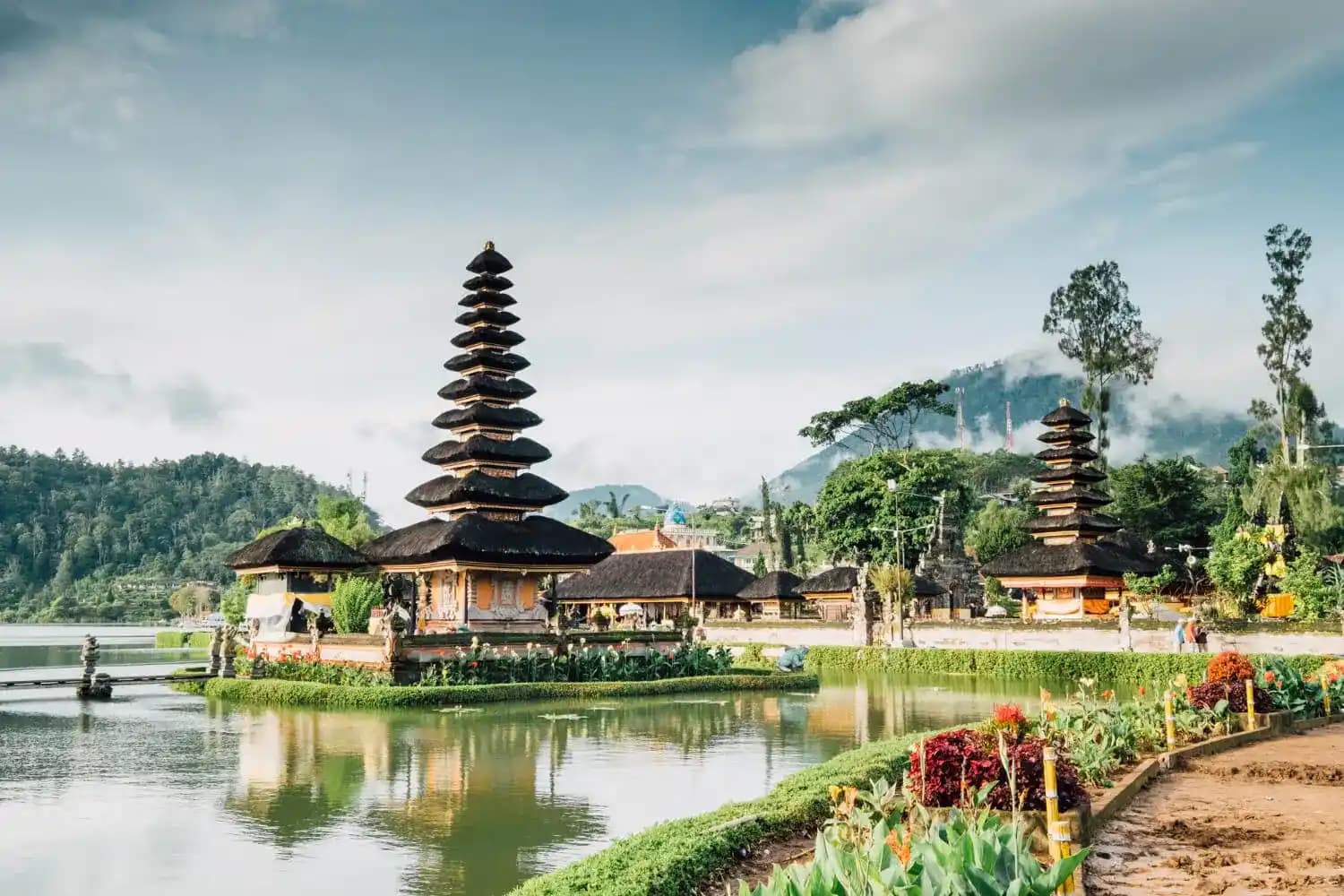

Nagoya Travel Guide: Castle, Atsuta Shrine, Hitsumabushi & Ghibli Park
Nagoya is Japan’s industrial heart and culinary maverick — capital of Aichi Prefecture, hometown of Toyota, and birthplace of three of the country’s most distinctive regional dishes. With the golden-roofed Nagoya Castle, the 1,900-year-old Atsuta Shrine, and the world-class Toyota and Ghibli theme parks, this often-overlooked mega-city deserves at least two days on every deep-Japan itinerary.
Explore Tweet World Travel Japan Small Group Tour or contact Tweet World Travel for a tailor-made travel experience.

History & Cultural Influence
Nagoya rose to prominence in 1610 when Tokugawa Ieyasu built Nagoya Castle to anchor the strategic Owari Province, gifting it to his ninth son. The city became the heartland of the Tokugawa dynasty and home to the so-called “Three Great Heroes of Japan” — Oda Nobunaga, Toyotomi Hideyoshi and Tokugawa Ieyasu were all born here. In the 20th century Nagoya emerged as Japan’s industrial capital led by Toyota.
Region: Aichi Prefecture, Chubu, central Honshu
Population: approx. 2.3 million (Japan’s 4th largest city)
Nickname: “Engine of Japan” — heart of Toyota manufacturing
Famous for: Nagoya Castle, Atsuta Shrine, Toyota Museum, hitsumabushi eel and miso katsu
Top Attractions in Nagoya
Nagoya Castle — landmark with the two golden shachihoko (tiger-fish) gracing its roof; the rebuilt Hommaru Palace is now open.
Atsuta Jingu Shrine — one of Japan’s three most sacred Shinto shrines (alongside Ise), home to the sacred sword Kusanagi.
Toyota Commemorative Museum — interactive history of looms and automobiles from the company’s founding.
SCMaglev and Railway Park — bullet trains and the maglev set to debut Japan’s Tokyo–Nagoya line.
Osu Shopping District — historic shrine-fronted bazaar with 1,200 stores in covered arcades.
Ghibli Park (Aichi) — opened 2022 and expanded 2024; five immersive zones devoted to Studio Ghibli films.
Tokugawa Art Museum — heirloom treasures of the Tokugawa shoguns including The Tale of Genji scrolls.

Must-Try Dishes in Nagoya
Hitsumabushi — Nagoya’s signature grilled-eel-on-rice; eaten three ways across one meal.
Miso katsu — breaded pork cutlet smothered in the city’s famous rich Hatcho red miso sauce.
Tebasaki (chicken wings) — sweet-and-spicy fried wings invented in Nagoya at Sekai no Yamachan.
Miso nikomi udon — thick wheat noodles in a red-miso broth served in cast-iron pots.
Kishimen — flat ribbon-shaped wheat noodles served hot or chilled with tempura.
Ankake spaghetti — Nagoya’s quirky spicy pepper-and-sausage spaghetti, an icon of yoshoku fusion food.

Festivals & Local Celebrations
Nagoya Festival (mid-October) — costume parade of the Three Great Heroes plus a procession of decorated festival floats.
Atsuta Festival (June 5) — sacred fireworks and martial arts demonstrations at the shrine.
Cherry Blossom Light-Up (early April) — Nagoya Castle illuminations during the brief sakura bloom.
Osu Daido Performers Tengoku (early October) — street performers, dance and live music throughout Osu Bazaar.
What to Do in Nagoya
Tour Nagoya Castle and the Hommaru Palace — reconstructed using Edo-period blueprints.
Visit Ghibli Park — book Mononoke Village or Dondoko Forest tickets months in advance.
Tea ceremony at the Tokugawa Art Museum garden tea pavilion.
Tour the Toyota Museum followed by Toyota Town production lines (advance reservation only).
Day trip to Inuyama Castle — Japan’s oldest original castle keep (35 min from Nagoya).
Shop and snack at Osu — covered arcades, vintage kimono, used cameras and global street food.

Shopping in Nagoya
Osu Bazaar — 1,200 stores spanning vintage, traditional crafts, snacks and gachapon.
Sakae and Nagoya Station — JR Takashimaya, Mitsukoshi and underground malls for fashion.
Nagoya Mitsui Outlet — international brands at discounted prices, near Chubu Centrair airport.
Specialties to bring home — Arimatsu shibori tie-dye, Owari cloisonné, Nagoya pottery (Shino, Oribe), miso-kuwai sweets.
Weather: Best Time to Visit Nagoya
Spring (Mar–May) — castle cherry blossoms; 10–22°C and pleasant.
Summer (Jun–Aug) — hot and humid 25–34°C with rainy season in June.
Autumn (Sep–Nov) — comfortable 12–25°C; foliage at Korankei (45 min away) peaks late November.
Winter (Dec–Feb) — cool and dry 2–10°C; perfect for indoor museum-hopping.
Cultural Etiquette
Bow at Atsuta torii gates before entering and as you exit the shrine.
Quiet on the subway — Nagoya Metro is among Japan’s most orderly. No phone calls.
Stand on the left on escalators (the same as Tokyo, opposite of Osaka).
Cash-only restaurants for many hitsumabushi and miso katsu specialists — bring at least ¥10,000.
Reserve ahead for famous restaurants like Atsuta Horaiken — queues form 90 minutes before opening.
Essential Travel Information
Getting there: the Tokaido Shinkansen from Tokyo to Nagoya takes 100 minutes; from Kyoto/Osaka, 35 and 50 minutes respectively. Chubu Centrair International Airport (NGO) is 30 minutes from downtown by Meitetsu train.
Getting around: Nagoya Subway is efficient and the Me-guru tourist loop bus (¥210 ride, ¥500 day pass) connects castle, Tokugawa Art Museum and Atsuta in one route.
Money: ATMs at 7-Eleven, Family Mart and Japan Post accept foreign cards. Many shops in Sakae accept contactless payment.
Where to Stay in Nagoya
Nagoya Station area — Shinkansen access; modern high-rise hotels.
Sakae — shopping, dining and nightlife epicentre.
Near Nagoya Castle — quieter business hotels with castle views.
Recommended properties — Nagoya Marriott Associa, Hilton Nagoya, The Tower Hotel Nagoya, Hotel Castle Plaza.
Explore Tweet World Travel Japan Small Group Tour or contact Tweet World Travel for a tailor-made travel experience.
Frequently Asked Questions
Common questions from travellers planning a Nagoya visit:
How many days do you need in Nagoya?
Two full days — one for Nagoya Castle, Atsuta Shrine and a hitsumabushi dinner; a second for Ghibli Park or the Toyota Museum. Add a day if you’d like to side-trip to Inuyama or Magome.
Is Nagoya worth visiting?
Absolutely — Nagoya combines a National Treasure shrine, original-blueprint castle palace, Ghibli Park and a one-of-a-kind regional food scene, all without the crowds of Kyoto or Tokyo.
How do I get from Tokyo to Nagoya?
Tokaido Shinkansen direct from Tokyo Station to Nagoya in 100 minutes. The Nozomi service is fastest; Hikari and Kodama are covered by the Japan Rail Pass.
What is Nagoya famous for?
Nagoya is famous for its golden-roofed castle, Atsuta Jingu Shrine, Toyota’s headquarters, Ghibli Park, and its three signature regional dishes — hitsumabushi, miso katsu and tebasaki chicken wings.
When is the best time to visit Nagoya?
Late March to early April for cherry blossoms at the castle and Tsuruma Park, or mid-October for the Nagoya Festival with its Three Heroes costume parade.
Our Best-Selling Tours
Follow Us