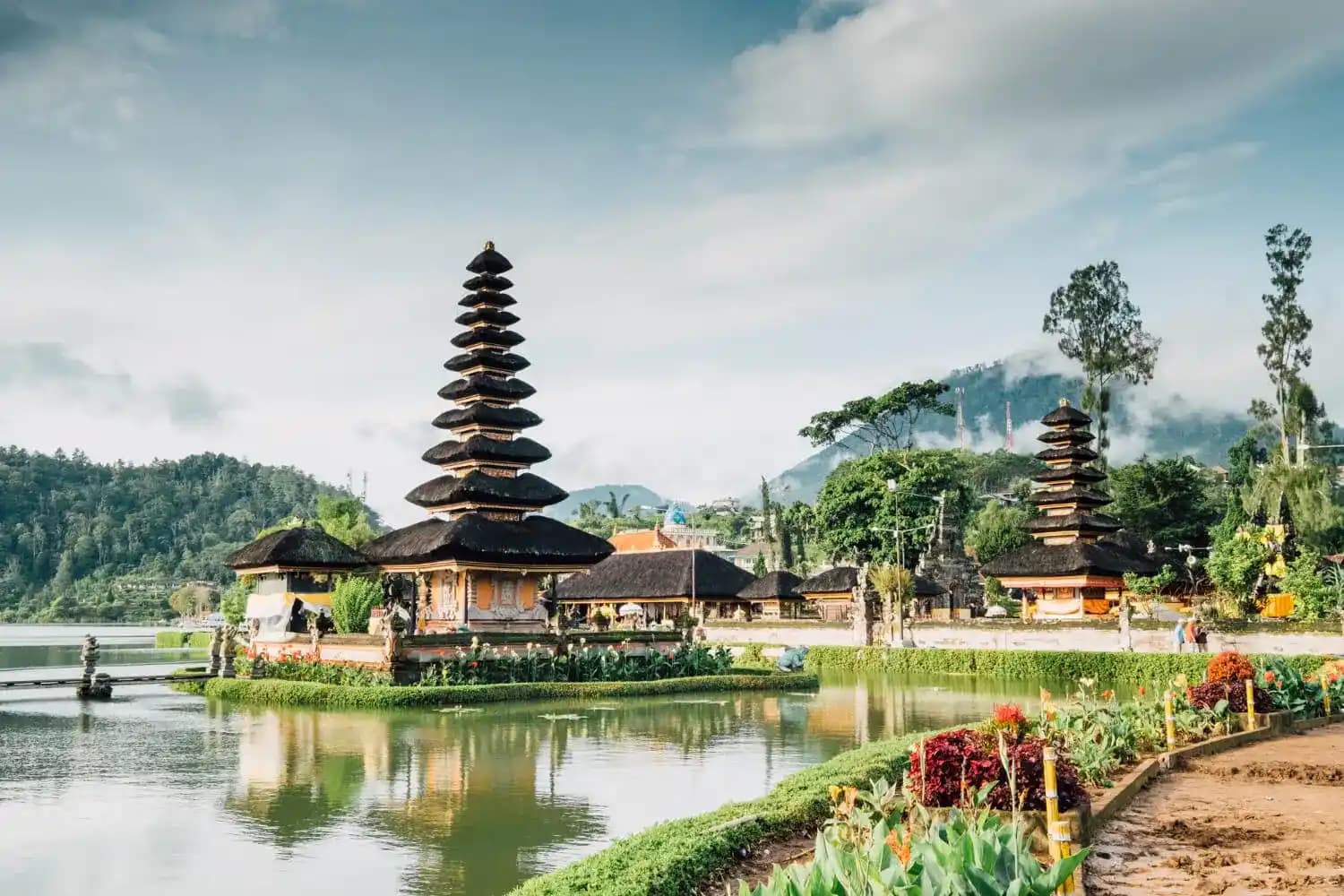

Okinawa Travel Guide: Beaches, Ryukyu Culture & Churaumi
Okinawa is Japan's distinct subtropical south — 160 islands spread between mainland Japan and Taiwan, with white-sand beaches, coral reefs, the longest-lived people in the world and a unique Ryukyu cultural heritage entirely its own. Just 2 hours 30 minutes from Tokyo by direct flight, Okinawa pairs the comfort and safety of Japan with the warmth and pace of Southeast Asia — perfect for a beach-and-culture finale to a Japan trip, a family holiday or a deep dive into a maritime kingdom that traded with the world centuries before mainland Japan did.
Explore Tweet World Travel Japan Small Group Tour or contact Tweet World Travel for a tailor-made travel experience.

History & Cultural Influence
Okinawa is Japan's distinct southern frontier — for 450 years (1429–1879) the Ryukyu Kingdom was an independent maritime nation, trading and culturally exchanging with China, Korea and Southeast Asia. Its food, music, language and architecture all carry that heritage. Annexed by Japan in 1879, the islands also experienced one of the Pacific War's harshest battles in 1945, the post-war US occupation until 1972, and an ongoing US base presence that shapes contemporary local life. Today, Okinawa is Japan's only subtropical prefecture and a beloved beach-and-culture escape.
Quick facts:
Population: ~1.5 million (prefecture-wide)
Capital: Naha — on the main island (Okinawa Honto)
From Tokyo: 2 hr 30 min by direct flight from Haneda
Climate: Subtropical; warm year-round, peak beach weather April to October
Famous for: Ryukyu kingdom heritage, Shuri Castle, Churaumi Aquarium, world-class beaches and longevity culture
Top Attractions in Okinawa
Okinawa's headline sights split between the lively capital Naha, the northern beach-and-aquarium belt and the off-shore Kerama Islands.
Churaumi Aquarium — one of the world's largest aquariums; the 7,500 m³ Kuroshio Tank holds whale sharks, manta rays and 60+ species. Allow 3 hours.
Shuri Castle Park — UNESCO-listed Ryukyu royal palace (reconstruction of the main hall completes 2026). The outer grounds and Shureimon gate are already open and worth visiting.
Naha & Kokusai-dori — the main island's lively capital; 1.6 km Kokusai-dori shopping street is lined with souvenir shops, izakaya and Okinawa-soba restaurants.
Kerama Islands (Tokashiki, Zamami, Aka) — 30 minutes by ferry from Naha; some of Japan's clearest water and best snorkelling, declared a national park in 2014.
Cape Manzamo — dramatic elephant-trunk-shaped limestone cliff on the Kuroshio Sea; one of Okinawa's most photographed spots.
Kouri Bridge — 2 km bridge over a turquoise lagoon between Yagaji-jima and Kouri-jima; one of Okinawa's most scenic drives.
Sefa-utaki — UNESCO-listed sacred site of the Ryukyu kingdom; a serene forest path leading to a triangular natural rock chamber.
Okinawa World & Gyokusendo Cave — 5 km of stalactite caves, traditional Ryukyu village reconstruction and Eisa-dance performances.

Must-Try Dishes in Okinawa
Okinawan cuisine is famously distinct from mainland Japanese — pork-led, garlic-heavy, packed with subtropical produce and tied to the islands' longevity reputation.
Okinawa soba — thick wheat noodles in a clear pork-bone broth, topped with simmered rafute (pork belly) or soki (ribs). Unrelated to mainland buckwheat soba.
Goya champuru — stir-fry of bitter melon (goya), tofu, pork and egg; the soul food of Okinawa.
Rafute & Soki pork — slow-simmered pork belly and ribs in soy, brown sugar and awamori; the Ryukyu kingdom's table classic.
Taco rice — a 1980s Okinawan invention: taco beef, cheese, lettuce and salsa over white rice. Born for US base servicemen, beloved everywhere now.
Sata andagi — Okinawan deep-fried doughnut balls; sweet, crisp outside, fluffy inside — the islands' #1 souvenir snack.
Umi-budo (sea grapes) — translucent green algae served chilled with ponzu; the 'caviar of the sea'.
Awamori (sake-style rice spirit) — Okinawa's centuries-old distilled rice spirit, around 25–43% ABV; sipped straight or on the rocks with seasonal ice.

Festivals & Local Celebrations
Okinawa's calendar is rich with Ryukyu-era ritual, Eisa dance and lantern festivals.
Naha Hari Dragon Boat Festival (early May) — 600-year-old dragon-boat race in Naha Port; food stalls and Eisa drumming.
Eisa dance season (Aug–Oct) — traditional Okinawan drum-and-dance performances at shrines and on Kokusai-dori; the climax is the 10,000 Eisa Dancers Parade in late July/early August.
Naha Tug-of-War (October) — Guinness-record holder; the world's largest rice-straw rope (200 m, 40 t) is pulled by tens of thousands of locals and visitors.
Shuri Castle Festival (early November) — Ryukyu royal procession in full court costume around the castle and Naha streets.
Cherry Blossom Season (late January – mid February) — Okinawa's sakura are pink kanhizakura, the earliest in Japan; best at Mt Yaedake.
Christmas & New Year illuminations (Dec – early Jan) — Okinawa Children's Castle, Southeast Botanical Gardens and Naminoue Beach.
What to Do in Okinawa
Pair the headline sights with at least one beach day, one snorkel trip and one Ryukyu-cultural experience.
Snorkelling and diving in the Kerama Islands — Aka and Zamami have the clearest water; book a half-day boat tour from Naha's Tomari Port.
Rent a car and drive the Kouri Bridge — combine with a stop at Pineapple Park or Bise Fukugi Tree Avenue.
Spend a full day at Churaumi Aquarium and Ocean Expo Park — combine with Bise village and Emerald Beach.
Catch the sunset at Cape Manzamo and Onna Coast — a 60-minute drive north of Naha.
Eisa drumming or Ryukyu dance workshop — many Naha hotels host evening cultural shows; longer workshops at Ryukyu Mura.
Whale watching (Jan – Mar) — humpback whales calf in Kerama Islands waters; half-day boats run from Naha.
Day trip to Ishigaki and Miyako Islands — 1-hour flights from Naha to Japan's most pristine southern beaches.

Shopping in Okinawa
Okinawa's shopping is craft-led and food-led; the islands have their own pottery, textiles and snacks unique to Japan.
Kokusai-dori (Naha) — 1.6 km shopping street with sata andagi stands, awamori shops, Eisa drum souvenirs and Okinawan-style sweets.
Tsuboya Pottery District — 350-year-old ceramics quarter with 50+ working kilns; pick up shisa (lion-dog) ornaments and mug sets.
Makishi Public Market — Okinawa's classic indoor produce market; pick fresh seafood for the second-floor restaurants to cook for you.
Yui Rail to Asahibashi — outlet malls Ashibinaa and Aeon are 15 minutes from central Naha for fashion deals.
Naha Airport Souvenirs — last-chance sata andagi, beni-imo (purple sweet potato) tart, awamori and shisa figurines.
Souvenirs to buy — bingata textiles, Yachimun pottery, awamori bottles, beni-imo tarts and shisa figurines.
Weather in Okinawa: Best Time to Visit
Okinawa is the only subtropical part of Japan — warm enough to swim from April to October, with mild and pleasant winters.
Spring (Mar – May) — comfortable (20–27°C); pink kanhizakura cherry blossoms in late January/February. Beach season opens in April.
Summer (Jun – Aug) — hot, humid (28–32°C); peak beach weather and Eisa season. Watch for typhoon alerts July–September.
Autumn (Sep – Nov) — pleasant (22–28°C); beach swimming still possible to October; the Naha Tug-of-War in October is unmissable.
Winter (Dec – Feb) — mild (15–20°C); whale-watching season, no swimming but great for sightseeing, hiking and Ryukyu cultural experiences.
Cultural Etiquette in Okinawa
Okinawa's customs blend mainland Japanese etiquette with distinct Ryukyu courtesies. A few rules go a long way.
Greet locals warmly — Okinawans are famously friendly; 'Mensore' (welcome) and 'Nifee debiru' (thank you) are deeply appreciated.
Respect sacred sites (utaki) — many spots like Sefa-utaki are still active religious places; remove caps, lower your voice and follow on-site signage.
Bow at temples & shrines — the standard Japanese courtesy applies; rinse hands at chozuya purification fountains.
Dress respectfully off the beach — swimwear is fine on the sand but cover up at restaurants, temples and on public transport.
Coral & marine protection — never touch the coral or stand on it; reef-safe sunscreen is mandatory at some beaches.
Tipping is not customary — anywhere. A sincere 'arigatou gozaimasu' is enough.
Essential Travel Information
Getting around — Within Naha, the Yui Rail monorail covers the main attractions including the airport, Kokusai-dori and Shuri Castle. Outside the capital, a rental car is by far the easiest way to see Okinawa — buses to northern attractions like Churaumi Aquarium take 2.5 to 3 hours versus a 2-hour drive. Rentals from Naha Airport cost around ¥7,000 per day. For Kerama Islands and Ishigaki, ferries leave from Naha's Tomari Port and direct flights from Naha go to outer islands.
Money — Most hotels and restaurants accept cards but local izakaya, ferries and outer-island shops are cash-only. ATMs at 7-Eleven, Japan Post and FamilyMart accept international cards. Carry ¥10,000–20,000 daily.
Connectivity — Free Wi-Fi at Naha Airport, Kokusai-dori shops and major hotels; carry a pocket Wi-Fi or eSIM for full coverage in northern Okinawa and the Kerama Islands.
Where to Stay in Okinawa
Base in Naha for culture and shopping, the Onna coast for beach resorts, or jump out to the Kerama Islands for the clearest water.
Accommodation categories
Luxury — Halekulani Okinawa, The Busena Terrace, Ritz-Carlton Okinawa, ANA InterContinental Manza Beach Resort — beachfront and world-class.
Mid-range — Hyatt Regency Naha, Hilton Okinawa Chatan Resort, Sheraton Okinawa Sunmarina, Loisir Hotel & Spa Tower Naha.
Boutique & ryokan-style — Hoshinoya Okinawa (modern Ryukyu), Iraph Sui Miyakojima (Marriott Luxury Collection).
Budget — Mr Kinjo Inn chain, Yui Rail Asahibashi area capsule hotels, beachside guesthouses on Aka and Zamami islands.
Best neighbourhoods for first-timers:
Naha — best for first-timers: Yui Rail access, Kokusai-dori shopping, easy airport connections.
Onna Coast / Manza — most luxury resorts with the best beaches; 60 minutes north of Naha.
Motobu / Ocean Expo area — closest to Churaumi Aquarium and the northern attractions.
Kerama Islands — Aka, Zamami and Tokashiki for the clearest water; 30 minutes by ferry from Naha's Tomari Port.
Frequently Asked Questions
Here are the most common questions first-time travellers ask about Okinawa — quick answers to help plan your trip.
How many days do you need in Okinawa?
About 5 days is ideal for the main island — 1 to 2 days in Naha for culture and Shuri Castle, 2 days on the Onna coast for beach and Churaumi Aquarium, plus a Kerama Islands snorkelling day trip. For Ishigaki and Miyako Islands, allow 8 to 14 days total.
What's the best way to get to Okinawa?
Direct flights from Tokyo Haneda to Naha Airport take 2 hours 30 minutes (ANA, JAL, Solaseed, Skymark, Peach). Flights from Osaka Kansai are 2 hours and from Fukuoka 1 hour 30 minutes. The shinkansen does not reach Okinawa — flying is by far the easiest option.
When is the best time to visit Okinawa?
April to early June for pleasant weather and warm enough seas for swimming, before the summer typhoons; or September to early November for a quieter post-summer beach season. January to February brings whale watching and Japan's earliest cherry blossoms.
Do you need a car in Okinawa?
For the main Okinawa Island, yes — public buses to Churaumi Aquarium take 2.5 to 3 hours versus a 2-hour drive. Rentals from Naha Airport cost around ¥7,000 per day and include English-friendly GPS. In Naha city centre alone the Yui Rail monorail is enough.
Is Okinawa good for families?
Yes — Okinawa is one of Japan's top family destinations. Churaumi Aquarium, Pineapple Park, the Bise village deer, beachfront resorts with kids' pools and shallow snorkelling beaches like Emerald Beach and Hoshizuna are all family-friendly. Most resorts have kids' clubs and English-speaking staff.
Our Best-Selling Tours
Follow Us