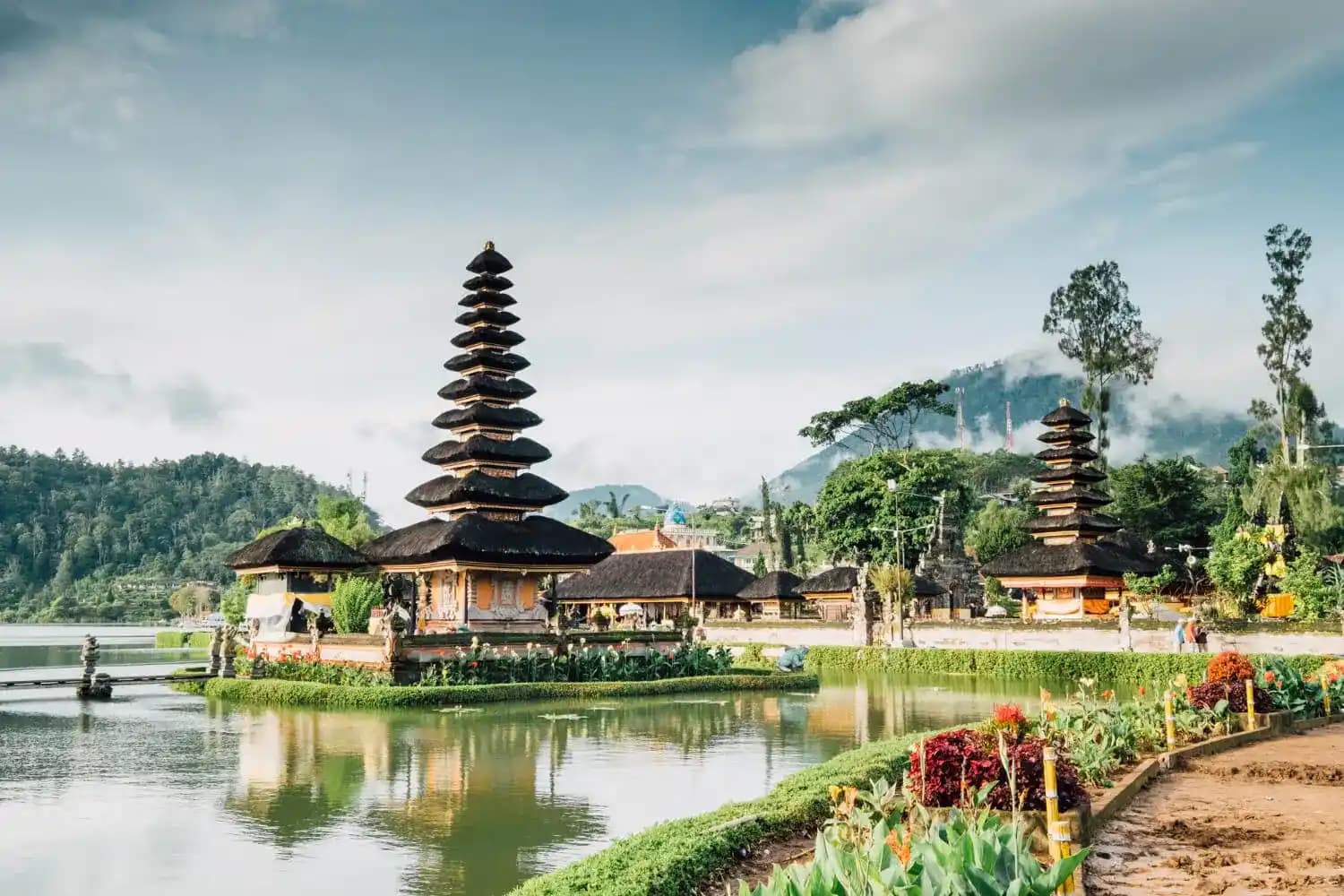

Penang Travel Guide: George Town Heritage, Street Art & Hawker Food
Penang is Malaysia's most beloved island destination — a Straits-of-Malacca pearl crowned by UNESCO World Heritage George Town, where Anglo-Indian colonial mansions, Chinese clan houses, Hindu temples and Indian-Muslim mosques line a single 5 km square of perfectly preserved 19th-century streets. Add Asia's most acclaimed hawker-food scene, an island full of beaches, the funicular up Penang Hill and a vibrant year-round festival calendar, and Penang earns its reputation as the country's most rewarding cultural escape.
Explore Tweet World Travel Malaysia Small Group Tour or contact Tweet World Travel for a tailor-made travel experience.

History & Cultural Influence
Penang Island was leased by Captain Francis Light to the British East India Company in 1786 — making it the first British colonial settlement in South-East Asia. Light's pragmatic free-port policy attracted Chinese traders, Indian labourers, Acehnese sailors and European merchants. The result is one of Asia's most multicultural cities: George Town's 12,000+ heritage buildings include Hokkien clan houses, Hindu temples, Sikh gurdwaras, English churches and Sino-Portuguese shophouses, all packed into a 2 km² historical core.
UNESCO inscribed George Town as a World Heritage Site in 2008 (alongside Malacca). The recognition kick-started a renaissance: design boutiques moved into restored shophouses, restaurants reopened in clan-house courtyards, and Lithuanian artist Ernest Zacharevic's 2012 "Mirrors" street-art murals turned the city into one of South-East Asia's most photogenic destinations. Today Penang attracts 8 million visitors a year — the country's second city in tourism (after KL) and arguably its first in food.
Quick facts:
UNESCO status: George Town World Heritage Site, inscribed 2008
Population: 1.8 million (Penang state)
Distance from Kuala Lumpur: 350 km — 1 hour by air, 4 hours by road
Languages: Penang Hokkien, Bahasa Malaysia, English, Tamil widely spoken
Best for: Asia's best hawker food, heritage architecture, street art, multicultural temples, beach add-on at Batu Ferringhi
Top Attractions
George Town UNESCO Heritage core — walking circuit of clan houses (Khoo Kongsi), temples (Goddess of Mercy, Sri Mahamariamman), churches (St George's), and Chinese mansions (Cheong Fatt Tze Blue Mansion).
Cheong Fatt Tze "Blue Mansion" — an 1880s Hakka mansion painted indigo blue; daily heritage tours and boutique-hotel stays.
Khoo Kongsi clan house — a stunning 1906 Hokkien clan temple — the most ornate in South-East Asia.
George Town street art — Ernest Zacharevic's 2012 murals turned Armenian and Ah Quee streets into Asia's street-art capital.
Kek Lok Si Temple — a 35m bronze Kuan Yin statue and pagoda; the largest Buddhist temple in Malaysia.
Penang Hill — colonial-era hill station with a 9-minute funicular up to 833m; cool air and panoramic island views.
Batu Ferringhi Beach — 11 km north-west; beach hotels, water sports and a night market.

Must-Try Dishes
Char kway teow — wok-fried flat rice noodles with prawns, cockles and Chinese sausage; Penang's most famous dish.
Penang assam laksa — sour mackerel-and-tamarind noodle soup; CNN named it one of the world's 50 best foods.
Hokkien mee (Penang prawn mee) — spicy prawn-and-pork noodle soup; the city's breakfast classic.
Nasi kandar — Indian-Muslim "curry-on-rice" served with a dozen curries on a single plate.
Cendol — shaved-ice dessert with green pandan jelly, coconut milk and palm sugar; the iconic Penang street finale.

Festivals & Local Celebrations
George Town Festival — July: a month-long arts festival; live music, theatre, art installations and street performance fill the heritage core.
Chinese New Year — January/February: Penang's 15-day Chinese New Year is the country's most spectacular; Chap Goh Mei (15th night) sees orange-tossing into the harbour.
Thaipusam — January/February: Hindu pilgrimage with kavadi procession from Sri Mahamariamman Temple to Waterfall Temple.
Wesak — May: Buddha's birthday celebrations at Kek Lok Si and Burma temples.
Hungry Ghost Festival — August: Chinese Taoist seven-week festival with street operas, food offerings and joss-stick burning.
What to Do
Take a heritage walking tour through George Town (3 hours covers the headline sights).
Eat your way through five hawker centres — start at Lorong Selamat for char kway teow, Padang Brown for cendol, Joo Hooi for assam laksa.
Visit Cheong Fatt Tze Blue Mansion on a guided heritage tour or stay overnight.
Take the funicular up Penang Hill at sunset for the cool air and city panorama.
Day-trip to Penang National Park (Asia's smallest national park) for jungle trails and Monkey Beach.
Watch Chap Goh Mei orange-tossing at the Esplanade (if visiting at Chinese New Year).

Shopping
Chowrasta Market — a 1890s wet market with antique books on the second floor.
Little India (Lebuh Pasar, Chulia Street) — saris, brass diyas, Bollywood music.
Hin Bus Depot Sunday Market — a 1940s bus depot turned art space; weekly indie-design market.
Gurney Plaza & Gurney Paragon — air-conditioned malls along Gurney Drive.
Penang batik factories — hand-block-printed traditional Penang batik with mother-of-pearl buttons.
Weather: Best Time to Visit
December–April (Best): cooler dry season; lowest humidity.
May–November: warmer rainy season; brief afternoon downpours.
August–October: haze possible from Indonesian fires.
Daily temperatures: 26–32°C year-round; humidity 75–95%.
Cultural Etiquette
Cover shoulders and knees at temples, mosques and clan houses.
Remove shoes before entering temples, mosques and private homes.
During Ramadan, be discreet eating and drinking in public during daylight.
Use your right hand for eating and accepting items.
Photograph people respectfully — ask first, especially at religious sites.
Essential Travel Information
Getting around: George Town is walkable. Trishaws (bicycle rickshaws) offer tourist circuits. The CAT free shuttle bus loops the heritage core. Grab is the easiest way to reach Penang Hill, Batu Ferringhi or the airport.
Getting there: Penang International Airport (PEN) handles flights from Bangkok, Singapore and KL (1 hour). The ETS train from KL takes 4 hours. The first Penang Bridge connects to the mainland.
Money: ATMs everywhere. Cards accepted at hotels and most restaurants; cash for hawker stalls.
Connectivity: Excellent 4G/5G.
Visa: Most nationalities receive 90-day visa-free entry to Malaysia.
Where to Stay
Heritage luxury — Eastern & Oriental Hotel (1885, the country's grand colonial classic), Cheong Fatt Tze Blue Mansion, Seven Terraces.
Boutique heritage — The Edison George Town, Macalister Mansion, Areca Hotel.
Beachfront — Shangri-La Rasa Sayang Resort & Spa, Hard Rock Hotel Penang (Batu Ferringhi).
Mid-range — G Hotel Kelawai, Lone Pine Hotel and Vouk Hotel.
Best base: inside George Town for walkable heritage; Batu Ferringhi for beach.
Explore Tweet World Travel Malaysia Small Group Tour or contact Tweet World Travel for a tailor-made travel experience.
Frequently Asked Questions
Helpful answers for travellers planning a Penang stop on a Malaysia tour.
How many days should I spend in Penang?
Three to four nights is ideal — two for George Town heritage and food, one for Penang Hill and Kek Lok Si, one for Batu Ferringhi beach or Penang National Park.
Is Penang good for food?
Yes — Penang is widely considered the best hawker-food destination in Asia. Five hawker centres in central George Town serve the country's most acclaimed Hokkien-Penang dishes.
When is the best time to visit Penang?
December to April is driest. Avoid August–October if haze is forecast.
Penang or Malacca?
Both are UNESCO heritage cities — Penang is bigger, with more food and more attractions. Malacca is smaller, more compact, with stronger Portuguese-Dutch heritage. Many Malaysia tours include both.
Is Penang good for families?
Yes — the Batu Ferringhi beach resorts, Penang Hill funicular and Toy Museum work well for children.
Our Best-Selling Tours
Follow Us