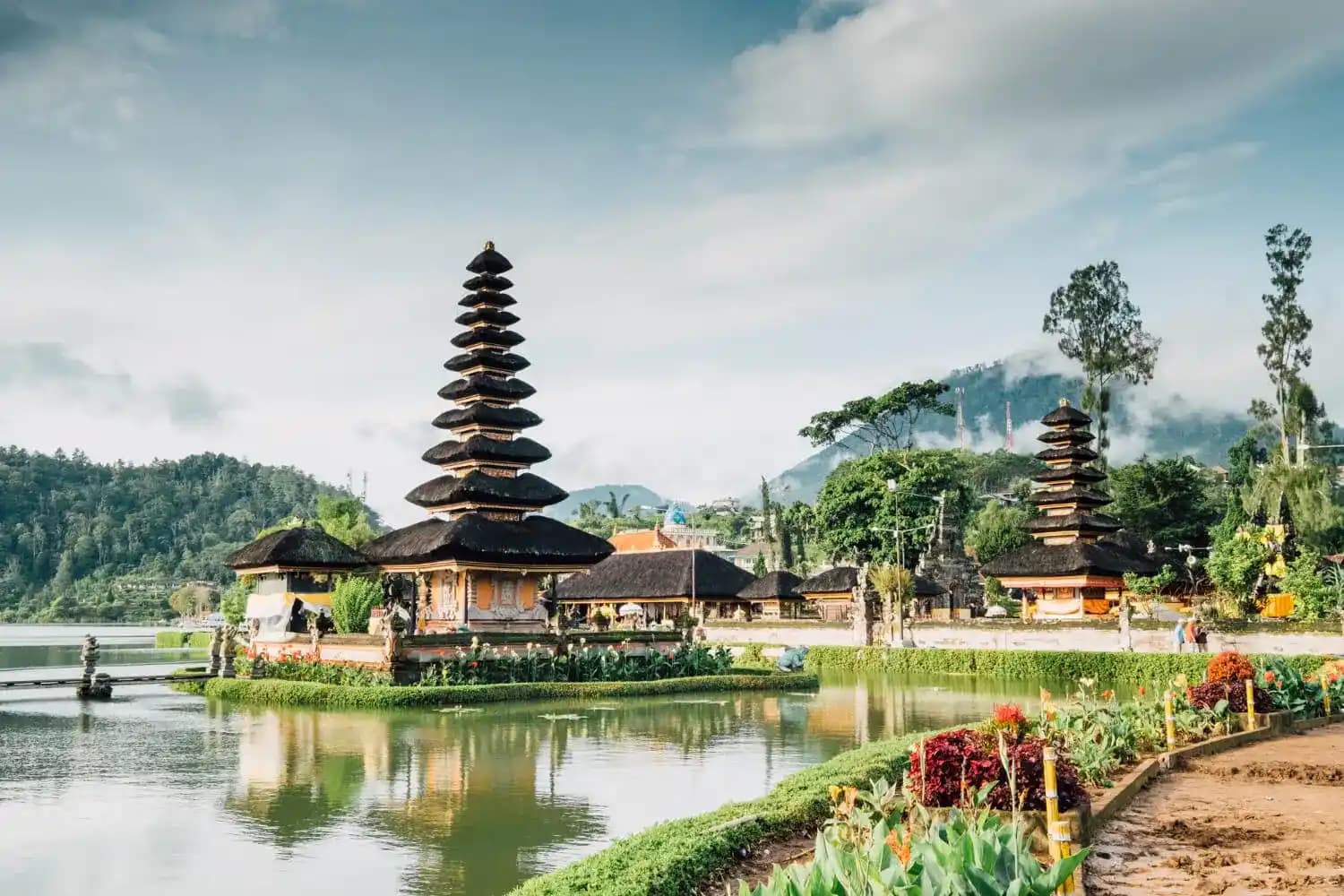

Pokhara Travel Guide: Phewa Lake, Annapurna Views & Wellness Retreats
Pokhara is Nepal's adventure-and-wellness capital — a lakeside city framed by a wall of snow-white Annapurna peaks rising 7,000–8,000m straight from the subtropical valley floor. With Phewa Lake at its heart, the World Peace Pagoda above and the Annapurna massif on the horizon, Pokhara is one of Asia's most photogenic cities. It is also Nepal's yoga and Ayurveda gateway, the launching pad for the country's most popular treks (Annapurna Base Camp, Poon Hill, Mardi Himal) and the world's second-best paragliding destination. For travellers on the Nepal Heritage Discovery or Luxury Wellness & Yoga tour, Pokhara is essential.
Explore Tweet World Travel Nepal Small Group Tour or contact Tweet World Travel for a tailor-made travel experience.

History & Cultural Influence
Pokhara was once a quiet trading post on the salt route from Tibet to India. The 1960s brought the first international visitors — drawn by the unusual sight of high Himalayas seemingly close enough to touch. The 1980s saw the rise of lakeside guesthouses; the 1990s and 2000s brought paragliding, the Hippie-era Tibetan refugee settlements and the city's flowering as Nepal's top adventure base. A 2023 international airport upgrade now connects Pokhara directly to several Asian capitals.
In the past 15 years Pokhara has reinvented itself as Nepal's wellness capital. Lakeside yoga shalas, jungle Ayurveda retreats, mountain-view meditation centres and the Atmosphere Resort Pokhara wellness-luxury ecosystem have made the city the country's flagship for soft-adventure-meets-spiritual travel. The Tibetan refugee communities maintain traditional medicine and Buddhist meditation centres; the famous Pavilions Himalayas and Tiger Mountain Pokhara Lodge sit on ridges with full Annapurna panoramas.
Quick facts:
Location: Pokhara Valley, central Nepal
Elevation: 900m — subtropical climate with Himalaya views
Distance from Kathmandu: 200 km — 30 minutes by air, 7 hours by road
Best for: Annapurna views, lakeside relaxation, paragliding, yoga retreats, Annapurna trek launching point
Best season: October–November and March–April
Top Attractions
Phewa Lake — a 4.4 km² mirror-still lake reflecting the Annapurnas; row a hand-paddled doonga at sunrise or sunset.
World Peace Pagoda — a 1999 white Buddhist stupa atop Anadu Hill across Phewa Lake; the best Pokhara viewpoint.
Sarangkot — 1,600m ridge above Pokhara; sunrise viewpoint over Annapurna and Machhapuchhre (Fishtail) peaks.
Begnas Lake — a quieter alternative to Phewa Lake; perfect for swimming and overnight lake-bungalow stays.
Davis Falls & Gupteshwor Mahadev Cave — powerful waterfall plunging into limestone caves.
International Mountain Museum — excellent collection on the Sherpa, Tibetan and Tamang mountain peoples.
Tibetan refugee settlements — Tashiling, Tashi Palkhel and the carpet-weaving cooperatives; visit Tibetan monasteries and craft markets.

Must-Try Dishes
Dal bhat — Nepal's national meal; eaten at every Pokhara lakeside restaurant.
Trout (asla) — farmed lake trout served whole at Phewa lakeside restaurants.
Tibetan momos & thukpa — steamed dumplings and noodle soup; the most authentic in Nepal outside of Boudhanath.
Gundruk soup — fermented leafy-green soup; a Pokhara mountain specialty.
Ayurvedic kitchari & herbal teas — a Pokhara wellness-retreat staple, served at Atmosphere, Sushi Vihar and Begnas Lake Resort.

Festivals & Local Celebrations
Pokhara Street Festival — December/January: 4-day food, music and culture festival on Lakeside Road.
Tihar (Diwali) — October/November: oil-lamp offerings throughout Pokhara homes; lakeside is magical.
Dashain — September/October: Nepal's biggest 15-day Hindu festival.
Losar — February: Tibetan New Year; major celebrations at Tibetan refugee settlements.
Mahashivaratri — February/March: Hindu festival at Bindyabasini Temple and Gupteshwor Cave.
What to Do
Wake at 4am for the Sarangkot sunrise — golden first light on Annapurna and Machhapuchhre.
Take a paragliding tandem flight from Sarangkot (one of the world's top-2 paragliding spots).
Row a hand-paddled doonga across Phewa Lake at sunset; visit the lake-island Tal Barahi Temple.
Walk or take the cable car up to the World Peace Pagoda.
Take a yoga and Ayurveda retreat at Atmosphere Resort, Sushi Vihar or Pavilions Himalayas Farm — Pokhara is Nepal's leading wellness destination.
Day-trip to Begnas Lake for swimming, a slower pace and lakeside trout dinners.

Shopping
Lakeside Road — trekking gear, prayer flags, Tibetan thangkas, pashmina.
Tibetan refugee settlements — hand-woven carpets, silver jewellery, copperware.
Pokhara Handicrafts Cooperative — fair-trade Nepali woollens, dhaka cloth and handmade paper.
Bindyabasini Bazaar — spices, herbs and traditional Nepali kitchenware.
Weather: Best Time to Visit
October–November (Best): driest, clearest skies; perfect for mountain views.
March–April: second-best; spring rhododendron blossom.
May–September: monsoon brings rain; Annapurna views often obscured.
December–February: cold but clear; daytime 10–20°C with crisp mountain visibility.
Cultural Etiquette
Cover shoulders and knees at temples and monasteries.
Walk clockwise around stupas; never point feet at images.
At Tibetan refugee settlements, photograph respectfully — ask first.
At wellness retreats, follow doctor and yoga teacher instructions; some programmes ban alcohol and meat.
Tip massage therapists 200–500 NPR; trekking guides USD 10–15/day.
Essential Travel Information
Getting there: Buddha Air, Yeti Airlines and Saurya fly Kathmandu to Pokhara (30 minutes). Tourist buses take 7 hours via the Prithvi Highway.
Money: ATMs along Lakeside Road; resorts accept cards.
Connectivity: Reliable 4G via Ncell or NTC.
Trekking permits: Required for Annapurna Conservation Area (USD 25) and TIMS card (USD 10); both arranged in Pokhara.
Wellness booking: Atmosphere, Pavilions Himalayas Farm and Tiger Mountain Pokhara Lodge book up 3–6 months in advance for high season.
Where to Stay
Luxury wellness — Atmosphere Resort, Pavilions Himalayas Farm, Tiger Mountain Pokhara Lodge, The Pavilions Himalayas (Sedi).
Lakeside boutique — Temple Tree Resort & Spa, Pokhara Grande Hotel, Fishtail Lodge (a Phewa Lake island).
Mid-range — Hotel Barahi, Hotel Middle Path, Mum's Garden Resort.
Where to base yourself: Lakeside (Pokhara) for walkable cafés and lake; Tiger Mountain ridge or Begnas Lake for ultra-luxury views; Sarangkot for sunrise photographers.
Explore Tweet World Travel Nepal Small Group Tour or contact Tweet World Travel for a tailor-made travel experience.
Frequently Asked Questions
Helpful answers for travellers including Pokhara on a Nepal Heritage or Wellness tour.
How many days should I spend in Pokhara?
Three to four nights covers Sarangkot sunrise, Phewa Lake, World Peace Pagoda and a paragliding flight. Wellness retreats stay 7–14 nights; trekkers usually 1–2 nights pre/post trek.
Is Pokhara good for wellness retreats?
Yes — Pokhara is Nepal's wellness capital. Atmosphere, Tiger Mountain and Pavilions Himalayas Farm offer dedicated yoga, Ayurveda and detox programmes. Pokhara's subtropical climate is warmer and gentler than Kathmandu for retreats.
When is the best time to visit Pokhara?
October–November or March–April for clearest mountain views.
Should I worry about altitude?
No — Pokhara is only 900m elevation. Only Annapurna trekkers ascending above 3,000m need to acclimatise.
Can I see Annapurna without trekking?
Yes — Sarangkot sunrise, the World Peace Pagoda and the lakeside Atmosphere/Tiger Mountain ridges all offer full Annapurna panoramas.
Our Best-Selling Tours
Follow Us