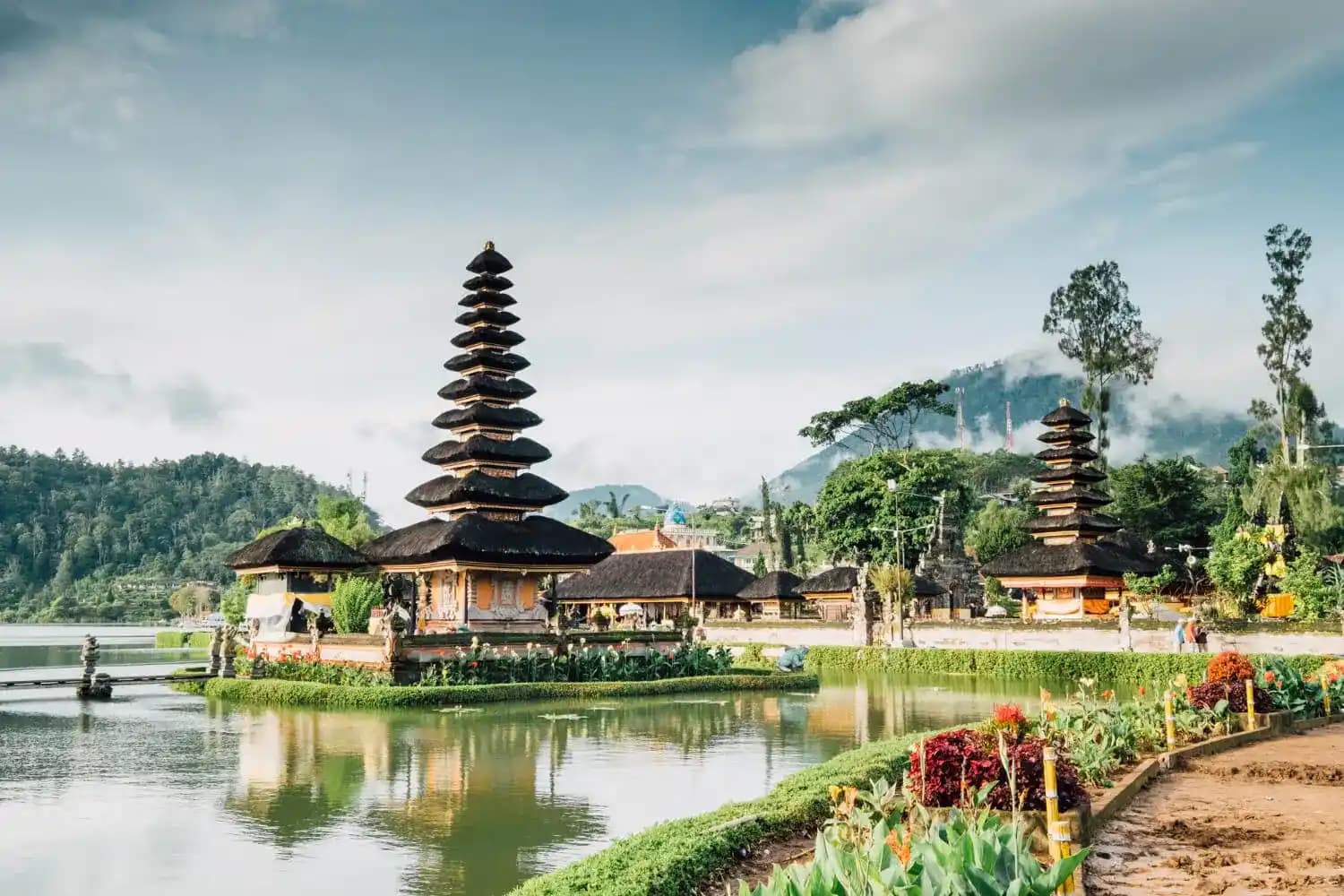

Pyeongchang Travel Guide: Winter Olympics, Ski Resorts & Woljeongsa Temple
Pyeongchang is South Korea’s alpine playground — host of the 2018 Winter Olympics and home to Korea’s premier ski resorts at Alpensia and Yongpyong, the sacred Buddhist temple of Woljeongsa deep in Odaesan National Park, and the famous Daegwallyeong sheep ranches overlooking the East Sea. Two hours from Seoul on the KTX, it’s Korea’s best winter and shoulder-season escape.
Explore Tweet World Travel South Korea Small Group Tour or contact Tweet World Travel for a tailor-made travel experience.

History & Cultural Influence
Pyeongchang has been a sacred Buddhist mountain region for 1,400 years — Woljeongsa Temple was founded in 643 AD as one of Korea’s “Five Great Mountains” monasteries. The high-altitude plateau was Korea’s first dairy farm region (now Daegwallyeong Sheep Ranch), and modern Pyeongchang made global history hosting the 2018 Winter Olympics — leaving behind world-class ski jumps, bobsleigh tracks, and the largest ski resort cluster in East Asia.
Region: Gangwon Province, Taebaek mountains
Altitude: Alpensia base 700 m, Yongpyong peak 1,458 m
Olympic legacy: 2018 Winter Olympics host city
Famous for: Alpensia & Yongpyong ski resorts, Woljeongsa Temple, Daegwallyeong Sheep Ranch, Odaesan National Park
Top Attractions in Pyeongchang
Yongpyong Resort — Korea’s oldest ski resort; hosted Olympic alpine events and Goblin K-drama filming.
Alpensia Resort — purpose-built 2018 Olympic ski-jumping and biathlon village; year-round mountain coaster, water park and golf.
Woljeongsa Temple — UNESCO-recognised 7th-century mountain monastery with the iconic 9-storey Octagonal Pagoda.
Sangwonsa Temple — Korea’s oldest surviving bronze bell (725 AD) deep in Odaesan National Park.
Daegwallyeong Sheep Ranch — 1,000 m alpine meadows; Korea’s first sheep ranch and the most photographed grassland.
Sky Ranch (Daegwallyeong) — open-cab tractor rides across rolling pastures with East Sea views.
Odaesan National Park — Korea’s premier mountain Buddhist landscape; 1,500 m peaks blanketed in pine.

Must-Try Dishes in Pyeongchang
Hwangtae Haejangguk — dried Alaskan pollack hangover soup; Pyeongchang’s alpine drying racks are world-famous.
Gamja Buchimgae — savoury Gangwon potato pancake; eaten with makgeolli rice wine.
Makguksu — chilled buckwheat noodles in ice-cold broth; the Gangwon highland staple.
Hanwoo Beef — Daegwallyeong-raised Korean beef, exceptionally marbled and tender.
Highland Vegetable Bibimbap — wild sansai mountain greens with Pyeongchang heirloom rice.
Olympic Onggi Pajeon — clay-pot baked scallion pancake invented for the 2018 Games.

Festivals & Local Celebrations
Pyeongchang Trout Festival (late Dec – Jan) — Korea’s biggest winter festival; ice-fishing, sledding and snow-sculpture park on the frozen Odaecheon River.
Hyoseok Cultural Festival (September) — buckwheat flower fields illuminate at night to commemorate writer Yi Hyo-seok.
Daegwallyeong Snow Festival (January) — snow sculpture competition at the Sheep Ranch plateau.
Olympic Anniversary Events (February) — annual ski races and torch ceremonies at Alpensia and Yongpyong.
What to Do in Pyeongchang
Ski at Yongpyong or Alpensia — Korea’s largest interconnected ski terrain; December to mid-March season.
Visit Woljeongsa at dawn — chanting begins at 4am; the Fir Forest Trail leading to the temple is a magical pre-dawn walk.
Hike Odaesan — accessible peaks (1,563 m Birobong) with easy mountain-temple routes.
Stroll Daegwallyeong Sheep Ranch for the iconic Korean alpine meadow photo.
Ride the Alpensia Mountain Coaster — gravity-powered alpine slide for year-round thrills.
Ice-fish at the Trout Festival — locals lend you a hand-saw to cut your own hole.

Shopping in Pyeongchang
Alpensia Welcome Center — Olympic mascot merchandise, ski gear and resort souvenirs.
Daegwallyeong Hanwoo Town — vacuum-packed Hanwoo beef and Olympic-themed dry-aged steaks.
Pyeongchang Traditional Market — buckwheat flour, dried wild greens, makgeolli liquor.
Specialties to bring home — dried Hwangtae pollack, Daegwallyeong sheep wool products, Gangwon buckwheat tea, Pyeongchang honey, Olympic memorabilia.
Weather: Best Time to Visit Pyeongchang
Spring (Apr–May) — buckwheat blossoms across Daegwallyeong; 8–18°C.
Summer (Jun–Aug) — cool alpine air retreating from Seoul heat; 18–26°C.
Autumn (Sep–Oct) — Hyoseok buckwheat-flower festival and brilliant Odaesan foliage.
Winter (Dec–Mar) — peak ski season; January–February Trout Festival and snow sports.
Cultural Etiquette
Quiet on temple trails — the Fir Forest Path to Woljeongsa is meditative; many monks walk barefoot.
Remove shoes inside temple halls and ondol heated-floor rooms.
Reserve lift passes — Korean ski resorts sell out daily during weekends and the Lunar New Year holiday.
No drones over Odaesan National Park temples or active ski runs.
Layer up — Pyeongchang sits at 700–1,500 m altitude; nights are 5–8°C cooler than Seoul.
Essential Travel Information
Getting there: the KTX from Seoul Cheongnyangni to Pyeongchang Station takes 1h30m, or to Jinbu Station (closest to Yongpyong/Alpensia) takes 1h35m. Hourly shuttle buses connect the stations to the ski resorts.
Getting around: the Pyeongchang Shuttle Bus connects Jinbu Station → Yongpyong → Alpensia → Woljeongsa. Rental cars are best for accessing the Sheep Ranch and remote temples.
Money: ATMs at Alpensia and Yongpyong resorts accept foreign cards. Carry cash for traditional markets and rural temple gates.
Where to Stay in Pyeongchang
Alpensia Resort — Olympic village with InterContinental and Holiday Inn flagships; ski-in/ski-out access.
Yongpyong Resort — older but family-friendly; large ski lodges and condos.
Daegwallyeong-myeon — independent pensions with valley views; less commercial than the resorts.
Recommended properties — InterContinental Alpensia Pyeongchang, Holiday Inn & Suites Alpensia, Greenpia Yongpyong, Kensington Hotel Pyeongchang, Daegwallyeong Sky Ranch Lodge.
Explore Tweet World Travel South Korea Small Group Tour or contact Tweet World Travel for a tailor-made travel experience.
Frequently Asked Questions
Common questions from travellers planning a Pyeongchang visit:
Is Pyeongchang worth visiting?
Absolutely — Pyeongchang offers Korea’s best skiing, a 1,400-year-old UNESCO-quality Buddhist temple, postcard alpine sheep ranches and a hugely successful 2018 Olympic legacy, all 1h30m from Seoul by KTX.
How do I get from Seoul to Pyeongchang?
The KTX from Seoul Cheongnyangni runs direct to Pyeongchang Station in 1h30m and Jinbu Station in 1h35m. Both routes opened for the 2018 Olympics and are fully covered by the Korea Rail Pass.
When is ski season in Pyeongchang?
Yongpyong and Alpensia operate from late November to mid-March. The best snow is December to early February. Lift passes sell out on weekends and during Lunar New Year — book in advance.
Can I visit Pyeongchang outside winter?
Yes — Daegwallyeong Sheep Ranch is open year-round, the Hyoseok buckwheat-flower festival peaks in September, and Odaesan’s Birobong hike is best in early October when the foliage turns.
What is the Trout Festival?
The Pyeongchang Trout Festival runs late December through January on the frozen Odaecheon River. Visitors saw their own ice holes, ice-skate, snow-sled and enter sculpture competitions — Korea’s biggest winter festival.
Our Best-Selling Tours
Follow Us