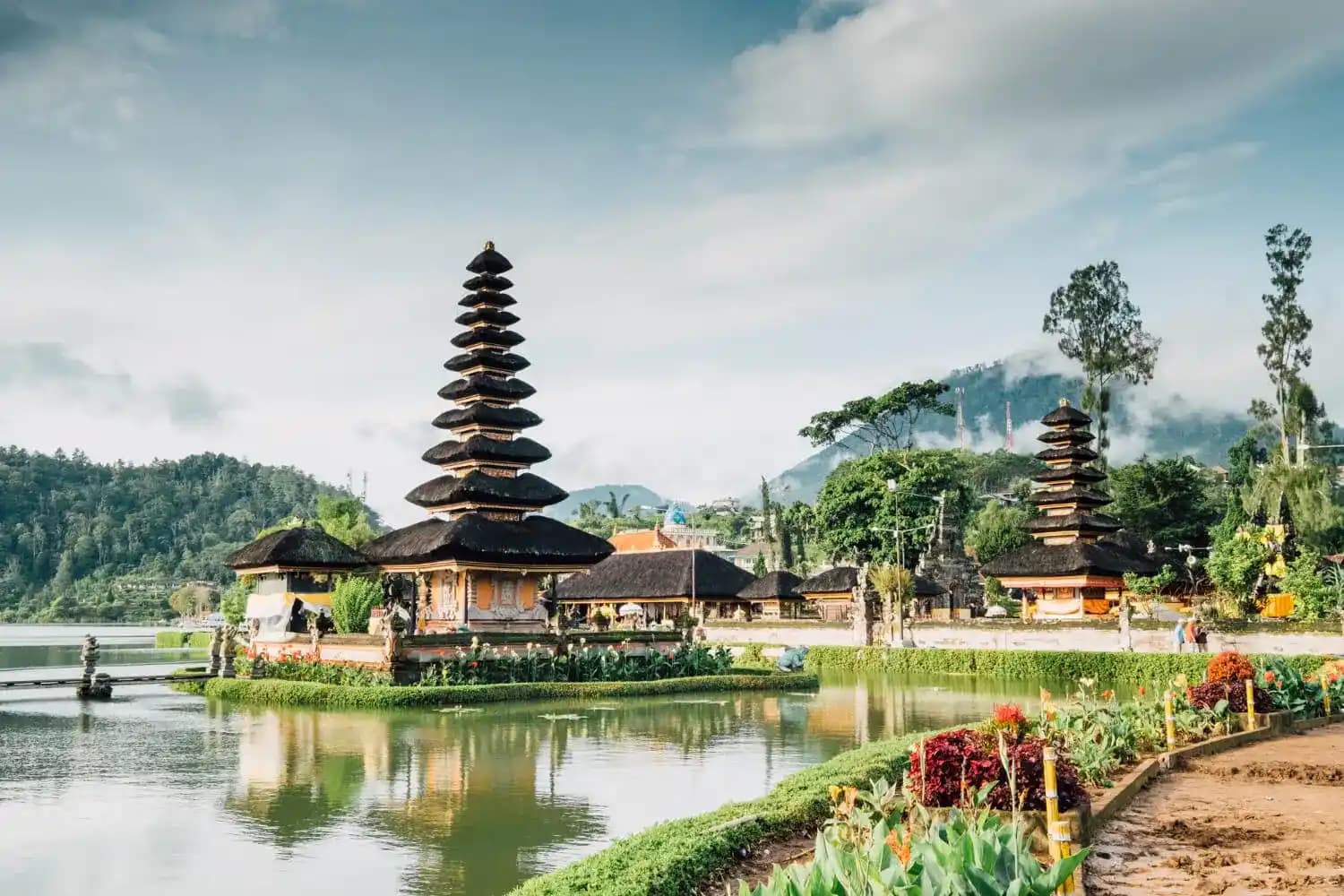

Takayama Travel Guide: Edo Old Town, Hida Beef & Alpine Festivals
Takayama is the cultural capital of the Hida region — a perfectly preserved Edo-period merchant town nestled in the Japanese Alps. Often nicknamed “Little Kyoto of the mountains”, its Sannomachi old town, twice-daily morning markets, world-class Hida beef and one of Japan’s three most beautiful festivals make it a non-negotiable stop on any deep-Japan itinerary.
Explore Tweet World Travel Japan Small Group Tour or contact Tweet World Travel for a tailor-made travel experience.

History & Cultural Influence
Takayama was founded as a castle town in 1586 under the Kanamori clan and absorbed by the Tokugawa shogunate as direct territory (tenryo) in 1692 due to its rich timber and mineral wealth. Hida carpenters (Hida no Takumi) were so skilled they were summoned to build temples in Kyoto and Nara. Spared from earthquakes, fires and WWII, Sannomachi-suji remains one of Japan’s most authentic Edo streetscapes.
Region: Hida, Gifu Prefecture, Japanese Alps
Population: approx. 85,000
Nickname: “Little Kyoto of the mountains”
Famous for: Edo-era old town, twice-daily morning markets, Hida beef, Takayama Festival yatai floats
Top Attractions in Takayama
Sannomachi (Old Town) — three streets of perfectly preserved Edo merchant houses, sake breweries and craft shops.
Takayama Jinya — the only surviving Edo-period regional government office in Japan.
Miyagawa Morning Market — riverside stalls of local produce, pickles, sansai mountain vegetables (open daily 7am).
Takayama Festival Floats Hall — view four of the festival yatai year-round with their famed karakuri puppets.
Hida Folk Village (Hida no Sato) — open-air museum of 30 relocated gassho-style farmhouses.
Sakurayama Hachiman-gu Shrine — site of the autumn Takayama Festival.
Higashiyama Walking Course — a 3.5km temple loop through 13 shrines and quiet residential lanes.

Must-Try Dishes in Takayama
Hida Beef — A5-grade wagyu from black-haired Japanese cattle raised in the Hida valleys; try as sushi, skewers or steak.
Hoba Miso — sweet miso paste with mushroom and green onion grilled on a dried magnolia leaf.
Takayama Ramen — slender curly noodles in a soy-based chicken-dashi broth, light and clear.
Sansai — wild mountain vegetables (warabi, zenmai, fuki) prepared as tempura or in soups.
Mitarashi Dango — char-grilled rice dumpling skewers brushed with soy sauce, sold at morning markets.
Hida Sake — Takayama’s pure mountain water produces some of Japan’s most refined sake; look for sugidama cedar balls outside breweries.

Festivals & Local Celebrations
Takayama Spring Festival – Sanno Matsuri (Apr 14–15) — twelve elaborate yatai floats parade through Sannomachi.
Takayama Autumn Festival – Hachiman Matsuri (Oct 9–10) — eleven autumn floats and karakuri marionette performances.
Ranked alongside Kyoto Gion Matsuri and Chichibu Yomatsuri as one of Japan’s three most beautiful festivals.
New Year cedar fire drill (Jan 26) — heritage fire-suppression display protecting wooden machiya.
What to Do in Takayama
Walk Sannomachi at sunrise before the day-trip crowds arrive.
Sample sake at multiple breweries in a single morning — most offer ¥300 tasting flights.
Ride a rickshaw along the Miyagawa River with an English-speaking guide.
Day-trip to Shirakawa-Go (50 min by Nohi Bus) for UNESCO gassho farmhouses.
Soak in Okuhida onsen — five rural hot-spring villages within 45 minutes drive.
Hike Higashiyama — a peaceful 3.5km temple walking course on Takayama’s east side.

Shopping in Takayama
Sannomachi craft shops — Hida ichii-itto woodcarvings, shunkei lacquerware, sarubobo dolls.
Asaichi morning markets — vegetables, pickles, local jams, snacks.
Local specialties — Hida sarubobo good-luck dolls, hand-carved chopsticks, miso, Hida beef vacuum packs.
Weather: Best Time to Visit Takayama
Spring (Apr–May) — Sanno Matsuri festival, cherry blossoms; mild 10–18°C.
Summer (Jun–Aug) — cool mountain air retreats from city heat; 20–28°C.
Autumn (Oct–Nov) — Hachiman Matsuri and vivid foliage; 8–18°C.
Winter (Dec–Feb) — heavy snowfall; pristine old town under fresh powder; book months ahead.
Cultural Etiquette
Remove shoes inside temples, ryokan rooms and traditional restaurants.
Quiet voices on residential lanes — many Sannomachi locals still live above their shops.
Cash preferred at small craft stalls and morning markets — bring ¥10,000 in mixed notes.
Carry your trash — public bins are deliberately rare in Hida.
Bow lightly when greeting shop owners; a short head nod is plenty.
Essential Travel Information
Getting there: the Hida Limited Express from Nagoya to Takayama takes 2h20m and is covered by the Japan Rail Pass. From Tokyo, route via Nagoya (about 4h30m) or via Toyama–Nohi Bus.
Getting around: Takayama is best explored on foot. Rental bicycles (¥300/hour) cover the old town to Hida Folk Village distance comfortably.
Money: ATMs at 7-Eleven, Family Mart and Japan Post accept foreign cards. Cash needed for most morning-market stalls.
Where to Stay in Takayama
Sannomachi / Old Town area — atmospheric ryokans with hinoki cypress baths.
Takayama Station area — modern Western-style hotels; easy onward transit.
Hida Hot Springs / Okuhida — rural onsen ryokans 30–45 min from the centre.
Recommended properties — Hotel Associa Takayama Resort, Wanosato Ryokan, Honjin Hiranoya Kachoan, Hidatei Hanaougi.
Explore Tweet World Travel Japan Small Group Tour or contact Tweet World Travel for a tailor-made travel experience.
Frequently Asked Questions
Common questions from travellers planning a Takayama visit:
How many days do you need in Takayama?
Two nights, one full day in town and one for a Shirakawa-Go day trip. Add a third night if you’d like to also visit Hida Folk Village and an Okuhida onsen.
Is Takayama worth visiting?
Yes — Takayama is the best-preserved Edo-era town outside Kyoto and the gateway to UNESCO Shirakawa-Go and the Japanese Alps. It’s the cultural highlight of any Hida region itinerary.
How do you get to Takayama?
Hida Limited Express train from Nagoya (2h20m) or from Toyama (1h30m). The Tokyo–Takayama journey via Nagoya takes about 4h30m, fully covered by the JR Pass.
What is Takayama famous for?
Takayama is famous for its preserved Edo-era Sannomachi old town, twice-daily morning markets, A5-grade Hida beef, and the Takayama Festival — one of Japan’s three most beautiful festivals.
When is the best time to visit Takayama?
Mid-April for the Spring Festival, early October for the Autumn Festival, or mid-January through February for snow-covered old town scenes. Avoid Golden Week (late April–early May) crowds.
Our Best-Selling Tours
Follow Us