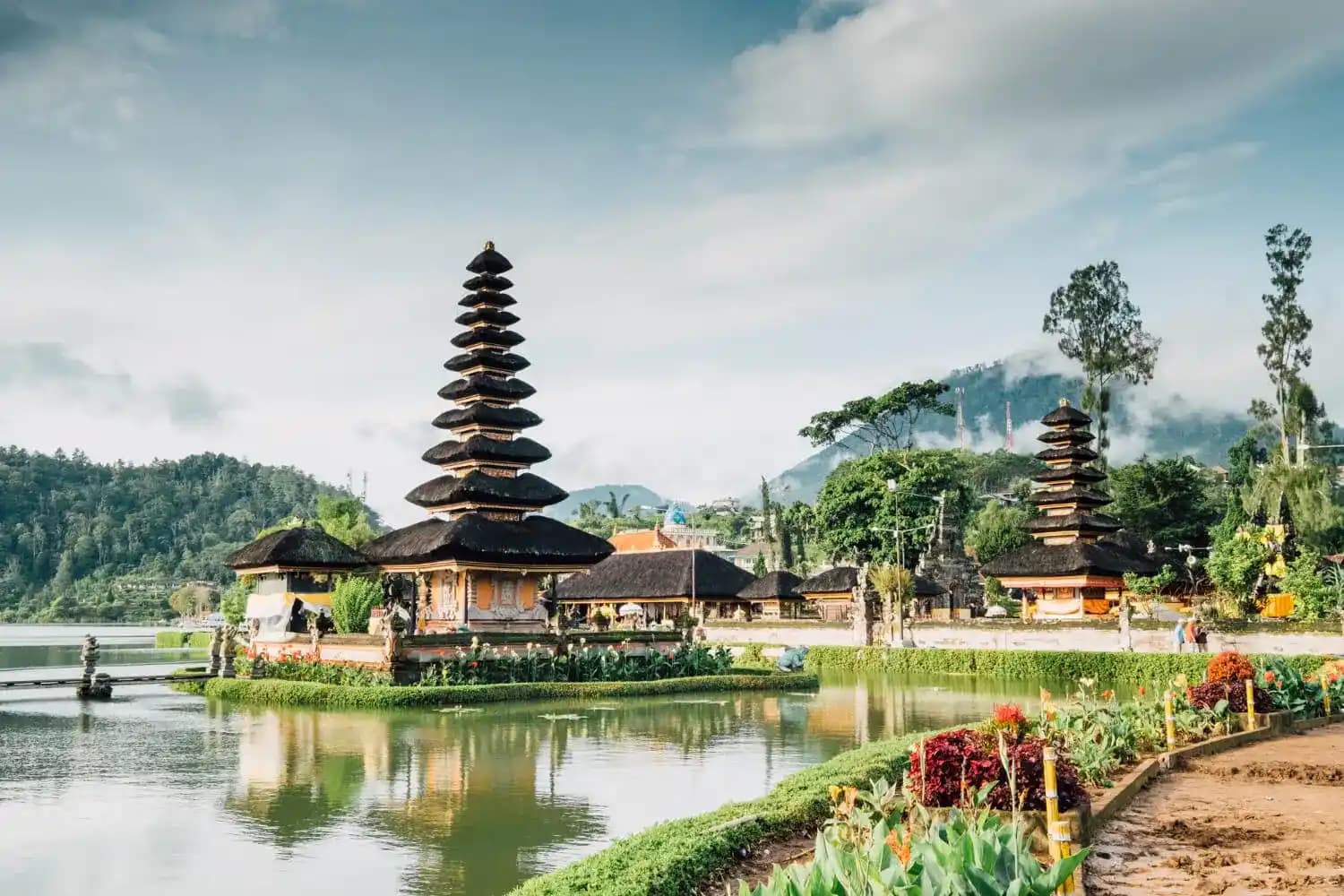

Ulaanbaatar Travel Guide: Mongolia's Capital, Genghis Khan & Gandan Monastery
Ulaanbaatar — Mongolia's capital and home to nearly half the country's population — is the gateway to one of Asia's last great wildernesses. A surreal mix of Soviet-era apartment blocks, gleaming new glass-and-steel skyscrapers, Tibetan Buddhist monasteries and gers (felt tents) still pitched on the city outskirts, Ulaanbaatar is the world's coldest capital (mean annual temperature −1°C) and one of its most unexpectedly fascinating cities. Most travellers spend 2–3 nights here before launching into the Gobi Desert, the Khustai wild-horse steppes or the lakes of the north. With excellent museums, Mongolian barbecue and a thriving contemporary art scene, Ulaanbaatar is the essential Mongolian start.
Explore Tweet World Travel Mongolia Small Group Tour or contact Tweet World Travel for a tailor-made travel experience.

History & Cultural Influence
Ulaanbaatar was founded in 1639 as a Buddhist monastic centre called Örgöö ("Palace"). The city was renamed Ulaanbaatar ("Red Hero") in 1924 after Mongolia became the world's second communist country (after Soviet Russia). The Soviet influence shaped the city's 20th-century architecture — wide Russian-style boulevards, monumental civic squares (Sukhbaatar Square) and the imposing Government Palace.
Modern Ulaanbaatar (often "UB" in international travel circles) is rapidly transforming. Mongolia's mining boom of the 2000s–2010s brought wealth and skyscrapers; the country shifted to a democratic market economy after the 1990 Soviet collapse. Today UB has 1.5 million residents (45% of Mongolia's population), a young and entrepreneurial population, several world-class museums including the National Museum of Mongolia and the Bogd Khaan Winter Palace, and a thriving Mongolian Tibetan-Buddhist revival centred on Gandan Monastery.
Quick facts:
Population: 1.5 million (45% of Mongolia)
Elevation: 1,310m
Distance from Beijing: 2 hours by air
Distance from Moscow: 6 hours by air
Best for: Mongolian history, Buddhist monasteries, Genghis Khan museum, launching point for the Mongolian wilderness
Best season: June–September (only practical visitor window)
Top Attractions
Gandantegchinlen Monastery — Mongolia's most important Buddhist monastery; home of the 26m gold-leaf Migjid Janraisig statue.
Sukhbaatar Square — the city's central square; home to the colossal seated Genghis Khan statue at the Parliament House.
Genghis Khan Equestrian Statue — 54 km east; the world's largest equestrian statue (40m of stainless steel).
National Museum of Mongolia — an excellent chronological tour of Mongolian history from prehistoric to modern.
Bogd Khaan Winter Palace Museum — the residence of Mongolia's last theocratic ruler; Tibetan Buddhist art treasures.
Choijin Lama Temple Museum — 1908 Buddhist monastery now housing the country's best collection of Buddhist art.
Black Market (Naran Tuul) — Mongolia's biggest open-air market; traditional dels, cashmere, hunting saddles.

Must-Try Dishes
Buuz — steamed mutton dumplings; Mongolia's national dish, eaten at Tsagaan Sar (Lunar New Year).
Khuushuur — deep-fried mutton pasties; the Naadam Festival street-food classic.
Tsuivan — hand-cut noodles with mutton and vegetables; Mongolian comfort food.
Khorkhog — mutton cooked with hot stones inside a sealed metal pot; the iconic countryside ger meal.
Airag — fermented mare's milk; mildly alcoholic and a Mongolian summer staple.

Festivals & Local Celebrations
Naadam — 11–13 July: Mongolia's "three manly games" (wrestling, horse-racing, archery) — the country's biggest annual event; Ulaanbaatar's National Sports Stadium hosts the headline events.
Tsagaan Sar (Lunar New Year) — January/February: three-day family festival; gers fill with buuz and dried curds.
Eagle Festival — September/October: in Bayan-Ulgii but the Western Mongolia ambassadors' procession passes through UB.
Mongolian Festival of Independence — 26 November: celebrates Mongolian independence from Manchu China.
Children's Day — 1 June: family-friendly parades and parties.
What to Do
Visit Gandantegchinlen Monastery for morning prayer (6–8am).
Tour the National Museum of Mongolia for context before any countryside trip.
Day-trip to the Genghis Khan Equestrian Statue (54 km east).
Watch Mongolian throat singing (khöömei) and contortion at the Tumen Ekh ensemble nightly show.
Visit the Black Market (Naran Tuul) for authentic Mongolian del coats and hunting gear.
Time your visit for the Naadam Festival (11–13 July) for the country's biggest cultural moment.

Shopping
Gobi Cashmere — Mongolia's flagship cashmere brand; Mongolia produces 30% of the world's cashmere.
Goyo Cashmere — premium cashmere alternative.
Mary & Martha — fair-trade Mongolian handicrafts; supports rural artisans.
Naran Tuul Black Market — traditional dels (long coats), boots, saddles, hunting gear.
Mongolian art galleries (UMA) — contemporary Mongolian art prints.
Weather: Best Time to Visit
June–August (Best): warm summer days 18–28°C; Naadam Festival; ideal for countryside trips.
September: cooler, golden steppe; quieter and beautifully photogenic.
October–April: extremely cold; January average −25°C; only adventurous winter travellers visit.
Air quality tip: winter Ulaanbaatar has serious smog from ger-district coal fires; avoid November–February if respiratory issues.
Cultural Etiquette
Always accept offered food/drink in a ger with the right hand.
Walk clockwise inside Buddhist monasteries; remove hats at shrines.
Don't step on or over a ger threshold — it's considered very disrespectful.
In Mongolian gers, sit only after the host invites; the back wall is sacred (no one stands with back to it).
Tip your guide USD 15–20/day; driver USD 10–15/day in countryside trips.
Essential Travel Information
Getting there: Daily flights from Beijing (2 hours), Seoul (3 hours), Moscow (6 hours), Hong Kong (4 hours). The Trans-Mongolian Railway connects to Moscow (5 days) and Beijing (30 hours).
Money: ATMs widely available. Cards accepted at hotels and most restaurants. The Mongolian Tugrik (MNT) is the currency.
Connectivity: Reliable 4G via Mobicom and Unitel in UB; patchy in the countryside.
Visa: Visa-free entry for many nationalities for 30 days (including Australia, USA, Germany, France, Israel). e-Visa for others.
Air quality: Winter smog (Nov–Feb) is severe; summer is clean.
Where to Stay
Ultra-luxury — Shangri-La Hotel Ulaanbaatar, The Blue Sky Hotel & Tower.
Boutique — Best Western Premier Tuushin Hotel, Bayangol Hotel.
Mid-range — Holiday Inn Ulaanbaatar, Ramada Ulaanbaatar Citycenter.
Authentic — Ger camp stays available 30 minutes outside the city (Terelj National Park).
Best base: central Sukhbaatar Square for walkable city access; Shangri-La for ultimate luxury comfort.
Explore Tweet World Travel Mongolia Small Group Tour or contact Tweet World Travel for a tailor-made travel experience.
Frequently Asked Questions
Helpful answers for first-timers planning an Ulaanbaatar stop on a Mongolia tour.
How many days should I spend in Ulaanbaatar?
Two to three nights covers the National Museum, Gandan Monastery, Genghis Khan Equestrian Statue and a cultural show. Use UB as the arrival/departure hub for the countryside.
When is the best time to visit Mongolia?
June to September is the only practical window. July for Naadam Festival. August–September is golden steppe season. October–May has extreme cold (−25°C in January).
Is Ulaanbaatar safe?
Generally yes for tourists but watch for petty crime in crowded markets and stations. Avoid the ger districts at night.
Should I attend Naadam Festival?
Yes if visiting in July — Mongolia's greatest cultural moment. Book accommodation and tickets 6+ months ahead.
Do I need a guide for Mongolian countryside travel?
Strongly recommended. Mongolia's vast, signpost-free landscape and harsh weather make self-driving impractical. A good guide makes the difference between an okay and an extraordinary trip.
Our Best-Selling Tours
Follow Us