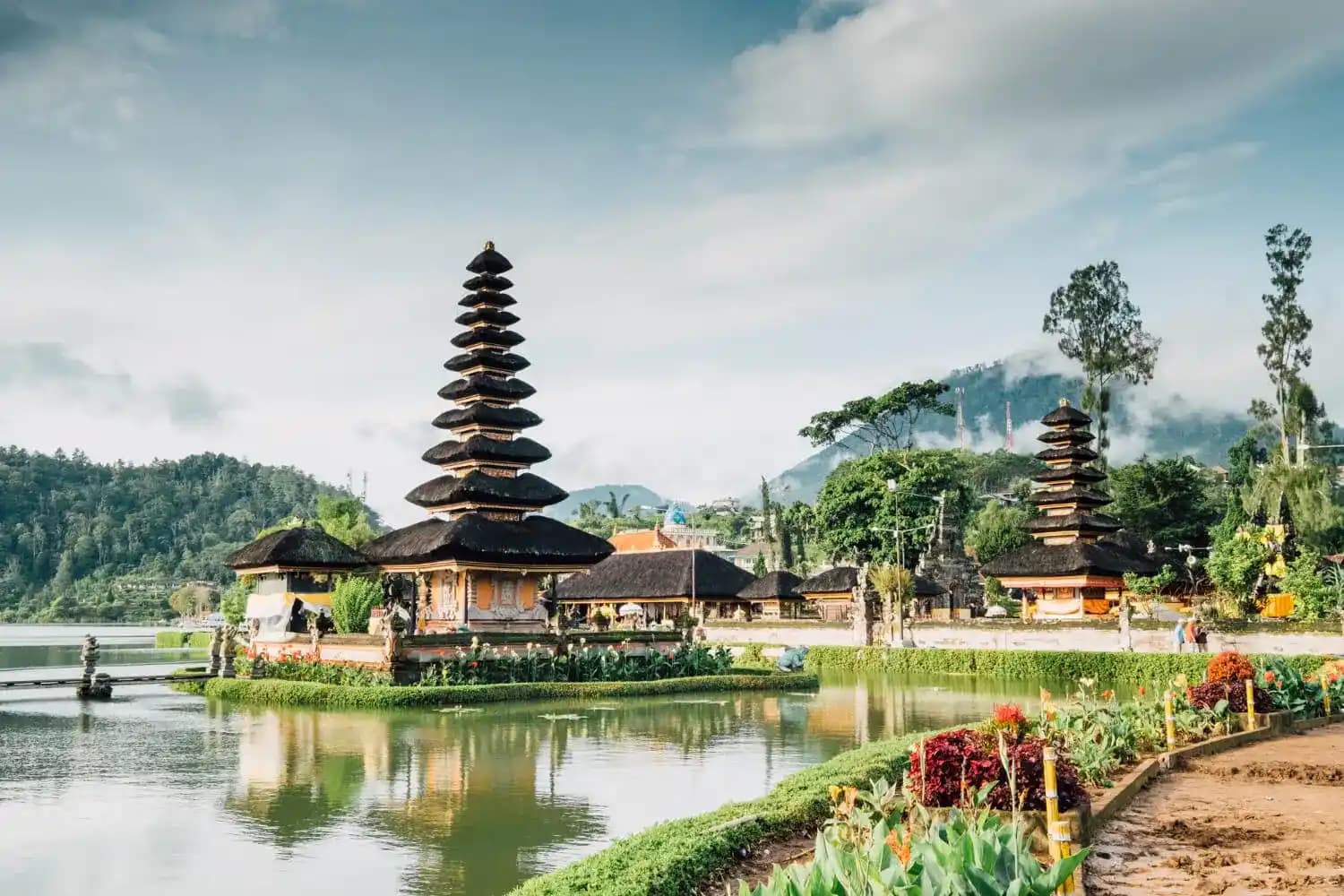

Explore Bayt al Awabi - Oman Travel, Asia
Nestled in the picturesque Al Batinah region of Oman, Bayt al Awabi is a hidden gem waiting to be discovered. For travelers seeking a serene destination that offers authentic Omani experiences, this charming town provides the perfect escape. While not yet overrun by mass tourism, Bayt al Awabi offers a unique glimpse into Oman’s cultural heart. Visitors can explore ancient forts, experience the timeless beauty of wadis (valleys), and immerse in the peaceful atmosphere of this small yet historically significant town.
Population: Approximately 11,000 in 2024.
Economy: Bayt al Awabi's economy is primarily based on agriculture, with date farming and livestock playing central roles. Tourism, handicrafts and small-scale trading also contribute to the growth of the local economy.
Landmarks: Famous for the Bayt al Awabi Fort, Wadi Bani Kharus, and the Sultan Qaboos Mosque.

Overview of Bayt al Awabi
History & Cultural Influence
The town’s history stretches back centuries, with influences from ancient Omani tribes and Islamic civilization shaping its character. One of the most striking landmarks is Bayt al Awabi Fort, a well-preserved fortress that stands as a testament to the region’s defensive heritage. Beyond its strategic importance, Bayt al Awabi reflects the broader cultural traditions of Oman. The influence of Islamic culture is evident in the town's architecture, customs, and religious practices. From the call to prayer echoing from the local mosque to the traditional mud-brick houses that dot the landscape, visitors are reminded of the town's deep respect for its heritage.
Interaction with the Locals
Bayt al Awabi is a small town with a close-knit community, located in Oman's Al Batinah region. The population is modest, primarily made up of Omani citizens who maintain strong ties to their traditions and culture. Many families have lived in the area for generations, contributing to a strong sense of community and cultural continuity. While modernization has touched the town, its residents continue to uphold traditional Omani values, blending the past with the present in their daily lives.

Top Attractions in Bayt al Awabi
Bayt al Awabi may be small, but it’s rich with historical sites and natural beauty. Whether you’re a history buff, nature lover, or just looking to relax in a peaceful setting, there’s plenty to explore in this hidden corner of Oman.
Bayt al Awabi Fort
Standing proudly in the heart of the town, the Bayt al Awabi Fort is the crown jewel of the area’s historical attractions. Built centuries ago, this imposing fortress once protected the town from invaders. Today, it offers visitors a window into the past, complete with its well-preserved architecture and stunning views of the surrounding landscapes. Exploring the fort provides insight into the region’s strategic importance and the defensive measures taken to protect its people.
Wadi Bani Kharus
For those seeking adventure, Wadi Bani Kharus is a must-visit destination. This stunning valley, located just outside Bayt al Awabi, is a paradise for nature lovers. With its rugged terrain, crystal-clear pools, and lush greenery, the wadi is perfect for hiking, picnicking, or simply soaking in the beauty of Oman’s natural landscapes. Wadi Bani Kharus is also home to ancient villages, where visitors can see traditional Omani houses and agricultural terraces still in use today.
Sultan Qaboos Mosque
Though Bayt al Awabi is a historic town, it also boasts modern marvels such as the Sultan Qaboos Mosque. This beautifully designed mosque, named after Oman’s beloved former ruler, showcases the intricate beauty of Islamic architecture. The mosque, with its magnificent minarets and large prayer halls, is more than just a place of worship; it is also a cultural icon that embodies Oman's mix of tradition and modernity.

Must-Try Dishes in Bayt al Awabi
Bayt al Awabi offers a delicious array of traditional Omani cuisine that reflects the region’s rich history and cultural diversity. Visitors can enjoy an authentic taste of Oman, from flavorful seafood to slow-cooked meats and irresistible desserts.
- Shuwa: This dish features lamb marinated in spices like cumin, coriander, and garlic, wrapped in banana or palm leaves, and slow-cooked underground for up to 48 hours. The result is incredibly tender meat that’s packed with flavor.
- Mashuai: Mashuai is a delightful seafood dish made from grilled or roasted kingfish, served with spiced rice. The kingfish is seasoned with a fragrant blend of spices, including turmeric, cinnamon, and cloves, giving the dish a rich flavor.
- Halwa: A must-try Omani dessert, Halwa is a sweet confection made with dates, rosewater, saffron, and ghee. It’s often enjoyed with Omani coffee (Kahwa), and its smooth, slightly gelatinous texture makes it a perfect treat for special occasions or as an afternoon snack.
- Omani Coffee (Kahwa): No Omani meal is complete without a cup of Kahwa, which is traditionally brewed with cardamom and served alongside dates. The combination of the bitter coffee and sweet dates creates a perfect balance of flavors.
- Harees: Another popular dish, especially during Ramadan, Harees is made from wheat and meat (usually chicken or lamb). It is cooked slowly until the ingredients blend into a creamy porridge-like consistency. It's hearty, nutritious, and often served during family gatherings or special celebrations.
- Sakina: Sakina is a lesser-known yet delicious local dish made from stewed vegetables such as eggplant, tomatoes, and okra, flavored with a blend of spices and served with rice. It’s a great option for vegetarians and showcases the town’s use of fresh, local produce.

Festivals & Local Celebrations
Bayt al Awabi is rich in culture and tradition, with its people celebrating various festivals and local events throughout the year. These festivals offer visitors an opportunity to experience authentic Omani culture, where traditions, music, and cuisine come together in vibrant displays.
Eid al-Fitr & Eid al-Adha
Two of the most important religious celebrations in Oman, Eid al-Fitr (which marks the end of Ramadan) and Eid al-Adha (Festival of Sacrifice), are celebrated with great joy in Bayt al Awabi. Families gather to pray, exchange gifts, and enjoy festive meals such as Shuwa. Visitors during these festivals may be invited to join communal feasts, offering an excellent opportunity to experience local hospitality and customs.
Camel Races Festival
In rural Oman, camel racing is a popular sport and cultural event, often held during festival seasons or special celebrations. While not unique to Bayt al Awabi, the town sometimes hosts camel races that attract participants and spectators from nearby areas. These races are thrilling to see, and spectators can understand the competitive spirit and significance of camels in Omani culture.
Lailat al Miraj (Night of Ascension)
Lailat al Miraj celebrates the Prophet Muhammad's ascension into heaven. It’s a significant religious observance, and in Bayt al Awabi, locals gather in mosques for prayers and recitations from the Qur’an. Although more of a spiritual occasion than a festive one, it offers travelers a chance to understand the town’s religious customs and participate in the peaceful reflection that accompanies the day.

What to Do in Bayt al Awabi
- Hiking & Trekking in Wadi Bani Kharus: One of the top attractions in Bayt al Awabi is Wadi Bani Kharus, a stunning valley with rugged landscapes and crystal-clear pools. This wadi is perfect for hiking, offering trails that range from easy walks to more challenging treks. Along the way, you’ll pass ancient villages and terraced farms, where traditional Omani lifestyle is still preserved.
- Cultural Tours: For those interested in Omani history and culture, guided tours of Bayt al Awabi’s historical sites are highly recommended. You can visit the Bayt al Awabi Fort, explore traditional mud-brick houses, and learn about the town’s rich heritage from knowledgeable local guides.
- Camping and Stargazing: With its clear skies and tranquil environment, Bayt al Awabi is an ideal destination for camping and stargazing. You can set up a camp in the desert or near a wadi, and enjoy a night under the stars. The area’s minimal light pollution makes it perfect for seeing the Milky Way and other celestial wonders.
Shopping in Bayt al Awabi
- Souq Markets: While Bayt al Awabi is a quieter town, it is close to several souqs (traditional markets) in nearby cities. These markets are the perfect places to find handmade pottery, silver jewelry, and textiles.
- Handicraft Stores: The town’s residents are skilled artisans, known for creating traditional Omani daggers (khanjars), woven baskets, and other handicrafts. These items are often made using methods passed down through generations, ensuring you take home a piece of genuine Omani heritage.
- Frankincense and Perfume Specialty Stores: Oman is world-renowned for its frankincense, and Bayt al Awabi offers the chance to buy some of the finest quality. For generations, frankincense has been a symbol of Oman, utilized both religiously and medicinally. Additionally, visitors can purchase locally made perfumes, many of which are crafted with rosewater and other natural ingredients.

Weather in Bayt al Awabi: Best Time to Visit
Understanding the weather conditions in Bayt al Awabi is crucial for planning your visit. The town experiences a desert climate, characterized by hot summers and mild winters, which is typical of Oman’s inland regions.
Summer in Bayt al Awabi
The summer months in Bayt al Awabi can be extremely hot, with temperatures often exceeding 40°C (104°F). It’s a dry heat, with little humidity, but the intense sun can make outdoor activities uncomfortable during the day. If you visit during this period, early morning or late afternoon excursions are recommended, and it’s important to stay hydrated and protect yourself from the sun.
Winter in Bayt al Awabi
Winter is the peak tourism season in Bayt al Awabi. The weather is pleasant, with daytime temperatures ranging from 20°C to 25°C (68°F to 77°F), making it ideal for exploring the town and surrounding areas. Nights can be cooler, especially in the desert or mountainous regions, so it’s advisable to bring a light jacket. Winter is also the perfect time for hiking, camping, and outdoor activities in Wadi Bani Kharus and other natural attractions.
Raining Times in Bayt al Awabi
Rainfall in Bayt al Awabi is sparse, with most of it occurring between December and February. Even during the rainy season, showers are brief and not heavy. These rains, however, are vital for agriculture and help fill the falaj irrigation systems, which support local farming.

Essential Travel Information
Getting Around Bayt al Awabi
- Car Rental: Renting a car is highly recommended, especially if you plan to visit nearby wadis, mountains, or remote villages. For a more personalized experience, you can hire a private driver or a local guide. This can be a stress-free way to explore the region, especially if you’re unfamiliar with the local roads or want to learn more about the area’s history and culture from a knowledgeable guide.
- Public Transport: Public transportation is limited in Bayt al Awabi. There are a few bus routes connecting the town to larger cities like Muscat, but these are not frequent, and services can be unpredictable. For travelers on a tight schedule, public transport may not be the best option.
- Taxis: Local taxis are available, but it’s advisable to agree on a fare before starting your journey, as most taxis in smaller towns do not use meters. Taxis are best for short trips within the town or to nearby attractions.
ATM & Banking Services
When visiting Bayt al Awabi, it's important to be aware that ATMs are available, though they may be limited to key locations such as petrol stations or along main roads. It's always wise to carry cash, as many smaller shops, markets, and restaurants may not accept credit or debit cards. For more comprehensive banking services, including currency exchange and international transfers, you'll need to visit nearby towns.
Where to Stay in Bayt al Awabi
- Traditional Guesthouses: For an authentic cultural experience, consider staying in one of the traditional Omani guesthouses. These guesthouses are often family-run and provide a warm, local atmosphere. Rooms are typically simple but comfortable, often decorated in a Bedouin style, and guests can enjoy home-cooked meals and Omani hospitality.
- Desert Camps: For those seeking adventure, desert camps near Bayt al Awabi provide a truly unique experience. You’ll stay in Bedouin-style tents surrounded by the serene desert landscape. These camps offer activities like camel riding, stargazing, and traditional meals under the stars.
- Hotels and Resorts: There are also a range of hotels and resorts located in nearby towns, offering a variety of accommodation levels from budget to luxury. These hotels are ideal for travelers who prefer more modern amenities and easy access to services, while still being close enough to explore Bayt al Awabi and its attractions.
Articles for you

Explore Khasab - Oman Travel, Asia
Nestled in the rugged beauty of Oman’s Musandam Peninsula, Khasab offers travelers an unforgettable blend of culture, history, and natural wonders. Known as the "Norway of Arabia" due to its stunning fjord-like inlets, Khasab is a sanctuary for adventurers, nature lovers, and history buffs. With crystal-clear waters, towering cliffs, and warm Omani hospitality, this serene destination is perfect for those seeking both relaxation and exploration. Whether it's cruising through the breathtaking Musandam fjords or diving deep into Khasab’s rich cultural history, there’s something for everyone in this coastal paradise.
Population: Approximately 30,000 in 2020.
Economy: Khasab's economy thrives on fishing, tourism, and small-scale trade, with a growing focus on attracting visitors to its natural beauty and cultural heritage, particularly through eco-tourism and maritime activities.
Landmarks: Famous for the Khasab Castle, Musandam Fjords, and the Jebel Harim.

Explore Nizwa - Oman Travel, Asia
Nizwa, often referred to as the "Pearl of Islam," is one of Oman's most treasured cities. Nestled in the heart of the Al Dakhiliyah region, Nizwa blends ancient history with vibrant modernity, making it a must-visit destination for travelers. Historically significant as Oman’s former capital, the city is a living museum of Omani culture, filled with stunning architecture, bustling markets, and welcoming locals. If you’re seeking a destination with historic forts, scenic mountain views, and its deeply rooted traditions intertwine, Nizwa is an ideal place for an unforgettable travel experience.
Population: Approximately 72,000 in 2023.
Economy: Nizwa's economy is driven by agriculture, tourism, and traditional crafts. The city is known for its production of dates, its bustling souq, and historical significance that attracts many visitors.
Landmarks: Famous for the Nizwa Fort, Nizwa Souq, and the Falaj Daris.

Explore Salalah - Oman Travel, Asia
Salalah, the capital of Oman's Dhofar region, is a rising star in the Middle Eastern tourism industry. Nestled between the Arabian Sea and the Dhofar Mountains, this seaside paradise provides an unforgettable travel experience. This city is a destination for nature lovers, history enthusiasts, and adventure seekers alike. Whether you’re trekking through misty mountains, relaxing on pristine beaches, or discovering ancient trade routes, Salalah has something for everyone. With its tropical climate, rich cultural heritage, and stunning scenery, it’s no wonder this city is becoming a must-see destination for travelers.
Population: Approximately 440,000 in 2022.
Economy: Salalah's economy thrives on tourism, agriculture, and the export of frankincense. The city also benefits from its port, supporting trade and logistics, along with a growing industrial sector.
Landmarks: Famous for the Al Mughsail Beach, Wadi Darbat, and the Frankincense Land Museum.

Explore Muscat - Oman Travel, Asia Tweet Tours
Muscat, the capital city of Oman, offers travelers a perfect blend of history, culture, and natural beauty. Nestled between the rugged Hajar Mountains and the sparkling Arabian Sea, this picturesque city captivates visitors with its pristine beaches, historic forts, and modern architecture. From wandering through vibrant souks filled with handcrafted goods to exploring ancient landmarks steeped in history, Muscat invites you to immerse yourself in the heart of Omani culture. Whether you’re an adventurer, a history enthusiast, or a foodie, Muscat has something special for every traveler.
Population: Approximately 1.7 million in 2024.
Economy: Muscat's economy thrives on oil and gas exports, tourism, and trade. As Oman's capital, it plays a key role in the nation’s financial sector, with growing investments in infrastructure and logistics.
Landmarks: Famous for the Sultan Qaboos Grand Mosque, Royal Opera House Muscat, and the Al Jalali and Al Mirani Forts.


Our Best-Selling Tours
Follow Us