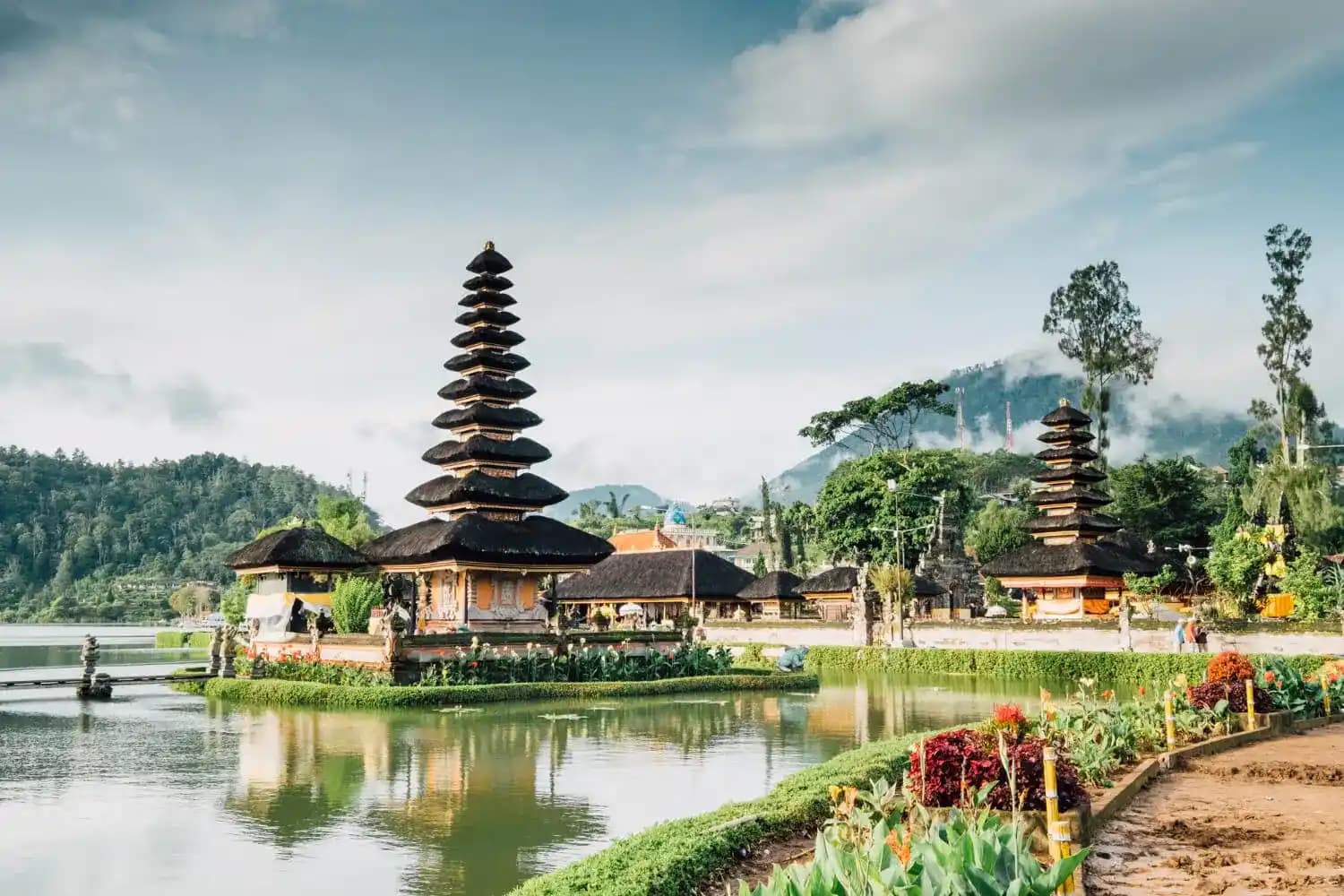

Explore Cape Town - South Africa Travel, Africa
Cape Town, or the "Mother City", is tucked between the majestic Table Mountain and the deep-blue Atlantic Ocean. It offers a rare blend of breathtaking landscapes, rich history, and vibrant culture. Whether you're an adventure seeker, a history buff, or simply looking to relax, Cape Town promises something for your every need. Let's travel to this brilliant city and explore its must-visit sites, cultural experiences, and local hidden gems that will ensure you make the most of your journey to Cape Town.
Population: Approximately 4.8 million in 2022.
Economy: Cape Town's economy thrives on tourism, finance, and trade, with strong sectors in agriculture, manufacturing, and tech. The city is a major hub for business and economic growth in South Africa.
Landmarks: Famous for the Table Mountain, Cape Point & Cape of Good Hope, and the Robben Island.

Overview of Cape Town
History & Cultural Influence
Cape Town, established back in 1652 by the Dutch East India Company as a refreshment stop for ships traveling east, has developed into a colonial hotspot due to its strategic location. Over time, it became home to diverse communities, including Dutch, British, Malaysian, and indigenous groups. Culturally, the legacy of Apartheid, South Africa’s infamous period of racial segregation, is still visible and shaped Cape Town’s spirit of resilience, reconciliation and hope. Today, landmarks like Robben Island, where Nelson Mandela was imprisoned, offer a glimpse into the country’s struggle for freedom.
Interaction with the Locals
Cape Town is home to a diverse population making it one of South Africa's largest cities. The city's residents, known as Capetonians, come from a variety of cultural backgrounds, reflecting its rich history. The population is a mix of African, European, and Asian descent, including significant Cape Malay, Xhosa, and Afrikaans communities. This diversity is evident in the city’s languages, with English, Afrikaans, and isiXhosa widely spoken. Capetonians are known for their friendly, laid-back demeanor, making visitors feel welcome and at ease in this vibrant, multicultural city.

Top Attractions in Cape Town
Table Mountain
Towering over the city, Table Mountain is Cape Town's most iconic landmark. Adventurers can reach the top via one of numerous paths, including the famous Platteklip Gorge, which takes 1.5 to 2 hours. For those looking for a more relaxed ascent, the Table Mountain Aerial Cableway offers a swift and scenic ride to the top. The panoramic views from the summit stretch across the city, its coastline, Robben Island, and part of the Cape Floral Region, a UNESCO World Heritage site.
Robben Island
Robben Island, located just off the coast of Cape Town, is a significant historical site where Nelson Mandela and other political prisoners were held during apartheid. A tour led by local guides, will offer a powerful and personal recount of the country's struggle for freedom. The ferry ride to the island also provides stunning views of Cape Town’s skyline and Table Mountain from the water, adding to the overall experience.
Cape Point & Cape of Good Hope
Cape Point, located in Table Mountain National Park, is where the Cape Peninsula's craggy cliffs meet the huge ocean. A visit here is filled with stunning coastal landscapes, diverse wildlife, and dramatic sea views. You can hike to the Cape Point Lighthouse, take a scenic drive through the park, or explore the beaches and trails in the Cape of Good Hope section. Keep an eye out for wildlife, including baboons, zebras, and ostriches, which roam freely in the area.
Kirstenbosch National Botanical Garden
Situated at the eastern foot of Table Mountain, this UNESCO World Heritage site is world-renowned for its rich collection of South African flora, particularly its native fauna. The Boomslang Canopy Walkway, an elevated walkway, offers visitors a bird’s-eye view of the gardens and surrounding landscape. It's a serene spot for nature lovers, with well-marked paths for leisurely walks, picnic spots, and even outdoor concerts during the summer months. Be sure to check out the Protea Garden, showcasing South Africa's national flower, and the medicinal plant section, which highlights traditional uses of local flora.

Must-Try Dishes in Cape Town
Cape Town’s cuisine is a delightful reflection of its history and cultural diversity. From traditional Cape Malay cuisine to freshly caught seafood, the food here offers a truly authentic taste of the city.
- Bobotie: A classic South African dish with Cape Malay origins, bobotie is a baked dish of spiced minced meat topped with an egg custard, often served with yellow rice, sambals, and chutney. The sweet and savory mix makes it a must-try for anyone looking to experience Cape Town’s unique flavors.
- Bunny Chow: Originally from Durban but widely enjoyed in Cape Town, bunny chow is a hollowed-out loaf of bread filled with spicy curry. It’s perfect for a quick and hearty meal, and you can find variations with chicken, lamb, or vegetarian fillings.
- Cape Malay Curry: Known for its fragrant, mild spices, Cape Malay curry is often made with chicken or lamb, blended with cinnamon, turmeric, and cardamom. Served with rice and sambals, this dish is a flavorful representation of Cape Town’s multicultural heritage.
- Gatsby: A true Cape Town classic, the Gatsby is a massive sandwich packed with fillings like steak, chicken, or calamari, along with fries, salads, and sauces. Best shared with friends, this local favorite is found in eateries across the city, especially in the Cape Flats area.
- Denningvleis: Another Cape Malay dish, denningvleis is a slow-cooked lamb stew with tamarind and spices, giving it a tangy and sweet taste. The unique blend of spices creates a delicate balance of flavors that highlights Cape Town’s Malay influence.
- Waterblommetjie Bredie: A unique dish native to the Western Cape, waterblommetjie bredie is a stew made with waterblommetjies (edible water flowers) and meat, usually lamb. The flowers add a slightly earthy flavor to the dish, making it an authentic Cape experience.

Festivals & Local Celebrations
Cape Town is alive with festivals and celebrations throughout the year, offering visitors a chance to experience its cultural vibrancy firsthand. These festivals give travelers the chance to engage with Cape Town’s culture in a fun, interactive way. No matter when you visit, there’s likely to be an event that adds an extra layer of excitement to your trip.
- Cape Town International Jazz Festival: Known as "Africa’s Grandest Gathering," this two-day festival is one of the largest jazz events on the continent. It features world-class musicians from across the globe, performing at various venues in the city. Jazz enthusiasts will love the mix of local and international talent showcased at this event.
- Kaapse Klopse (Cape Minstrel Carnival): Held annually on January 2nd, this colorful street parade is a New Year’s celebration unlike any other. Thousands of performers dressed in bright, flamboyant costumes parade through the streets playing traditional songs, singing, and dancing. The festival celebrates Cape Town’s mixed heritage and has its roots in the city’s slave history.
- Kirstenbosch Summer Concerts: During the summer months, the Kirstenbosch National Botanical Garden transforms into an outdoor concert venue, hosting live music performances ranging from local artists to international acts. With the beautiful gardens and Table Mountain as a backdrop, it’s a magical way to spend an evening.
- Cape Town Carnival: Held every March, the Cape Town Carnival is a vibrant display of the city’s cultural diversity. The carnival features elaborate floats, dancers, and performances, drawing both locals and tourists. It’s a joyful celebration that reflects the creativity and spirit of Cape Town’s communities.

What to Do in Cape Town
Cape Town offers a wide range of activities for tourists, catering to different interests and adventure levels. From land to sea, Cape Town provides endless activities for all kinds of travelers.
- Hiking & Adventure: Cape Town is an outdoor enthusiast's dream. Besides the iconic Table Mountain hike, you can explore trails in Lion's Head, Signal Hill, or Cape Point. For a more adrenaline-pumping experience, try paragliding off Signal Hill, cage diving with sharks in Gansbaai, or surfing at Muizenberg Beach.
- Wine Tasting in Stellenbosch & Franschhoek: Cape Winelands is one of the world’s best wine regions. Stellenbosch and Franschhoek provide not just superb wines, but also breathtaking vineyard vistas. Wine-tasting tours allow you to sample South Africa’s finest varieties, including Chenin Blanc and Pinotage, paired with local cuisine.
- Whale Watching in Hermanus: From June to November, the coastal town of Hermanus becomes a prime location for whale watching. Southern Right Whales migrate here, and you can spot them from the shore or take a boat tour for a closer look.
- Explore the Cape Peninsula: A scenic drive around the Cape Peninsula takes you through breathtaking landscapes, charming towns, and stunning viewpoints like Chapman’s Peak Drive. Don't miss the opportunity to see the Boulders Beach penguin colony, which is home to a lovely population of African penguins.
Shopping in Cape Town
Cape Town offers a diverse shopping experience, ranging from upscale malls to vibrant street markets. From traditional markets to luxury malls, there’s something to suit every taste and budget.
- V&A Waterfront: This bustling shopping hub features a wide range of international brands, local designers, and artisanal boutiques. The V&A Market on the Wharf offers unique local crafts, gourmet food, and handmade items, perfect for souvenirs.
- Greenmarket Square: One of the oldest markets in Cape Town, Greenmarket Square is the go-to place for African arts, crafts, and curios. From beadwork to hand-carved wooden figures, it’s an ideal spot to pick up authentic keepsakes and support local artisans.
- The Old Biscuit Mill: Located in Woodstock, this market is a haven for lovers of art, food, and design. It’s home to some of the best local talent, showcasing everything from handmade clothing to gourmet treats.

Weather in Cape Town: Best Time to Visit
Cape Town’s climate is characterized by its Mediterranean weather, which makes it an attractive destination year-round.
- Spring in Cape Town: Spring is a lovely time to visit Cape Town, with temperatures ranging from 15°C to 25°C (59°F to 77°F). The weather is pleasantly warm, and the city’s gardens, including Kirstenbosch, are in full bloom. This is also a great time for outdoor activities and enjoying the city’s natural beauty.
- Summer in Cape Town: Cape Town's summers are hot and dry, with temperatures varying between 20°C to 30°C. This is the main tourism season, when visitors may enjoy the city's beaches, outdoor activities, and festivals. It's the best time to visit for those wanting to experience Cape Town’s vibrant summer vibe and sunny weather.
- Autumn in Cape Town: Autumn brings milder temperatures, ranging from 15°C to 25°C (59°F to 77°F), and less crowded attractions. The weather remains relatively pleasant, making it an ideal time for wine tours in the Cape Winelands and enjoying outdoor sites without the summer crowds.
- Winter in Cape Town: Winters are colder and wetter, with temperatures between 7°C and 18°C (45°F to 64°F). Rain is more frequent, but this season offers unique experiences like whale watching in Hermanus and fewer tourists. It’s also a good time for indoor activities and exploring Cape Town’s cultural sites.

Essential Travel Information
Getting Around Cape Town
- Public Transport: Cape Town offers several public transport options, including the bus and train service, which covers major routes around the city and to key attractions and the surrounding areas. For local travel, buses and minibus taxis are widely used, though they may be less predictable.
- Car Rentals: Renting a car is a popular option for exploring Cape Town and the surrounding regions at your own pace. The city is well-connected with good road infrastructure.
- Taxis & Ride-Sharing: Taxis are available throughout the city, and ride-sharing services like Uber and Bolt are widely used. They offer a convenient and often more reliable way to get around compared to traditional taxis.
- Cycling & Walking: Cape Town is increasingly bike-friendly with several dedicated cycling lanes and bike rental services. Many attractions are within walking distance, especially in the central areas like the V&A Waterfront and the city center.
ATM & Banking Services
Accessing cash and banking services in Cape Town is convenient and straightforward. ATMs are widely available throughout the city, including at shopping centers, major tourist areas, and public places, where international cards are generally accepted. For banking needs, numerous branches are scattered across Cape Town, offering various services. Currency exchange is also easily accessible at airports, exchange bureaus, and some banks, allowing travelers to convert their money efficiently.
Where to Stay in Cape Town
- Luxury Hotels: For those seeking opulence, Cape Town features several high-end hotels that provide exceptional amenities, stunning views, and top-notch service. These lodgings cater to those looking for a premium experience, with exclusive facilities and personalized services.
- Boutique Hotels: Boutique hotels offer a more personalized and intimate experience. These accommodations are known for their unique design, stylish interiors, and a focus on providing a distinctive and charming stay with local flair.
- Guesthouses: Guesthouses and bed and breakfasts provide a homier atmosphere and often feature family-run operations. They offer comfortable accommodations with personalized service, along with local insights and a cozy, welcoming environment.
- Budget Hostels: For budget-conscious travelers, Cape Town’s hostels provide affordable options with basic amenities. These hostels are centrally located and offer a chance to meet fellow travelers while exploring the city without breaking the bank.
Articles for you

Explore Durban - South Africa Travel, Africa
Durban, located on South Africa's eastern coastline, is a lively city that seamlessly mixes relaxed beach moods with rich cultural activities. Known for its subtropical climate, golden sandy beaches, and buzzing local life, Durban stands out as one of the country’s premier travel destinations. From thrilling outdoor activities along the Golden Mile to exploring markets filled with Indian spices and Zulu crafts, visitors are spoilt for choice. Let's uncover the best that this remarkable city has to offer, from its diverse cultural heritage to its incredible food and friendly locals.
Population: Approximately 3.3 million in 2024.
Economy: Durban’s economy thrives on tourism, shipping, manufacturing, and agriculture. As South Africa’s busiest port city, Durban supports trade, industry, and a growing tourism sector.
Landmarks: Famous for the Moses Mabhida Stadium, uShaka Marine World, and the Golden Mile.

Explore East London - South Africa Travel, Africa
East London, nestled on South Africa’s stunning Eastern Cape coastline, is a hidden gem offering rich cultural experiences and beautiful natural landscapes. Known for its laid-back charm, warm hospitality, and pristine beaches, this coastal city seamlessly blends history with modern attractions. Whether you’re an adventurer looking to explore its wildlife reserves or a culture enthusiast wanting to dive into Xhosa traditions, East London has something for everyone.
Population: Approximately 400,000 in 2024.
Economy: East London's economy is diverse, driven by manufacturing, trade, and tourism. The city is a key port, with industries including automotive and steel, contributing to its economic growth and development.
Landmarks: Famous for the Nahoon Beach, Steve Biko Centre, and Inkwenkwezi Private Game Reserve.

Explore Mbombela - South Africa Travel, Africa
Mbombela (previously known as Nelspruit) is a lively city in Mpumalanga, South Africa, that acts as a gateway to some of the country's most breathtaking natural treasures, including the well-known Kruger National Park. Known for its lush subtropical landscape, Mbombela draws travelers with its unique blend of wildlife, culture, and history. Whether you're seeking adventure or looking to immerse yourself in local traditions, this city offers an unforgettable experience.
Population: Approximately 820,000 in 2022.
Economy: Mbombela's economy majors in tourism, agriculture, and trade. It benefits from its proximity to Kruger National Park, thriving with local markets, retail, and services that support the region’s growth
Landmarks: Famous for the Lowveld National Botanical Garden, Kruger National Park, and Sudwala Caves.

Explore Pretoria - South Africa Travel, Africa
Welcome to Pretoria, South Africa's dynamic capital city! Known for its rich history and vibrant cultural scene, Pretoria offers an exceptional blend of tradition and modernity. As one of South Africa's three major metropolitans, it serves as the administrative hub of the country, making it a focal point for political and historical exploration. Whether you're drawn by its impressive historical landmarks, lush green spaces, or unique local cuisine, Pretoria promises an unforgettable experience.
Population: Approximately 2.8 million in 2023.
Economy: Pretoria's economy runs on key sectors including government, education, manufacturing, and services. The city is a hub for business and government activities, contributing significantly to South Africa’s economy.
Landmarks: Famous for the Union Buildings, Voortrekker Monument, and Pretoria National Botanical Garden.


Our Best-Selling Tours
Follow Us