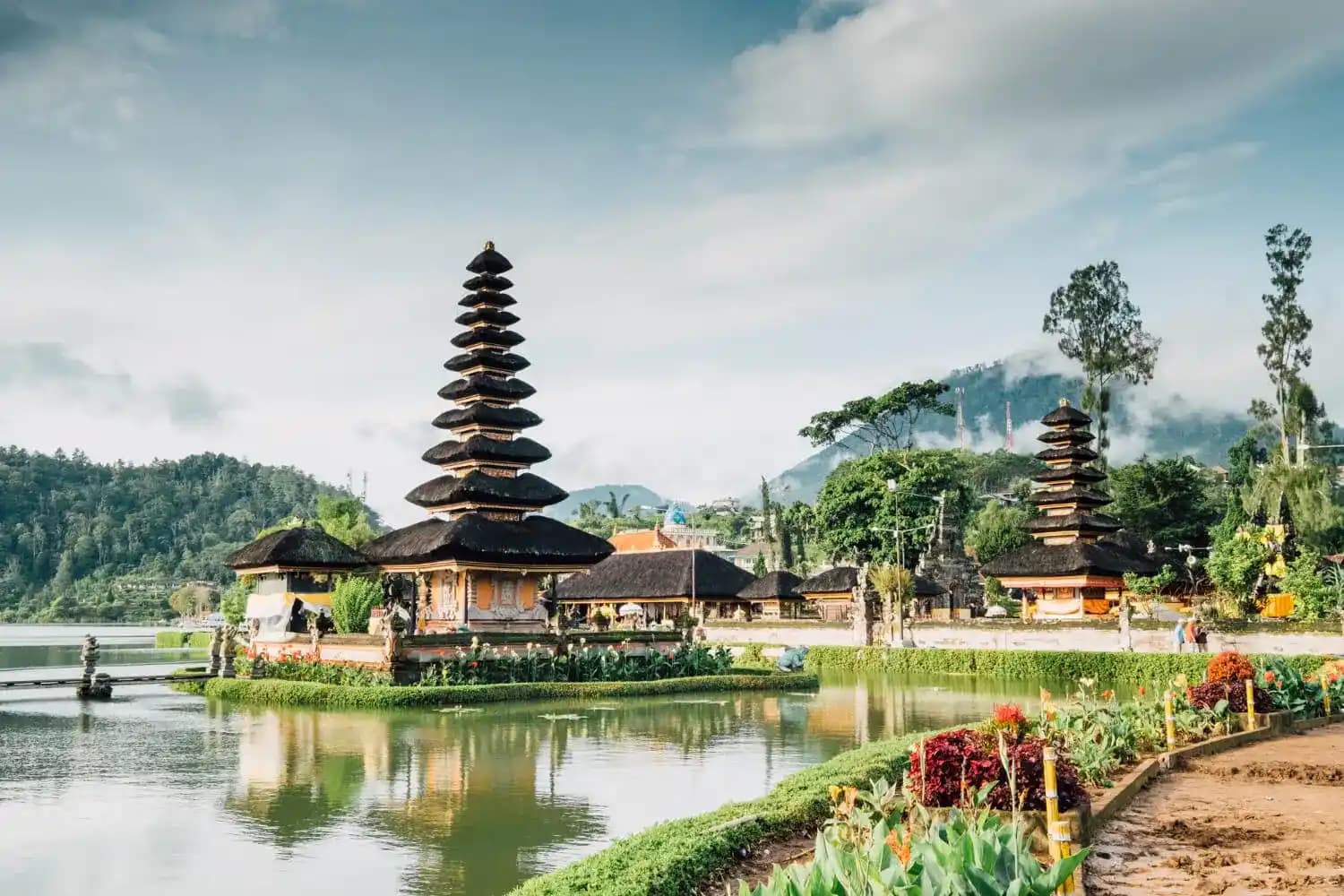

Explore Dahab - Egypt Travel, Africa
Located along the serene coastline of the Sinai Peninsula, Dahab stands as a hidden gem of Egypt for travelers seeking both adventure and relaxation. This charming town, once a quiet Bedouin fishing village, has transformed into a vibrant destination known for its breathtaking natural beauty and welcoming atmosphere. With its pristine beaches, crystal-clear waters, and a backdrop of rugged mountains, Dahab offers an unforgettable escape from the everyday hustle and bustle. Whether you're looking to dive into the azure depths of the Red Sea, explore ancient trails, or simply soak up the sun on tranquil shores, Dahab has something for every type of traveler.
Population: Approximately 3.1 million in 2021.
Economy: Dahab's economy thrives on tourism, driven by its beaches, diving spots, and outdoor activities. The local economy also benefits from small-scale trade, fishing, and eco-tourism initiatives.
Landmarks: Famous for the Blue Hole, Mount Sinai, and the Ras Abu Galum.

Located along the serene coastline of the Sinai Peninsula, Dahab stands as a hidden gem of Egypt for travelers seeking both adventure and relaxation. This charming town, once a quiet Bedouin fishing village, has transformed into a vibrant destination known for its breathtaking natural beauty and welcoming atmosphere. With its pristine beaches, crystal-clear waters, and a backdrop of rugged mountains, Dahab offers an unforgettable escape from the everyday hustle and bustle. Whether you're looking to dive into the azure depths of the Red Sea, explore ancient trails, or simply soak up the sun on tranquil shores, Dahab has something for every type of traveler.
Population: Approximately 3.1 million in 2021.
Economy: Dahab's economy thrives on tourism, driven by its beaches, diving spots, and outdoor activities. The local economy also benefits from small-scale trade, fishing, and eco-tourism initiatives.
Landmarks: Famous for the Blue Hole, Mount Sinai, and the Ras Abu Galum.

Overview of Dahab
History & Culture Influence
Dahab’s rich history and cultural heritage are integral to its unique charm. Originally a modest Bedouin fishing village, Dahab has been a crossroads of ancient trade routes for centuries. The influence of Bedouin culture is evident in the town's traditional architecture, local crafts, and the warm hospitality of its residents. The town’s name, meaning “gold” in Arabic, reflects its historical significance as a site of ancient trading and its natural allure. Visitors can explore remnants of this storied past in the local architecture and museums, which offer a glimpse into Dahab’s evolution from a secluded outpost to a beloved travel destination.
Interaction with The Locals
The community is predominantly comprised of local Bedouins, who have lived in the region for generations, and a growing number of expatriates and tourists drawn by the town’s charm. The residents are known for their warmth and hospitality, contributing to Dahab’s reputation as a welcoming destination. The blend of traditional Bedouin culture with modern influences creates a unique, multicultural atmosphere in this picturesque town.

Top Attractions in Dahab
Dahab's must-visit sites highlight Dahab’s diverse appeal, offering a unique way to appreciate this enchanting destination's natural beauty and cultural richness.
Blue Hole
The Blue Hole is arguably the most iconic dive site in Dahab and one of the most renowned in the world. This underwater sinkhole, measuring about 130 meters deep, features stunning coral formations and a variety of marine species, including vibrant fish and elusive sea turtles. The site's clear waters and striking geological features make it a favorite among divers of all levels. Whether you’re a seasoned diver looking for an adrenaline rush or a snorkeler eager to glimpse the underwater world, the Blue Hole offers an unforgettable experience.
Mount Sinai
A journey to Mount Sinai is both physical and spiritual. This sacred mountain, believed to be the spot where Moses received the Ten Commandments, draws both pilgrims and explorers. The trek to the summit is best undertaken in the early morning or late evening to witness a breathtaking sunrise or sunset. The climb, which can take 2-3 hours, rewards hikers with panoramic views of the desert landscape and the Sinai Peninsula. The historical significance and the stunning vistas make Mount Sinai a compelling destination for both spiritual seekers and outdoor enthusiasts.
Ras Abu Galum
Ras Abu Galum, located in Ras Mohammed National Park, is a beautiful natural reserve famed for its virgin landscapes and varied marine life. Accessible only by camel or boat, this remote area offers a serene escape from the more tourist-heavy spots. The reserve features stunning beaches with powdery white sand and clear, turquoise waters perfect for snorkeling. The underwater environment is rich with coral reefs, colorful fish, and other marine creatures. For those interested in camping, Ras Abu Galum provides a unique opportunity to experience the tranquility of the desert and sea in one place, with limited amenities ensuring an authentic and intimate connection with nature.

Must-Try Dishes in Dahab
Exploring Dahab’s cuisine provides an opportunity to taste these traditional dishes and immerse yourself in the local culinary culture. Each dish tells a story of Egypt’s culinary heritage, making your dining experiences both delicious and memorable.
- Koshari: Egypt’s beloved national dish, Koshari combines rice, lentils, chickpeas, and pasta, all topped with a tangy tomato sauce and crispy fried onions. It’s a hearty and satisfying meal popular across the country and perfect for trying local flavors.
- Fattah: A celebratory dish often enjoyed during special occasions, Fattah layers rice, crispy bread, and tender meat—usually lamb—drizzled with a garlic and vinegar sauce. This dish is rich in flavor and tradition, offering a taste of Egyptian hospitality.
- Shakshuka: A popular Middle Eastern breakfast dish, Shakshuka features poached eggs in a spicy tomato and bell pepper sauce. Seasoned with cumin and paprika, it’s served with crusty bread for dipping, making it a delicious start to your day.
- Ful Medames: A traditional Egyptian dish, Ful Medames consists of slowly cooked fava beans seasoned with olive oil, garlic, and cumin. Often eaten for breakfast, it’s typically served with bread, eggs, and vegetables, making for a hearty and flavorful meal.
- Bamya: A comforting stew made with okra and tender pieces of meat, Bamya is cooked in a rich tomato sauce with aromatic spices. This dish is a staple in Egyptian cuisine and is often enjoyed with rice or bread.
- Mahshi: This dish features vegetables such as zucchini, bell peppers, and eggplant stuffed with a savory mixture of rice, herbs, and spices. Mahshi is a delicious and satisfying option, showcasing the diverse flavors of Egyptian home cooking.
- Hawawshi: A type of Egyptian meat pie, Hawawshi consists of spiced minced meat stuffed inside a pita bread and baked until crispy. It’s a popular street food that offers a flavorful, portable meal.

Festivals & Local Celebrations
Dahab’s cultural calendar is filled with vibrant festivals and local celebrations that reflect the town’s rich traditions and communal spirit, allowing visitors to immerse themselves in Dahab’s vibrant traditions.
Sinai Camel Festival
Held annually in Dahab, the Sinai Camel Festival is a colorful and lively celebration of Bedouin heritage. This festival features thrilling camel races where riders compete in a display of skill and speed. Visitors can also enjoy traditional music performances, dance shows, and a variety of food stalls offering local delicacies. The festival provides a unique opportunity to witness the Bedouin culture up close, with a focus on their historical and cultural connection to camels, which have been integral to their way of life.
Eid al-Fitr & Eid al-Adha
Eid al-Fitr, which marks the end of Ramadan, is a prominent Islamic event celebrated with great excitement in Dahab. The town comes alive with special prayers held at local mosques, followed by festive gatherings and feasting. Residents dress in new clothes, exchange gifts, and enjoy traditional dishes with family and friends. Following Eid al-Fitr, in Dahab, Eid al-Adha (Festival of Sacrifice) is characterized by festive meals, community gatherings, and special prayers, providing visitors with a chance to observe and participate in this deeply meaningful tradition.
Red Sea Film Festival
Occasionally hosted in Dahab, the Red Sea Film Festival brings a touch of glamour and creativity to the town. This film festival showcases a diverse selection of regional and international films, celebrating the art of cinema with screenings, workshops, and panel discussions. It attracts filmmakers, critics, and film enthusiasts from around the world, adding a cultural and artistic dimension to Dahab’s traditional events.

What to Do in Dahab
- Diving and Snorkeling: With its clear waters and vibrant marine life, Dahab is a paradise for underwater enthusiasts. The Blue Hole and other dive sites offer spectacular opportunities to explore coral reefs, marine species, and underwater landscapes.
- Windsurfing and Kitesurfing: The town's good wind conditions make it an excellent location for windsurfing and kitesurfing. Whether you’re a seasoned pro or a beginner, the shallow waters and consistent breezes provide a perfect environment for these water sports.
- Desert Safaris: Explore the stunning Sinai Desert on a camel or quad bike. Desert safaris offer a chance to experience the dramatic landscapes, including sand dunes, rocky formations, and ancient rock art.
- Hiking and Trekking: In addition to Mount Sinai, Dahab offers numerous trekking trails with breathtaking views. The rugged terrain and varied landscapes provide excellent opportunities for outdoor adventure and exploration.
Shopping in Dahab
- Local Markets: The town’s bustling markets are a treasure trove of local crafts, textiles, and souvenirs. Look for handmade jewelry, colorful rugs, and traditional Bedouin clothing. These markets provide an authentic shopping experience where you can find unique items and interact with local artisans.
- Souvenir Shops: In addition to the markets, Dahab has several souvenir shops offering a variety of keepsakes, including decorative items, art pieces, and traditional Egyptian goods. These shops cater to tourists looking for mementos of their visit.
- Local Craftsmanship: Dahab is known for its local crafts, including intricate woodwork and pottery. Visiting workshops and studios provides insight into the craftsmanship and offers an opportunity to purchase unique, handmade items directly from the artisans.

Weather in Dahab: Best Time to Visit
Spring in Dahab
Spring in Dahab is characterized by mild and pleasant temperatures, ranging from 20°C to 30°C (68°F to 86°F). This season is popular among travelers seeking comfortable weather for outdoor activities and exploring the town’s natural beauty. Spring is ideal for diving, snorkeling, and hiking, as the temperatures are neither too hot nor too cold. Tourist numbers are steady, and it’s a great time to enjoy Dahab before the summer heat arrives.
Summer in Dahab
Summers in Dahab are hot, with temperatures often exceeding 35°C (95°F). Despite the high temperatures, the town remains popular among beachgoers and water sports lovers. The summer months see an influx of tourists from Europe and other regions escaping the hotter climates of their own countries. The pleasant sea air makes it easier to enjoy beach activities and water sports.
Autumn in Dahab
Autumn brings cooler temperatures and lower humidity, with daytime highs ranging from 25°C to 35°C (77°F to 95°F). This season is favored by travelers who prefer milder weather and less crowded conditions compared to summer. It’s an excellent time for exploring both the town and surrounding areas, including desert excursions and cultural experiences.
Winter in Dahab
Dahab has pleasant winters, with the cooler temperatures ranging from 15°C to 25°C (59°F to 77°F), making it a comfortable time for sightseeing and enjoying outdoor activities without the summer heat. While nights can be chilly, daytime weather is ideal for exploring the town and participating in activities like hiking and diving.

Essential Travel Information
Getting Around Dahab
- Taxis: Taxis are a popular mode of transport in Dahab. They are usually easy to find and can be hailed directly or booked through local taxi services. It’s advisable to agree on the fare before starting your journey or ensure the meter is used.
- Rental Vehicles: For more flexibility, renting a car or scooter is a great option. This allows you to explore Dahab and the surrounding areas at your own pace.
- Bicycles and Motorbikes: Many visitors choose bicycles or motorbikes to navigate the town. Dahab’s flat terrain and pleasant weather make cycling a convenient and eco-friendly way to get around.
- Local Shuttles: Some hotels and tour operators provide shuttle services to popular attractions and nearby destinations. These can be a convenient option for organized tours and excursions.
ATM & Banking Services
In Dahab, accessing financial services is convenient for travelers. Numerous ATMs are scattered throughout the town, especially in key areas, allowing for easy cash withdrawals using international credit and debit cards. For currency exchange and other banking needs, you can find local establishments that offer these services. Credit and debit cards are widely accepted in most hotels, restaurants, and shops, but carrying some cash is advisable for smaller transactions and local markets.
Where to Stay in Dahab
- Luxury Hotels: For those seeking upscale amenities and exceptional service, Dahab features several high-end resorts and hotels. These accommodations often boast beachfront locations, elegant rooms, and extensive facilities, including swimming pools, spas, and gourmet dining options, providing a premium experience.
- Mid-Range Hotels: Numerous mid-range hotels offer a comfortable stay with good value. These establishments typically provide essential amenities such as air conditioning, Wi-Fi, and on-site dining, ensuring a pleasant and convenient experience for travelers.
- Budget Lodgings: These options offer basic comforts and are often located close to the town center or popular attractions, making them a practical choice for those looking to save on accommodation costs.
- Guesthouses: For a more personalized touch, consider staying in a local guesthouse or bed and breakfast. These accommodations often provide a homely atmosphere and the opportunity to interact with local hosts, offering a more intimate and cultural experience.
Articles for you

Explore Cairo - Egypt Travel, Africa
Cairo, the capital city of Egypt, is a city where history meets modernity, offering travelers an unforgettable blend of ancient wonders and contemporary life. Known as The City of a Thousand Minarets, Cairo is home to some of the most iconic landmarks in the world. As the gateway to Egypt's rich history, Cairo is the perfect starting point for those looking to immerse themselves in Egyptian culture, both past and present. Whether you’re a history buff, a food enthusiast, or a culture seeker, Cairo’s vibrant energy and warm hospitality will leave you wanting more.
Population: Approximately 10.2 million in 2023.
Economy: Cairo's economy thrives on trade, tourism, and services. As Egypt's capital, it is a hub for commerce, industry, and cultural activities, driving economic growth and offering diverse business opportunities.
Landmarks: Famous for the Pyramids of Giza, Egyptian Museum, and Zamalek.

Explore El Gouna - Egypt Travel, Africa
Nestled along Egypt’s Red Sea coast, El Gouna is a vibrant, eco-conscious resort town that captivates visitors with its pristine beaches, crystal-clear lagoons, and modern infrastructure. Often referred to as the “Venice of the Red Sea,” El Gouna is a picturesque town designed to offer a luxurious escape while embracing sustainability. With its year-round sunshine, world-class amenities, and unique blend of Egyptian and Mediterranean cultures, this destination has become a favorite for travelers who crave both relaxation and adventure.
Population: Approximately 24,000 in 2021.
Economy: El Gouna's economy is driven by tourism, real estate, and water sports, with a focus on luxury resorts and eco-friendly developments.
Landmarks: Famous for the Mangroovy Beach, Zeytouna Beach, and the Abu Tig Marina.

Explore Giza - Egypt Travel, Africa
Giza, one of Egypt's most iconic destinations, offers travelers a unique blend of ancient history and modern charm. Known worldwide for its breathtaking Pyramids and the Sphinx, this city holds a significant place in human history. But Giza is more than just its ancient monuments—it’s a gateway to exploring the rich culture, traditions, and everyday life of Egypt. Whether you’re a history buff, a foodie, or simply looking for an adventure, Giza has something for every traveler.
Population: Approximately 9.2 million in 2021.
Economy: Giza’s economy is driven by tourism, with significant contributions from the hospitality and service sectors. Agriculture and small-scale industries also play a role, supporting the city’s diverse economic base.
Landmarks: Famous for the Great Pyramid of Khufu, The Great Sphinx, and the Grand Egyptian Museum.

Explore Damietta - Egypt Travel, Africa
Nestled on the northern coast of Egypt, Damietta is an underrated yet stunning destination with deep historical roots and a vibrant culture. Known for its picturesque river views, coastal beauty, and renowned furniture craftsmanship, this charming city offers travelers a perfect blend of relaxation and exploration. Whether you're wandering through its historic streets or enjoying a day at Ras El Bar's beaches, Damietta captivates with its unique character. With much to offer, it’s no wonder more and more travelers are discovering the hidden allure of this coastal gem.
Population: Approximately 300,000 in 2021.
Economy: Damietta's economy thrives on furniture manufacturing, agriculture, and fishing, with the city known for its skilled craftsmanship. The port also supports trade, boosting economic activities in the region.
Landmarks: Famous for the Al-Azhar Mosque, The Nile River, and the Ottoman Fort.


Our Best-Selling Tours
Follow Us