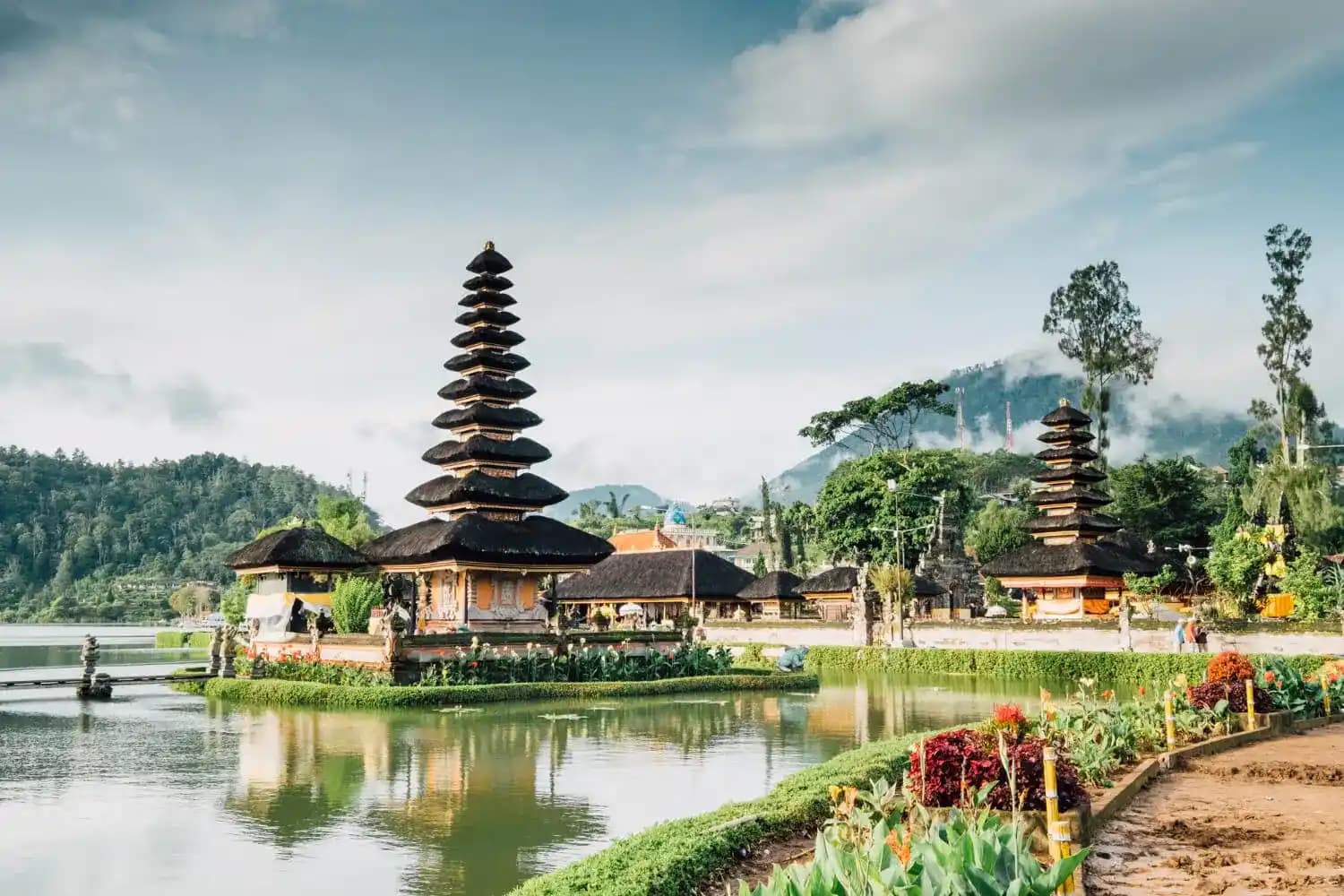

Explore Dambulla - Sri Lanka Travel, Asia
Tucked away in Sri Lanka’s Central Province, Dambulla is more than a stopover—it’s a window into the island’s spiritual soul. This town is best known for the Dambulla Cave Temple, a UNESCO World Heritage Site that guards over two millennia of Buddhist art and devotion. But beyond its famed rock shrines lies a land of rolling hills, vibrant markets, and friendly locals. Just a short drive from Sigiriya Rock Fortress and the Cultural Triangle, it’s the perfect base to explore the heart of Sri Lanka.
Population: Approximately 72,000 in 2022.
Economy: Dambulla’s economy thrives on agriculture, tourism, and trade as a major hub in Sri Lanka’s vegetable and fruit supply chain. Tourism also plays a key role in local crafts, hospitality, and transport services, further supporting the regional economy.
Landmarks: Famous for the Dambulla Cave Temple, Sigiriya Rock Fortress, and The Dambulla Dedicated Economic Centre.

Overview of Dambulla
History & Cultural Influence
Dambulla’s story begins over 2,000 years ago. During the reign of King Valagamba in the 1st century BCE, the caves became a sanctuary for the exiled monarch. After reclaiming his throne, the king transformed these caves into temples, filled with over 150 Buddha statues and vivid ceiling murals. This act laid the foundation for one of Sri Lanka’s most sacred pilgrimage sites: the Golden Temple of Dambulla.
Through the centuries, kings, monks, and artisans added to its grandeur. Today, the temple complex is a living archive of Theravāda Buddhism, showcasing scenes from the Buddha’s life and Sri Lanka’s religious journey. The cave’s ancient paintings, lotus-filled ponds, and stone-carved stupas reflect a fusion of Sinhalese art, Indian influence, and spiritual devotion.
Interaction with The Locals
What makes Dambulla truly special isn’t just its monuments but also its people who live among them. The local Sinhalese community welcomes visitors with warm smiles, simple kindness, and genuine curiosity. Conversations often start with a cup of tea and end with a shared meal or a story.
Dambulla locals are also passionate about their heritage. During temple festivals, they gather for processions, chanting, and lantern lighting. Don’t be surprised if you're invited to join, it’s their way of saying, “You’re part of this, too.”

Top Attractions in Dambulla
Dambulla Cave Temple (Golden Temple of Dambulla)
The crown jewel of Dambulla, this UNESCO World Heritage Site is the largest and best-preserved cave temple complex in Sri Lanka. Nestled under a massive rock overhang, the five caves house more than 150 Buddha statues, serene meditating figures, and vivid ceiling frescoes that date back over 2,000 years.
Each chamber tells a spiritual story through art, from the life of the Buddha to ancient Sinhalese kings who once sought refuge here. The panoramic view from the hilltop is worth the climb, offering a breathtaking glimpse of Sri Lanka’s Cultural Triangle.
Sigiriya Rock Fortress (Lion Rock)
Just 30 minutes from Dambulla lies one of Sri Lanka’s most iconic landmarks, Sigiriya, the “Eighth Wonder of the World.” This ancient rock citadel, rising 200 meters above the plains, was once a royal palace built by King Kashyapa in the 5th century CE.
Climb past colorful frescoes, mirror walls, and lion-paw staircases to reach the summit, where you’ll find the ruins of a sophisticated palace and stunning 360-degree views of the countryside. It’s a must-visit for history lovers, photographers, and adventure seekers.
Pidurangala Rock
For a more serene (and less crowded) alternative to Sigiriya, Pidurangala Rock offers a peaceful climb and equally spectacular views. Along the trail, you’ll pass through a historic cave temple and a reclining Buddha statue carved into the rock. From the summit, you’ll enjoy one of the best sunrise or sunset views in Sri Lanka, with Sigiriya Rock perfectly framed in the distance.
Dambulla Dedicated Economic Centre
If you want to experience local life, head to the Dambulla Economic Centre, the region’s largest wholesale market for fresh produce. You’ll find rows of vibrant fruits, vegetables, and spices coming straight from Sri Lankan farms. This bustling market starts early, ideal for photographers or travelers looking to observe the daily rhythm of rural commerce. While primarily for trade, visitors are welcome to explore and even grab some local snacks.
Ibbankatuwa Megalithic Tombs
Step back even further in time at the Ibbankatuwa Megalithic Burial Site, located just 5 km west of Dambulla. This prehistoric necropolis, dating back over 2,700 years, is one of Sri Lanka’s oldest archaeological sites. It offers a rare look into the early Iron Age civilization that once thrived in the region. The tombs are neatly arranged in stone chambers, many containing pottery, beads, and remnants of tools, evidence of advanced funeral customs and long-distance trade.

Must-Try Dishes in Dambulla
Dambulla is not only rich in culture but also in flavor. Its food scene reflects the soul of Sri Lankan village cooking, with spicy, aromatic, and deeply comforting flavors.
- Kottu Roti: A beloved street food made by chopping flatbread with vegetables, eggs, and meat on a sizzling iron sheet. The clanking sound is as iconic as the dish itself.
- Pol Sambol: Spicy grated coconut mixed with chili, lime, and onion, typically eaten with rice or hoppers.
- Dhal Curry (Parippu): Red lentils slow-cooked in coconut milk with mustard seeds and turmeric. A staple on every plate.
- Kiribath (Milk Rice): Coconut-infused sticky rice, traditionally eaten during festivals or for breakfast.
- Lunu Miris: Fiery onion-chili paste often served with rice or roti.
- Hoppers (Appa): Bowl-shaped crispy pancakes, sometimes with egg in the center, best enjoyed hot with sambol.
- Wood Apple Juice: A thick, tangy drink made from the native fruit. Locals consider it both delicious and medicinal.

Festivals & Local Celebrations
- Vesak Poya (May): The most sacred full moon of the year, celebrating the birth, enlightenment, and passing of the Buddha. Dambulla comes alive with lanterns, light displays, and free meals known as dansal. Locals dress in white and visit the Dambulla Cave Temple for prayers and offerings.
- Poson Poya (June): Commemorates the arrival of Buddhism to Sri Lanka in the 3rd century BCE. Pilgrims travel from across the country to sacred sites like Dambulla and Mihintale, engaging in meditation, chanting, and communal offerings.
- Dambulla Perahera (Variable, Based on Lunar Calendar): A colorful temple procession (perahera) featuring dancers, drummers, elephants adorned in silk, and flame bearers. This festival typically coincides with important Poya days and celebrates the local temple’s sacred relics.
- Sinhala and Tamil New Year (April 13–14): A joyful cultural festival marking the end of the harvest and the traditional New Year. Celebrated with ritual bathing, lighting hearths, preparing milk rice (kiribath), and Avurudu games like pillow fighting and tug-of-war. Locals in Dambulla decorate homes with mango leaves and visit temples to seek blessings for the year ahead.
- Il Poya (October/November): Honors the ordination of the first Buddhist monks. Dambulla temples hold special preaching sessions and almsgiving ceremonies. A quieter but deeply sacred event.
- Paddy Harvest Festival (January–February): In nearby rural areas around Dambulla, villagers hold traditional paddy harvesting rituals to thank the gods for a good yield. Offerings are made at temples, and the first rice is cooked ceremonially.
- Diwali (October–November): While celebrated primarily by Sri Lankan Tamils and Hindus, Diwali, the Festival of Lights, is also observed in multicultural areas near Dambulla. Expect glowing oil lamps (diyas), colorful kolam patterns, and sweet treats.

What to Do in Dambulla
Explore the Dambulla Cave Temple: Walk barefoot into centuries of devotion surrounded by painted ceilings and statues.
- Climb Sigiriya or Pidurangala Rock: Watch the sun rise over Sri Lanka’s Central Province from ancient heights.
- Birdwatching at Kandalama Lake: Spot egrets, kingfishers, and cormorants in a serene natural setting.
- Join a Village Tour: Learn to cook with a local family, plow a paddy field, or ride a bullock cart.
- Visit Namal Uyana: Hike through an ironwood forest to reach the rose quartz mountain and ancient meditation caves.
- Trek Kaludiya Pokuna: Ideal for light hikes and discovering hidden ruins surrounded by birdsong.
- Shop at Dambulla Economic Centre: Wander among crates of bananas, coconuts, and spices. Great for photos and fruit tasting.
Shopping in Dambulla
- Dambulla Dedicated Economic Centre: Sri Lanka’s largest wholesale produce market. While it mainly supplies retailers, travelers are welcome to browse or buy fresh tropical fruits and take in the energy of trade in motion.
- Handicraft Stalls Near the Cave Temple: You’ll find small vendors selling wood carvings, batik fabrics, clay masks, and handwoven mats. Ideal for ethical souvenirs that support local artists.
- Spice Shops & Ayurvedic Stores: Pick up dried cinnamon, cloves, cardamom, or herbal oils used in Ayurvedic medicine, perfect gifts or personal wellness items.
- Street Markets & Pop-up Bazaars: Especially during religious holidays, pop-up stalls offer everything from incense and flowers to temple offerings and traditional sweets.

Weather in Dambulla: Best Time to Visit
Dambulla enjoys a tropical monsoon climate, making it a destination worth visiting throughout the year. However, seasonal variations may impact your travel plans.
- Dry Season (May to September): This is the best time to visit Dambulla. Expect sunny days, minimal rainfall, and comfortable temperatures ranging between 25°C to 32°C. Perfect for hiking Sigiriya or exploring the cave temples.
- Monsoon Season (October to January): The northeast monsoon brings intermittent rains, especially in the early mornings and evenings. Temperatures hover around 22°C to 30°C, and the landscape turns lush and green.
- Transitional Season (February to April): Warm and relatively dry, with temperatures rising to 34°C. This is when you’ll experience Sinhala and Tamil New Year festivities.
Essential Travel Information
Getting Around Dambulla
- By Bus: Frequent buses connect Dambulla with Colombo, Kandy, Anuradhapura, and Polonnaruwa. Budget-friendly and scenic, though often crowded.
- By Train: While Dambulla doesn’t have a station, the nearest railway stops are Habarana and Kurunegala. From there, take a bus or tuk-tuk into town.
- By Taxi or Private Car: A comfortable option for families or small groups. Pre-book through apps or hotels. Many drivers double as local guides.
- By Tuk-Tuk: For short distances or spontaneous temple visits, tuk-tuks are everywhere. Negotiate the price or use a metered ride where possible.
- Bike Rentals: Available at guesthouses or eco-lodges—ideal for cycling through quiet lanes or exploring rice fields.

ATM & Banking Services
- ATMs: You’ll find ATMs from major Sri Lankan banks such as Bank of Ceylon, Commercial Bank, Sampath Bank, and People’s Bank around the town center and near the cave temple area.
- Credit & Debit Cards: Most mid-range and luxury hotels, restaurants, and supermarkets accept cards. Visa and Mastercard are widely used. Always carry some cash for tuk-tuks, small cafes, and local stalls.
- Currency Exchange: Major banks in Dambulla provide exchange services for USD, EUR, GBP, and other popular currencies. Better rates are typically available at banks over hotels.
- Mobile Payments: Mobile apps like FriMi and Dialog Genie are slowly gaining traction, but cash remains king in rural areas.
Where to Stay in Dambulla
- Budget Guesthouses & Homestays: Ideal for backpackers and solo travelers. Clean, simple, and often hosted by friendly locals who offer home-cooked meals and cultural insight.
- Eco-Lodges & Nature Retreats: Perfect for nature lovers and sustainability-minded travelers. These accommodations blend into the surrounding forests and rice fields.
- Mid-Range Hotels: Comfortable rooms with AC, Wi-Fi, and modern amenities. Often within walking distance to the Dambulla Cave Temple or the town markets.
- Luxury Resort: High-end options near Kandalama Lake and Sigiriya, featuring infinity pools, spas, and curated experiences like private temple tours and yoga retreats.
Articles for you

Explore Anuradhapura - Sri Lanka Travel, Asia
Anuradhapura is not just a place to visit, it’s a place to feel. Nestled in Sri Lanka’s North Central Province, this UNESCO World Heritage Site invites travelers to walk among sacred stupas, ancient ruins, and vibrant rituals that span over two millennia. Known as one of the world’s oldest continuously inhabited cities, Anuradhapura blends religious reverence, royal history, and everyday village life. Whether you’re a spiritual seeker, a history lover, or a curious wanderer, this ancient city offers a deep and memorable journey into the heart of Sri Lanka’s cultural identity.
Population: Approximately 950,000 in 2022.
Economy: Anuradhapura’s economy is primarily driven by agriculture, religious tourism, and small-scale trade. The region is known for rice farming, supported by ancient irrigation systems. Tourism, linked to its UNESCO World Heritage status, also plays a vital role, in supporting local businesses, guides, and hospitality services.
Landmarks: Famous for the Sri Maha Bodhi Tree, Ruwanwelisaya Stupa, and Jetavanaramaya Monastery.

Explore Polonnaruwa - Sri Lanka Travel, Asia
Polonnaruwa isn’t just a place but a journey back in time. Tucked in the heart of Sri Lanka’s Cultural Triangle, this UNESCO World Heritage Site is a wonderland of ancient ruins, sacred temples, and royal architecture that whisper tales of a grand past. Once a thriving capital of Sinhalese kings and a center of Buddhist learning, Polonnaruwa today blends history, serenity, and cultural charm. Explore majestic stone carvings, cycle through peaceful landscapes, and connect with locals who embody Sri Lanka’s warm spirit. With every step, you'll uncover layers of a story that spans centuries.
Population: Approximately 450,000 in 2022.
Economy: Polonnaruwa’s economy is primarily driven by agriculture, especially rice cultivation, supported by ancient irrigation systems like Parakrama Samudra. Tourism also plays a key role, with small-scale trading, handicrafts, and local services contributing to the town’s economic fabric.
Landmarks: Famous for the Gal Vihara, Parakrama Samudra, and The Royal Palace of King Parakramabahu I.

Explore Bentota - Sri Lanka Travel, Asia
Nestled along Sri Lanka’s southwestern coast, Bentota is a tropical paradise that blends golden beaches, vibrant culture, and thrilling adventures. Famous for its calm waters, luxury resorts, and scenic river estuary, Bentota has become a top destination for travelers seeking both relaxation and authentic experiences. From serene beach walks at sunrise to adrenaline-pumping water sports, this coastal town offers a perfect balance of leisure and exploration. With its proximity to Colombo and Galle, Bentota is easy to reach, making it an ideal stop for both short escapes and extended holidays.
Population: Approximately 37,000 in 2023.
Economy: Bentota’s economy thrives mainly on tourism, which drives local businesses such as hotels, restaurants, and wellness retreats. The town also benefits from fishing, coconut cultivation, and handicrafts like wood carving and batik textiles. Many residents rely on the growing demand for water sports and Ayurvedic treatments, making tourism the backbone of both income and employment in the area.
Landmarks: Famous for Bentota Beach, Bentota River Safari, and Kande Vihara Temple.

Explore Galle - Sri Lanka Travel, Asia
Nestled on Sri Lanka’s southern coastline, Galle is a vibrant city where history meets the sea. Its cobbled streets, colonial architecture, and serene beaches make it a must-visit destination for travelers seeking a blend of culture, adventure, and relaxation. A UNESCO World Heritage site, Galle captivates visitors with its Dutch Fort, bustling markets, and friendly locals. Whether you’re exploring the ramparts at sunset or savoring fresh seafood by the shore, Galle promises an unforgettable journey into Sri Lanka’s heritage.
Population: Approximately 113,000 in 2023.
Economy: Galle’s economy thrives on tourism, trade, and fisheries. The city’s historic fort, colonial architecture, and coastal charm draw thousands of international visitors each year, making tourism its main economic driver. Fishing remains vital for local livelihoods, supplying fresh seafood across the region.
Landmarks: Famous for the Galle Fort, Dutch Reformed Church & Maritime Museum, and Unawatuna Beach.


Our Best-Selling Tours
Follow Us