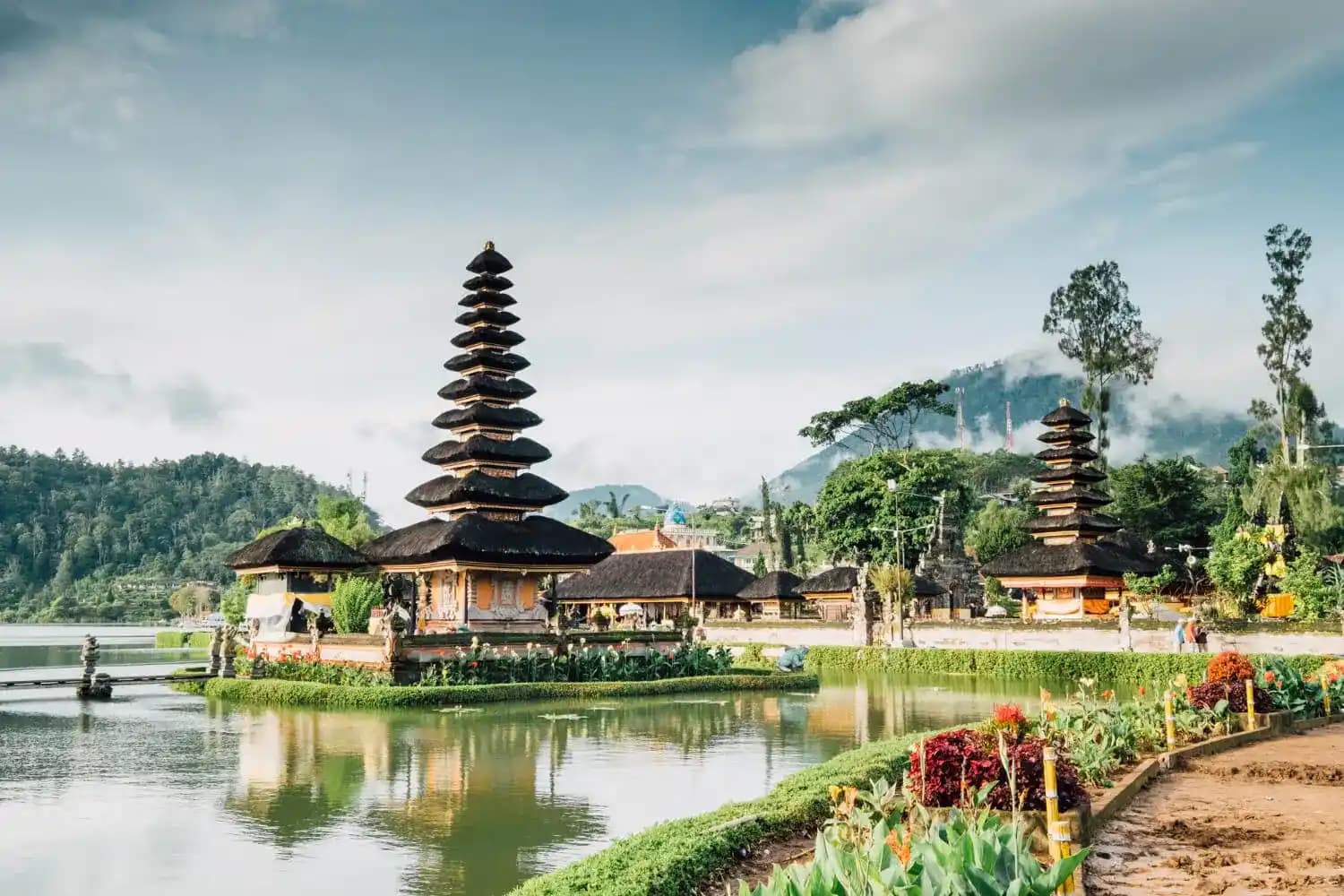

Explore Dien Bien - North Vietnam Travel, Asia
Located in the heart of Northwest Vietnam, Dien Bien is a destination that invites travelers to step back in time while embracing the rich culture and breathtaking landscapes of the region. Known primarily for its pivotal role in the First Indochina War, Dien Bien has grown into a compelling tourist destination. Here, the echoes of history resonate through the lush valleys and towering mountains, offering visitors a unique blend of historical significance, cultural diversity, and natural beauty. From the iconic Dien Bien Phu Battlefield to the vibrant traditions of local ethnic minorities, this region promises an enriching journey for those eager to explore the lesser-known corners of Vietnam.
Population: Approximately 635,000 in 2022.
Economy: Dien Bien's economy is driven by agriculture, with rice and maize as key crops. Tourism also plays a growing role, highlighting its rich history and scenic landscapes, contributing to local development.
Landmarks: Famous for the Dien Bien Phu Battlefield, Muong Thanh Valley, and A1 Hill and The Museum of Dien Bien Phu.

Overview of Dien Bien
History & Cultural Influence
Dien Bien Phu is more than a name in history books; it is the site where one of the most decisive battles in modern history took place. The Battle of Dien Bien Phu in 1954 marked the end of French colonial rule in Vietnam and heralded the rise of Vietnam as a sovereign nation. Today, the battlefield stands as a powerful symbol of resistance and resilience, drawing visitors who wish to pay their respects and learn about this crucial chapter in Vietnam’s history.
Beyond its historical legacy, Dien Bien is a cultural melting pot. The province is home to over 20 ethnic groups, with each group contributing to the region's rich tapestry of traditions, languages, and lifestyles. Whether through traditional music and dance, local handicrafts, or the unique culinary traditions of each ethnic group, Dien Bien offers a rare opportunity to engage with Vietnam’s cultural heritage in an authentic and meaningful way.
Interaction with The Locals
Dien Bien is home to a diverse population of around 635,000 people, made up of over 20 different ethnic groups. The Thai, Hmong, and Lao communities are the largest, each with their own distinct languages, traditions, and cultural practices. The people of Dien Bien are known for their warm hospitality and strong sense of community, deeply rooted in their ethnic heritage. This diversity enriches the province's cultural landscape, making it a vibrant place to explore and experience authentic Vietnamese traditions.
The Vietnamese have always been known for their friendliness and hospitality. Enjoy the unique premium experience of connecting with the locals in our Vietnam tours here.

Top Attractions in Dien Bien
Dien Bien Phu Battlefield
For history buffs, the Dien Bien Phu Battlefield is a must-visit. This historic site is where the Vietnamese forces, led by General Vo Nguyen Giap, achieved a monumental victory over the French in 1954. The battlefield, now a peaceful area surrounded by mountains and rice paddies, is a place of reflection. Visitors can explore the various sites, including the command bunker of the French forces and the memorials dedicated to the soldiers who fought here.
Muong Thanh Valley
Dien Bien’s natural beauty is as compelling as its history. Muong Thanh Valley, with its lush green fields and scenic mountain views, offers a serene escape into nature. The valley is often called the "rice bowl" of Dien Bien due to its extensive rice paddies, which create a stunning patchwork of green during the growing season. Visitors can take leisurely walks or bike rides through the valley, soaking in the tranquil atmosphere and picturesque landscapes.
Pa Khoang Lake
If you’re looking for a peaceful retreat, Pa Khoang Lake is the perfect destination. Located just outside the city of Dien Bien Phu, this large, clear lake is surrounded by hills and forests, making it a popular spot for picnics, fishing, and boat rides. The lake’s calm waters reflect the surrounding mountains, creating a postcard-perfect scene that is sure to leave a lasting impression.
A1 Hill and The Museum of Dien Bien Phu
A visit to A1 Hill and the Museum of Dien Bien Phu provides a deeper insight into the events that shaped this region. A1 Hill, a strategic point during the Battle of Dien Bien Phu, was the site of intense fighting. The remaining bunkers and trenches are open for exploration by visitors today, serving as a somber reminder of the fighting. The nearby museum houses artifacts, photographs, and exhibits that tell the story of the battle, providing context and understanding to the historical significance of Dien Bien.

Festivals & Local Celebrations
Dien Bien Phu Victory Festival
The Dien Bien Phu Victory Festival, held annually in May, is the most significant celebration in the region. It commemorates the historic victory of Vietnamese forces over the French in 1954. The festival is marked by a series of events, including parades, reenactments, traditional music performances, and fireworks. This is a time when the entire province comes alive with pride and festivity, offering visitors a unique opportunity to witness and partake in the celebrations.
Ethnic Minority Festivals
In addition to the Victory Festival, Dien Bien is home to various ethnic minority festivals that reflect the rich cultural tapestry of the region. Two notable examples include:
- Thai New Year (Bun Pi May): Celebrated by the Thai people, Bun Pi May is the Thai New Year festival, usually held in mid-April, marking the start of the new year according to the Thai lunar calendar. The celebration is well-known for its water-splashing customs, which stand for cleansing and the removal of misfortune.
- Hmong New Year: The Hmong New Year, celebrated by the Hmong community in December, is a time for giving thanks, honoring ancestors, and seeking blessings for the coming year. This festival coincides with the end of the harvest season, making it a time of abundance and gratitude. A highlight of the festival is the Keo Khen, a dance performed to the sound of bamboo flutes, showcasing the agility and skill of the dancers.
- Xen Pang Festival (Worshiping the Village Deity): The Xen Pang Festival, also known as the Worshiping the Village Deity festival, is an important event for the Tày and Nùng ethnic groups in Dien Bien. This festival, typically held in the spring, is a form of ancestral worship where the community prays for a bountiful harvest, health, and prosperity.
- Kho Cum Festival: The Kho Cum Festival, celebrated by the Kho Mu ethnic group, was held after the harvest. This festival is a time for thanksgiving and merriment. Traditional drum and gong performances are included there; it is believed that the beat and rhythm may connect with the ghosts of the ancestors.

What to Do in Dien Bien
Outdoor Adventures in Dien Bien
- Trekking routes in Dien Bien: The mountainous terrain and lush forests of Dien Bien are perfect for trekking. Popular trails include routes around Muong Phang National Park and the area surrounding Pa Khoang Lake.
- Cave Exploration: Dien Bien is dotted with numerous caves, many of which remain largely unexplored. Visitors can join guided tours to discover these hidden gems, learning about the region’s geology and history along the way.
- Dien Bien Cycling Tours: For those who prefer a slower pace, cycling through the valley offers breathtaking views of rice paddies, rivers, and local villages, all set against a backdrop of majestic mountains.
Cultural Tours in Dien Bien
- Guided Historical Tours: Explore the key sites of the Battle of Dien Bien Phu with knowledgeable guides who can provide detailed insights into the events that shaped this region.
- Village Tours: Visit local villages where you can interact with residents, learn about traditional crafts, and even participate in daily activities such as farming or cooking.
Shopping in Dien Bien
Dien Bien Local Markets
- Dien Bien Phu Market: The largest market in the area, offering everything from fresh produce to traditional clothing, handicrafts, and souvenirs. This market is an excellent place to find handmade textiles, silver jewelry, and other unique items that make for memorable keepsakes.
- Muong Thanh Market: Known for its selection of traditional Thai and Hmong clothing, as well as locally grown herbs and spices. This market is a bit smaller but offers a more intimate shopping experience.
What to Buy in Dien Bien
- Handwoven Textiles: The Thai and Hmong people are known for their intricate weaving techniques, producing beautiful textiles that are often used for clothing, blankets, and bags.
- Silver Jewelry: Hmong silver jewelry is another popular item, known for its detailed craftsmanship and cultural significance.
- Local Spices: For those who enjoy cooking, buying local herbs and spices allows you to bring a taste of Dien Bien home with you.
- Bamboo and Wood Carvings: Handcrafted items made from bamboo and wood, often featuring traditional designs and motifs.
- Embroidery and Sewing Products: Items such as embroidered bags, tablecloths, and wall hangings showcase the intricate needlework skills of the local communities.

Weather in Dien Bien: Best Time to Visit
Dien Bien experiences a tropical climate with distinct seasons that impact travel plans. Understanding the weather conditions can help you make the most of your visit.
- Spring in Dien Bien: Dien Bien's springtime is marked by comfortable weather and blossoming flowers. This is a great time of year to explore the area's natural splendor and engage in outdoor activities.
- Summer in Dien Bien: Summer brings warmer temperatures and higher humidity, with occasional rain showers. This is the peak season for trekking and exploring the lush landscapes, but be prepared for rain and heat.
- Autumn in Dien Bien: Autumn offers cooler temperatures and clear skies, making it a great time for sightseeing and cultural activities. The weather is generally pleasant, with less rainfall and comfortable temperatures.
- Winter in Dien Bien: Winter is cooler, especially in the higher altitudes, with temperatures dropping significantly. It’s a good time for experiencing local festivals and enjoying the crisp, fresh air.
Culture Etiquette in Dien Bien
Understanding local customs and etiquette is crucial for respectful and enjoyable interactions with the people of Dien Bien.
- Dress Modestly: When visiting local villages or participating in cultural events, dress modestly. Traditional attire is often worn by locals, and it’s respectful to dress in a way that shows consideration for local customs.
- Respect Traditions: Participate in local customs with sensitivity and respect. For example, when attending religious ceremonies or festivals, follow the lead of local participants and observe their practices respectfully.
- Greetings and Communication: A friendly smile and a polite greeting are appreciated. In many ethnic communities, a nod or handshake is a common form of greeting. Be mindful of local customs regarding physical contact and personal space.
- Ask for Permission: Always ask for permission before taking photos of people or their property. Respecting privacy is an important part of cultural etiquette.
- Gift Giving: It is customary to offer a modest gift as a sign of thanks when you are welcomed to someone's house. Traditional items or local products make thoughtful gifts.
As an Asian country, Vietnam has many cultural etiquette that it is better to follow. However, different areas have their own unique etiquette, check out our article about Ho Chi Minh City here.

Essential Travel Information
Getting Around Dien Bien
- Local Buses: Buses are a common and affordable way to travel within Dien Bien and between cities. They offer routes to major attractions and local areas, though they may not be as frequent or comfortable as other options. There are comfortable direct sleeper buses from Hanoi to Dien Bien.
- Motorbike Rentals: Renting a motorbike is a popular choice for independent travelers who want the flexibility to explore Dien Bien at their own pace. Motorbike rentals are widely available in Dien Bien Phu city and nearby towns.
- Taxis and Ride-Sharing: Taxis are available in Dien Bien Phu city, and ride-sharing apps may offer additional convenience. Taxis are a reliable way to get around the city and reach specific destinations.
- Car Rentals: For those seeking more comfort and flexibility, renting a car with or without a driver is an option. This allows you to explore Dien Bien’s attractions and scenic routes at your leisure.
- Cycling: Biking is an excellent way to explore the local scenery and enjoy the natural beauty of Dien Bien. Many guesthouses and hotels offer bike rentals, and cycling through the valley or along scenic routes is a rewarding experience.
ATM & Banking Services
In Dien Bien Phu, the main city in Dien Bien province, you’ll find several ATMs offering basic services like cash withdrawals and balance inquiries. While ATMs are readily available in the city center, they become less frequent in rural areas, so it's advisable to carry sufficient cash when traveling outside the city. Banking services, including currency exchange and account management, are provided by various banks located centrally. To avoid issues, carry enough cash, use ATMs during daylight hours, and notify your bank of your travel plans to ensure your cards function properly abroad.
Where to Stay in Dien Bien
- Luxury Hotels: For a comfortable stay with premium amenities, high-end hotels in the city offer spacious rooms, modern facilities, and often feature dining options, fitness centers, and business services.
- Mid-Range Hotels: Well-rated mid-range hotels provide a balance of comfort and affordability. These options offer clean rooms, good service, and convenient locations close to major attractions.
- Budget Hotels: Budget-conscious travelers can find a variety of affordable guesthouses and hotels. These establishments offer basic amenities and comfortable accommodations at economical rates.
- Local Homestays: In the Thai villages, homestays offer insight into Thai culture and traditions, including traditional meals and cultural activities. Similarly, staying with a Hmong family provides a chance to experience Hmong customs, crafts, and daily life firsthand.
Articles for you

Explore Hai Phong - North Vietnam Travel, Asia
Hai Phong, known as the City of Red Flamboyant, blends coastal beauty, historical depth, and vibrant urban life. Sitting on Vietnam’s northeast coast, this dynamic port city opens the door to famous attractions like Cat Ba Island and Ha Long Bay. Stroll along tree-lined boulevards, admire French colonial architecture, or wander through bustling markets alive with local flavors.
Population: Approximately 2 million in 2022.
Economy: Hai Phong is one of Vietnam’s key economic hubs, driven by its strategic position as a major seaport in the north. The city’s economy thrives on shipping, logistics, shipbuilding, manufacturing, and fisheries. Tourism and hospitality also play a growing role, supported by Hải Phòng’s coastal attractions and cultural heritage.
Landmarks: Famous for the Ky Co Beach, Do Son Beach, and the Tam Bac Lake & Flower Street.

Explore Lam Dong - Central Vietnam Travel, Asia
Nestled in the heart of Vietnam’s Central Highlands, Lam Dong Province is a refreshing escape from the heat and hustle of the lowlands. Best known for Da Lat, its charming capital city, Lam Dong offers rolling pine-covered hills, cascading waterfalls, and flower-filled valleys. This cool-climate region draws nature lovers, adventure seekers, and those craving a cultural immersion into highland life. It’s a perfect blend of past and present, city and nature, tradition and transformation.
Population: Approximately 1.8 million in 2024.
Economy: Lam Dong’s economy is driven by agriculture, tourism, and forestry. The province is Vietnam’s leading producer of vegetables, flowers, tea, and Arabica coffee, thanks to its cool highland climate and fertile volcanic soil. Tourism plays a major role, with millions of visitors drawn to its landscapes, festivals, and cultural heritage.
Landmarks: Famous for the Province capital—Da Lat City, Lang Biang Mountain, and the Pongour Waterfall.

Explore Dak Lak - Central Vietnam Travel, Asia
Dak Lak, located in the heart of Vietnam's Central Highlands, is a hidden gem waiting to be found. This province, renowned for its lush landscapes and rich cultural tapestry, offers a unique blend of natural beauty and ethnic diversity. Dak Lak's location in the highlands provides a cool climate and picturesque scenery that contrasts with Vietnam's bustling coastal cities. Whether you're drawn by its coffee culture, stunning waterfalls, or traditional festivals, Dak Lak promises an unforgettable travel experience.
Population: Approximately 2.2 million in 2022.
Economy: Dak Lak's economy is primarily driven by agriculture, especially coffee production, which is a major export. The region also benefits from tourism, with growing interest in its cultural and natural attractions.
Landmarks: Famous for Lak Lake, Buon Don Village, and Yok Don National Park.

Explore My Tho - South Vietnam Travel, Asia
Located in the center of the lush Mekong Delta in Vietnam, My Tho is a mesmerizing location that skillfully combines culture, history, and scenic beauty. Known as the gateway to the Mekong River, this bustling riverside city offers a unique glimpse into the vibrant life of the Delta. My Tho is more than just a starting point for boat tours—it’s a destination rich with experiences that cater to history enthusiasts, food lovers, and those seeking an authentic slice of Vietnamese culture. Whether you’re drawn by its cultural heritage, its culinary delights, or the warmth of its people, My Tho promises a journey filled with discovery and wonder.
Population: Approximately 230,000 in 2022.
Economy: My Tho's economy thrives on agriculture, particularly fruit and fish farming. It also benefits from tourism and local markets, contributing to its vibrant and growing economic landscape.
Landmarks: Famous for Thoi Son Island, Vinh Trang Pagoda, and Mekong River.


Explore Dak Lak - Central Vietnam Travel, Asia
Dak Lak, located in the heart of Vietnam's Central Highlands, is a hidden gem waiting to be found. This province, renowned for its lush landscapes and rich cultural tapestry, offers a unique blend of natural beauty and ethnic diversity. Dak Lak's location in the highlands provides a cool climate and picturesque scenery that contrasts with Vietnam's bustling coastal cities. Whether you're drawn by its coffee culture, stunning waterfalls, or traditional festivals, Dak Lak promises an unforgettable travel experience.
Population: Approximately 2.2 million in 2022.
Economy: Dak Lak's economy is primarily driven by agriculture, especially coffee production, which is a major export. The region also benefits from tourism, with growing interest in its cultural and natural attractions.
Landmarks: Famous for Lak Lake, Buon Don Village, and Yok Don National Park.

Explore My Tho - South Vietnam Travel, Asia
Located in the center of the lush Mekong Delta in Vietnam, My Tho is a mesmerizing location that skillfully combines culture, history, and scenic beauty. Known as the gateway to the Mekong River, this bustling riverside city offers a unique glimpse into the vibrant life of the Delta. My Tho is more than just a starting point for boat tours—it’s a destination rich with experiences that cater to history enthusiasts, food lovers, and those seeking an authentic slice of Vietnamese culture. Whether you’re drawn by its cultural heritage, its culinary delights, or the warmth of its people, My Tho promises a journey filled with discovery and wonder.
Population: Approximately 230,000 in 2022.
Economy: My Tho's economy thrives on agriculture, particularly fruit and fish farming. It also benefits from tourism and local markets, contributing to its vibrant and growing economic landscape.
Landmarks: Famous for Thoi Son Island, Vinh Trang Pagoda, and Mekong River.
Our Best-Selling Tours
Follow Us