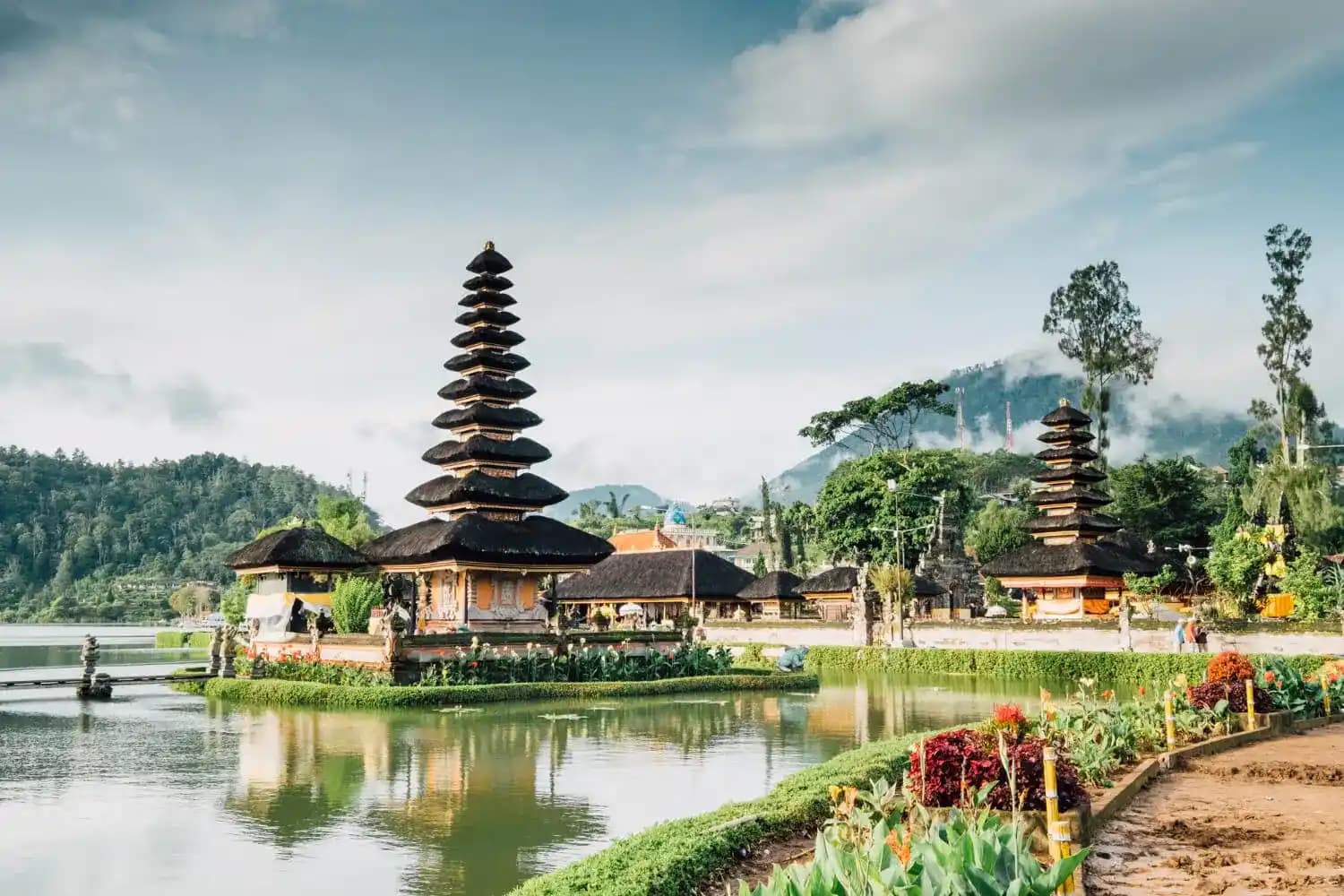

Explore Lai Chau - North Vietnam Travel, Asia
Nestled in the rugged terrain of Northern Vietnam, Lai Chau is a destination waiting to be discovered. With its unspoiled landscapes, vibrant ethnic culture, and rich history, this lesser-known province offers a unique travel experience for those eager to venture off the beaten path. From towering mountains to serene valleys, Lai Chau’s natural beauty captivates, while its cultural diversity, shaped by various ethnic minorities, adds depth and character to the journey.
Population: Approximately 482,000 in 2022.
Economy: Lai Chau's economy is primarily based on agriculture, with rice, maize, and tea as key crops. The region also relies on tourism and traditional crafts, contributing to local livelihoods.
Landmarks: Famous for the Hoang Lien Son Mountain Range, Muong Te, and Sin Ho Plateau.

Overview of Lai Chau
History & Cultural Influence
Lai Chau’s history is as rich and diverse as its landscape. The province has been home to various ethnic groups for centuries, each contributing to its unique cultural tapestry. Historically, Lai Chau was a significant area for trade routes connecting Vietnam with neighboring countries like China and Laos. This strategic location allowed for a blend of cultural influences, which can still be seen today in the local architecture, traditions, and way of life. Not just historically but culturally, the province’s richness is further enhanced by the presence of numerous ethnic minorities. Each group has preserved its traditions, customs, and languages, making Lai Chau a living museum of Vietnam’s ethnic diversity.
Check out our cultural exploration tours in Vietnam here.
Interaction with The Locals
Lai Chau is home to a population of around 482,000 people, comprising a diverse mix of ethnic groups. The majority of residents belong to minority communities such as the Hmong, Dao, Thai, and Giay. These groups have preserved their distinct languages, traditions, and cultural practices, contributing to the province's rich cultural tapestry. The citizens of Lai Chau are known for their warmth, hospitality, and deep connection to their heritage, making interactions with them a memorable part of any visit to this unique region.

Top Attractions in Lai Chau
Natural Wonders in Lai Chau
- Hoang Lien Son Mountain Range: Home to some of Vietnam’s highest peaks, this mountain range offers exhilarating trekking opportunities. Trails meander through dense forests, past cascading waterfalls, and lead to awe-inspiring viewpoints that reveal sweeping vistas of the surrounding valleys. This region is a haven for adventure seekers and those looking to immerse themselves in untouched nature.
- Muong Te: This remote area is known for its rugged terrain and rich biodiversity. It provides a peaceful retreat for travelers who want to experience the raw beauty of Northern Vietnam. Muong Te is ideal for hiking, bird-watching, and exploring pristine natural environments that remain largely undiscovered.
- Sin Ho Plateau: Often dubbed the "second Sapa," Sin Ho Plateau offers a quieter alternative to the more famous tourist spots. With its cool climate and stunning landscapes, it’s perfect for those looking to escape the crowds. The plateau is also home to vibrant local markets where various ethnic groups gather, offering visitors a unique cultural experience amidst the picturesque scenery.
Cultural Landmarks in Lai Chau
- Ancient Tea Forests: These ancient forests are home to some of the world’s oldest tea trees, a testament to Lai Chau’s deep-rooted tea culture. Visiting these forests offers not only a scenic experience but also a journey through the history of tea production in Vietnam.
- Ethnic Villages: Lai Chau is home to a variety of ethnic groups, including the Hmong, Dao, and Thai people. Each village offers a unique glimpse into traditional ways of life that have been preserved over centuries. Visitors can explore these villages to learn about local customs, traditional architecture, and the day-to-day lives of these communities, providing an authentic cultural experience.

Must-Try Dishes in Lai Chau
Lai Chau’s culinary offerings are a rich tapestry of flavors, reflecting the diverse cultures and natural abundance of the region. The local cuisine is hearty, flavorful, and deeply connected to the land and traditions of its people.
- Thang Co: A signature dish of the Hmong people, Thang Co is a savory stew made with horse meat, bones, and organs, simmered in a fragrant blend of spices. It’s a dish that symbolizes community and tradition, often enjoyed during festivals and gatherings.
- Bamboo Rice: A favorite among various ethnic groups, Com Lam is sticky rice cooked inside bamboo tubes over an open fire. The bamboo imparts a subtle, earthy aroma to the rice, making it a unique and flavorful dish, often enjoyed with grilled meats or fish.
- Pa Pinh Top: A traditional dish of the Thai people, Pa Pinh Top is grilled fish that has been seasoned with a mix of herbs, spices, and fermented soybean paste. The fish is typically cooked over a charcoal fire, resulting in a smoky, savory flavor that is a true delicacy in the region.
- Smoked Buffalo Meat: A popular delicacy among the ethnic minorities in Lai Chau, this dish involves marinating buffalo meat with a mix of spices and herbs, then smoking it over a fire. The meat is flavorful and slightly chewy, with a deep, smoky aroma, often served as a snack or with sticky rice.
- Muong Hum Sticky Rice: A specialty of the Dao ethnic group, this sticky rice dish is often dyed in vibrant colors using natural plant dyes. The rice is steamed to perfection and served during special occasions, symbolizing prosperity and good fortune.
- Grilled Ban Pig: The Ban pig, a native breed to Lai Chau, is prized for its tender and flavorful meat. The pig is often marinated in local spices and herbs, then grilled over an open flame, creating a dish that is succulent and full of flavor.
Craving Vietnamese cuisine? Discover another side of the most healthy food in the South here.

Festivals & Local Celebrations
Lai Chau’s festivals and local celebrations are vibrant expressions of its cultural diversity and rich traditions. These gatherings provide guests a singular chance to immerse themselves in the vibrant energy and ingrained traditions of the local ethnic groups.
- Gau Tao Festival: Celebrated by the Hmong people, the Gau Tao Festival is one of the most important cultural events in Lai Chau. Held annually, it is a time for the Hmong to pray for prosperity, health, and happiness. The festival features traditional music, dancing, and games, offering a lively and colorful spectacle that showcases the Hmong’s rich cultural heritage.
- Then Kin Pang Festival: Held in honor of their ancestors and spirits, this is a major holiday for the Thai ethnic population of Lai Chau. The festival includes traditional dances, music performances, and offerings to the spirits, reflecting the Thai people’s deep spiritual beliefs and connection to their heritage.
- Xen Ban Xen Muong Festival: Celebrated by the Thai people, this festival is dedicated to expressing gratitude to the gods and seeking blessings for the community. It includes vibrant parades, folk dances, and cultural performances, making it a joyous occasion for both locals and visitors.
- New Rice Festival: A common festival among many ethnic groups in Lai Chau, the New Rice Festival marks the end of the harvest season. It’s a time to give thanks for the year’s crops and pray for future abundance. The festival is characterized by traditional rituals, feasts, and cultural performances, reflecting the agricultural traditions of the region.
Do you know that there are 54 ethnic groups in Vietnam? Learn more about the ethnic groups in Dak Lak here.
What to Do in Lai Chau
Lai Chau offers a wide range of activities that cater to various interests, making it an ideal destination for both adventure seekers and cultural enthusiasts. The province’s natural landscapes and rich cultural heritage provide the perfect backdrop for an array of memorable experiences.
- Trekking in Lai Chau: With its rugged mountains and scenic valleys, Lai Chau is a trekking paradise. Popular routes include trails through the Hoang Lien Son Mountain Range, offering breathtaking views and a chance to explore remote ethnic villages. Sin Ho Plateau also offers excellent hiking opportunities, with trails that meander through lush landscapes and offer panoramic vistas.
- Lai Chau Cultural Tours: Lai Chau’s ethnic diversity is one of its main attractions. Visitors can embark on cultural tours that take them to various ethnic villages, where they can learn about traditional crafts, participate in local customs, and interact with the villagers. These tours offer a deep dive into the unique cultural fabric of the region.
- Lai Chau Biking Tours: The mountainous terrain of Lai Chau makes it a great destination for biking enthusiasts. Cycling through the scenic countryside allows visitors to experience the beauty of the region at their own pace, with opportunities to stop at picturesque spots and interact with locals along the way.

Shopping in Lai Chau
Exploring Lai Chau’s markets and shops is a rewarding experience for those seeking unique souvenirs and a taste of local culture.
Where to Shop in Lai Chau
- Sin Ho Market: Located in Sin Ho District, this bustling market is a hub of activity where locals gather to trade goods. Here, you can find a variety of fresh produce, traditional clothing, and handcrafted items. The market is an excellent place to observe local life and pick up authentic souvenirs.
- Muong Te Market: Known for its lively atmosphere, Muong Te Market offers a range of local goods including fresh vegetables, spices, and traditional crafts. The market is a great spot to buy unique items and experience the daily hustle and bustle of Lai Chau.
- Lai Chau Central Market: Situated in the heart of Lai Chau City, this market is a good place to find local specialties, from herbal medicines to textiles. It’s ideal for visitors looking to explore a wide selection of regional products in one place.
What to Buy in Lai Chau
- Traditional Textiles: Lai Chau is renowned for its woven textiles, including vibrant fabrics and intricate embroidery. Look for handmade textiles from local ethnic groups such as the Hmong and Thai, which make for beautiful and culturally significant souvenirs.
- Embroidered Garments: Handcrafted clothing, such as embroidered dresses and jackets, is a specialty of the local ethnic communities. These garments feature traditional patterns and designs that reflect the rich cultural heritage of Lai Chau.
- Handmade Jewelry: Local artisans create unique jewelry pieces using traditional techniques. These include silver jewelry with intricate designs and semi-precious stones, offering a special keepsake from your visit.
- Local Tea Varieties: Lai Chau’s ancient tea forests produce high-quality teas with distinct flavors. Purchase tea from local producers to enjoy a taste of the region’s rich tea culture or to give as a thoughtful gift.

Weather in Lai Chau: Best Time to Visit
Lai Chau's weather is characterized by its highland climate, which varies with the seasons and altitude. Understanding the weather patterns can help travelers plan their visit for the best experience.
- Spring in Lai Chau: Spring in Lai Chau is a beautiful time to visit, with mild temperatures ranging from 15°C to 25°C (59°F to 77°F). This season is marked by blooming flowers and lush green landscapes, making it ideal for trekking and exploring the natural beauty of the region.
- Summer in Lai Chau: Summer brings warmer temperatures, between 20°C and 30°C (68°F to 86°F). While the weather can be hot, it is also the rainy season, with frequent showers that enhance the verdant landscapes. Travelers should be prepared for occasional heavy rainfall but will enjoy vibrant scenery and cooler highland breezes.
- Autumn in Lai Chau: Autumn offers cooler temperatures, ranging from 15°C to 25°C (59°F to 77°F), and is considered one of the best times to visit Lai Chau. The landscapes are covered with vibrant foliage, making the weather ideal for outdoor activities and photography. It is also comfortable with less rain.
- Winter in Lai Chau: Winter temperatures in Lai Chau can drop to 10°C to 20°C (50°F to 68°F). It’s generally dry, with chilly mornings and evenings. This season is ideal for trekking, as the clear skies provide stunning views of the mountain ranges.
Essential Travel Information
Getting Around Lai Chau
- Car or Motorbike Rental: Renting a private car or motorbike is a convenient way to explore Lai Chau. It offers flexibility and the opportunity to reach remote areas that are not easily accessible by public transport.
- Local Buses: Lai Chau is served by a network of local buses that connect major towns and cities. While not the most comfortable option, buses are an affordable way to travel between destinations. You can also get sleeper bus to Lai Chau directly from Hanoi.
- Taxis and Ride-Sharing: In Lai Chau City, taxis and ride-sharing services are available. These are useful for short trips and local travel within the city.

ATM & Banking Services
Accessing financial services in Lai Chau is relatively straightforward. ATMs are available in Lai Chau City and larger towns, providing easy access to cash withdrawals, though it's essential to ensure your card is compatible with local networks. Several banks in the city offer a range of services, including currency exchange, cash deposits, and account management. Credit card usage is limited in rural areas, so carrying sufficient cash is advisable when traveling to remote regions, though most hotels and larger establishments in the city do accept credit cards.
Where to Stay in Lai Chau
- Luxury Hotels: For those seeking comfort and amenities, Lai Chau City has several luxury hotels. These establishments offer well-appointed rooms, modern facilities, and excellent service, ideal for a relaxing stay.
- Mid-Range Hotels: There are several mid-range hotels that offer comfort and affordability in equal measure. These hotels offer clean, comfortable rooms and essential services, making them a great choice for travelers looking for quality without breaking the bank.
- Guesthouses and Homestays: For a more intimate experience, consider staying in a guesthouse or homestay. These options offer a glimpse into local life and provide personalized hospitality. Homestays, in particular, allow visitors to interact with local families and experience traditional ways of living.
- Eco-Lodges: Embrace Lai Chau’s natural beauty by staying in eco-lodges that blend seamlessly with the environment. These accommodations focus on sustainable practices and offer a unique experience amidst the highlands.
Articles for you

Explore Quy Nhon - Central Vietnam Travel, Asia
Nestled along Vietnam’s South Central Coast, Quy Nhon is a rising star in the country’s travel scene. With its golden beaches, untouched islands, and rich cultural legacy, this peaceful seaside city in Binh Dinh Province offers a more authentic alternative to its better-known neighbors like Nha Trang and Da Nang. Far from the tourist crowds, Quy Nhơn invites travelers to explore a destination where ancient temples, local fishing villages, and stunning landscapes live in perfect harmony.
Population: Approximately 500,000 in 2023.
Economy: Quy Nhon’s economy is shaped by its strategic coastal location in Bình Định Province. The city thrives on three key sectors: fishing and seafood processing, tourism, and logistics and port services. Tourism continues to grow, fueled by its unspoiled beaches and cultural heritage.
Landmarks: Famous for the Ky Co Beach—The Maldives of Vietnam, The Wind Strait, and the Twin Cham Towers.

Explore Lam Dong - Central Vietnam Travel, Asia
Nestled in the heart of Vietnam’s Central Highlands, Lam Dong Province is a refreshing escape from the heat and hustle of the lowlands. Best known for Da Lat, its charming capital city, Lam Dong offers rolling pine-covered hills, cascading waterfalls, and flower-filled valleys. This cool-climate region draws nature lovers, adventure seekers, and those craving a cultural immersion into highland life. It’s a perfect blend of past and present, city and nature, tradition and transformation.
Population: Approximately 1.8 million in 2024.
Economy: Lam Dong’s economy is driven by agriculture, tourism, and forestry. The province is Vietnam’s leading producer of vegetables, flowers, tea, and Arabica coffee, thanks to its cool highland climate and fertile volcanic soil. Tourism plays a major role, with millions of visitors drawn to its landscapes, festivals, and cultural heritage.
Landmarks: Famous for the Province capital—Da Lat City, Lang Biang Mountain, and the Pongour Waterfall.

Explore My Tho - South Vietnam Travel, Asia
Located in the center of the lush Mekong Delta in Vietnam, My Tho is a mesmerizing location that skillfully combines culture, history, and scenic beauty. Known as the gateway to the Mekong River, this bustling riverside city offers a unique glimpse into the vibrant life of the Delta. My Tho is more than just a starting point for boat tours—it’s a destination rich with experiences that cater to history enthusiasts, food lovers, and those seeking an authentic slice of Vietnamese culture. Whether you’re drawn by its cultural heritage, its culinary delights, or the warmth of its people, My Tho promises a journey filled with discovery and wonder.
Population: Approximately 230,000 in 2022.
Economy: My Tho's economy thrives on agriculture, particularly fruit and fish farming. It also benefits from tourism and local markets, contributing to its vibrant and growing economic landscape.
Landmarks: Famous for Thoi Son Island, Vinh Trang Pagoda, and Mekong River.

Explore Hai Phong - North Vietnam Travel, Asia
Hai Phong, known as the City of Red Flamboyant, blends coastal beauty, historical depth, and vibrant urban life. Sitting on Vietnam’s northeast coast, this dynamic port city opens the door to famous attractions like Cat Ba Island and Ha Long Bay. Stroll along tree-lined boulevards, admire French colonial architecture, or wander through bustling markets alive with local flavors.
Population: Approximately 2 million in 2022.
Economy: Hai Phong is one of Vietnam’s key economic hubs, driven by its strategic position as a major seaport in the north. The city’s economy thrives on shipping, logistics, shipbuilding, manufacturing, and fisheries. Tourism and hospitality also play a growing role, supported by Hải Phòng’s coastal attractions and cultural heritage.
Landmarks: Famous for the Ky Co Beach, Do Son Beach, and the Tam Bac Lake & Flower Street.


Explore My Tho - South Vietnam Travel, Asia
Located in the center of the lush Mekong Delta in Vietnam, My Tho is a mesmerizing location that skillfully combines culture, history, and scenic beauty. Known as the gateway to the Mekong River, this bustling riverside city offers a unique glimpse into the vibrant life of the Delta. My Tho is more than just a starting point for boat tours—it’s a destination rich with experiences that cater to history enthusiasts, food lovers, and those seeking an authentic slice of Vietnamese culture. Whether you’re drawn by its cultural heritage, its culinary delights, or the warmth of its people, My Tho promises a journey filled with discovery and wonder.
Population: Approximately 230,000 in 2022.
Economy: My Tho's economy thrives on agriculture, particularly fruit and fish farming. It also benefits from tourism and local markets, contributing to its vibrant and growing economic landscape.
Landmarks: Famous for Thoi Son Island, Vinh Trang Pagoda, and Mekong River.

Our Best-Selling Tours
Follow Us