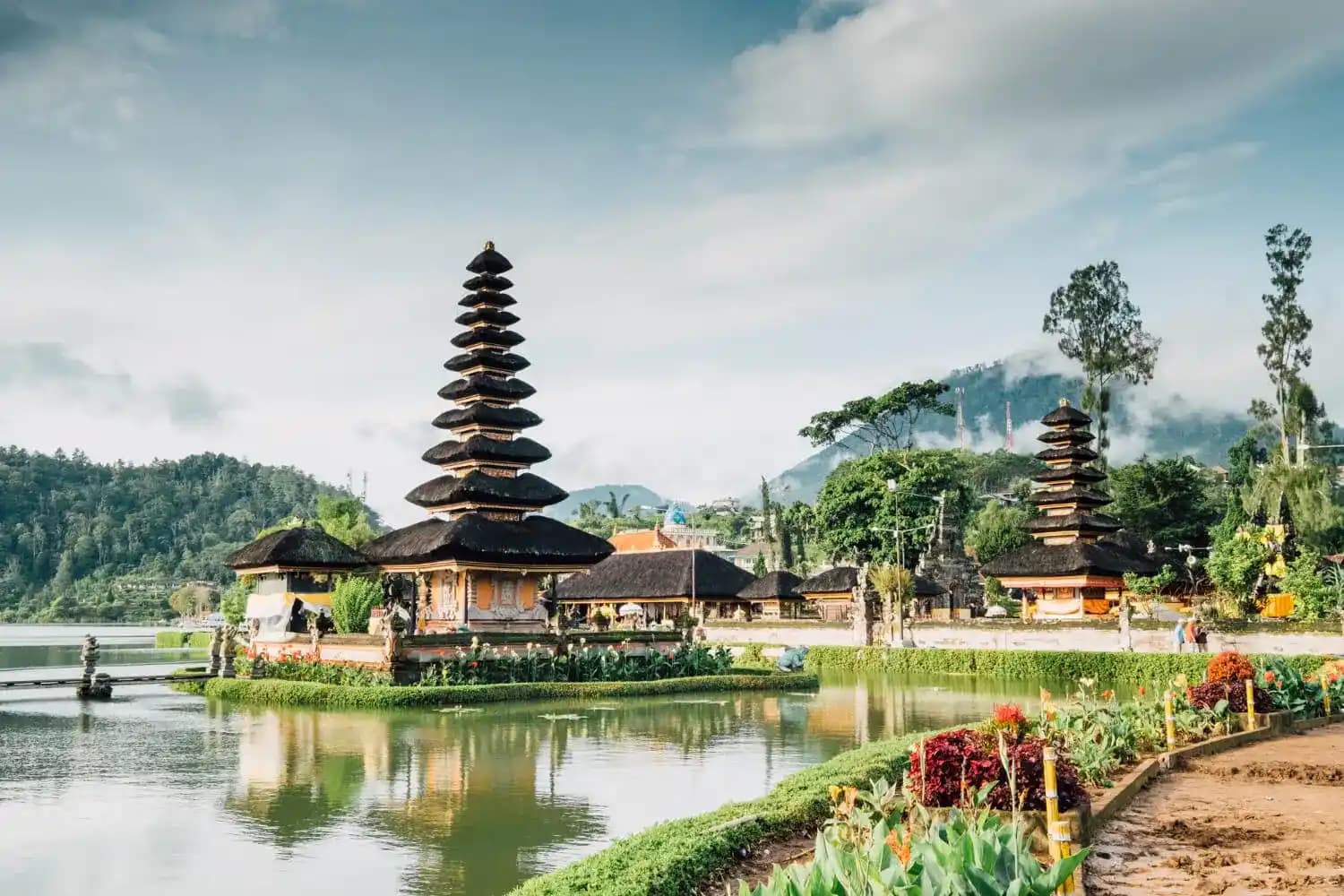

Explore Lampang - Thailand Travel, Asia
Nestled in the heart of Northern Thailand, Lampang is a city that beautifully blends history, culture, and nature. Often overshadowed by its more famous neighbors, Lampang remains one of Thailand's hidden gems. This charming city invites travelers to step back in time and experience an authentic slice of Thai life. Whether you're wandering through its quaint streets lined with traditional teak houses or exploring its ancient temples, Lampang offers a serene and enriching escape from the hustle and bustle of more touristy destinations.
Population: Approximately 740,000 in 2018.
Economy: Lampang's economy thrives on agriculture, especially rice and teakwood, alongside tourism and local crafts. The city is also known for its ceramics, contributing significantly to its economic activities.
Landmarks: Famous for the Wat Phra That Lampang Luang, Ban Sao Nak, and Chae Son National Park.

Overview of Lampang
History & Cultural Influence
Lampang's rich history dates back over a thousand years, making it one of the oldest cities in Thailand. Once an important trade center during the Lanna Kingdom, Lampang has preserved its cultural heritage with pride. One of the city's most significant historical landmarks is Wat Phra That Lampang Luang, a temple that stands as a testament to Lampang's ancient past. The history of Lampang is closely linked to that of the Lanna Kingdom and the Burmese influence that followed. This has shaped the city's architecture, art, and even its cuisine, creating a rich tapestry of cultural influences that visitors can still experience today.
Interaction with The Locals
Lampang is home to a population of around 740,000 people, predominantly of Thai ethnicity, with influences from the Lanna and Burmese cultures. The citizens of Lampang are known for their warm hospitality and strong community spirit. They maintain traditional lifestyles, blending modernity with age-old customs. The local dialect, a variant of Northern Thai, is widely spoken, and many residents are involved in agriculture, handicrafts, and small-scale businesses, reflecting the city’s rich cultural heritage and close-knit community.

Top Attractions in Lampang
Historical Sites in Lampang
- Wat Phra That Lampang Luang: As one of Lampang's most revered religious sites, Wat Phra That Lampang Luang stands as a testament to the city's rich history. This ancient temple, known for its stunning Lanna-style architecture, is surrounded by tall teakwood walls and features intricate wood carvings and a gold-topped chedi. The temple is more than just a place of worship; it also represents Lampang's ongoing cultural legacy.
- Ban Sao Nak: Another iconic historical site is Ban Sao Nak, also known as the "House of Many Pillars." This historic teakwood mansion, supported by 116 wooden pillars, offers a unique glimpse into Lampang's architectural past. Built during the peak of the city's teak trade era, the house has been preserved as a museum.
Natural Wonders in Lampang
- Chae Son National Park: Chae Son National Park is a must-see natural attraction in Thailand. This expansive park is a paradise of hot springs, waterfalls, and lush forests. The park offers a tranquil escape into nature, making it an ideal destination for those seeking relaxation and adventure.
- Emerald Lake: Nestled within the national park, Emerald Lake is another natural wonder that draws visitors. The lake's breathtaking emerald waters, surrounded by lush woodland, make a tranquil and scenic backdrop. It’s a perfect spot for photography, bird-watching, or simply enjoying the peaceful ambiance of the area.

Must-Try Dishes in Lampang
- Khao Soi: A Northern Thai classic, Khao Soi features a mix of crispy and soft egg noodles in a rich coconut curry. Served with chicken or beef and garnished with pickled mustard greens, lime, and shallots, it’s a flavorful dish that captures the essence of Lampang's cuisine.
- Nam Prik Ong: Nam Prik Ong is a hot chili dip prepared with minced pork, tomatoes, and spices. It’s typically enjoyed with fresh vegetables, sticky rice, or pork cracklings, offering a robust taste of Northern Thai flavors.
- Sai Ua (Northern Thai Sausage): Sai Ua is a wonderful sausage made with minced pork, herbs, and spices. Grilled to perfection, it’s commonly served with sticky rice or enjoyed on its own, highlighting Lampang’s culinary traditions.
- Khanom Jeen Nam Ngiao: This dish features soft rice noodles in a spicy, tangy broth made from tomatoes, pork, and dried red cotton flowers. Garnished with herbs, bean sprouts, and lime, Khanom Jeen Nam Ngiao is a hearty and flavorful meal.
- Gaeng Hang Lay: Gaeng Hang Lay is a rich and aromatic curry made with pork, garlic, ginger, and tamarind. This Northern Thai specialty has a distinctive taste, blending sweetness and spiciness in a comforting stew.
- Lampang’s Grilled Fish: Freshwater fish, often from the local rivers, is marinated with herbs and spices before being grilled to perfection. Served with a spicy dipping sauce and sticky rice, it’s a simple yet delicious representation of Lampang's local cuisine.
- Sticky Rice with Mango: Sticky Rice with Mango is a popular treat that mixes sweet coconut sticky rice and juicy mango slices. This dish is a delightful end to any meal, offering a perfect balance of sweetness and texture.

Festivals & Local Celebrations
Lampang’s Horse Carriage Festival
Held annually in December, the Horse Carriage Festival is a unique celebration that honors Lampang’s historical identity as the "Horse Carriage City." The festival features parades of beautifully decorated horse carriages, traditional music, and cultural performances. Visitors can enjoy rides in these carriages, which are an enduring symbol of Lampang’s charm and heritage.
Lampang Elephant Festival
One of the most popular events in Lampang is the Lampang Elephant Festival, held annually at the Thai Elephant Conservation Center. This festival celebrates the deep bond between the people of Lampang and their elephants, which have played a significant role in the city’s history. Visitors can enjoy a variety of activities, including elephant parades, mahout demonstrations, and cultural performances. The festival is a great opportunity to learn about elephant conservation efforts while experiencing the local culture.
Songkran Festival (Thai New Year)
The Thai New Year, known as Songkran, is celebrated in Lampang with a mix of traditional and modern activities. Taking place in April, the festival involves water splashing, temple visits, and merit-making ceremonies. In Lampang, Songkran is celebrated with particular reference, with locals participating in religious rituals and community feasts, making it a time of renewal and joy.

What to Do in Lampang
- Temple Hopping: Lampang is home to numerous temples that showcase the city’s rich spiritual heritage. Visitors can embark on a temple-hopping tour, starting with the iconic Wat Phra That Lampang Luang, followed by Wat Chedi Sao, known for its 20 chedis (stupas), or Wat Pong Sanuk, a unique temple that blends Lanna, Burmese, and Chinese architectural styles.
- Explore the Ceramics Villages: Lampang is famous for its ceramics, and a visit to the ceramics villages offers a hands-on experience of this traditional craft. Visitors can watch artisans at work, learn about the pottery-making process, and even try their hand at creating their own ceramic pieces.
- Hot Air Balloon Ride: This activity offers breathtaking views of the city, its surrounding mountains, and lush green fields. The peaceful ascent provides a unique perspective of Lampang’s landscape, and it’s an excellent way to capture stunning aerial photographs of the region.
- Cycling Tours Around Lampang: Lampang’s relatively flat terrain and scenic countryside make it ideal for cycling tours. Rent a bike and explore the city’s historic sites, local markets, and riverside paths at your own pace. Cycling is a great way to discover Lampang’s hidden gems, interact with locals, and enjoy the fresh air.
Shopping in Lampang
- Kad Kong Ta Walking Street: Explore this vibrant weekend market for a variety of local crafts, street food, and unique souvenirs. The lively atmosphere makes it a great place to experience Lampang’s culture.
- Talat Kao Market: Shop at one of Lampang’s oldest markets, offering fresh produce, traditional snacks, and handcrafted items. It’s a perfect spot for discovering local products and enjoying the city’s historic charm.
- Lampang Ceramic Shops: Visit local ceramic shops to find beautifully crafted pottery and traditional ceramics. These shops offer a range of items from decorative pieces to functional ware, showcasing Lampang’s renowned ceramic art.
- Traditional Textile Stores: Browse stores specializing in handwoven textiles, where you can find intricate designs and vibrant colors. These textiles reflect the rich heritage of Northern Thai weaving.
- Lampang Handicraft Center: This center features a collection of local handicrafts, including wood carvings, silver jewelry, and traditional Lanna arts. It’s an excellent place to purchase authentic Lampang crafts.

Weather in Lampang: Best Time to Visit
Lampang enjoys a tropical savanna climate, featuring distinct wet and dry seasons.
Dry Season in Lampang
The dry season is the most popular time to visit Lampang. Expect clear skies, lower humidity, and cooler temperatures ranging from 25°C to 35°C (77°F to 95°F). This is ideal weather for outdoor activities, exploring the city, and visiting landmarks. The comfortable climate also makes it a peak period for tourism, with various festivals and events adding to the appeal.
Rainy Season in Lampang
During the rainy season, Lampang experiences frequent showers and higher humidity, with temperatures between 25°C and 32°C (77°F to 90°F). While rain can be unpredictable, it revitalizes the landscape and offers lush greenery. This season is less crowded, making it a great time for those who prefer a quieter experience. Tourist activities are less congested, and you might find better deals on accommodation and tours.

Culture Etiquette in Lampang
- Wai Greeting: The wai is a traditional Thai greeting in which you clasp your hands together in a prayer-like motion and bend slightly. This respectful gesture is used in various interactions, especially with elders and those in authority.
- Temple Etiquette: When visiting temples such as Wat Phra That Lampang Luang or Wat Phra Kaew Don Tao, dress modestly. Cover your shoulders and knees, and remove your shoes before entering temple buildings. It’s also respectful to maintain a quiet and calm demeanor inside the temple.
- Monk Interactions: If you encounter monks, especially in temples, show respect by avoiding physical contact. Women should avoid touching or handling goods directly to monks.When offering food or donations, place items respectfully on a surface rather than handing them over directly.
- Respect for the Monarchy: Show respect for the Thai royal family in conversations and public settings. Negative comments or disrespectful behavior towards the monarchy is considered highly inappropriate.
Essential Travel Information
Getting Around Lampang
- Songthaews: These shared taxis, or songthaews, are a popular and affordable way to travel within the city. They follow specific routes and are a common choice for both locals and visitors.
- Tuk-Tuks: For a more unique experience, ride a tuk-tuk. These three-wheeled vehicles are a fun and convenient way to explore Lampang’s attractions, however, remember to always agree on a fare beforehand.
- Bicycles and Motorbikes: Bicycles or motorbikes are an excellent way to explore Lampang at your own pace. Many rental shops offer bikes and scooters for daily use, allowing you to navigate the city and surrounding areas easily.
- Taxi Services: Taxis are available for more private transportation needs. While less common than songthaews or tuk-tuks, they provide a comfortable way to travel longer distances or visit less accessible locations.

ATM & Banking Services
Lampang offers convenient banking and ATM services to meet your financial needs. Numerous ATMs are scattered throughout the city, particularly in popular tourist areas and shopping centers, allowing easy access to cash with international credit and debit cards. Banking facilities provide a range of services, including currency exchange and account management. Most businesses, including hotels and restaurants, accept major credit and debit cards, though carrying some cash is advisable for smaller establishments or markets.
Where to Stay in Lampang
- Luxury Hotels: For a premium experience, Lampang offers several high-end hotels with luxurious amenities and exceptional service. These establishments provide elegant rooms, fine dining options, and often feature additional facilities such as spas and swimming pools.
- Mid-Range Hotels: If you prefer comfort without breaking the bank, there are numerous mid-range hotels in Lampang. These options offer well-appointed rooms and good facilities at reasonable prices, making them ideal for travelers seeking a balance of comfort and value.
- Budget Lodgings: Budget travelers will find a variety of guesthouses and budget hotels that offer basic amenities at affordable rates. These accommodations provide a cozy and economical way to experience Lampang without compromising on essential comforts.
- Homestays: For a more immersive and authentic experience, homestays in Lampang offer a chance to live with local families. These accommodations provide a glimpse into daily life, traditional customs, and local cuisine, making your stay both enriching and memorable.
Articles for you

Explore Aranyaprathet - Thailand Travel, Asia
Nestled near the Cambodia border, Aranyaprathet is more than just a transit point on your way to Siem Reap and the Angkor Wat temples. This charming town in Sa Kaeo Province is steeped in history, brimming with cultural influences, and offers an authentic slice of Thai life that is often overlooked by travelers. With a blend of Thai and Khmer cultures, Aranyaprathet invites you to explore its rich heritage, interact with its welcoming locals, and uncover the hidden gems that make this destination special.
Population: Approximately 86,000 in 2014.
Economy: Aranyaprathet's economy thrives on trade, agriculture, and tourism. Its strategic location near the Cambodian border boosts cross-border commerce and local markets, supporting diverse economic activities.
Landmarks: Famous for the Wat Anu Banphot, Sa Kaeo Salt Flats, and Rong Kluea Market.

Explore Kanchanaburi - Thailand Travel, Asia
Tucked away in western Thailand, Kanchanaburi is a mesmerizing location that skillfully combines colorful culture, stunning scenery, and a long history. Known for its iconic role in World War II and the famous Death Railway, this charming town offers much more than just historical significance. From lush national parks to serene riverside landscapes, Kanchanaburi beckons travelers with an array of experiences waiting to be discovered. Let’s embark on a journey to explore the unique charm and allure of this must-visit destination of Thailand.
Population: Approximately 900,000 in 2018.
Economy: Kanchanaburi’s economy thrives on tourism, agriculture, and local crafts. Key sectors include hospitality, local markets, and small industries, supporting both visitors and the community.
Landmarks: Famous for the Bridge over the River Kwai, Hellfire Pass Memorial Museum, and Erawan National Park.

Explore Phitsanulok - Thailand Travel, Asia
Phitsanulok is strategically located in the heart of Thailand, making it a perfect starting point for exploring the northern provinces. Known for its rich tapestry of history and culture, Phitsanulok serves as a gateway to the enchanting northern region of Thailand. Its central position provides easy access to nearby attractions and cultural landmarks, enriching your travel experience in this historically significant area. This province is not just a historical hub, but also a bustling destination with a diverse range of activities for any tourist.
Population: Approximately 870,000 in 2019.
Economy: Phitsanulok's economy is diverse, with agriculture, particularly rice and fruit, playing a key role. Tourism, local crafts, and small industries also contribute significantly to the province's economic landscape.
Landmarks: Famous for the Wat Phra Si Rattana Mahathat, Sgt. Maj. Thawee Folk Museum, and Phu Hin Rong Kla National Park.

Explore Nakhon Nayok - Thailand Travel, Asia
Nestled in central Thailand, Nakhon Nayok offers a captivating blend of natural beauty, rich history, and vibrant culture. Often overshadowed by more prominent tourist destinations, this hidden gem of Thailand provides a refreshing escape with its serene landscapes and authentic Thai experiences. Known for its lush national parks, cascading waterfalls, and historical landmarks, Nakhon Nayok is an ideal spot for travelers seeking both adventure and relaxation.
Population: Approximately 260,000 in 2018.
Economy: Nakhon Nayok's economy thrives on agriculture, particularly rice and fruit farming, alongside growing tourism. Local crafts and small businesses also contribute, supporting a balanced and sustainable local economy.
Landmarks: Famous for the Khao Yai National Park, Sarika Waterfall, and Wat Phra Phutthabat Noi.


Our Best-Selling Tours
Follow Us