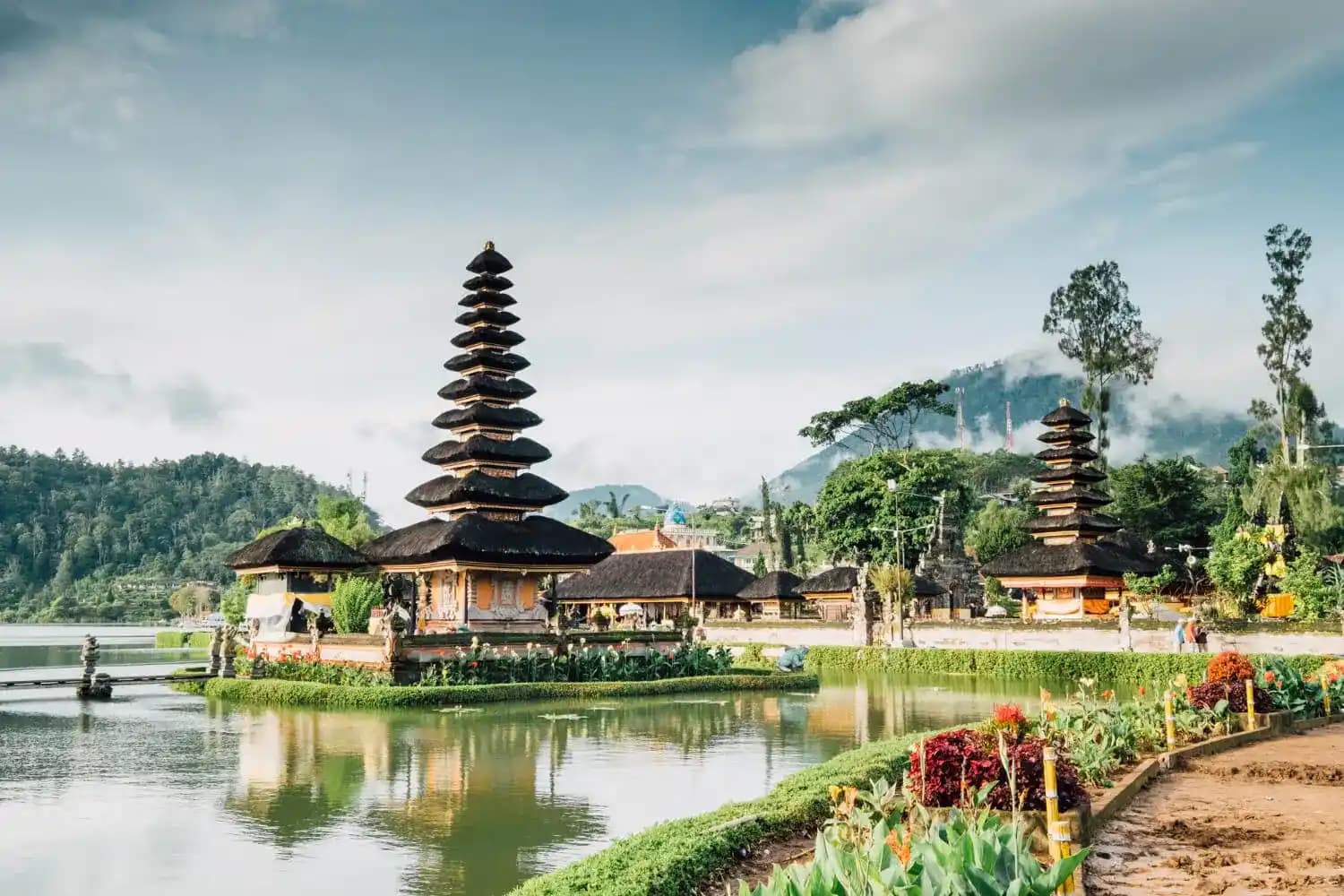

Explore Phu Quoc - South Vietnam Travel, Asia
Phu Quoc, Vietnam's largest island, is a hidden gem in the Gulf of Thailand. Known for its stunning beaches, lush jungles, and vibrant marine life, Phu Quoc is rapidly becoming a must-visit destination for travelers seeking both adventure and relaxation. This tropical paradise offers something for everyone, from sun-kissed shores to bustling night markets and historical landmarks. With its warm climate, friendly locals, and diverse activities, this island promises an unforgettable experience.
Check out all of our tours in Vietnam here.
Population: Approximately 180,000 in 2020.
Economy: The best place to produce the most delicious fish sauce in Vietnam and a gem of Vietnam’s tourism.
Landmarks: Famous for Phu Quoc National Park, Hon Thom Island, and Ham Ninh Fishing Village.

Overview of Phu Quoc
History & Cultural Influence
Phu Quoc's history is as rich as its landscapes. The island has seen influences from various cultures over the centuries, including Vietnamese, Khmer, and French colonialism. Its strategic location made it a significant point of interest during various historical periods. The Phu Quoc Prison, previously called the Coconut Tree Prison, is one of the most important historical landmarks on the island. This site offers a poignant look into Vietnam's past, particularly during the Vietnam War. Additionally, the island is home to several ancient fishing villages, where traditions and cultural practices have been preserved over generations.
Interaction with The Locals
Vietnam's largest island, Phu Quoc has a population of around 180,000 people. The island's citizens are predominantly Vietnamese, with a mix of ethnic Khmer and Chinese communities. Known for their warm hospitality, the locals are engaged in various occupations, including fishing, agriculture, and tourism-related services. The island's growing tourism industry has led to an increasing diversity in the population, with new residents from different parts of Vietnam and beyond contributing to its vibrant culture.

Top Attractions in Phu Quoc
- Phu Quoc National Park: A UNESCO Biosphere Reserve, Phu Quoc National Park covers nearly half of the island. It's a haven for nature enthusiasts, offering hiking trails, diverse wildlife, and breathtaking viewpoints. The park's lush forests and pristine waters make it a perfect spot for eco-tourism.
- Vinpearl Safari & VinWonders: Families and thrill-seekers will find plenty of fun at Vinpearl Safari and VinWonders. Vinpearl Safari is Vietnam's first and only open zoo, home to a variety of exotic animals. VinWonders, on the other hand, is an amusement park with thrilling rides, water slides, and cultural shows.
- Bai Sao Beach & Bai Dai Beach: Phu Quoc is famous for its beautiful beaches, and Bai Sao Beach and Bai Dai Beach are among the most popular. Bai Sao Beach is a great place to unwind because of its turquoise seas and fine white sand. Bai Dai Beach, one of the longest beaches in Vietnam, offers a more secluded experience and is ideal for water sports.
- Hon Thom Island & Cable Car: Hon Thom Island, also known as Pineapple Island, is a must-visit for its stunning beaches and crystal-clear waters. The Hon Thom Cable Car, the longest oversea cable car in the world, offers breathtaking views of the surrounding islands and the sea. Once on the island, visitors can enjoy water sports, snorkeling, and exploring the Sun World Hon Thom Nature Park.
- Suoi Tranh Waterfall: Suoi Tranh Waterfall is a serene spot located within a lush tropical forest. The area is ideal for picnics, hiking, and taking a refreshing dip in the natural pools. It's a favored location for nature lovers because of the peaceful surroundings and breathtaking scenery.
- Ham Ninh Fishing Village: A look into the day-to-day activities of the local fisherman may be had in Ham Ninh, a traditional Vietnam’s fishing hamlet. The village is famous for its fresh seafood, particularly crabs and squid. Visitors can enjoy a meal at one of the many seaside restaurants while watching the sunset over the ocean.

Must-Try Dishes in Phu Quoc
Phu Quoc is a culinary haven, offering a diverse range of dishes that reflect the island's rich cultural heritage and abundant seafood. The local cuisine is known for its fresh ingredients and unique flavors, often featuring the island's famous fish sauce.
Goi Ca Trich (Herring Salad)
A signature dish of Phu Quoc, Goi Ca Trich is a refreshing salad made with fresh herring, herbs, vegetables, and a tangy dressing. The fish is lightly marinated in lime juice, which cooks it slightly, and is served with rice paper and a variety of herbs for wrapping. The dish is often accompanied by a dipping sauce made from Phu Quoc's renowned fish sauce, adding a savory depth of flavor.
Bun Quay Phu Quoc
Bun Quay is a unique noodle dish that you can only find in Phu Quoc. It features fresh seafood such as shrimp and squid, which are ground into a paste and then added to a bowl of rice noodles. The dish is served with a special dipping sauce made from fish sauce, green chili, and lime. What makes Bun Quay special is that diners can customize their bowl with fresh herbs, lime, and chili to their taste.
Ca Song Nuong (Grilled Mackerel)
Grilled mackerel is a popular dish in Phu Quoc, known for its simple yet delicious preparation. The fish is marinated with lemongrass, garlic, and chili, then grilled over an open flame. The result is a crispy, flavorful dish that's often served with rice and fresh vegetables.
Banh Canh Cha Ca (Thick Noodle Soup with Fish Cake)
This hearty noodle soup features thick, chewy noodles made from tapioca flour, served in a flavorful broth with fish cakes. The fish cakes are made from fresh fish, often mackerel, and are seasoned with spices before being fried. The soup is garnished with herbs, lime, and chili, offering a comforting and satisfying meal.
Hau Nuong Mo Hanh (Scallion Oil Grilled Oysters)
Phu Quoc's proximity to the sea ensures that seafood is always fresh. Grilled oysters with scallion oil is a must-try dish, featuring oysters grilled over hot coals and topped with scallion oil, peanuts, and a sprinkle of crispy fried onions. This dish is often enjoyed with a squeeze of lime and a dash of chili sauce.
Phu Quoc cuisine represents the distinctive features of southern Vietnam. Check out more delicious dishes in the South in our article here.

Festivals & Local Celebrations
Phu Quoc is home to a variety of festivals and local celebrations that showcase the island's rich cultural traditions. These events offer visitors a unique opportunity to experience the local way of life and participate in traditional activities.
Dinh Cau Night Market Festival
A vibrant festival, the Dinh Cau Night Market Festival takes place at the Dinh Cau Night Market. The festival features a range of activities, including traditional music and dance performances, culinary demonstrations, and craft stalls. Visitors can enjoy a variety of local delicacies, shop for souvenirs, and immerse themselves in the vibrant atmosphere.
Phu Quoc Fish Sauce Festival
As the island is renowned for its fish sauce, the Phu Quoc Fish Sauce Festival is a significant event that celebrates this iconic product. The festival includes tastings, cooking demonstrations, and tours of fish sauce factories. Visitors can learn about the traditional methods used to produce fish sauce and sample different varieties.
Whale Worshiping Festival (Cau Ngu Festival)
The Whale Worshiping Festival, also known as the Cau Ngu Festival, is an important cultural event for the local fishing communities. The festival is held to honor the whale, considered a sacred animal that protects fishermen at sea. The celebration includes rituals, prayers, and offerings, as well as traditional boat races and folk games.
Tet Holiday (Lunar New Year)
Like the rest of Vietnam, Phu Quoc celebrates Tet Holiday, the Lunar New Year. This major holiday is marked by family gatherings, special meals, and various cultural activities. Visitors during this time can witness traditional customs, such as dragon and lion dances, and enjoy festive markets and fireworks.

What to Do in Phu Quoc
Phu Quoc offers a plethora of activities for tourists, catering to a wide range of interests. From adventure sports to leisurely pursuits, there's something for everyone.
Snorkeling & Diving in Phu Quoc
The waters around Phu Quoc are teeming with marine life, making it a paradise for snorkeling and diving enthusiasts. Popular spots include the An Thoi Archipelago and Turtle Island, where visitors can explore vibrant coral reefs and encounter diverse sea creatures. Equipment rentals and guided tours are provided by a number of diving shops and tour companies.
Island Hopping Tours
Island hopping is a popular activity in Phu Quoc, with numerous tours available to explore the surrounding islands. These tours often include visits to Hon Thom, Hon Mong Tay, and Hon May Rut, each offering pristine beaches and crystal-clear waters. Many tours also offer opportunities for snorkeling, swimming, and fishing.
Adventure Activities
For those seeking adventure, Phu Quoc offers activities like trekking, kayaking, and zip-lining. The island's varied topography, which includes rivers, woods, and mountains, makes for the ideal setting for outdoor activities. Trekking through the national park, kayaking in the Cua Can River, or zip-lining through the forest canopy are just a few of the thrilling options available.
Relaxation & Wellness Retreat
Phu Quoc is also an ideal destination for relaxation and wellness. Many resorts and spas offer a range of treatments, from traditional Vietnamese massages to modern wellness therapies. Yoga and meditation classes are also available, providing a tranquil setting to unwind and rejuvenate.

Shopping in Phu Quoc
Phu Quoc offers a diverse shopping experience, from bustling local markets to specialty shops. Products available to visitors include gourmet cuisine, handcrafted goods from the area, and distinctive keepsakes.
Local Markets
The Dinh Cau Night Market is a must-visit for anyone looking to experience the local culture and cuisine. The market is bustling with vendors selling everything from fresh seafood and street food to clothing and souvenirs. Another popular market is the Duong Dong Market, known for its fresh produce, seafood, and local specialties.
Unique Souvenirs
Phu Quoc is famous for its pepper, pearls, and fish sauce, all of which make excellent souvenirs. Pearl farms on the island produce high-quality pearls, available in a variety of jewelry designs. Phu Quoc fish sauce, renowned for its rich flavor, is another popular item to bring home.
Handicrafts & Art
For those interested in local crafts, Phu Quoc offers a variety of handmade products, including ceramics, textiles, and wood carvings. Shops and markets often feature these crafts, providing visitors with a chance to purchase one-of-a-kind pieces.
Shopping Malls & Boutiques
In addition to traditional markets, Phu Quoc has several shopping malls and boutiques that offer a more modern shopping experience. These venues feature a mix of local and international brands, offering everything from fashion and accessories to electronics and home goods.

Weather in Phu Quoc: Best Time to Visit
Phu Quoc enjoys a tropical monsoon climate, characterized by warm temperatures throughout the year. The island experiences two main seasons—dry and rainy—which influence the flow of tourists and the activities available.
Dry Season in Phu Quoc
- Weather: The dry season in Phu Quoc is marked by sunny days, clear skies, and calm seas, with temperatures ranging from 25°C to 30°C (77°F to 86°F).
- Tourism Trend: This period is the peak tourism season, attracting visitors looking to enjoy beach activities, snorkeling, and island hopping. The pleasant weather makes it ideal for outdoor adventures like hiking in Phu Quoc National Park or exploring the island's cultural sites. Due to the influx of tourists, accommodation and travel costs tend to be higher, and it's advisable to book in advance.
The dry season is a good time to visit many cities in the south of Vietnam. Learn more about Vung Tau, a beautiful coastal city you can visit here.
Rainy Season in Phu Quoc
- Weather: The rainy season brings increased humidity, frequent showers, and occasional storms, with temperatures between 27°C and 32°C (81°F to 90°F).
- Tourism Trend: This period sees a dip in tourist numbers, offering a more serene experience. While some outdoor activities may be limited due to weather conditions, indoor activities are popular during this season. Travelers who visit during this time can take advantage of lower accommodation prices and fewer crowds, making it a great opportunity for those looking for a peaceful retreat.

Cultural Etiquette in Phu Quoc
Understanding and respecting local customs is an important part of visiting any destination. Phu Quoc, while modern and tourist-friendly, still retains many traditional customs that visitors should be aware of.
- Dress Code: While beachwear is appropriate on the beaches, visitors to rural regions, small towns, and religious places should dress modestly. Given the tropical temperature, clothing that is lightweight and breathable is advised.
- Greetings and Social Interactions: The Vietnamese greeting typically involves a smile and handshakes, especially in business or more formal interactions. It's polite to greet the oldest person first and to use both hands when giving or receiving something, such as a gift or business card.
- Tipping and Payment Etiquette: Tipping is not customary in Vietnam, but it's appreciated for exceptional service. A small tip in restaurants, for tour guides, or for hotel staff is a nice gesture. When making payments, it's customary to hand money directly to the person, using both hands.
- Environmental Awareness: Phu Quoc places great emphasis on protecting its natural environment. Visitors are encouraged to participate in conservation efforts by avoiding littering, reducing plastic use, and respecting wildlife. It's also important to be mindful of local marine life and coral reefs when engaging in water activities.

Essential Travel Information
Getting Around Phu Quoc
Phu Quoc offers various transportation options to suit different travel needs:
- Motorbike Rentals: A popular and flexible way to explore the island. Motorbikes are affordable and provide easy access to attractions. An international driving license is required.
- Taxis and Car Rentals: Taxis are widely available and convenient for those who prefer not to drive. Car rentals offer flexibility, especially for families or groups, with options ranging from sedans to SUVs.
- Bicycle Rentals: Ideal for a leisurely, eco-friendly exploration of the island's scenery. Many accommodations offer bike rentals.
- Public Transportation: Public buses are a budget-friendly option but have limited routes and schedules.
- Boat Tours: Great for island hopping and water activities like snorkeling and fishing. Available as private charters or group tours.
ATM & Banking Services
Phu Quoc offers a range of banking and ATM facilities, making it easy for visitors to access cash and financial services. ATMs are widely available in tourist areas like Duong Dong town and Long Beach, and they accept most international cards for cash withdrawals in Vietnamese Dong (VND). Currency exchange services can be found at banks, hotels, and exchange counters, though it's advisable to use official locations for fair rates. While major currencies are generally accepted, carrying cash is recommended for small purchases and transactions in rural areas.
Where to Stay in Phu Quoc
Phu Quoc provides a diverse array of accommodation options catering to various budgets and preferences. Travelers can choose from luxury resorts offering world-class amenities and beachfront views, to mid-range hotels and guesthouses that balance comfort and affordability. Budget-friendly options like hostels are available for those looking to save on costs, often conveniently located near popular beaches and attractions. For a more private experience, villas and holiday rentals offer spacious accommodations ideal for families or groups, complete with kitchen facilities and private amenities.
Articles for you

Explore Binh Thuan - South Vietnam Travel, Asia
Binh Thuan, a sun-drenched province on Vietnam’s South Central Coast, is where golden sands meet rich history. From the bustling fishing hub of Phan Thiet to the wind-swept Mui Ne beaches, this region blends seaside charms with ancient traditions. Once a crossroads of Cham culture, Binh Thuan is now a favorite for travelers seeking more than just a beach holiday. Here, you can sandboard down red dunes, wander centuries-old towers, and share a meal with locals who still live by the rhythms of the sea.
Population: Approximately 1.7 million in 2024.
Economy: Binh Thuan’s economy thrives on a mix of fishing, agriculture, and tourism. The province is Vietnam’s top producer of dragon fruit and a major hub for seafood processing. Renewable energy, especially wind and solar power, is emerging as a key growth sector. Tourism in Mui Ne and Phan Thiet plays a vital role, drawing visitors with beaches, sand dunes, and cultural heritage.
Landmarks: Famous for the Mui Ne Sand Dunes, Fairy Stream, and the Po Sah Inu Towers.

Explore Hai Phong - North Vietnam Travel, Asia
Hai Phong, known as the City of Red Flamboyant, blends coastal beauty, historical depth, and vibrant urban life. Sitting on Vietnam’s northeast coast, this dynamic port city opens the door to famous attractions like Cat Ba Island and Ha Long Bay. Stroll along tree-lined boulevards, admire French colonial architecture, or wander through bustling markets alive with local flavors.
Population: Approximately 2 million in 2022.
Economy: Hai Phong is one of Vietnam’s key economic hubs, driven by its strategic position as a major seaport in the north. The city’s economy thrives on shipping, logistics, shipbuilding, manufacturing, and fisheries. Tourism and hospitality also play a growing role, supported by Hải Phòng’s coastal attractions and cultural heritage.
Landmarks: Famous for the Ky Co Beach, Do Son Beach, and the Tam Bac Lake & Flower Street.

Explore Quang Tri - Central Vietnam Travel, Asia
Tucked along Vietnam’s North Central Coast, Quang Tri Province is often overlooked, but for the curious traveler, it offers a journey like no other. Here, deep history meets cultural resilience, and quiet beaches give way to stories carved in time. Quang Tri is not just a place on the map; it’s a living testament to Vietnam’s strength, spirituality, and hospitality. From ancient relics and wartime landmarks to rural villages filled with warm smiles and proud traditions, this destination invites you to slow down, reflect, and connect.
Population: Approximately 630,000 in 2019.
Economy: Quang Tri, with its long coastline, has an economy primarily based on agriculture, aquaculture, and forestry. In recent years, renewable energy (especially wind and solar) and cross-border trade via the Lao Bao International Border Gate have contributed to economic growth.
Landmarks: Famous for the Quang Tri Ancient Citadel, Vinh Moc Tunnels, and Cua Tung Beach.

Explore My Tho - South Vietnam Travel, Asia
Located in the center of the lush Mekong Delta in Vietnam, My Tho is a mesmerizing location that skillfully combines culture, history, and scenic beauty. Known as the gateway to the Mekong River, this bustling riverside city offers a unique glimpse into the vibrant life of the Delta. My Tho is more than just a starting point for boat tours—it’s a destination rich with experiences that cater to history enthusiasts, food lovers, and those seeking an authentic slice of Vietnamese culture. Whether you’re drawn by its cultural heritage, its culinary delights, or the warmth of its people, My Tho promises a journey filled with discovery and wonder.
Population: Approximately 230,000 in 2022.
Economy: My Tho's economy thrives on agriculture, particularly fruit and fish farming. It also benefits from tourism and local markets, contributing to its vibrant and growing economic landscape.
Landmarks: Famous for Thoi Son Island, Vinh Trang Pagoda, and Mekong River.


Explore My Tho - South Vietnam Travel, Asia
Located in the center of the lush Mekong Delta in Vietnam, My Tho is a mesmerizing location that skillfully combines culture, history, and scenic beauty. Known as the gateway to the Mekong River, this bustling riverside city offers a unique glimpse into the vibrant life of the Delta. My Tho is more than just a starting point for boat tours—it’s a destination rich with experiences that cater to history enthusiasts, food lovers, and those seeking an authentic slice of Vietnamese culture. Whether you’re drawn by its cultural heritage, its culinary delights, or the warmth of its people, My Tho promises a journey filled with discovery and wonder.
Population: Approximately 230,000 in 2022.
Economy: My Tho's economy thrives on agriculture, particularly fruit and fish farming. It also benefits from tourism and local markets, contributing to its vibrant and growing economic landscape.
Landmarks: Famous for Thoi Son Island, Vinh Trang Pagoda, and Mekong River.
Our Best-Selling Tours
Follow Us