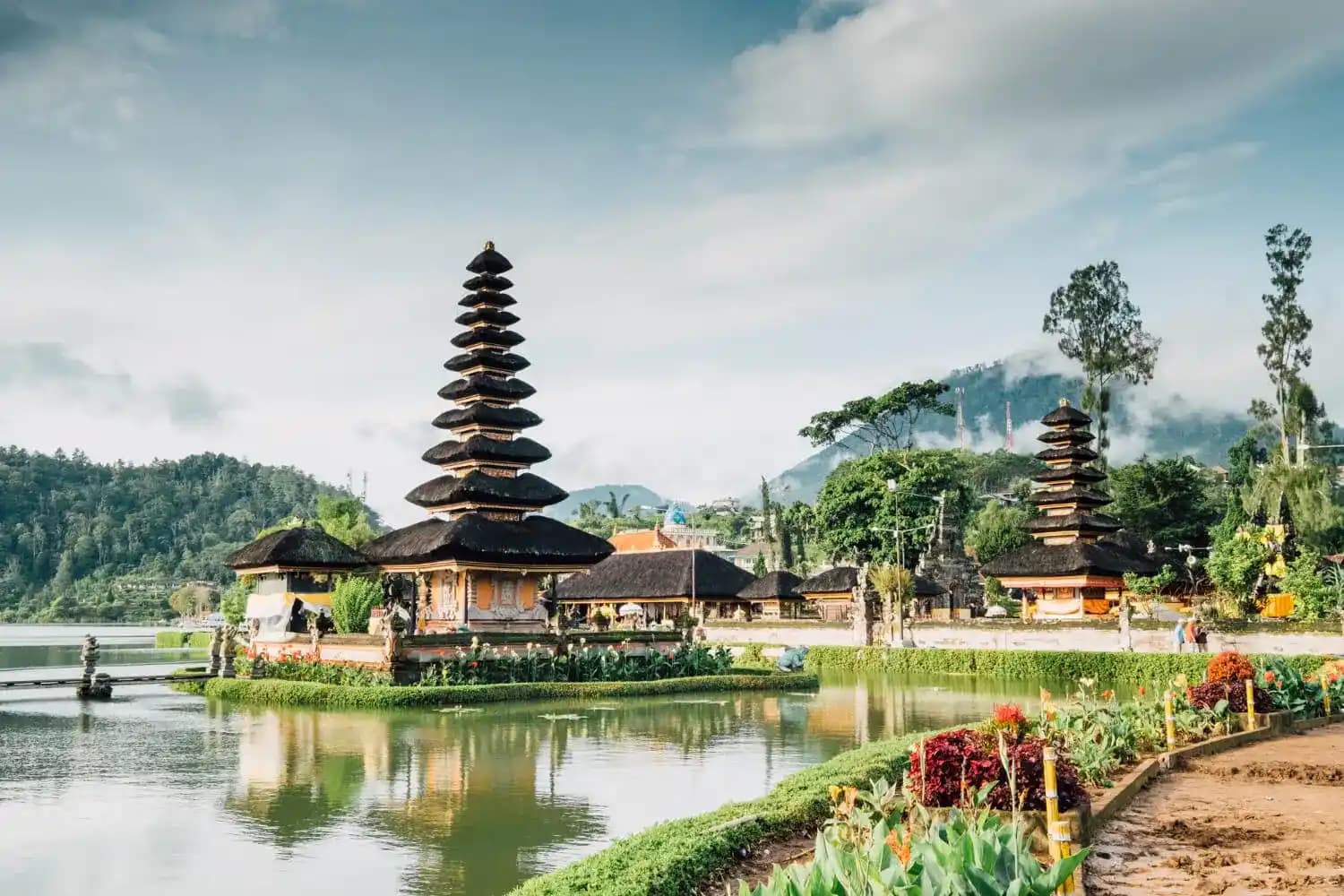

Explore Agra: Top India Travel Destinations in Asia
Agra, the city of the iconic Taj Mahal, is a historic gem in northern India, situated on the banks of the Yamuna River. This former capital of the Mughal Empire is renowned for its magnificent architectural marvels, approximately 206 kilometers south of New Delhi.
With it's rich cultural heritage, vibrant markets, and delectable cuisine, particularly the famous Mughlai dishes and sweets like petha, make it a must-visit destination for travelers seeking a glimpse into India's glorious past and a taste of its diverse flavors.
Population: Estimate 2,300,000 people (as of 2024)
Economy: Agra is a diverse economy that heavily relies on tourism, manufacturing, and agriculture. The city is a major tourist hub, attracting around 9.5 million visitors annually, primarily due to iconic landmarks like the Taj Mahal and Agra Fort, which significantly contribute to the local economy.
Approximately 40% of the population is engaged in agriculture, while the city is also renowned for its leather industry, producing over 150,000 pairs of shoes daily, making it one of the largest shoe manufacturing centers in India.
Landmarks: Taj Mahal, Agra Fort, Fatehpur Sikri, Itimad-ud-Daula's Tomb (Baby Taj), Jama Masjid, Chini Ka Rauza, Akbar's Tomb

Overview of Agra
History & Cultural Influence
Agra's history is deeply intertwined with its significance as a major center of the Mughal Empire, which greatly influenced its cultural landscape. Founded in 1504 by Sultan Sikandar Lodi, Agra became prominent under Mughal rulers like Akbar, Jahangir, and Shah Jahan, who left a lasting legacy through architectural marvels such as the Taj Mahal and Agra Fort. These structures not only showcase exquisite Mughal architecture but also reflect the city's historical role as a cultural and political hub.
The cultural influence of Agra is evident in its vibrant arts and crafts scene, particularly in marble inlay work, leather goods, and textiles. The city's diverse population, comprising Hindus, Muslims, Jains, and others, contributes to a rich tapestry of traditions and festivals, including Taj Mahotsav, Diwali, and Urs Sufi Sahib.
Interaction with The Locals
With a diverse ethnic makeup that includes Hindus, Muslims, and other communities. When visiting Agra, you can expect a warm and welcoming interaction with the locals, who are known for their hospitality.
The city's population is predominantly Hindi-speaking, with a significant number of Urdu speakers as well. Locals are generally friendly and eager to assist tourists, often going out of their way to help with directions or recommendations. However, it's important to be aware of potential language barriers, as English proficiency may vary.

Top attractions in Agra
Agra, a city steeped in history and architectural splendor, is home to some of India's most iconic landmarks. The Taj Mahal, a symbol of eternal love, mesmerizes with its stunning white marble beauty, while the grand Agra Fort offers a glimpse into the opulent lifestyle of the Mughal emperors. Just a short drive away, Fatehpur Sikri transports you back to the 16th century with its impressive red sandstone structures and the visionary legacy of Emperor Akbar.
Taj Mahal
Location: Taj Ganj, Agra, Uttar Pradesh
The Taj Mahal, an iconic symbol of love, was built by Mughal Emperor Shah Jahan in memory of his wife Mumtaz Mahal. Constructed between 1632 and 1648, this UNESCO World Heritage Site captivates with its stunning white marble architecture and intricate inlay work, making it an unforgettable experience for all who visit.
Agra Fort
Location: Agra Fort, Rakabganj, Agra, Uttar Pradesh
Agra Fort, a massive red sandstone fortress, served as the primary residence of the Mughal emperors before the capital was shifted to Delhi. Built by Emperor Akbar in the 16th century, this impressive fort showcases a blend of Islamic and Hindu architectural styles, with highlights like the Khas Mahal and Diwan-i-Khas that offer a glimpse into the grandeur of the Mughal era.
Fatehpur Sikri
Location: Fatehpur Sikri, about 40 km from Agra
Fatehpur Sikri, a UNESCO World Heritage Site, was the former capital of the Mughal Empire, built by Emperor Akbar in the late 16th century. This stunning city is known for its architectural marvels, including the grand Buland Darwaza and the magnificent Jama Masjid, offering you a journey back in time to explore Akbar's vision of a harmonious society.
Itimad-ud-Daula's Tomb (Baby Taj)
Location: Moti Bagh, Agra, Uttar Pradesh
Often referred to as the "Baby Taj," Itimad-ud-Daula's Tomb is the mausoleum of Mirza Ghiyas Beg, the grandfather of Mumtaz Mahal. Built between 1622 and 1628, this exquisite tomb is adorned with intricate marble inlay work and is considered a precursor to the Taj Mahal, offering a serene and artistic experience.
Mehtab Bagh
Location: Mehtab Bagh, opposite the Taj Mahal
Mehtab Bagh, known as the "Moonlight Garden," is a tranquil garden complex located directly opposite the Taj Mahal on the Yamuna River. This spot offers stunning views of the Taj, especially at sunset, making it a perfect location for photography and relaxation amidst lush greenery.
Chini Ka Rauza
Location: Near Agra, Uttar Pradesh
Chini Ka Rauza is a hidden gem, a mausoleum dedicated to Afzal Khan, a Persian poet and prime minister during Shah Jahan's reign. Built in the 17th century, it is famous for its distinctive blue and white glazed tiles, showcasing Persian architectural influences, and offers a unique cultural experience for those interested in Agra's lesser-known treasures.
Jama Masjid
Location: Jama Masjid, Agra, Uttar Pradesh
Jama Masjid, one of the largest mosques in India, was commissioned by Shah Jahan in 1648. The mosque is a marvel of red sandstone and white marble architecture, featuring a vast courtyard that can accommodate thousands of worshippers. Visiting this significant religious site offers a profound connection to Agra's spiritual and historical heritage.

Must-Try Dishes in Agra
When in Agra, indulging in the city's culinary delights is a must. Start with Petha, a unique sweet made from ash gourd that comes in a variety of flavors, ranging from classic to saffron-infused. Another local favorite is Bedai, a spicy, puffed bread served with a flavorful potato curry, often enjoyed as a hearty breakfast by locals. These dishes offer a delicious glimpse into the traditional flavors of Agra.
Mughlai Biryani
A fragrant rice dish cooked with marinated meat, usually chicken or mutton, Mughlai Biryani is infused with saffron and a blend of aromatic spices. This dish is a staple in Agra, reflecting the city's rich Mughal heritage, and is often served during special occasions, making it a must-try for any culinary explorer.
Petha
Unique to Agra, Petha is a translucent candy made from ash gourd, often flavored with cardamom or saffron. This sweet delicacy has become a popular souvenir, symbolizing Agra's culinary identity, and is a delightful treat for those with a sweet tooth.
Agra Ka Dalmoth
Dalmoth is a savory snack made from a mix of lentils, nuts, and spices, known for its crunchy texture and spicy flavor. A popular street food in Agra, it's often enjoyed as a tea-time snack, making it a favorite among both locals and visitors looking for a taste of authentic Agra.
Tandoori Chicken
Tandoori Chicken, marinated in yogurt and spices, is cooked to perfection in a traditional clay oven, or tandoor. This popular dish offers tender and flavorful meat, often served with mint chutney and onion salad, and is a must-try for those seeking a true taste of Agra's culinary delights.
Kebabs
Agra is renowned for its variety of kebabs, including Seekh Kebabs and Galouti Kebabs, made from minced meat and a blend of spices. These dishes showcase the Mughal influence on local cuisine and are a must-try for meat lovers exploring the flavors of Agra.
Chaat
Chaat in Agra is a flavorful street food experience, offering a variety of savory snacks like Aloo Tikki Chaat and Dahi Puri. Made with potatoes, chickpeas, and tangy chutneys, these dishes provide a burst of flavors and textures that are sure to delight anyone looking to dive into the city's vibrant street food scene.

Festivals & Local Celebrations
Taj Mahotsav
Time of Year: February (10-day festival)
Taj Mahotsav is a lively annual festival held near the iconic Taj Mahal, celebrating Agra's rich cultural heritage. You can immerse yourself in a grand procession with decorated elephants and camels, explore stalls brimming with local crafts, and enjoy traditional music, dance performances, and mouthwatering regional cuisine. This vibrant festival offers a perfect opportunity to experience the artistic talents and traditions of Agra.
Ram Barat
Time of Year: September/October (before Dussehra)
Ram Barat is a unique and colorful procession that reenacts the marriage of Lord Rama and Sita, forming a key part of the larger Ramleela celebrations. You’ll witness a parade filled with beautifully decorated floats, traditional music, and performances by local artists, as the procession winds through the streets of Agra, creating an atmosphere of devotion, festivity, and celebration.
Bateshwar Fair
Time of Year: October/November (month-long festival)
Held in the nearby town of Bateshwar, this vibrant fair is dedicated to Lord Shiva and draws thousands of devotees. The fair offers a lively mix of religious rituals, cultural performances, and a bustling livestock market. As you explore the stalls selling local handicrafts and foods, you'll get a fascinating glimpse into the spiritual and cultural life of the region.
Kailash Fair
Time of Year: August/September
Kailash Fair takes place at the Kailash temple, about 12 km from Agra, celebrating the appearance of Lord Shiva as a stone lingam. This spiritual gathering is filled with rituals, music, and local festivities, where you can join devotees in paying homage to the deity and soak in the vibrant, devotional atmosphere.
Holi
Time of Year: March (spring festival)
Holi, the joyous festival of colors, is celebrated with exuberance in Agra. You’re invited to join the fun, throwing vibrant colored powders, singing, dancing, and indulging in traditional sweets. The celebrations often extend to nearby towns like Vrindavan and Mathura, famous for their spirited Holi festivities, making it a truly unforgettable experience.

Weather in Agra: Best Time to Visit
Agra experiences a semi-arid climate, characterized by hot summers, mild winters, and a monsoon season.
Average Temperatures
- Summer (March to June): Daytime temperatures can soar above 40°C, often reaching up to 46°C in May. Nights are relatively cooler, averaging around 30°C.
- Monsoon (July to September): This season brings significant rainfall, averaging about 628.6 mm, with temperatures ranging from 25°C to 35°C.
- Winter (December to February): Winter temperatures can drop to as low as 3°C, with January being the coldest month, averaging around 15°C.
Rainfall
Annual Rainfall: Approximately 760 mm, with the heaviest rains occurring in July and August.
Best Time to Travel
The ideal time to visit Agra is from mid-November to mid-February, when the weather is cooler and more pleasant for sightseeing. However, visitors should be prepared for potential fog and pollution during this period.

Culture Etiquette in Agra
Dress Modestly
Both men and women should dress modestly, especially when visiting religious sites. Cover shoulders and knees. Light, breathable fabrics are recommended due to the hot climate.
Greetings
Greet locals with a friendly "Namaste" and a slight bow. This gesture is a sign of respect.
Dining Etiquette
- Eat with your right hand only, as the left hand is considered unclean. Avoid using your left hand to pass food or touch dishes.
- Eating with family or friends is often communal. Sharing food is a sign of hospitality.
Respect Religious Practices
- Remove shoes when entering temples and mosques. In some cases, cover your head as well.
- Avoid wearing leather products and touching holy books or idols with your feet, as this is considered disrespectful.
Photography
- Ask for permission before taking photos of locals, especially women. Some may not feel comfortable being photographed.
- Avoid taking photos of military or government buildings, as it may be prohibited.

Essential Travel Information
Getting to Agra
Air
Agra Airport (Kheria Airport): Currently, Indigo operates flights connecting Agra to major cities like Mumbai, Ahmedabad, Bhopal, and Bangalore. The airport is controlled by the Indian Air Force and is about 12 km from the city center.
Rail
Rail Connectivity: Agra is served by several railway stations, with Agra Cantonment being the major station on the Delhi-Mumbai line. Other stations include Agra Fort, Raja-Ki-Mandi, and Idgah. The city is well-connected by express trains, including the Gatiman Express, which offers a fast service from Delhi, reducing travel time to about 100 minutes.
Road
Bus Services: Agra has multiple bus stands, including the Inter-State Bus Terminal (ISBT) and Idgah Bus Stand, connecting it to various cities in northern India. The city is a junction for several national highways, including NH 19 and the Yamuna Expressway, making it easily accessible by car.
Getting Around Agra
Taxis and Auto Rickshaws
- Taxis: Renting a taxi for a full day is a popular option for tourists, with costs around USD 50 for over 12 hours. Taxis can be booked through hotels or local taxi services.
- Auto Rickshaws: These are widely available and are a convenient way to navigate the city. They are often used for short distances and can be hired for a quick trip to local attractions.
Public Transit
City Buses: Although available, city buses are infrequent and may not be the most reliable option for tourists.
Eco-Friendly Transport
Battery-Operated Vehicles: Due to restrictions on polluting vehicles near the Taj Mahal, visitors can use battery-operated autos or horse-drawn carriages (tonga) to reach the monument from nearby parking areas.
Metro
Agra Metro Project: A metro rail project is underway, which will include multiple stations and improve urban transport in the city once completed.
ATM and Banking Services
Agra offers several ATMs and banking facilities for easy access to cash and financial services:
HDFC Bank ATM
Location: No 1 to 3, Shanti City Center, Bhagrathi Devi Marg, Taj Nagari, Khandari, Agra, Uttar Pradesh
Phone: +91 94267 92009
Hours: Open 24 hours
State Bank of India ATM
Location: Police Lines Rd, Rakabganj, Agra, Uttar Pradesh
Phone: +91 1800 11 2211
Hours: Open 24 hours
Bank of Baroda ATM
Location: 8/181 A Kaushal Pur, Bypass Rd, Nagla Padi, Agra, Uttar Pradesh
Phone: +91 1800 5700
Hours: Open 12 PM – 12 AM daily
These ATMs provide convenient access to cash for travelers, ensuring that banking services are readily available.
Accommodation Choices
Agra offers a range of accommodation options, from budget stays to more comfortable lodging:
Luxury Hotels
- The Oberoi Amarvilas: Known for its stunning views of the Taj Mahal, this luxury hotel offers opulent rooms and exceptional service.
- ITC Mughal: A five-star hotel that combines Mughal architecture with modern amenities, providing a luxurious stay.
Mid-Range Hotels
- Hotel Taj Resorts: Located near the Taj Mahal, this hotel offers comfortable rooms and a rooftop pool, making it a popular choice for tourists.
- Hotel Clarks Shiraz: A well-known hotel offering a blend of comfort and convenience, with easy access to major attractions.
Budget Hotels and Guesthouses
There are numerous budget hotels and guesthouses that provide basic amenities and a chance to experience local hospitality. These often include family-run establishments that offer a more personalized experience.
Articles for you

Explore Jodhpur: Top India Travel & Tweet Tours Guide
Jodhpur, located in the western Indian state of Rajasthan, is known as the "Blue City" for its distinctive blue-painted houses that surround the majestic Mehrangarh Fort. Founded in 1459 by Rao Jodha, the city serves as the administrative headquarters of the Jodhpur district, it is the second-largest city in the state.
Jodhpur's unique charm lies in its rich history, with stunning landmarks such as the Umaid Bhawan Palace, a blend of art deco and Indo-Saracenic architecture, and the vibrant bazaars that offer a glimpse into local handicrafts and textiles. The city's strategic location near the Thar Desert makes it a popular base for travelers exploring Rajasthan, while its warm, sunny climate has earned it the nickname "Sun City." Visitors are drawn to Jodhpur not only for its historical significance and architectural beauty but also for its delicious local cuisine, including dishes like dal baati churma and gatte ki sabzi, which reflect the culinary traditions of the region.
Population: Estimate 1,600,000 people (as of 2024)
Economy: Jodhpur is an thriving economy based on agriculture, handicrafts, industry, and tourism. Jodhpur district has a significant agricultural sector, with around 60% of the total land area under cultivation. Tourism is also a key economic driver, with Jodhpur known for its heritage hotels and historic attractions like Mehrangarh Fort and Umaid Bhawan Palace.
The city's nickname also come with "Blue City" and its desert setting make it a popular tourist destination.
Landmarks: Mehrangarh Fort, Umaid Bhawan Palace, Jaswant Thada, Clock Tower (Ghanta Ghar), Toorji Ka Jhalra (Toorji's Step Well), Mahamandir Temple, Rao Jodha Desert Rock Park

Explore Udaipur: Top India Travel & Tweet Tours Guide
Udaipur, located in the southern part of Rajasthan, India, is often referred to as the "City of Lakes" due to its picturesque lakes and stunning landscapes. It is situated at an elevation of about 598 meters (1,962 feet) above sea level and is surrounded by the Aravalli mountain range, contributing to its scenic beauty. Known for its stunning lakes, including Lake Pichola and Fateh Sagar Lake, the city offers breathtaking views and a serene atmosphere, making it a popular romantic destination. Culturally, Udaipur is significant for its royal heritage, having been the capital of the Mewar Kingdom, and it hosts various festivals that celebrate local arts and crafts. Travelers are drawn to Udaipur not only for its picturesque landscapes and historical sites but also for its vibrant local cuisine, featuring dishes like dal baati churma and gatte ki sabzi.
Population: Estimate 639,000 people (as of 2024)
Economy: Udaipur's economy relies primarily on agriculture, minerals, and a small amount of tourism and handicrafts. Its strategic location in Madhya Pradesh provides access to markets and resources that support its economic activities. Agriculture remains a significant part of Udaipur's economy, with major crops including maize, jowar, wheat, and mustard.
Landmarks: Boras Narmada's Ghat, Shahid Smarak, Walled Enclave at Deori, Biranj Nadi River, Ikyawan Nadi River

Explore Delhi: India Travel Guide, Asia Destinations
Delhi, the bustling capital of India, is located in north-central India on the west bank of the Yamuna River, just south of the Himalayas. With a population as the second most populated city in the world, offering a dynamic mix of ancient and modern life. The city’s history stretches back over two millennia, having served as the capital of various empires, including the Delhi Sultanate and Mughal Empire. It became the capital of British India in 1911 and continues to be the political heart of independent India since 1947.
Delhi’s unique character lies in its dual identity, with Old Delhi showcasing rich history and New Delhi representing the nation’s modern face. The city boasts iconic landmarks like the Qutub Minar, Humayun’s Tomb, and the Red Fort, all of which are UNESCO World Heritage Sites. Visitors are also drawn to Delhi’s vibrant cultural diversity, religious sites, and thriving culinary scene, especially its famous street food. As a major economic and educational hub, Delhi seamlessly blends its architectural marvels, green spaces, and bustling markets, making it a must-visit destination for travelers.
Population: Estimate 33,800,000 (as of 2024)
Economy: Delhi is a dynamic and multifaceted landscape that plays a crucial role in India's overall economic framework. The services sector is the backbone of Delhi's economy, contributing about 70.95% to the GSDP. Key industries include information technology, telecommunications, banking, media, and tourism. The city is also a hub for hotels and hospitality, benefiting from its status as a major tourist destination. The city attracts a large number of domestic and international tourists, drawn by its rich historical heritage and modern attractions. In 2016, tourism generated about US$3.2 billion, supporting over 460,000 jobs.
Landmarks: Qutub Minar, Red Fort, Humayun's Tomb, Lotus Temple, India Gate, Jama Masjid, Raj Ghat, Akshardham Temple
Explore more tours in India here.

Explore Jaipur: Top India Travel & Tweet Tours Guide
Jaipur, the capital of Rajasthan, is a vibrant city known as the "Pink City" for its distinctive rose-colored buildings. Founded in 1727 by Maharaja Sawai Jai Singh II, Located in the northeastern part of Rajasthan, approximately 268 kilometers (167 miles) from New Delhi. The city is situated at an altitude of 431 meters (1,417 feet) above sea level and is surrounded by the Aravalli hills, providing a picturesque backdrop. The city covers an area of about 467 square kilometers (180 square miles) and is strategically positioned near the Thar Desert. Jaipur's rich cultural heritage, stunning architecture, and colorful festivals make it a popular tourist destination, often visited as part of the Golden Triangle circuit along with Delhi and Agra. Travelers can immerse themselves in the city's art, crafts, and cuisine, from intricate jewelry to delectable dishes like dal-baati-churma and pyaaz kachori.
Population: Approximately 4.300.000 people as of 2024.
Economy: Jaipur's economy is diverse and vibrant, driven primarily by tourism, gemstone cutting, and the manufacture of jewelry and luxury textiles. The city is a significant hub for arts and crafts, with a thriving market for handicrafts, textiles, and traditional Rajasthani goods, attracting both domestic and international tourists.
Attractions: Amer Fort, City Palace, Hawa Mahal, Jal Mahal, Nahargarh Fort, Jaigarh Fort, Jantar Mantar


Explore Delhi: India Travel Guide, Asia Destinations
Delhi, the bustling capital of India, is located in north-central India on the west bank of the Yamuna River, just south of the Himalayas. With a population as the second most populated city in the world, offering a dynamic mix of ancient and modern life. The city’s history stretches back over two millennia, having served as the capital of various empires, including the Delhi Sultanate and Mughal Empire. It became the capital of British India in 1911 and continues to be the political heart of independent India since 1947.
Delhi’s unique character lies in its dual identity, with Old Delhi showcasing rich history and New Delhi representing the nation’s modern face. The city boasts iconic landmarks like the Qutub Minar, Humayun’s Tomb, and the Red Fort, all of which are UNESCO World Heritage Sites. Visitors are also drawn to Delhi’s vibrant cultural diversity, religious sites, and thriving culinary scene, especially its famous street food. As a major economic and educational hub, Delhi seamlessly blends its architectural marvels, green spaces, and bustling markets, making it a must-visit destination for travelers.
Population: Estimate 33,800,000 (as of 2024)
Economy: Delhi is a dynamic and multifaceted landscape that plays a crucial role in India's overall economic framework. The services sector is the backbone of Delhi's economy, contributing about 70.95% to the GSDP. Key industries include information technology, telecommunications, banking, media, and tourism. The city is also a hub for hotels and hospitality, benefiting from its status as a major tourist destination. The city attracts a large number of domestic and international tourists, drawn by its rich historical heritage and modern attractions. In 2016, tourism generated about US$3.2 billion, supporting over 460,000 jobs.
Landmarks: Qutub Minar, Red Fort, Humayun's Tomb, Lotus Temple, India Gate, Jama Masjid, Raj Ghat, Akshardham Temple
Explore more tours in India here.

Our Best-Selling Tours
Follow Us