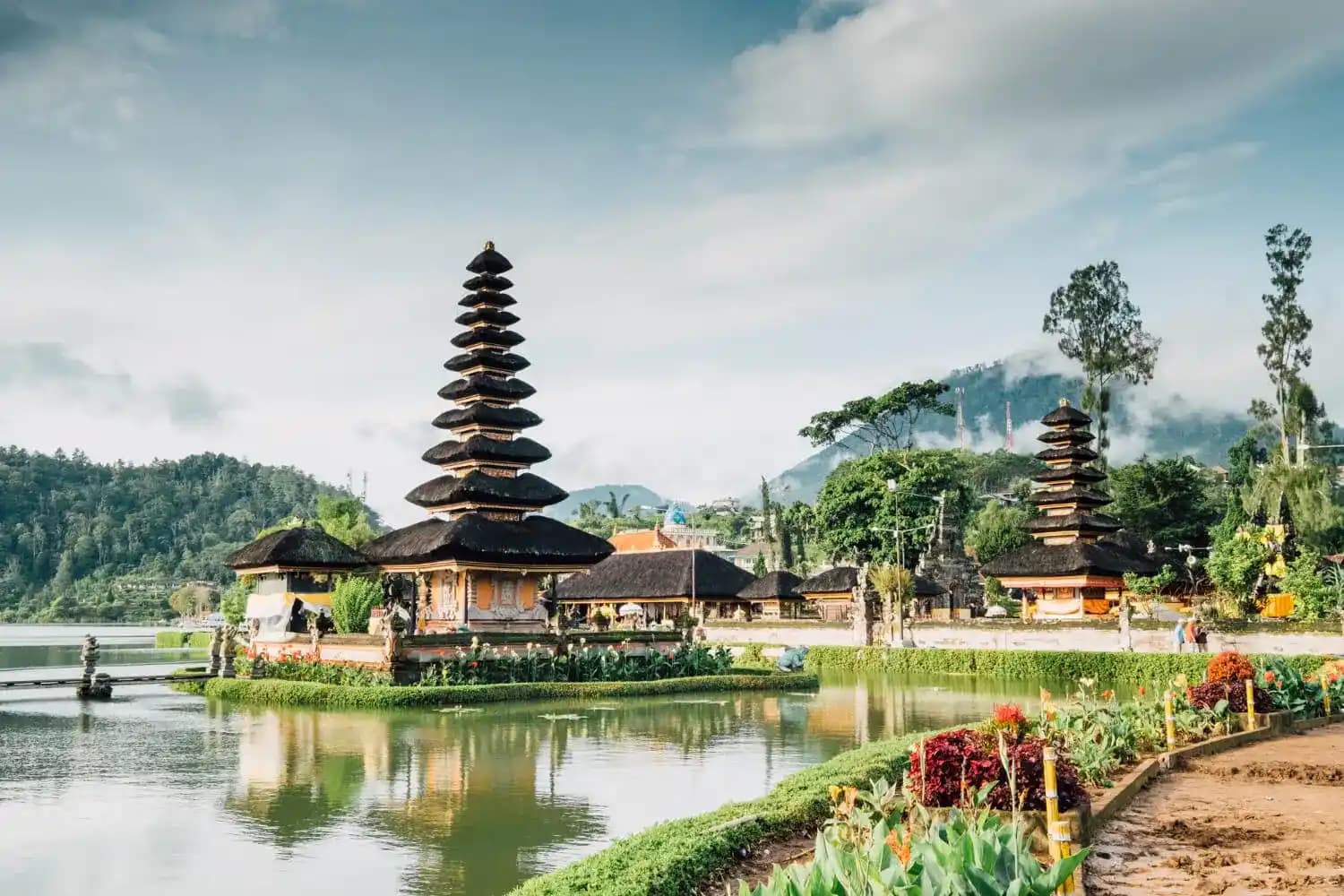

Explore Udaipur: Top India Travel & Tweet Tours Guide
Udaipur, located in the southern part of Rajasthan, India, is often referred to as the "City of Lakes" due to its picturesque lakes and stunning landscapes. It is situated at an elevation of about 598 meters (1,962 feet) above sea level and is surrounded by the Aravalli mountain range, contributing to its scenic beauty. Known for its stunning lakes, including Lake Pichola and Fateh Sagar Lake, the city offers breathtaking views and a serene atmosphere, making it a popular romantic destination. Culturally, Udaipur is significant for its royal heritage, having been the capital of the Mewar Kingdom, and it hosts various festivals that celebrate local arts and crafts. Travelers are drawn to Udaipur not only for its picturesque landscapes and historical sites but also for its vibrant local cuisine, featuring dishes like dal baati churma and gatte ki sabzi.
Population: Estimate 639,000 people (as of 2024)
Economy: Udaipur's economy relies primarily on agriculture, minerals, and a small amount of tourism and handicrafts. Its strategic location in Madhya Pradesh provides access to markets and resources that support its economic activities. Agriculture remains a significant part of Udaipur's economy, with major crops including maize, jowar, wheat, and mustard.
Landmarks: Boras Narmada's Ghat, Shahid Smarak, Walled Enclave at Deori, Biranj Nadi River, Ikyawan Nadi River

Overview of Udaipur
History & Cultural Influence
Udaipur, founded in 1559 by Maharana Udai Singh II, serves as the historic capital of the Mewar kingdom in Rajasthan. Established as a strategic response to Mughal invasions, the city is renowned for its stunning lakes, including Lake Pichola, and majestic palaces like the City Palace, which showcases a blend of Rajput and Mughal architectural styles. The rich history of Udaipur is marked by tales of valor, particularly the legendary Maharana Pratap, who fiercely resisted Mughal dominance, instilling a sense of pride and resilience in the local culture.
Culturally, Udaipur is a hub of traditional arts, music, and dance, with festivals such as the Mewar Festival celebrating its heritage. The city’s cuisine, influenced by its royal past, features dishes like dal baati churma and gatte ki sabzi, adding to its allure.
Interaction with The Locals
Visitors to Udaipur can expect to interact with friendly and hospitable locals, who are generally warm and welcoming towards tourists. The city has a population predominantly comprising Rajputs, Brahmins, and Jains, with a rich cultural tapestry that reflects its historical significance as the capital of the Mewar Kingdom.
The general attitude towards tourists is positive, as locals take pride in their heritage and are often eager to share stories about their city and its traditions. However, visitors should be prepared for some light-hearted persistence from shopkeepers and vendors in the bustling markets, as they may approach with offers to sell their goods.

Top attractions in Udaipur
Discover Udaipur's timeless charm with a visit to the stunning Lake Pichola, where serene boat rides offer breathtaking views of the City Palace and Jag Mandir. Don't miss the romantic Saheliyon Ki Bari, a lush garden oasis that promises tranquility amidst fountains, marble pavilions, and beautiful lotus pools.
City Palace
Location: City Palace Complex, east bank of Lake Pichola, Udaipur, Rajasthan
Standing majestically on the eastern banks of Lake Pichola, the City Palace is a stunning blend of Rajasthani and Mughal architecture, showcasing the grandeur of the Mewar dynasty. The complex, one of the largest of its kind in Rajasthan, features ornate courtyards, balconies, and towers that offer breathtaking views of Udaipur’s lakes and surrounding hills. Within the palace, you’ll find a museum filled with royal artifacts, intricate miniatures, and historic weapons, providing a fascinating insight into Udaipur’s regal past. Whether you're a history buff or an architecture enthusiast, the City Palace is a must-visit.
Lake Pichola
Location: Udaipur, Rajasthan
Lake Pichola is an enchanting artificial lake that reflects the beauty of Udaipur's skyline, with historic palaces, temples, and majestic hills surrounding its shores. A boat ride on the tranquil waters of Lake Pichola is the perfect way to experience Udaipur’s charm, offering stunning views of the City Palace, the floating Lake Palace, and the picturesque Jag Mandir. The lake, originally created in 1362, remains one of the most serene and scenic spots in the city, ideal for both relaxation and sightseeing.
Jag Mandir
Location: Jag Mandir Island, Lake Pichola, Udaipur, Rajasthan
Jag Mandir, an exquisite island palace on Lake Pichola, is known for its striking marble architecture and serene atmosphere. Built as a summer retreat and royal pleasure palace, this stunning structure features intricately carved sculptures, peaceful courtyards, and lush gardens. Legend has it that Mughal emperor Shah Jahan took refuge here before building the Taj Mahal. A visit to Jag Mandir offers a peaceful escape and a glimpse into the royal lifestyle of Udaipur’s past.
Saheliyon Ki Bari
Location: On the banks of Lake Fateh Sagar, Udaipur, Rajasthan
Saheliyon Ki Bari, or the Garden of the Maidens, is a beautiful historic garden built by Maharana Sangram Singh for the royal ladies of Udaipur. Known for its lush greenery, delicate fountains, and intricately designed lotus pools, the garden is a peaceful retreat in the bustling city. The pavilions and marble statues, set amidst the tranquil surroundings, reflect the elegance of a bygone era, making it an enchanting spot to explore and unwind.
Fateh Sagar Lake
Location: Udaipur, Rajasthan
Fateh Sagar Lake, an expansive artificial lake surrounded by the scenic Aravalli hills, is one of Udaipur’s most popular spots for nature lovers and adventure seekers alike. The lake features three islands, with the largest home to Nehru Park, a lush garden accessible by boat. Whether you're enjoying a leisurely boat ride or engaging in water sports, Fateh Sagar Lake offers a perfect mix of relaxation and adventure, all while soaking in the natural beauty of Udaipur.
Sajjangarh Palace (Monsoon Palace)
Location: Sajjangarh, Udaipur, Rajasthan
Sitting high atop a hill, the Sajjangarh Palace, commonly known as the Monsoon Palace, offers panoramic views of Udaipur, its surrounding lakes, and the distant Aravalli hills. Originally built as a monsoon retreat for the Mewar royal family, the palace was also intended to serve as an astronomical center. While the palace itself is relatively simple, the breathtaking vistas make it a favorite for photographers and those looking to enjoy Udaipur’s scenic beauty from above.
Bagore Ki Haveli Museum
Location: Gangori Ghat, Udaipur, Rajasthan
Bagore Ki Haveli, a beautifully restored 18th-century haveli, is now a museum that offers a deep dive into the art, culture, and traditions of Rajasthan. Situated on the waterfront of Lake Pichola, this historic building is filled with rooms showcasing everything from traditional costumes and jewelry to puppets and musical instruments. Don’t miss the lively evening performances of folk dance and music in the courtyard, which bring the history of Udaipur to life in the most vibrant way.

Must-Try Dishes in Udaipur
In Udaipur, you’ll find delicious regional flavors that highlight the culinary traditions of Madhya Pradesh. From Dal Bafla, a traditional dish features wheat dough balls cooked to perfection and served with a rich lentil curry, ghee; to Poha, a light and flavorful breakfast dish made with flattened rice, spices, and topped with fresh coriander and sev, making it a must-try for anyone visiting the area.
Daal-Baati-Churma
When in Rajasthan, Daal-Baati-Churma is an absolute must-try. This iconic dish features baked wheat balls (baati) served with a spicy lentil curry (daal) and a sweet, crumbled wheat mixture (churma). It’s not just food; it’s a celebration on a plate, often found at festivals and feasts, and a delicious way to dive into the region’s culinary traditions.
Pyaaz Kachori
Craving something savory? Pyaaz Kachori, a crispy pastry filled with a spiced onion mixture, is the perfect snack. Deep-fried to golden perfection and typically enjoyed with tamarind or mint chutney, this popular treat in Udaipur is a bite of local flavor you won’t want to miss.
Mirchi Bada
For those who love a bit of heat, Mirchi Bada is the way to go. Imagine spicy green chilies stuffed with a tangy potato filling, dipped in gram flour batter, and deep-fried until crisp. Served with chutneys, this street food favorite is sure to leave your taste buds tingling.
Mawa Kachori
If you have a sweet tooth, Mawa Kachori will hit the spot. This dessert takes the traditional kachori and fills it with a rich blend of khoya (milk solids), sugar, and cardamom. Deep-fried and golden, it’s a festival favorite, offering a sweet taste of Udaipur’s culinary charm.
Ghevar
Looking for something truly unique? Ghevar is a traditional Rajasthani sweet that’s as beautiful as it is tasty. Made from flour, sugar, and ghee, this disc-shaped treat is often adorned with silver leaf or dry fruits. Enjoyed especially during the monsoon season and the festival of Teej, Ghevar is a delightful way to experience the sweet side of local culture.

Festivals & Local Celebrations
Teej Festival
Time of Year: August (during the monsoon season)
Celebrated primarily by women in Udaipur, marking the arrival of the monsoon. Women dress in green attire, sing traditional songs, and participate in dance and rituals dedicated to Goddess Parvati. You can expect lively processions, cultural performances, and a showcase of local traditions.
Mewar Festival
Time of Year: Typically celebrated in April, coinciding with the Gangaur festival.
The Mewar Festival marks the arrival of spring and is celebrated with great enthusiasm. Visitors can witness a grand procession featuring beautifully adorned idols of Isar and Gangaur, paraded through the streets of Udaipur. The festivities culminate at Gangaur Ghat with traditional songs, dances, and a spectacular fireworks display, making it a vibrant cultural celebration.
Gangaur Festival
Time of Year: Celebrated for 18 days, starting on the first day of Chaitra (usually in March or April).
This festival is particularly significant for women, who dress in their finest attire to worship Goddess Gauri for marital bliss. The festival includes colorful processions, cultural performances, and the immersion of idols in Lake Pichola, showcasing the rich local traditions and community spirit.
Shilpgram Utsav
Time of Year: Usually held in December.
This crafts fair promotes the arts and crafts of Rajasthan and features stalls from various artisans. Visitors can enjoy workshops, cultural performances, and exhibitions that highlight rural life and crafts. The festival is an excellent opportunity to purchase handmade items and immerse in the artistic heritage of the region.

Weather in Udaipur: Best Time to Visit
Udaipur has a hot semi-arid climate with three main seasons - summer, monsoon, and winter. The city experiences hot and dry weather for most of the year due to its location in the desert region of Madhya Pradesh.
Temperatures
- Average Temperatures: Range from 17°C to 32°C annually.
- Summer (March to June): Daytime highs can exceed 40°C. The record high is 46.4°C set in May.
- Monsoon (July to September): Temperatures are slightly cooler, ranging from 24°C to 32°C. The city receives heavy rainfall during this season.
- Winter (October to February): Days are warm with temperatures around 25°C, while nights can be quite cool, dipping to 5°C. January is the coldest month.
Rainfall
- Average Annual Rainfall: Around 700 mm, with the bulk of it coming during the monsoon season from July to September.
- July and August are the wettest months, receiving over 200 mm of rain each.
Best Time to Visit
The most favorable time to visit Udaipur is during the winter months from October to March when the weather is pleasant and ideal for sightseeing. Days are sunny and warm while nights are cool. The monsoon season from July to September brings heavy rainfall.

Culture Etiquette in Udaipur
Greetings
Namaste: Greet locals with "Namaste," accompanied by a slight bow and hands pressed together in front of your chest. This gesture reflects respect and acknowledgment of the person's presence.
Dress Modestly
Visitors should dress modestly, especially when visiting religious sites. Both men and women should cover their shoulders and knees. Lightweight cotton clothing is advisable due to the hot climate.
Dining Etiquette
- Eating with the Right Hand: It is customary to eat with the right hand only, as the left hand is considered unclean. If dining with locals, be mindful of this practice.
- Sharing Food: Meals are often communal, and sharing food is a sign of hospitality. Accepting food offered by locals is polite.
Respect Religious Practices
- When entering temples, it is customary to remove your shoes and, in some cases, cover your head. Avoid wearing leather products and touching holy books or idols with your feet, as this is considered disrespectful.

Essential Travel Information
Getting to Udaipur
Air
Nearest Airport: The closest major airport is Raja Bhoj Airport in Bhopal, located about 100 km from Udaipur. Travelers can take taxis or buses from the airport to reach Udaipur.
Train
Rail Connectivity: Udaipur is accessible via nearby railway stations, with the closest being in Raisen and Sanchi. These stations connect to major cities in Madhya Pradesh and beyond, making train travel a viable option for visitors.
Bus
Bus Services: Udaipur is served by regular bus services operated by the Madhya Pradesh State Road Transport Corporation (MPSRTC) and private operators. Buses connect Udaipur to nearby towns and cities, providing an economical travel option.
Getting Around Udaipur
Taxis
Local Taxis: Taxis are available for hire within Udaipur and can be booked for local sightseeing or transfers. It's advisable to negotiate fares in advance or use a reliable taxi service.
Auto Rickshaws
Auto Rickshaws: Commonly used for short distances, auto rickshaws are readily available in Udaipur. They are a convenient and affordable way to navigate the town.
Local Transport
Bicycles and Motorbikes: Renting bicycles or motorbikes can be a fun way to explore Udaipur and its surroundings at your own pace.
ATMs
Several ATMs are available throughout Udaipur, including those from SBI and ICICI Bank, providing convenient access to cash for travelers.
Banking Services in Udaipur
State Bank of India (SBI)
SBI is one of the major banks in India, offering a range of financial services, including savings accounts, loans, and ATM facilities.
ICICI Bank
ICICI Bank provides various banking services, including personal banking, business banking, and investment options.
Fino Payments Bank
Address: 08, Brahma Nagar, Udaipur, Madhya Pradesh
Fino Payments Bank offers digital banking services, including savings accounts and money transfer services, catering to the needs of local residents and visitors.
Accommodation Choices in Udaipur
Udaipur offers a diverse range of accommodations, making it easy for visitors to find a place that suits their budget and preferences.
Luxury Hotels
For those seeking indulgence, Udaipur’s luxury hotels near Lake Pichola offer breathtaking views of the City Palace and the shimmering waters. These high-end properties often provide a royal experience, blending opulence with world-class amenities in a setting rich with history.
Mid-range Options
Travelers looking for comfort without the extravagance will find plenty of mid-range hotels and guesthouses throughout the city. Many of these are conveniently located in the city center or nearby, offering modern amenities and a charming atmosphere at a reasonable price.
Budget Accommodations
Backpackers and budget-conscious travelers will also feel at home in Udaipur, with a variety of affordable hostels and budget hotels. These are particularly concentrated in areas popular with backpackers, providing great value and easy access to the city’s major attractions.
Articles for you

Explore Jodhpur: Top India Travel & Tweet Tours Guide
Jodhpur, located in the western Indian state of Rajasthan, is known as the "Blue City" for its distinctive blue-painted houses that surround the majestic Mehrangarh Fort. Founded in 1459 by Rao Jodha, the city serves as the administrative headquarters of the Jodhpur district, it is the second-largest city in the state.
Jodhpur's unique charm lies in its rich history, with stunning landmarks such as the Umaid Bhawan Palace, a blend of art deco and Indo-Saracenic architecture, and the vibrant bazaars that offer a glimpse into local handicrafts and textiles. The city's strategic location near the Thar Desert makes it a popular base for travelers exploring Rajasthan, while its warm, sunny climate has earned it the nickname "Sun City." Visitors are drawn to Jodhpur not only for its historical significance and architectural beauty but also for its delicious local cuisine, including dishes like dal baati churma and gatte ki sabzi, which reflect the culinary traditions of the region.
Population: Estimate 1,600,000 people (as of 2024)
Economy: Jodhpur is an thriving economy based on agriculture, handicrafts, industry, and tourism. Jodhpur district has a significant agricultural sector, with around 60% of the total land area under cultivation. Tourism is also a key economic driver, with Jodhpur known for its heritage hotels and historic attractions like Mehrangarh Fort and Umaid Bhawan Palace.
The city's nickname also come with "Blue City" and its desert setting make it a popular tourist destination.
Landmarks: Mehrangarh Fort, Umaid Bhawan Palace, Jaswant Thada, Clock Tower (Ghanta Ghar), Toorji Ka Jhalra (Toorji's Step Well), Mahamandir Temple, Rao Jodha Desert Rock Park

Explore Lucknow: Top India Travel & Tours Guide in Asia
Lucknow, the capital of Uttar Pradesh, is located on the banks of the Gomti River and is renowned for its rich history and cultural heritage. Approximately 500 kilometers east of New Delhi, Known as the "City of Nawabs," it features stunning landmarks such as the Bara Imambara and the Rumi Darwaza, showcasing its Mughal architecture and historical significance during the 1857 uprising. Lucknow is renowned for its unique blend of history, culture, and architecture. The city is famous for its Awadhi cuisine, which includes dishes like kebabs and biryanis, and for its traditional crafts such as chikankari (a form of embroidery).
Population: Estimate 4,000,000 people (as of 2024)
Economy: Lucknow, has a diverse economy that plays a crucial role in its appeal to travelers. The city is a significant hub for agriculture, particularly known for its production of mangoes, melons, and various grains. Additionally, industries such as food processing, manufacturing, and handicrafts thrive here, with Chikan embroidery being a notable craft that attracts both locals and tourists alike.
Landmarks: Bara Imambara, Chhota Imambara, Rumi Darwaza, Qaisar Bagh Palace Complex, Charbagh Railway Station, Rumi Darwaza, Qaisar Bagh Palace Complex, Charbagh Railway Station

Explore Jaisalmer: Top India Travel Destinations in Asia
Jaisalmer, often referred to as the "Golden City," is located in the westernmost part of Rajasthan, India, amidst the vast Thar Desert. Jaisalmer is renowned for its stunning yellow sandstone architecture, which gives the city its golden hue, particularly visible in landmarks like the Jaisalmer Fort (Sonar Qila). This fort is not only a UNESCO World Heritage site but also a living fort, housing shops, hotels, and residences. The city is unique for its intricate havelis, such as Patwon Ki Haveli, and its vibrant desert culture, including traditional music and dance. Visitors are attracted to Jaisalmer for its breathtaking desert landscapes, camel safaris, and the annual Desert Festival, which showcases local arts and crafts. The city's blend of history, culture, and natural beauty makes it a captivating destination for travelers.
Population: Estimate 80,000 people (as of 2024)
Economy: Primarily driven by tourism, which has seen significant growth in recent years due to its unique desert landscape and rich cultural heritage. The tourism sector not only attracts domestic visitors but also a substantial number of international tourists, contributing significantly to local revenue.
The city also famous for its intricate handicrafts, including embroidered textiles, leather goods, and traditional jewelry.
Landmarks: Jaisalmer Fort, Patwon Ki Haveli, Salim Singh Ki Haveli, Nathmal Ki Haveli, Gadisar Lake, Thar Heritage Museum, Desert National Park

Explore Pushkar: Top India Travel Destinations in Asia
Pushkar is a small town located in the Ajmer district of Rajasthan, India, situated about 10 kilometers northwest of Ajmer and approximately 150 kilometers southwest of Jaipur.
Notable for its sacred Pushkar Lake, which is surrounded by 52 ghats and over 400 temples, Pushkar is particularly famous for the Brahma Temple, one of the few temples dedicated to Lord Brahma in the world. The town is also renowned for its annual Pushkar Camel Fair, attracting thousands of visitors for its vibrant cultural displays and livestock trading. Pushkar's unique blend of spirituality, historical significance, and cultural festivities makes it an attractive destination for travelers seeking to experience the rich heritage of Rajasthan.
Population: Estimate 23,000 people (as of 2024)
Economy: The tourism industry is a major economic contributor, supporting numerous hotels, guesthouses, and local businesses that cater to various budgets. The vibrant bazaars offer a range of souvenirs, handicrafts, and traditional Rajasthani products, enhancing the local economy. With the surrounding Aravalli mountain range providing fertile land for crops such as wheat, mustard, and pulses. Many farmers engage in organic farming practices, which have gained popularity and contribute to the region's sustainable development.
Landmarks: Pushkar Lake, Brahma Temple, Savitri Temple, Varaha Temple, Rangji Temple, Man Mahal, Gurudwara Singh Sabha, Naga Pahar


Our Best-Selling Tours
Follow Us