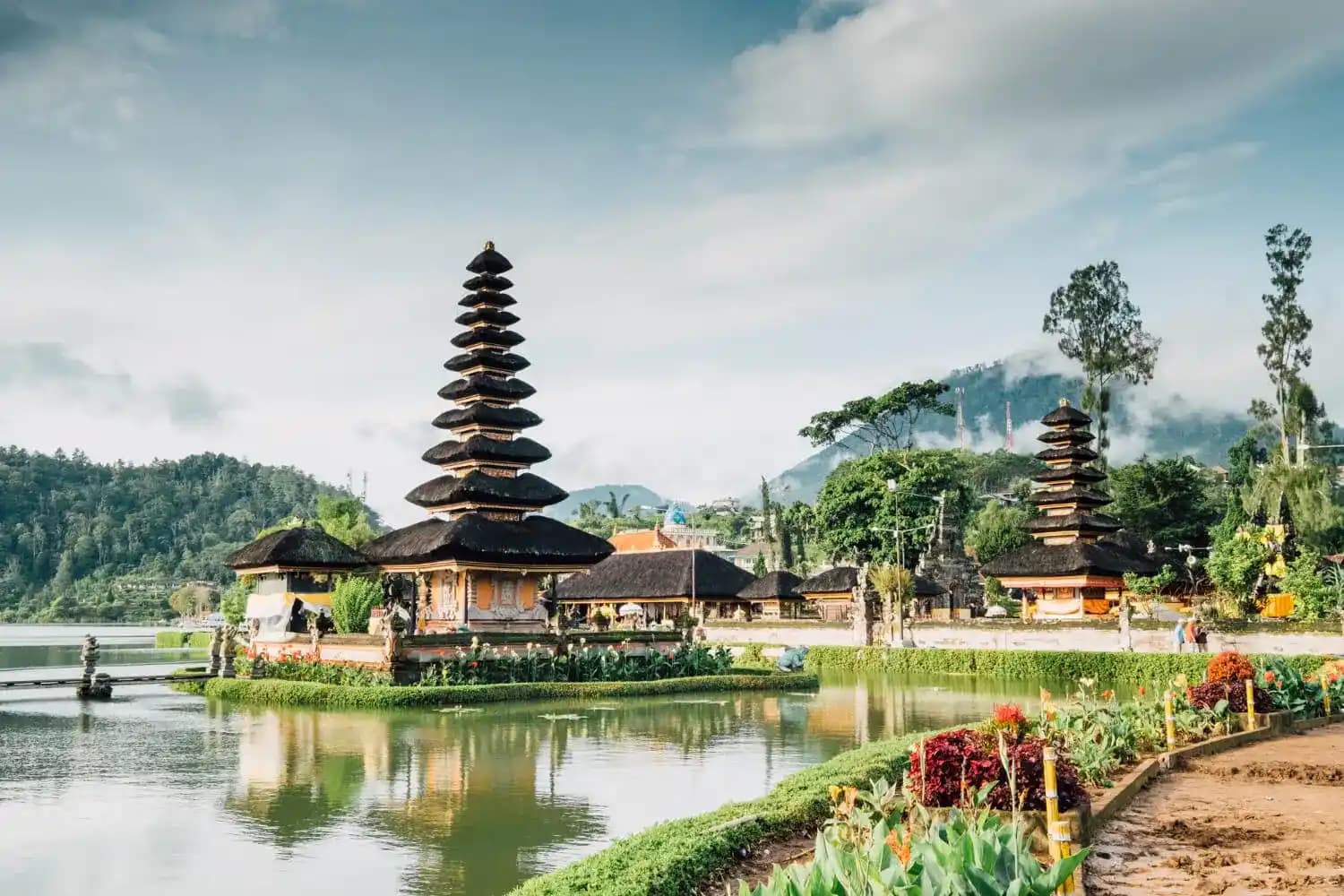

Explore Pushkar: Top India Travel Destinations in Asia
Pushkar is a small town located in the Ajmer district of Rajasthan, India, situated about 10 kilometers northwest of Ajmer and approximately 150 kilometers southwest of Jaipur.
Notable for its sacred Pushkar Lake, which is surrounded by 52 ghats and over 400 temples, Pushkar is particularly famous for the Brahma Temple, one of the few temples dedicated to Lord Brahma in the world. The town is also renowned for its annual Pushkar Camel Fair, attracting thousands of visitors for its vibrant cultural displays and livestock trading. Pushkar's unique blend of spirituality, historical significance, and cultural festivities makes it an attractive destination for travelers seeking to experience the rich heritage of Rajasthan.
Population: Estimate 23,000 people (as of 2024)
Economy: The tourism industry is a major economic contributor, supporting numerous hotels, guesthouses, and local businesses that cater to various budgets. The vibrant bazaars offer a range of souvenirs, handicrafts, and traditional Rajasthani products, enhancing the local economy. With the surrounding Aravalli mountain range providing fertile land for crops such as wheat, mustard, and pulses. Many farmers engage in organic farming practices, which have gained popularity and contribute to the region's sustainable development.
Landmarks: Pushkar Lake, Brahma Temple, Savitri Temple, Varaha Temple, Rangji Temple, Man Mahal, Gurudwara Singh Sabha, Naga Pahar

Overview of Pushkar
History & Cultural Influence
According to Hindu mythology, the city was created when a lotus flower fell from Lord Brahma's hand, leading to the formation of Pushkar Lake, which is surrounded by 52 ghats and numerous temples, including the only Brahma Temple in the world. The town's historical significance is further highlighted by its mentions in ancient texts like the Ramayana and Mahabharata, establishing its long-standing religious importance.
Over the centuries, Pushkar has been shaped by various rulers, including the Mughals and later the British, who influenced its architecture and cultural practices. The annual Pushkar Camel Fair, which began as a livestock trading event, has evolved into a vibrant cultural festival that attracts tourists worldwide, showcasing local traditions, music, and crafts. Today, Pushkar balances its spiritual essence with modern tourism, offering immersive experiences like workshops on Rajasthani crafts and cuisine, while continuing to serve as a vital hub of Hindu pilgrimage and cultural heritage.
Interaction with The Locals
The town has a population predominantly consisting of Hindus, with a significant presence of Sikhs and other communities. The locals are generally friendly and accustomed to tourists, often eager to share their culture and traditions.
However, you should be aware of the presence of some individuals, such as fake priests, who may attempt to take advantage of tourists. It's advisable to engage with reputable guides or seek recommendations from trusted sources to avoid scams. The community is deeply rooted in spirituality, given Pushkar's significance as a pilgrimage site, and many locals actively participate in religious practices, making it common to see rituals and ceremonies at the ghats and temples.

Top attractions in Pushkar
Pushkar, a sacred town nestled in Rajasthan, is renowned for its serene Pushkar Lake, surrounded by 52 ghats where pilgrims come to take a holy dip. The town is also home to the Brahma Temple, one of the few temples in the world dedicated to Lord Brahma, attracting devotees and curious travelers alike. Additionally, the vibrant Pushkar Camel Fair, held annually, offers a unique cultural experience, drawing visitors from all over the world.
Pushkar Lake
Location: Pushkar, Rajasthan
Pushkar Lake is the spiritual heart of the town, revered as one of India's holiest lakes. Surrounded by 52 ghats and over 500 temples, it draws pilgrims who seek spiritual purification in its sacred waters. Beyond its religious significance, the lake offers a stunning backdrop for photography and is particularly captivating during the evening Aarti ceremonies.
Brahma Temple
Location: Near Pushkar Lake, Pushkar, Rajasthan
The Brahma Temple is a rare gem, being one of the few temples in the world dedicated to Lord Brahma, the creator in Hindu mythology. Dating back to the 14th century, this temple stands out with its distinctive red pinnacle and the revered idol of Brahma with four heads. As a significant pilgrimage site, it attracts devotees and curious travelers eager to explore its spiritual and architectural marvels.
Savitri Temple
Location: Ratnagiri Hill, Pushkar, Rajasthan
Savitri Temple, perched atop Ratnagiri Hill, rewards you with breathtaking panoramic views of Pushkar and its surroundings. Dedicated to Goddess Savitri, the temple is a cultural treasure that requires a trek to reach, offering a blend of spiritual fulfillment and adventure. The temple's legend and the serene atmosphere make it a must-visit.
Varah Temple
Location: Pushkar, Rajasthan
Varah Temple, dedicated to the boar incarnation of Lord Vishnu, is a 12th-century architectural marvel. With its intricate carvings and exquisite design, the temple not only holds religious importance but also showcases the rich artistic heritage of the region. It’s a key attraction for those interested in history, architecture, and spirituality.
Man Mahal
Location: Adjacent to Pushkar Lake, Pushkar, Rajasthan
Man Mahal, a grand palace built in the 17th century as a royal guesthouse, now serves as a heritage hotel offering you a taste of royal life. With its stunning architecture and prime location next to Pushkar Lake, Man Mahal is a popular destination for tourists seeking a luxurious stay or simply wanting to explore the grandeur of Rajasthan's royal past.
Rangji Temple
Location: Pushkar, Rajasthan
Rangji Temple stands out in Pushkar with its unique South Indian architectural style, a rarity in this region. Built in 1823 and dedicated to Lord Rangji, an incarnation of Lord Vishnu, the temple is adorned with vibrant colors and intricate designs. It’s a must-visit for those looking to experience a different architectural flavor within Pushkar's rich cultural landscape.
Gurudwara Singh Sabha
Location: Pushkar, Rajasthan
Gurudwara Singh Sabha, a Sikh temple, commemorates the visits of Guru Nanak and Guru Gobind Singh to Pushkar. Serving as a place of worship and community gathering, it reflects the town’s religious diversity. You can experience the peaceful ambiance and gain insights into Sikh traditions, adding a rich cultural layer to their visit to Pushkar.

Must-Try Dishes in Pushkar
Pushkar offers a delightful culinary experience with its must-try dishes. Malpua, a sweet pancake soaked in sugar syrup, is a local favorite, especially during the Pushkar Fair, providing a rich, indulgent treat. Another must-try is Dal Baati Churma, a traditional Rajasthani dish featuring baked wheat balls (baati) served with spicy lentils (dal) and a sweet, crumbled mixture (churma), offering a perfect blend of flavors that reflect the essence of Rajasthan's cuisine.
Malpua
A traditional Rajasthani dessert, Malpua is a sweet pancake made from flour, sugar, and milk, often flavored with cardamom and garnished with nuts. Soaked in sugar syrup, this delightful treat is especially popular during festivals, offering a taste of Pushkar's love for indulgent sweets.
Dal Baati Churma
This iconic Rajasthani dish combines baked wheat balls (baati) with rich lentil curry (dal) and a sweet, crushed wheat mixture (churma). The blend of flavors and textures provides a hearty, rustic meal that embodies the culinary traditions of Rajasthan, making it a must-try for anyone visiting Pushkar.
Gatte ki Sabzi
Gatte ki Sabzi features gram flour dumplings (gatte) cooked in a spicy yogurt-based gravy. A staple in Rajasthani cuisine, this dish showcases the use of local ingredients and is often enjoyed with rice or roti, making it a favorite among both locals and travelers exploring Pushkar's culinary scene.
Kachori
Kachori is a popular snack in Pushkar, consisting of a deep-fried pastry filled with spicy lentils or peas. Typically served with tangy tamarind chutney, this crispy and flavorful snack is a must-try for those wandering through the local markets.
Lassi
Pushkar is renowned for its delicious lassi, a refreshing yogurt-based drink often flavored with fruits like mango or served plain with a sprinkle of cardamom. This cooling beverage is a staple in the hot climate and a quintessential part of Rajasthani hospitality, commonly enjoyed at local eateries.
Pyaaz Kachori
A variation of the traditional kachori, Pyaaz Kachori is filled with a spicy onion mixture. Famous in Pushkar, this crispy snack offers a savory bite and is perfect for a light meal or snack, making it a popular choice for you when looking to savor local flavors.

Festivals & Local Celebrations
Pushkar Camel Fair
Time of Year: November (usually around Kartik Purnima, the full moon in the Hindu lunar month of Kartik)
The Pushkar Camel Fair is the most famous festival in Pushkar, attracting over 200,000 visitors annually. It begins as a livestock fair, with traders bringing camels, horses, and cattle for sale. However, it has evolved into a grand cultural spectacle featuring music, dance performances, competitions, and colorful markets selling handicrafts and local delicacies. You can see elaborately decorated camels, participate in camel races and beauty contests, and immerse themselves in the vibrant atmosphere of the fair.
Pushkar Fair
Time of Year: November (around the same time as the Camel Fair)
A broader celebration that coincides with the Camel Fair. It features cultural events organized by the Rajasthan government, including folk dances, music shows, and other cultural activities. From local performances to the bustling markets selling traditional handicrafts, textiles, and local delicacies, this is a place where you can experience it all.
Kartik Purnima
Time of Year: November (full moon in the Hindu lunar month of Kartik)
Kartik Purnima is an auspicious Hindu festival celebrated in Pushkar. It marks the culmination of the Pushkar Fair and is considered the holiest day of the year in Pushkar. Thousands of pilgrims gather at the ghats of the sacred Pushkar Lake to take a holy dip, believed to cleanse their sins. You can witness the spiritual atmosphere and participate in the rituals and ceremonies held at the lake.
Diwali
Time of Year: October/November
Diwali, the festival of lights, is celebrated with great enthusiasm in Pushkar. The town is decorated with lights, and people exchange sweets and gifts. Join the locals in lighting diyas (oil lamps) and blend in with the festive atmosphere.
Holi
Time of Year: March
Holi, the vibrant festival of colors, is celebrated in Pushkar with great enthusiasm and tradition. Crowds come together to throw colors, sing, and dance, creating a lively and joyous atmosphere. You can join in the festivities and immerse yourself in the exuberant spirit of this beloved celebration.

Weather in Pushkar: Best Time to Visit
Pushkar experiences a semi-arid climate characterized by extreme temperatures and distinct seasonal variations.
Average Temperatures
- Summer (April to June): Temperatures can soar, with highs averaging around 42°C (108°F) in May and June, often reaching up to 48°C (118°F). Nights remain relatively warm, with lows around 26°C (79°F).
- Monsoon (July to September): This season brings significant rainfall, with July being the wettest month, averaging around 161 mm (6.3 inches). Temperatures during this period range from 25°C (77°F) to 35°C (95°F).
- Winter (November to February): The weather becomes much more pleasant, with daytime highs around 18°C to 30°C (64°F to 86°F) and nighttime lows dropping to 6°C (43°F) in January, the coldest month.
Rainfall
Annual Rainfall: Pushkar receives an average annual rainfall of approximately 500 mm (20 inches), with the majority occurring during the monsoon months of July and August.
Best Time to Travel
The best time to visit Pushkar is between November and March when the weather is cooler and more comfortable for outdoor activities and sightseeing. This period coincides with several local festivals, enhancing the travel experience.

Culture Etiquette in Pushkar
Dress Modestly
When exploring Pushkar, it's important to dress modestly, especially when visiting temples and holy sites. For men, full-length trousers and shirts that cover the shoulders are recommended, while women are advised to wear long skirts or dresses and cover their shoulders. This respectful attire helps you blend in with the town's sacred atmosphere.
Respect Religious Practices
Pushkar is a revered pilgrimage site, so it's essential to be mindful of local customs. When entering temples or sacred areas, remember to remove your shoes and avoid taking photos without permission. Participating in local rituals, like a puja ceremony, can be a meaningful experience—just be sure to engage with respect.
Greetings
The traditional greeting in Pushkar is "Namaste," paired with a slight bow and hands pressed together. This warm gesture is a sign of respect and is greatly appreciated by locals.
Dining Etiquette
In Pushkar, many eateries are strictly vegetarian, especially those near temples. It's a good idea to check if non-vegetarian options are available before ordering. Also, remember that eating with your right hand is customary, as the left hand is considered unclean.
Avoid Scams
While enjoying your time in Pushkar, be cautious of fake priests or individuals offering blessings or ceremonies for a fee. To ensure a genuine experience, seek recommendations from trusted sources like your hotel staff or a local guide.
Participate Respectfully
You're welcome to join in on local customs and festivals, such as the Pushkar Camel Fair and Holi. Just be mindful of the cultural significance of these events. Feel free to observe and ask questions—locals are often happy to share their traditions with you.

Essential Travel Information
Getting to Pushkar
By Air
Nearest Airport: Jaipur International Airport (JAI) is approximately 145 km away from Pushkar. The airport is well-connected to major cities like Delhi, Mumbai, and Kolkata. Upon arrival, visitors can hire a taxi or take a bus to Pushkar, with the journey taking about 3 hours.
By Train
Rail Connectivity: Pushkar does not have its own railway station. The nearest major station is Ajmer, about 11 km away. Ajmer is well-connected to major cities like Delhi, Mumbai, and Jaipur. From Ajmer, visitors can take a taxi (30 minutes) or a local bus to Pushkar, which costs around ₹20.
By Road
Bus Services: Regular bus services operate from major cities such as Jaipur and Delhi. The Rajasthan State Road Transport Corporation offers both deluxe and semi-deluxe buses. Visitors can also hire taxis or drive from nearby cities, with good road connectivity.
Getting Around Pushkar
Walking
Pushkar is a small town, making it ideal for exploration on foot. Most attractions, including temples and bazaars, are within walking distance of each other.
Cycle Rickshaws
For slightly longer distances within the town, cycle rickshaws are a practical and eco-friendly option. They are widely available and reasonably priced.
Taxis and Auto Rickshaws
Taxis can be hired for day trips to nearby attractions or for longer distances. They can be booked through hotels or local agencies. Auto rickshaws are also available for short trips within the town.
Bike Rentals
Renting a motorbike or scooter is a popular choice for those who wish to explore at their own pace. Several shops around the town offer bikes for rent.
Camel Safaris
Camel safaris are a unique way to explore the surrounding desert landscapes and are a popular activity for visitors looking to experience local culture.
ATM and Banking Services
Pushkar offers multiple ATMs and banking facilities for easy access to cash:
State Bank of India ATM
Address: Pushkar Station Rd, Pushkar, Rajasthan
HDFC Bank ATM
Address: Near Brahma Ji Temple, Badi Basti, Pushkar, Rajasthan
PNB ATM
Address: Brahma Temple Rd, Badi Basti, Pushkar, Rajasthan
IndusInd Bank ATM
Address: Aroma Royal Restaurant, Near Rawat Temple, Badi Basti, Pushkar, Rajasthan
Accommodation Choices
Pushkar offers a range of accommodation options catering to different budgets:
Luxury Hotels
- Ananta Spa & Resorts: A luxurious resort offering modern amenities, a spa, and beautiful views of the surrounding landscape.
- Pushkar Resort: A well-appointed resort with comfortable cottages and a serene environment.
Mid-Range Hotels
- Hotel Pushkar Palace: Located near the lake, this hotel offers comfortable rooms and a restaurant with scenic views.
- Hotel Jagat Palace: A heritage hotel that combines traditional Rajasthani architecture with modern comforts.
Budget Hotels and Guesthouses
- Hotel Sunset: A budget-friendly option with basic amenities and a rooftop restaurant.
- Baba Ram Dass Hotel: A popular choice among backpackers, offering simple accommodations and a friendly atmosphere.
Articles for you

Explore Agra: Top India Travel Destinations in Asia
Agra, the city of the iconic Taj Mahal, is a historic gem in northern India, situated on the banks of the Yamuna River. This former capital of the Mughal Empire is renowned for its magnificent architectural marvels, approximately 206 kilometers south of New Delhi.
With it's rich cultural heritage, vibrant markets, and delectable cuisine, particularly the famous Mughlai dishes and sweets like petha, make it a must-visit destination for travelers seeking a glimpse into India's glorious past and a taste of its diverse flavors.
Population: Estimate 2,300,000 people (as of 2024)
Economy: Agra is a diverse economy that heavily relies on tourism, manufacturing, and agriculture. The city is a major tourist hub, attracting around 9.5 million visitors annually, primarily due to iconic landmarks like the Taj Mahal and Agra Fort, which significantly contribute to the local economy.
Approximately 40% of the population is engaged in agriculture, while the city is also renowned for its leather industry, producing over 150,000 pairs of shoes daily, making it one of the largest shoe manufacturing centers in India.
Landmarks: Taj Mahal, Agra Fort, Fatehpur Sikri, Itimad-ud-Daula's Tomb (Baby Taj), Jama Masjid, Chini Ka Rauza, Akbar's Tomb

Explore Jaipur: Top India Travel & Tweet Tours Guide
Jaipur, the capital of Rajasthan, is a vibrant city known as the "Pink City" for its distinctive rose-colored buildings. Founded in 1727 by Maharaja Sawai Jai Singh II, Located in the northeastern part of Rajasthan, approximately 268 kilometers (167 miles) from New Delhi. The city is situated at an altitude of 431 meters (1,417 feet) above sea level and is surrounded by the Aravalli hills, providing a picturesque backdrop. The city covers an area of about 467 square kilometers (180 square miles) and is strategically positioned near the Thar Desert. Jaipur's rich cultural heritage, stunning architecture, and colorful festivals make it a popular tourist destination, often visited as part of the Golden Triangle circuit along with Delhi and Agra. Travelers can immerse themselves in the city's art, crafts, and cuisine, from intricate jewelry to delectable dishes like dal-baati-churma and pyaaz kachori.
Population: Approximately 4.300.000 people as of 2024.
Economy: Jaipur's economy is diverse and vibrant, driven primarily by tourism, gemstone cutting, and the manufacture of jewelry and luxury textiles. The city is a significant hub for arts and crafts, with a thriving market for handicrafts, textiles, and traditional Rajasthani goods, attracting both domestic and international tourists.
Attractions: Amer Fort, City Palace, Hawa Mahal, Jal Mahal, Nahargarh Fort, Jaigarh Fort, Jantar Mantar

Explore Delhi: India Travel Guide, Asia Destinations
Delhi, the bustling capital of India, is located in north-central India on the west bank of the Yamuna River, just south of the Himalayas. With a population as the second most populated city in the world, offering a dynamic mix of ancient and modern life. The city’s history stretches back over two millennia, having served as the capital of various empires, including the Delhi Sultanate and Mughal Empire. It became the capital of British India in 1911 and continues to be the political heart of independent India since 1947.
Delhi’s unique character lies in its dual identity, with Old Delhi showcasing rich history and New Delhi representing the nation’s modern face. The city boasts iconic landmarks like the Qutub Minar, Humayun’s Tomb, and the Red Fort, all of which are UNESCO World Heritage Sites. Visitors are also drawn to Delhi’s vibrant cultural diversity, religious sites, and thriving culinary scene, especially its famous street food. As a major economic and educational hub, Delhi seamlessly blends its architectural marvels, green spaces, and bustling markets, making it a must-visit destination for travelers.
Population: Estimate 33,800,000 (as of 2024)
Economy: Delhi is a dynamic and multifaceted landscape that plays a crucial role in India's overall economic framework. The services sector is the backbone of Delhi's economy, contributing about 70.95% to the GSDP. Key industries include information technology, telecommunications, banking, media, and tourism. The city is also a hub for hotels and hospitality, benefiting from its status as a major tourist destination. The city attracts a large number of domestic and international tourists, drawn by its rich historical heritage and modern attractions. In 2016, tourism generated about US$3.2 billion, supporting over 460,000 jobs.
Landmarks: Qutub Minar, Red Fort, Humayun's Tomb, Lotus Temple, India Gate, Jama Masjid, Raj Ghat, Akshardham Temple
Explore more tours in India here.

Explore Jodhpur: Top India Travel & Tweet Tours Guide
Jodhpur, located in the western Indian state of Rajasthan, is known as the "Blue City" for its distinctive blue-painted houses that surround the majestic Mehrangarh Fort. Founded in 1459 by Rao Jodha, the city serves as the administrative headquarters of the Jodhpur district, it is the second-largest city in the state.
Jodhpur's unique charm lies in its rich history, with stunning landmarks such as the Umaid Bhawan Palace, a blend of art deco and Indo-Saracenic architecture, and the vibrant bazaars that offer a glimpse into local handicrafts and textiles. The city's strategic location near the Thar Desert makes it a popular base for travelers exploring Rajasthan, while its warm, sunny climate has earned it the nickname "Sun City." Visitors are drawn to Jodhpur not only for its historical significance and architectural beauty but also for its delicious local cuisine, including dishes like dal baati churma and gatte ki sabzi, which reflect the culinary traditions of the region.
Population: Estimate 1,600,000 people (as of 2024)
Economy: Jodhpur is an thriving economy based on agriculture, handicrafts, industry, and tourism. Jodhpur district has a significant agricultural sector, with around 60% of the total land area under cultivation. Tourism is also a key economic driver, with Jodhpur known for its heritage hotels and historic attractions like Mehrangarh Fort and Umaid Bhawan Palace.
The city's nickname also come with "Blue City" and its desert setting make it a popular tourist destination.
Landmarks: Mehrangarh Fort, Umaid Bhawan Palace, Jaswant Thada, Clock Tower (Ghanta Ghar), Toorji Ka Jhalra (Toorji's Step Well), Mahamandir Temple, Rao Jodha Desert Rock Park


Explore Delhi: India Travel Guide, Asia Destinations
Delhi, the bustling capital of India, is located in north-central India on the west bank of the Yamuna River, just south of the Himalayas. With a population as the second most populated city in the world, offering a dynamic mix of ancient and modern life. The city’s history stretches back over two millennia, having served as the capital of various empires, including the Delhi Sultanate and Mughal Empire. It became the capital of British India in 1911 and continues to be the political heart of independent India since 1947.
Delhi’s unique character lies in its dual identity, with Old Delhi showcasing rich history and New Delhi representing the nation’s modern face. The city boasts iconic landmarks like the Qutub Minar, Humayun’s Tomb, and the Red Fort, all of which are UNESCO World Heritage Sites. Visitors are also drawn to Delhi’s vibrant cultural diversity, religious sites, and thriving culinary scene, especially its famous street food. As a major economic and educational hub, Delhi seamlessly blends its architectural marvels, green spaces, and bustling markets, making it a must-visit destination for travelers.
Population: Estimate 33,800,000 (as of 2024)
Economy: Delhi is a dynamic and multifaceted landscape that plays a crucial role in India's overall economic framework. The services sector is the backbone of Delhi's economy, contributing about 70.95% to the GSDP. Key industries include information technology, telecommunications, banking, media, and tourism. The city is also a hub for hotels and hospitality, benefiting from its status as a major tourist destination. The city attracts a large number of domestic and international tourists, drawn by its rich historical heritage and modern attractions. In 2016, tourism generated about US$3.2 billion, supporting over 460,000 jobs.
Landmarks: Qutub Minar, Red Fort, Humayun's Tomb, Lotus Temple, India Gate, Jama Masjid, Raj Ghat, Akshardham Temple
Explore more tours in India here.

Our Best-Selling Tours
Follow Us