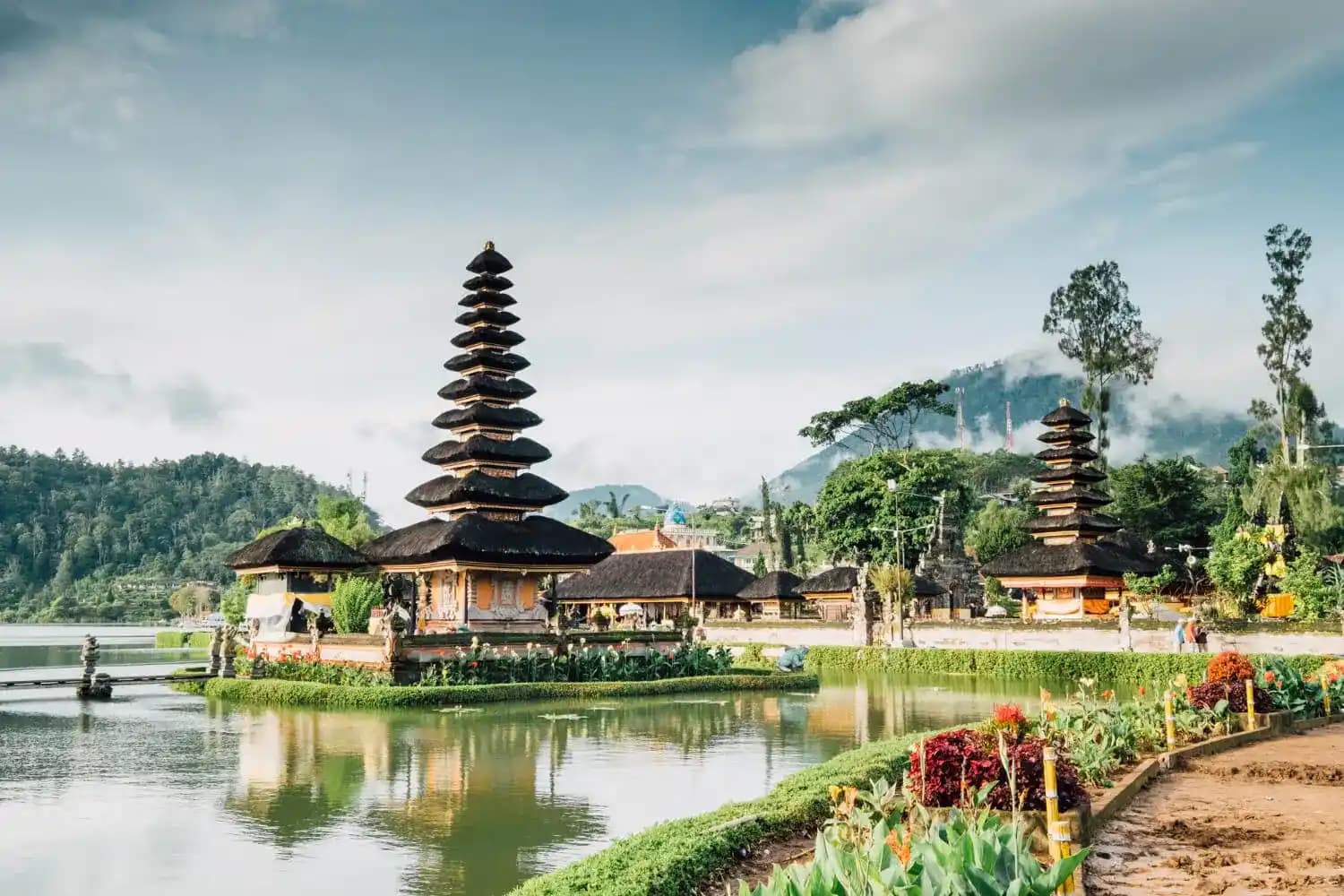

Explore Cai Be District - South Vietnam Travel, Asia
Nestled in the heart of Vietnam's Mekong Delta, Cai Be is a picturesque district that offers a genuine taste of rural Vietnamese life. Often overshadowed by its more famous neighbors, Cai Be stands out with its tranquil waterways, vibrant floating markets, and lush landscapes. It's an ideal destination for travelers seeking an authentic Mekong Delta experience, away from the hustle and bustle of larger cities.
Population: Approximately 293,000 in 2020.
Economy: Cai Be’s economy thrives on agriculture, particularly fruit cultivation and aquaculture. The energetic floating market and local craftsmanship also contribute to the district’s economic growth.
Landmarks: Famous for the Cai Be Floating Market, Cai Be Church, and many local Pagodas and Temples.

Overview of Cai Be
History & Cultural Influence
Cai Be has a rich history that dates back to the French colonial era. Founded as a small trading port, it became an essential hub for local commerce due to its strategic location along the Mekong River. The historical architecture in Cai Be reflects its past, with colonial-era buildings standing alongside traditional Vietnamese structures. Further, Cai Be holds an extensive amount of centuries-old customs and heritage. The influence of various dynasties, including the Nguyen Dynasty, is evident in the local customs and festivals. Traditional Vietnamese culture is prominent here, with local festivals, folk music, and ancient rituals being a part of daily life.
Check out our cultural exploration tours in Vietnam here.
Interaction with the Locals
Cai Be is home to a small, vibrant community of almost 300,000 residents. The majority of the people living there are ethnic Vietnamese, who are renowned for being hospitable and kind. Life in Cai Be is deeply rooted in traditional customs, with many locals engaged in agriculture, fishing, and small-scale trade. The close-knit community thrives on its rich cultural heritage and offers visitors an authentic glimpse into the rural lifestyle of the Mekong Delta.

Top Attractions in Cai Be
Cai Be Floating Market
No visit to Cai Be is complete without exploring its famous floating market. This bustling marketplace is a vibrant tapestry of colors, sounds, and smells. Early mornings are the best time to visit when the market is in full swing. Here, vendors sell everything from fresh fruits and vegetables to local snacks, all from their boats. It’s a lively and photogenic scene that captures the essence of life on the Mekong River.
Cai Be Church
The Cai Be Church, an impressive French colonial-era structure, stands as a testament to the area’s historical influences. Its distinctive architecture, featuring a blend of Gothic and Romanesque styles, makes it a notable landmark. The church’s serene atmosphere provides a peaceful respite and a chance to admire its intricate design and historical significance.
Local Pagodas and Temples
Cai Be is home to several pagodas and temples that reflect the region’s spiritual heritage. These sacred sites are often adorned with intricate carvings and vibrant colors. They offer visitors a glimpse into the local religious practices and provide a tranquil setting for reflection and exploration.
Cai Be’s Countryside
For those looking to escape the urban environment, Cai Be’s countryside tours offer a perfect retreat. Visitors can explore scenic rural landscapes, including verdant rice paddies and picturesque canals. These tours often include boat rides and visits to local farms, providing a serene and immersive experience of the Mekong Delta’s natural beauty.

Must-Try Dishes in Cai Be
Cai Be’s culinary tradition is a delightful exploration of traditional Southern Vietnamese flavors. That being said, sampling local dishes when visiting this charming district is a must.
- Banh Xeo (Vietnamese Pancakes): Known as Vietnamese sizzling pancakes, Banh Xeo is a crispy, savory delight filled with shrimp, pork, and bean sprouts. Served with fresh herbs and dipping sauce, it offers a delicious taste of local street food.
- Goi Cuon (Vietnamese Spring Rolls): Often referred to as Vietnamese spring rolls, Goi Cuon is a fresh, light appetizer. These rolls are packed with vegetables, herbs, and sometimes shrimp or pork, wrapped in rice paper and served with a tangy peanut sauce.
- Hu Tieu (Vietnamese Rice Noodles): This versatile noodle soup is a local favorite in Cai Be. It has a tasty broth with different meats, such as pig or shellfish, and fresh herbs and vegetables on top.
- Com Tam (Vietnamese Broken Rice): Also known as broken rice, Com Tam is a staple Vietnamese dish. It is a filling and tasty lunch when served with grilled pork, pickled veggies, and a fried egg.
- Cha Gio (Vietnamese Crispy Spring Rolls): Vietnamese fried spring rolls, or Cha Gio, are crispy and filled with a mixture of minced pork, mushrooms, and glass noodles. They are often served with lettuce and herbs for wrapping and a sweet, tangy dipping sauce.
- Che Ba Ba: Che Ba Ba, a classic Vietnamese dessert, is a rich, sugary mixture of tapioca pearls, coconut milk, and beans. It’s a comforting treat to end your meal.
Craving Vietnamese cuisine? Check out one of the best place to explore Vietnamese food, Hue, here.

Festivals & Local Celebrations
Cai Be is alive with vibrant festivals and local celebrations that reflect the district’s cultural richness. Visitors can immerse themselves in these lively events, including:
Tet Holiday (Lunar New Year)
This celebration, which falls between late January and early February, commemorates the start of the lunar calendar year. In Cai Be, families gather for grand feasts, offer gifts, and perform traditional rituals to honor ancestors and bring good fortune. Festivities include colorful parades, traditional music, and elaborate dragon dances, creating a lively and festive atmosphere. The streets are adorned with vibrant decorations, and local markets are filled with seasonal goods and sweets.
See how you can enjoy the Tet holiday in one of the most dynamic cities in Vietnam, Hanoi, here.
Mid-Autumn Festival
Also known as the Moon Festival, the Mid-Autumn Festival is celebrated on the 15th day of the 8th lunar month, usually in September. This festival pays gratitude to the harvest and the full moon, which represent harmony and quality family time. In Cai Be, the festival is marked by lantern processions, lion dances, and the sharing of mooncakes. Children carry brightly colored lanterns, and families gather to enjoy festive foods and admire the moon.
Tien Giang Fruits Festival
The festival is a seasonal celebration that highlights the region’s abundant fruit harvest. The event, which is usually held in the summer, features an extensive array of tropical fruits that are cultivated in the Mekong Delta. Visitors can sample fresh fruits, attend fruit-themed cooking demonstrations, and participate in fruit-related games and activities. The festival also features fruit carving exhibitions and traditional performances, offering a festive and educational experience centered around Cai Be and Tien Giang’s agricultural bounty.

What to Do in Cai Be
Cai Be offers a range of engaging activities that highlight its natural beauty and cultural heritage:
- Mekong Cruise Tours: Exploring the Mekong River by boat is a quintessential Cai Be experience. These tours provide scenic views of the delta’s waterways, lush landscapes, and floating markets. It’s a relaxing way to take in the area’s charm and observe local life from the water.
- Cycling and Hiking: For those who prefer land-based adventures, cycling and hiking tours through Cai Be’s countryside are a great way to explore the region. Ride or walk through picturesque rice paddies, tranquil canals, and charming rural villages, and enjoy the serene environment.
- Craft Workshops: Participate in local craft workshops to learn about traditional Vietnamese arts. From pottery to weaving, these workshops offer hands-on experiences and a chance to create your own souvenirs while supporting local artisans.
Shopping in Cai Be
Cai Be’s shopping scene provides a delightful mix of local markets and unique finds:
- Local Markets and Bazaars: The bustling markets of Cai Be are perfect for discovering local products. Browse through vibrant stalls selling fresh produce, traditional snacks, and handmade goods. The Cai Be Floating Market is particularly famous, offering a colorful array of fruits and vegetables from boats.
- Handicrafts and Souvenirs: Cai Be is known for its traditional handicrafts. Look for locally made items such as woven baskets, ceramics, and textiles. These handcrafted souvenirs make for meaningful gifts and mementos of your visit.

Weather in Cai Be: Best Time to Visit
Cai Be’s climate is typical of the Mekong Delta region, characterized by a tropical climate with distinct wet and dry seasons. Understanding the weather patterns can help you plan your visit for the most enjoyable experience.
Cai Be’s Climate
- Dry Season in Cai Be: It is the best time of year to visit Cai Be because of the pleasant temperatures and less humidity at this time. Daytime temperatures range from 25°C to 35°C (77°F to 95°F), and the weather is generally sunny and pleasant.
- Wet Season in Cai Be: The wet season brings higher humidity and frequent rainfall with temperatures remaining warm, typically between 24°C and 32°C (75°F to 90°F). While the rain can be heavy, it usually comes in short bursts and is followed by sunny intervals. Travelers should be prepared for occasional flooding in low-lying areas.
Best Times to Visit Cai Be
The dry season is the most popular time to visit Cai Be due to its favorable weather conditions. However, the wet season offers its own charm with lush green landscapes and fewer tourists.
Essential Travel Information
Getting Around Cai Be
- Boat Ride: Given Cai Be’s waterways, renting a boat is a popular way to explore the area. Boat cruises provide visitors access to floating marketplaces and rural communities, as well as picturesque vistas of the Mekong Delta.
- Bicycles and Motorbikes: Renting a bicycle or motorbike is a convenient way to explore the countryside and local villages at your own pace.
- Taxis and Ride-Sharing: Taxis and ride-sharing services are available for getting around Cai Be and for travel to nearby towns.
- Travel from Ho Chi Minh City: Cai Be is approximately 120 kilometers (75 miles) from Ho Chi Minh City. Travel options include private car hires, buses, or organized tours. Depending on the volume of traffic, the trip takes two to three hours.

ATM & Banking Services
Handling your finances in Cai Be is stress-free, with ATMs conveniently located near markets and major streets, offering easy access to cash withdrawals. Currency exchange services are also available at banks and some hotels, though it’s often recommended to exchange currency in larger cities before arriving for the best rates. Basic banking services, including currency exchange and cash withdrawals, are readily accessible to meet your financial needs while exploring Cai Be.
Where to Stay in Cai Be
- Luxury Hotels: For a more upscale experience, consider staying at luxury lodging or boutique hotels that provide high-end facilities and picturesque views of the Mekong River.
- Mid-Range Hotels: There are several comfortable hotels in Cai Be that provide modern amenities and good service. These hotels often offer easy access to local attractions and markets.
- Homestays and Guesthouses: Homestays and guesthouses in Cai Be offer a unique opportunity to experience local life. Staying with a local family provides insight into traditional Vietnamese culture and cuisine.
Articles for you

Explore Lan Ha Bay - North Vietnam Travel, Asia
Tucked away on the southeastern edge of Cat Ba Island, Lan Ha Bay is a dazzling mosaic of emerald waters, hidden beaches, and towering limestone karsts. Often called the “quiet sister” of Halong Bay, it offers the same breathtaking scenery without the tourist crowds. Here, over 300 islets and unspoiled coves create a paradise for kayakers, nature lovers, and those seeking authentic cultural encounters. This is where the rhythm of the sea shapes daily life, and where travelers can slow down to embrace Vietnam’s coastal charm.
Population: As a part of Ha Long Bay, Lan Ha Bay is home to a small population, primarily concentrated in Viet Hai village, which has a population of around 300 people.
Economy: Lan Ha Bay’s economy is closely tied to tourism, fishing, and aquaculture. The bay attracts visitors with its scenic beauty, supporting hotels, boat tours, and local services. Fishing and seafood farming, especially oysters and squid, provide income for coastal communities. Eco-tourism and sustainable aquaculture are increasingly promoted to balance economic growth with environmental protection.
Landmarks: Famous for the Monkey Island, Dark & Bright Cave, and the Nam Cat Island.

Explore Lam Dong - Central Vietnam Travel, Asia
Nestled in the heart of Vietnam’s Central Highlands, Lam Dong Province is a refreshing escape from the heat and hustle of the lowlands. Best known for Da Lat, its charming capital city, Lam Dong offers rolling pine-covered hills, cascading waterfalls, and flower-filled valleys. This cool-climate region draws nature lovers, adventure seekers, and those craving a cultural immersion into highland life. It’s a perfect blend of past and present, city and nature, tradition and transformation.
Population: Approximately 1.8 million in 2024.
Economy: Lam Dong’s economy is driven by agriculture, tourism, and forestry. The province is Vietnam’s leading producer of vegetables, flowers, tea, and Arabica coffee, thanks to its cool highland climate and fertile volcanic soil. Tourism plays a major role, with millions of visitors drawn to its landscapes, festivals, and cultural heritage.
Landmarks: Famous for the Province capital—Da Lat City, Lang Biang Mountain, and the Pongour Waterfall.

Explore Dak Lak - Central Vietnam Travel, Asia
Dak Lak, located in the heart of Vietnam's Central Highlands, is a hidden gem waiting to be found. This province, renowned for its lush landscapes and rich cultural tapestry, offers a unique blend of natural beauty and ethnic diversity. Dak Lak's location in the highlands provides a cool climate and picturesque scenery that contrasts with Vietnam's bustling coastal cities. Whether you're drawn by its coffee culture, stunning waterfalls, or traditional festivals, Dak Lak promises an unforgettable travel experience.
Population: Approximately 2.2 million in 2022.
Economy: Dak Lak's economy is primarily driven by agriculture, especially coffee production, which is a major export. The region also benefits from tourism, with growing interest in its cultural and natural attractions.
Landmarks: Famous for Lak Lake, Buon Don Village, and Yok Don National Park.

Explore My Tho - South Vietnam Travel, Asia
Located in the center of the lush Mekong Delta in Vietnam, My Tho is a mesmerizing location that skillfully combines culture, history, and scenic beauty. Known as the gateway to the Mekong River, this bustling riverside city offers a unique glimpse into the vibrant life of the Delta. My Tho is more than just a starting point for boat tours—it’s a destination rich with experiences that cater to history enthusiasts, food lovers, and those seeking an authentic slice of Vietnamese culture. Whether you’re drawn by its cultural heritage, its culinary delights, or the warmth of its people, My Tho promises a journey filled with discovery and wonder.
Population: Approximately 230,000 in 2022.
Economy: My Tho's economy thrives on agriculture, particularly fruit and fish farming. It also benefits from tourism and local markets, contributing to its vibrant and growing economic landscape.
Landmarks: Famous for Thoi Son Island, Vinh Trang Pagoda, and Mekong River.


Explore Dak Lak - Central Vietnam Travel, Asia
Dak Lak, located in the heart of Vietnam's Central Highlands, is a hidden gem waiting to be found. This province, renowned for its lush landscapes and rich cultural tapestry, offers a unique blend of natural beauty and ethnic diversity. Dak Lak's location in the highlands provides a cool climate and picturesque scenery that contrasts with Vietnam's bustling coastal cities. Whether you're drawn by its coffee culture, stunning waterfalls, or traditional festivals, Dak Lak promises an unforgettable travel experience.
Population: Approximately 2.2 million in 2022.
Economy: Dak Lak's economy is primarily driven by agriculture, especially coffee production, which is a major export. The region also benefits from tourism, with growing interest in its cultural and natural attractions.
Landmarks: Famous for Lak Lake, Buon Don Village, and Yok Don National Park.

Explore My Tho - South Vietnam Travel, Asia
Located in the center of the lush Mekong Delta in Vietnam, My Tho is a mesmerizing location that skillfully combines culture, history, and scenic beauty. Known as the gateway to the Mekong River, this bustling riverside city offers a unique glimpse into the vibrant life of the Delta. My Tho is more than just a starting point for boat tours—it’s a destination rich with experiences that cater to history enthusiasts, food lovers, and those seeking an authentic slice of Vietnamese culture. Whether you’re drawn by its cultural heritage, its culinary delights, or the warmth of its people, My Tho promises a journey filled with discovery and wonder.
Population: Approximately 230,000 in 2022.
Economy: My Tho's economy thrives on agriculture, particularly fruit and fish farming. It also benefits from tourism and local markets, contributing to its vibrant and growing economic landscape.
Landmarks: Famous for Thoi Son Island, Vinh Trang Pagoda, and Mekong River.
Our Best-Selling Tours
Follow Us