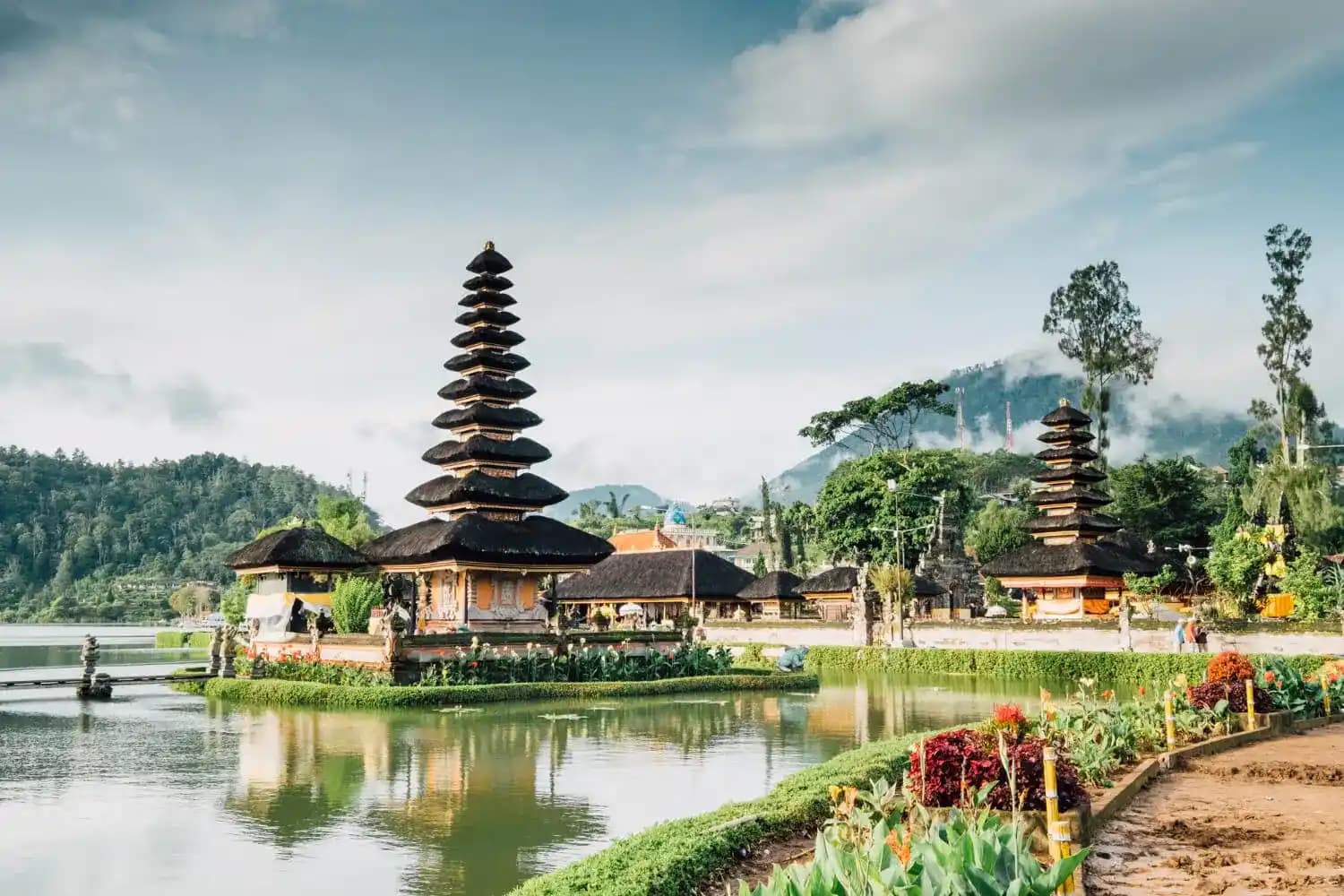

Explore Hue - Central Vietnam Travel, Asia
Hue, nestled in central Vietnam along the banks of the Perfume River, is a city where history and culture blend seamlessly with modernity. As the former imperial capital, Hue offers a unique glimpse into Vietnam's royal past, with its ancient citadels, pagodas, and royal tombs. This city is not just a historical gem but also a vibrant hub where travelers can immerse themselves in local traditions and culinary delights. Whether you’re a history buff, a food enthusiast, or simply seeking a serene getaway, Hue promises an enriching experience. Discover the charm of Hue and explore a destination that captivates with its blend of historical grandeur and cultural depth.
Explore our latest tours to Vietnam here.
Population: Approximately 652,000 in 2020.
Economy: A must-visit destination in Vietnam, Hue welcomes millions of visitors from both inland and foreigners every year.
Landmarks: Famous for the Imperial Citadel of Hue, Thien Mu Pagoda, and cruising along the Perfume River.

Overview of Hue
History & Cultural Influence
Hue's importance as a historical site stems from its function as the imperial capital of Vietnam between 1802 and 1945. The city was the heart of the Nguyen Dynasty, which left behind a rich legacy visible in its architecture and monuments. The Imperial City, or Citadel, is the centerpiece of Hue’s historical heritage. This sprawling complex, enclosed by formidable walls, was once the residence of Vietnamese emperors and is now a UNESCO World Heritage Site. The Nguyen Dynasty also left behind many cultural significances, which have shaped local customs, cuisine, and arts, creating a cultural tapestry that is distinctly Hue. Traditional ceremonies, such as the elaborate rituals of the royal court, are still practiced today, offering visitors a chance to witness the grandeur of Vietnam’s imperial past.
If you want to learn more about Vietnam's glorious history and the depth of the culture, consider visiting Cu Chi when travelling to Vietnam as well. We have an article about Cu Chi that you can explore here.
Interaction with the Locals
Hue, with a population of approximately 300,000 residents, is a lively city that balances its historical charm with a vibrant local community. The people of Hue are known for their friendliness and hospitality, deeply rooted in the city's rich cultural traditions. As a former imperial capital, the local population continues to preserve and celebrate the city's unique heritage, contributing to Hue's distinctive character and welcoming atmosphere.

Top Attractions in Hue
Hue is brimming with captivating sites that reflect its rich historical and cultural tapestry. These attractions provide a comprehensive experience of Hue's historical grandeur, cultural richness, and local vibrancy.
- Imperial City (Citadel) of Hue: This vast complex, encircled by impressive walls, was once the seat of the Nguyen Dynasty. Its grand palaces, temples, and gates offer a glimpse into Vietnam’s royal past and are now a UNESCO World Heritage Site.
- Thien Mu Pagoda: This famous seven-story pagoda, which overlooks the Perfume River, is a representation of Hue. Its tranquil setting and panoramic views make it a serene spot for contemplation and photos.
- Royal Tombs of Nguyen Emperors: The tombs of Nguyen emperors are scattered around Hue and each is a testament to the opulence of the dynasty. Important locations include the Tomb of Emperor Minh Mang, praised for its harmonious design with the natural world, and the Tomb of Emperor Khai Dinh, renowned for its intricate mosaics.
- Dong Ba Market: This bustling market is the heart of Hue's local commerce. Here, you can explore vibrant stalls selling everything from fresh produce to traditional crafts and sample local street food.
- Bao Quoc Pagoda: Known for its impressive bell tower and serene atmosphere, this pagoda offers a peaceful retreat from the city’s hustle and is an excellent example of traditional Vietnamese Buddhist architecture.
- Perfume River: Take a leisurely boat ride on the Perfume River to enjoy scenic views of the city and its surrounding landscapes, including historical sites and picturesque countryside.

Must-Try Dishes in Hue
Hue’s culinary heritage is a delightful journey through Vietnam’s flavors, offering dishes that reflect its imperial heritage and local traditions. Here are some must-try dishes:
- Bun Bo Hue (Hue Beef Noodles): This iconic spicy beef noodle soup features a rich, flavorful broth infused with lemongrass and chili, tender slices of beef, and chewy noodles. Garnished with fresh herbs, lime, and chili, it’s a must-try for any visitor.
- Banh Khoai (Khoai Cake): These savory, crispy pancakes are filled with a mix of pork, shrimp, and bean sprouts. Often served with fresh herbs and a tangy dipping sauce, Banh Khoai is celebrated for its crunchy texture and rich flavors.
- Com Hen (Baby Basket Clams Rice): A unique Hue specialty, this dish consists of tiny clams mixed with rice, peanuts, crispy pork skin, and fresh herbs. It’s served with a spicy broth and offers a delightful blend of textures and tastes.
- Banh Beo (Water Fern Cake): These delicate steamed rice cakes are topped with minced shrimp, crispy pork skin, and scallions, then drizzled with savory fish sauce. Their small size and flavorful toppings make them perfect as a snack or appetizer.
- Banh Trang Trung (Vietnamese Rice Paper Pancakes): Also known as Vietnamese rice paper pancakes, these are topped with ingredients like eggs, pork, and herbs, and then grilled to a crisp. They offer a delicious, crunchy treat popular among locals.
- Banh Bot Loc (Rice Dumpling Cake): These translucent dumplings are filled with savory pork and shrimp and wrapped in a delicate rice flour skin. They’re steamed to perfection and often enjoyed with a side of dipping sauce.

Festivals & Local Celebrations
Renowned for its abundant cultural legacy, Hue organizes a wide range of colorful festivals and regional events all year long. These events offer visitors an immersive experience into the city’s traditions and lively atmosphere.
Hue Festival
The Hue Festival, a significant cultural occasion that honors the city's historical and cultural legacy, is held in April every two years. The festival features a diverse program of activities including traditional music and dance performances, royal court ceremonies, art exhibitions, and street parades. Visitors can enjoy performances of traditional Vietnamese opera (Tuong) and folk art, as well as international cultural exchanges that highlight Hue’s position as a center for arts and culture.
Mid-Autumn Festival
Celebrated in September, the Mid-Autumn Festival, also known as the Moon Festival, is a joyous occasion for families and children. Hue hosts lantern parades, traditional folk games, and performances that celebrate the full moon. Mooncake-making and sharing are highlights of the celebration, which stand for harmony and wealth.
Perfume River Boat Festival
This festival, usually held in the summer, celebrates Hue’s iconic Perfume River. Visitors can enjoy boat cruises featuring traditional music, dance performances, and local cuisine. The festival offers a unique way to experience the beauty of the river and the cultural richness of the area, with illuminated boats adding a magical touch to the evening festivities.
Imperial City Day
This day, which falls on February 10th, honors the founding of the Imperial City of Hue. The celebration includes reenactments of royal ceremonies, traditional music, and performances that showcase the grandeur of the Nguyen Dynasty. It’s an excellent opportunity to gain insight into the historical significance of Hue’s former imperial capital.

What to Do in Hue
Hue has a variety of activities to suit a variety of interests, making every visitor's trip worthwhile:
- Perfume River Cruise: Enjoy views of tranquil waterways, verdant landscapes, and ancient landmarks by taking a leisurely boat down the Perfume River. These boat trips often include visits to nearby pagodas and tombs.
- Hue Cycling Tours: Explore Hue’s surroundings on a bike, taking in the picturesque countryside, traditional villages, and historical sites. Cycling tours provide a great way to experience local life and natural beauty.
- Explore Ancient Temples: Visit temples such as Tu Hieu Pagoda and Linh Mu Pagoda to appreciate their architectural beauty and tranquil settings. These sites offer a peaceful retreat and insights into Buddhist traditions.
- Visit Local Markets: Discover the bustling Dong Ba Market and other local markets to experience Hue’s vibrant street life. Sample local foods, shop for souvenirs, and immerse yourself in the local atmosphere.
- Cooking Classes: Join a cooking lesson to discover how to make authentic Hue dishes with local chefs. These classes often include a visit to local markets and hands-on instruction in preparing local specialties.
Shopping in Hue
Hue’s shopping scene offers a blend of traditional crafts and modern retail options, making it a great destination for shoppers:
- Dong Ba Market: This central market is the place to find local produce, traditional crafts, and souvenirs. It’s a bustling hub where you can sample local street food and pick up unique items such as silk garments and handicrafts.
- Hue Handicraft Villages: Visit local handicraft villages like Thanh Tien for traditional paper flowers or Bao La for bamboo products. These villages provide a glimpse into local craftsmanship and offer high-quality souvenirs.
- Boutique Shops: Explore boutique shops in the city center for a range of goods, from fashion to home decor. These stores often feature items that blend modern style with traditional Vietnamese elements.
- Local Art Galleries: Hue has several art galleries showcasing works by local artists. These galleries offer a chance to purchase unique pieces of Vietnamese art and support local artists.

Weather in Hue: Best Time to Visit
Hue’s weather significantly impacts the tourism experience throughout the year, each season offering its unique appeal.
Spring in Hue
Spring is arguably the best time to visit Hue. With low humidity and comfortable temperatures between 20°C and 25°C (68°F and 77°F), it's ideal for outdoor activities, sightseeing and photography. The pleasant weather makes it ideal for exploring the city’s historical sites, enjoying boat cruises on the Perfume River, and participating in local festivals. A further layer of liveliness to your stay is added in the spring, when a number of cultural events get underway.
Summer in Hue
Summer brings hotter temperatures, often exceeding 30°C (86°F), and increased humidity. While this season can be challenging for some, it’s also when Hue’s lively summer festivals and events take place. If you don’t mind the heat, summer offers opportunities to experience local celebrations and enjoy the city’s bustling markets. Be prepared for occasional rain showers, which can provide a refreshing break from the heat.
Autumn in Hue
Autumn is a wonderful time to visit Hue, with cooler temperatures ranging from 25°C to 30°C (77°F to 86°F) and reduced humidity. This season offers stable weather, making it perfect for exploring the city’s outdoor attractions and enjoying scenic river cruises. Autumn is also a great time for cultural activities, as the weather is conducive to attending local festivals and enjoying the city's outdoor spaces.
Winter in Hue
While winter can be chilly, with temperatures ranging from 15°C to 20°C (59°F to 68°F), it is generally dry and comfortable for sightseeing. Winter is an excellent time to explore Hue’s historical sites without the peak season crowds. The cooler weather also makes walking and exploring more enjoyable, and you can still partake in local festivals and events that occur during this season.

Culture Etiquette in Hue
In Hue, respecting local customs enhances your travel experience and demonstrates cultural sensitivity. Here are some unique local etiquette practices to follow:
- Dress Modestly: When visiting temples, pagodas, or royal tombs, dress modestly by covering your shoulders and knees. This shows respect for the sacred sites and aligns with local traditions.
- Respect for Ancestors: Hue’s deep-rooted Confucian values emphasize respect for ancestors. It’s customary to pay respects at family altars or ancestral tablets, especially in traditional homes and temples. When visiting, observe these practices quietly and respectfully.
- Dining Manners: When dining in Hue, wait for the host to begin the meal before you start eating. It’s polite to use chopsticks correctly—never point them at others or stick them upright in rice. When eating out, it’s customary to share dishes communally.
- Public Conduct: Maintain a calm demeanor in public. Hue’s traditional values emphasize harmony and restraint, so avoid loud conversations or displays of anger. Keeping a low profile and speaking softly is appreciated.
- Photography Etiquette: Always ask for permission before taking photos, particularly in rural areas or during religious ceremonies. Respect any signs prohibiting photography in sacred or private spaces.
Essential Travel Information
Getting Around Hue
Navigating Hue is convenient with various transportation options available:
- Taxis: Taxis are readily available in Hue and are a comfortable way to get around. To prevent being overcharged, make sure you take metered taxis. Apps for ride-hailing are another practical choice.
- Cyclo Rides: Experience the city’s charm from a traditional cyclo (bicycle rickshaw). It’s a leisurely way to explore Hue’s streets and historic sites.
- Motorbike Rentals: For more independence, consider renting a motorbike. This is a popular choice among travelers who want to explore at their own pace.
- Buses: Hue’s public bus system connects major attractions and neighborhoods. It’s an affordable way to travel, though it may not be as convenient for tourists.
- Boat Cruises: Explore the Perfume River with a boat cruise. These tours offer scenic views and can include stops at nearby attractions such as pagodas and tombs.
Once visiting Hue, it is recommended to visit Da Nang as well as these two locations are closed by. Learn everything you should know about Da Nang in our article here.

ATM & Banking Services
Managing finances in Hue is convenient, with numerous ATMs scattered across the city, including in banks, shopping centers, and major tourist spots. These ATMs accept international credit and debit cards, making cash withdrawals easy. For currency exchange, various banks and exchange offices are available, where it's wise to compare rates and fees. While credit cards are widely accepted at hotels, restaurants, and shops, smaller establishments may prefer cash, so it's advisable to carry some for minor expenses.
Where to Stay in Hue
Hue provides a variety of accommodation options catering to different preferences and budgets. For those seeking luxury, high-end hotels offer exquisite amenities such as fine dining, spa services, and breathtaking views. Mid-range accommodations deliver a comfortable stay with essential amenities like free Wi-Fi, breakfast, and central locations. Budget travelers can find affordable guesthouses and hostels that offer basic amenities and a sociable environment. For a more immersive experience, homestays allow guests to live with local families and gain deeper cultural insights. Boutique hotels, with their unique decor and personalized service, provide a distinctive and intimate stay.
Articles for you

Explore Lam Dong - Central Vietnam Travel, Asia
Nestled in the heart of Vietnam’s Central Highlands, Lam Dong Province is a refreshing escape from the heat and hustle of the lowlands. Best known for Da Lat, its charming capital city, Lam Dong offers rolling pine-covered hills, cascading waterfalls, and flower-filled valleys. This cool-climate region draws nature lovers, adventure seekers, and those craving a cultural immersion into highland life. It’s a perfect blend of past and present, city and nature, tradition and transformation.
Population: Approximately 1.8 million in 2024.
Economy: Lam Dong’s economy is driven by agriculture, tourism, and forestry. The province is Vietnam’s leading producer of vegetables, flowers, tea, and Arabica coffee, thanks to its cool highland climate and fertile volcanic soil. Tourism plays a major role, with millions of visitors drawn to its landscapes, festivals, and cultural heritage.
Landmarks: Famous for the Province capital—Da Lat City, Lang Biang Mountain, and the Pongour Waterfall.

Explore Quang Tri - Central Vietnam Travel, Asia
Tucked along Vietnam’s North Central Coast, Quang Tri Province is often overlooked, but for the curious traveler, it offers a journey like no other. Here, deep history meets cultural resilience, and quiet beaches give way to stories carved in time. Quang Tri is not just a place on the map; it’s a living testament to Vietnam’s strength, spirituality, and hospitality. From ancient relics and wartime landmarks to rural villages filled with warm smiles and proud traditions, this destination invites you to slow down, reflect, and connect.
Population: Approximately 630,000 in 2019.
Economy: Quang Tri, with its long coastline, has an economy primarily based on agriculture, aquaculture, and forestry. In recent years, renewable energy (especially wind and solar) and cross-border trade via the Lao Bao International Border Gate have contributed to economic growth.
Landmarks: Famous for the Quang Tri Ancient Citadel, Vinh Moc Tunnels, and Cua Tung Beach.

Explore Dak Lak - Central Vietnam Travel, Asia
Dak Lak, located in the heart of Vietnam's Central Highlands, is a hidden gem waiting to be found. This province, renowned for its lush landscapes and rich cultural tapestry, offers a unique blend of natural beauty and ethnic diversity. Dak Lak's location in the highlands provides a cool climate and picturesque scenery that contrasts with Vietnam's bustling coastal cities. Whether you're drawn by its coffee culture, stunning waterfalls, or traditional festivals, Dak Lak promises an unforgettable travel experience.
Population: Approximately 2.2 million in 2022.
Economy: Dak Lak's economy is primarily driven by agriculture, especially coffee production, which is a major export. The region also benefits from tourism, with growing interest in its cultural and natural attractions.
Landmarks: Famous for Lak Lake, Buon Don Village, and Yok Don National Park.

Explore Quy Nhon - Central Vietnam Travel, Asia
Nestled along Vietnam’s South Central Coast, Quy Nhon is a rising star in the country’s travel scene. With its golden beaches, untouched islands, and rich cultural legacy, this peaceful seaside city in Binh Dinh Province offers a more authentic alternative to its better-known neighbors like Nha Trang and Da Nang. Far from the tourist crowds, Quy Nhơn invites travelers to explore a destination where ancient temples, local fishing villages, and stunning landscapes live in perfect harmony.
Population: Approximately 500,000 in 2023.
Economy: Quy Nhon’s economy is shaped by its strategic coastal location in Bình Định Province. The city thrives on three key sectors: fishing and seafood processing, tourism, and logistics and port services. Tourism continues to grow, fueled by its unspoiled beaches and cultural heritage.
Landmarks: Famous for the Ky Co Beach—The Maldives of Vietnam, The Wind Strait, and the Twin Cham Towers.


Explore Dak Lak - Central Vietnam Travel, Asia
Dak Lak, located in the heart of Vietnam's Central Highlands, is a hidden gem waiting to be found. This province, renowned for its lush landscapes and rich cultural tapestry, offers a unique blend of natural beauty and ethnic diversity. Dak Lak's location in the highlands provides a cool climate and picturesque scenery that contrasts with Vietnam's bustling coastal cities. Whether you're drawn by its coffee culture, stunning waterfalls, or traditional festivals, Dak Lak promises an unforgettable travel experience.
Population: Approximately 2.2 million in 2022.
Economy: Dak Lak's economy is primarily driven by agriculture, especially coffee production, which is a major export. The region also benefits from tourism, with growing interest in its cultural and natural attractions.
Landmarks: Famous for Lak Lake, Buon Don Village, and Yok Don National Park.

Our Best-Selling Tours
Follow Us