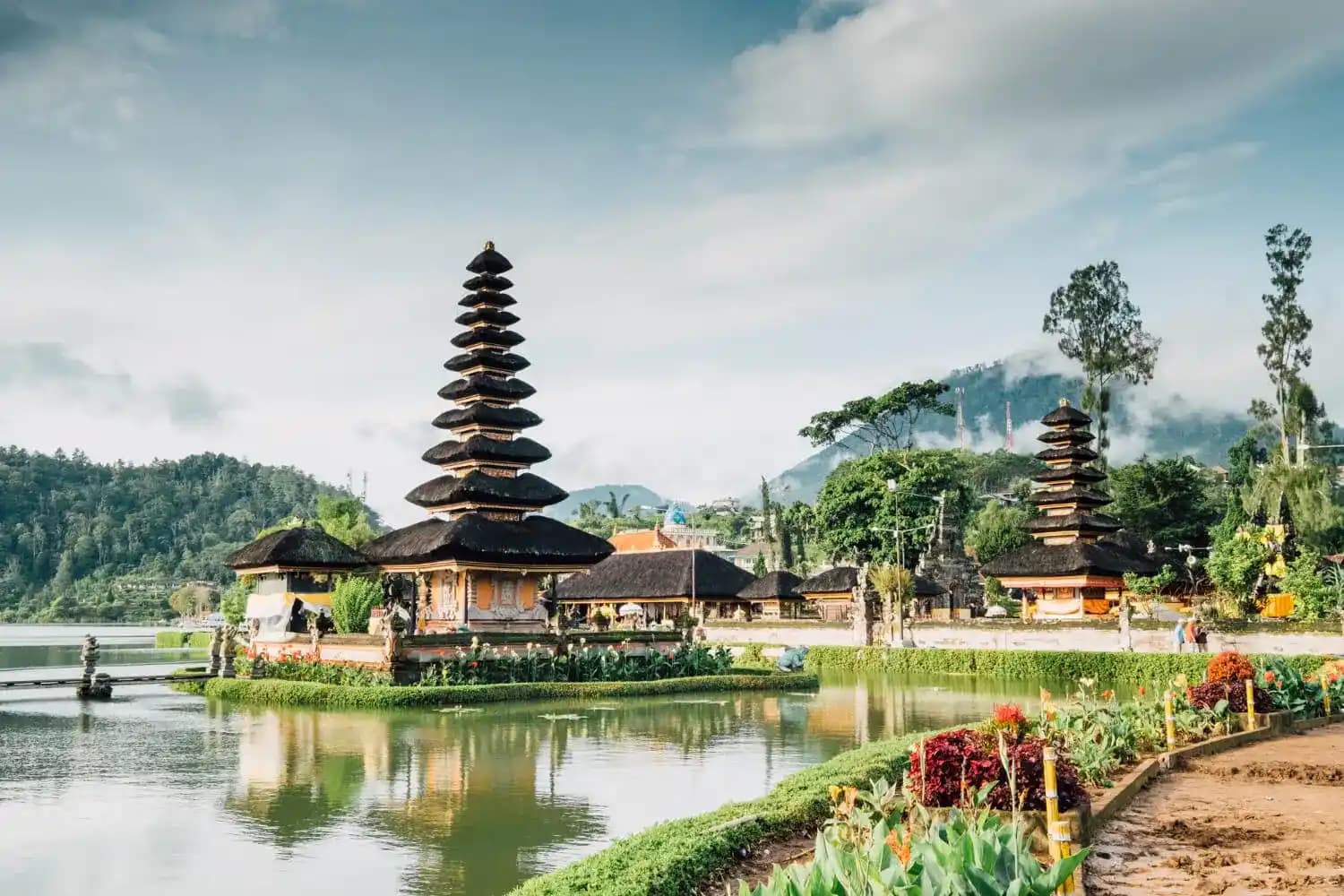

Explore Chiang Mai - Thailand Travel, Asia
Located in the mountainous region of Northern Thailand, Chiang Mai is a city where tradition and modernity harmoniously blend. Known for its rich cultural heritage, stunning temples, and vibrant festivals, Chiang Mai stands out as a must-visit destination for travelers seeking both adventure and tranquility. From its ancient temples to its bustling markets and lush landscapes, Chiang Mai offers a unique charm that captivates visitors from around the globe. In this guide, we’ll explore the highlights of Chiang Mai, providing you with everything you need to know for an unforgettable visit.
Population: Approximately 130,000 in 2019.
Economy: Chiang Mai's economy thrives on tourism, agriculture, and a growing tech sector. The city is known for its vibrant markets, handicrafts, and as a hub for digital nomads and startups.
Landmarks: Famous for the Wat Phra That Doi Suthep, Wat Chedi Luang, and Elephant Nature Park.

Overview of Chiang Mai
History & Culture Influence
Chiang Mai, established in 1296 by King Mengrai, served as the capital of the Lanna Kingdom, a historical country that thrived for more than two centuries. The city’s deep historical roots are reflected in its well-preserved temples and ancient city walls while its cultural tapestry is enriched by various influences, including Thai, Burmese, and Chinese traditions. This mix is evident in the local architecture, such as the ornate designs of Wat Chedi Luang and the intricate carvings found in Wat Phra Singh. Chiang Mai’s cultural heritage is also shaped by its festivals, traditional arts, and the enduring practices of its inhabitants.
Interaction with The Locals
Chiang Mai, the largest city in Northern Thailand, has a population of approximately 130,000 residents within the city limits, with the broader metropolitan area encompassing over 1 million people. The city's population is a mix of ethnic Thais and various minority groups, including ethnic Chinese and hill tribes. The locals, known for their warm hospitality and rich cultural heritage, play a significant role in maintaining Chiang Mai's unique charm and vibrant traditions.

Top Attractions in Chiang Mai
Sacred Sites in Chiang Mai
- Wat Phra That Doi Suthep: No visit to Chiang Mai is complete without a trip to Wat Phra That Doi Suthep. This revered temple, perched on Doi Suthep Mountain, offers stunning panoramic views of the city below. The temple's golden chedi (stupa) is a sacred site for Buddhists and a symbol of the city's spiritual heritage.
- Wat Chedi Luang: Wat Chedi Luang is another historical gem in Chiang Mai. This ancient temple, once home to the Emerald Buddha, features impressive ruins and a majestic chedi. The temple complex also houses a beautifully restored viharn (prayer hall) and offers insights into Chiang Mai’s past.
- Wat Phra Singh: Located in the heart of the Old City, Wat Phra Singh is known for its exquisite architecture and rich history. The temple’s main hall, or viharn, features intricate carvings and beautiful murals while its grounds also include the revered Phra Singh Buddha, a significant icon in Thai Buddhism.
Natural Wonders in Chiang Mai
- Doi Inthanon National Park: The park, which includes Thailand's highest mountain, Doi Inthanon, provides a variety of outdoor activities such as trekking and bird viewing. Visitors can explore lush rainforests, stunning waterfalls like Wachirathan Waterfall, and enjoy the cool, fresh air of the high-altitude environment.
- Elephant Nature Park: Elephant Nature Park provides a unique opportunity to interact with elephants in an ethical and humane setting. This sanctuary rescues and rehabilitates elephants from various circumstances, offering visitors the chance to learn about these majestic creatures and contribute to their well-being.

Must-Try Dishes in Chiang Mai
Chiang Mai’s cuisine is a flavorful journey through Northern Thai culinary traditions. These must-try local dishes capture the essence of Chiang Mai’s vibrant food traditions, offering visitors memorable experiences of Northern Thai cuisine.
- Khao Soi: Khao Soi is Chiang Mai’s signature dish, featuring a rich curry noodle soup made with egg noodles, coconut milk, and a blend of spices. Topped with crispy noodles and garnished with pickled mustard greens, lime, and shallots, this dish offers a delightful mix of textures and flavors.
- Sai Ua: Sai Ua, or Northern Thai sausage, is a savory and aromatic sausage made from minced pork, herbs, and spices. Grilled to perfection, it’s often served with sticky rice and fresh vegetables, making it a popular choice for both locals and visitors.
- Nam Prik Ong: Nam Prik Ong is a flavorful dip made from tomatoes, minced pork, and chili. This spicy and slightly sweet dip is typically enjoyed with fresh vegetables and sticky rice, offering a unique taste of Northern Thai cuisine.
- Khao Niew Mamuang: Khao Niew Mamuang, or mango sticky rice, is a beloved Thai dessert. It features sweet, ripe mangoes paired with sticky rice cooked in coconut milk, creating a deliciously creamy and refreshing treat.
- Larb Kua: Larb Kua is a Northern Thai version of the popular Thai salad. Made with minced meat, herbs, and spices, it’s typically served warm and offers a spicy, tangy flavor profile that’s both satisfying and invigorating.
- Gaeng Hang Lay: Gaeng Hang Lay is a rich and flavorful curry made with tender pork belly, tamarind, and a blend of spices. This Northern Thai curry is known for its unique, sweet-and-sour taste, offering a deliciously complex flavor experience.

Festivals & Local Celebrations
Yi Peng Lantern Festival
One of Chiang Mai’s most iconic events is the Yi Peng Lantern Festival, celebrated annually in November. During this festival, thousands of lanterns are released into the night sky, creating a mesmerizing spectacle of floating lights. This tradition symbolizes letting go of past misfortunes and making wishes for the future. The festival also features traditional music, dance performances, and elaborate parades, adding to the festive atmosphere.
Songkran Festival (Thai New Year)
The Songkran Festival, held in April to mark the Thai New Year, transforms Chiang Mai into a lively water battleground. Locals and tourists alike participate in playful water fights on the streets, symbolizing the cleansing of the past year’s misfortunes and welcoming the new year with a fresh start. The festival also includes religious ceremonies, such as the pouring of water over Buddha statues and the elderly, and traditional cultural performances.
Loy Krathong
Loy Krathong, usually celebrated in November, is another major festival in Chiang Mai. During this event, locals and visitors float beautifully decorated krathongs (small, ornate rafts) on rivers and ponds. The festival is a way to pay respect to the water spirits and seek forgiveness for past mistakes. The sight of flickering candles and flowers on the water creates a picturesque and serene environment, reflecting the festival’s spirit of gratitude and renewal.

What to Do in Chiang Mai
There are many different kinds of activities in Chiang Mai, showcasing the finest of Chiang Mai's offerings, ensuring that your vacation is full of memorable and interesting experiences.
- Zip-Lining in Chiang Mai: Soar through the jungle canopy on a zip-lining adventure. Experience the thrill of gliding over treetops and take in breathtaking views of Chiang Mai’s lush landscapes.
- Mountain Biking and Trekking in Chiang Mai: Explore Chiang Mai’s rugged terrain with mountain biking or trekking adventures. Trails through forests and hills offer exhilarating rides and scenic hikes for outdoor enthusiasts.
- Traditional Thai Cooking Classes: Immerse yourself in Thai cuisine by taking a cooking class. Learn to prepare traditional dishes such as Khao Soi and Pad Thai from local chefs and bring a taste of Chiang Mai back home.
- Thai Massage and Spa Treatments: Relax and rejuvenate with a traditional Thai massage or visit a local spa for a range of wellness treatments. Enjoy the therapeutic benefits of Thai massage and experience a deep sense of relaxation.
- Visit Elephant Nature Park: Support ethical wildlife tourism by visiting the Elephant Nature Park. This sanctuary focuses on rescuing and rehabilitating elephants, providing a chance to interact with these gentle giants in a responsible manner.
Shopping in Chiang Mai
- Night Bazaar: The Night Bazaar is a bustling market in the city center, renowned for its diverse range of goods. Shop for handicrafts, clothing, art, and souvenirs while enjoying the lively atmosphere and street performances.
- Sunday Walking Street Market: Sunday Walking Street Market, located on Ratchadamnoen Road, transforms into a vibrant pedestrian zone every Sunday. Explore stalls selling handmade crafts, local art, and delicious street food, and immerse yourself in the energetic local scene.
- Warorot Market: Warorot Market is a local favorite, offering a wide selection of fresh produce, spices, textiles, and traditional Thai products. This bustling market provides an authentic shopping experience and is a great place to find local ingredients and unique items.
- Nimmanhaemin Road: Nimmanhaemin Road is a trendy area known for its boutique shops and designer stores. Browse through fashionable clothing, accessories, and home décor items, and enjoy the chic atmosphere of this modern shopping district.
- Bo Sang Handicraft Village: Known for its beautiful handmade umbrellas and parasols, this village also offers other local crafts and textiles. It's a great location to get unusual gifts and support local craftspeople.

Weather in Chiang Mai: Best Time to Visit
Chiang Mai experiences three distinct seasons, each offering a unique experience of Chiang Mai, allowing visitors to tailor their trip according to their preferences and interests.
Cool Season in Chiang Mai
This is the peak travel season in Chiang Mai when the cool and comfortable weather, with temperatures ranging from 20°C to 30°C (68°F to 86°F), makes it ideal for outdoor activities and sightseeing. Festivals like Yi Peng Lantern Festival and Songkran draw large crowds, and many travelers take advantage of the pleasant climate to explore temples, markets, and natural attractions.
Hot Season in Chiang Mai
The hot season sees higher temperatures, often exceeding 35°C (95°F). While this period is less popular among tourists due to the heat, it’s a great time for those who enjoy fewer crowds and lower prices. Early mornings and late afternoons are the best times to explore outdoor attractions. Visitors can enjoy water-themed activities or seek relief in air-conditioned cafes and malls.
Rainy Season in Chiang Mai
The rainy season offers more frequent rainfall and increased humidity. Although this period is less crowded, it offers lush, green landscapes and fewer tourists. The rain usually comes in short bursts, so travelers can still enjoy activities, especially early in the day. It’s a good time to explore indoor attractions, visit cultural sites, or experience the serene beauty of nature after the rain.

Culture Etiquette in Chiang Mai
Chiang Mai's rich cultural background is seen in its local traditions and etiquette. Embracing these traditions will enhance your interaction with locals and ensure a respectful and memorable visit.
- The Wai Greeting: The wai is a traditional Thai greeting that involves pressing your palms together in a prayer-like gesture and bowing slightly. This gesture shows respect and is commonly used when greeting elders, monks, or during formal interactions.
- Dress Modestly at Temples: When visiting temples such as Wat Phra That Doi Suthep or Wat Chedi Luang, dress modestly to show respect. It is traditional to remove your shoes before visiting a temple.
- The Importance of Head and Feet: In Thai culture, the head is considered the most sacred part of the body, while the feet are regarded as the lowest and least clean. Avoid touching someone’s head and try to keep your feet flat on the floor or tucked under your body when sitting.
- Respect for Monks: Monks are highly revered in Chiang Mai. Women should avoid physical contact with monks, including handing them objects directly. If you’re a woman, pass items to a monk through a third party or place them on a nearby surface for the monk to pick up.
- Respect for Royalty: The Thai monarchy is held in high regard, and it’s important to show respect for the royal family. Avoid speaking negatively about the monarchy or making inappropriate comments.
Essential Travel Information
Getting Around Chiang Mai
- Tuk-Tuks: Tuk-tuks are a popular and enjoyable method to travel about Chiang Mai. These three-wheeled vehicles are ideal for short travels around the city.
- Songthaews: Songthaews are shared pickup trucks with passenger seating in the back. They operate on fixed routes and are an affordable way to travel within the city.
- Rental Scooters: Renting a scooter provides flexibility and convenience for exploring Chiang Mai and its outskirts, however, please follow closely with local traffic rules and drive safely.
- Taxis and Ride-Sharing: Taxis are available throughout the city. Alternatively, ride-sharing apps offer a convenient and reliable way to book rides with fixed prices.
- Bicycles: Bicycles are a popular choice for exploring Chiang Mai, especially in the cooler months. Cycling is a pleasant way to navigate the city and discover hidden gems.

ATM & Banking Services
Chiang Mai boasts a robust banking infrastructure that ensures travelers can easily manage their finances. ATMs are widely accessible across the city, including at the airport, shopping centers, and various local spots, and most accept international cards. However, be mindful of possible withdrawal fees. Currency exchange services are available at numerous locations, including banks, exchange booths, and some hotels, so it’s wise to compare rates and fees to secure the best deal. Banks typically operate from 9:00 AM to 3:30 PM, Monday through Friday, with some open on Saturdays; ATMs and currency exchange services remain available beyond these hours for added convenience.
Where to Stay in Chiang Mai
- Luxury Hotels: For a luxurious stay, Chiang Mai boasts several high-end hotels offering top-notch amenities. These establishments typically feature upscale facilities such as spas, fine dining options, and exceptional service, ensuring a premium experience.
- Boutique Hotels: Boutique hotels in Chiang Mai provide a charming and personalized experience. With unique decor and intimate settings, these hotels often showcase local design and culture, offering a distinctive stay that reflects the city's character.
- Homestays: Homestays offer a more authentic experience by allowing visitors to stay with local families. This option provides valuable insights into Thai daily life and culture, offering a welcoming environment and a deeper connection to the local community.
Articles for you

Explore Aranyaprathet - Thailand Travel, Asia
Nestled near the Cambodia border, Aranyaprathet is more than just a transit point on your way to Siem Reap and the Angkor Wat temples. This charming town in Sa Kaeo Province is steeped in history, brimming with cultural influences, and offers an authentic slice of Thai life that is often overlooked by travelers. With a blend of Thai and Khmer cultures, Aranyaprathet invites you to explore its rich heritage, interact with its welcoming locals, and uncover the hidden gems that make this destination special.
Population: Approximately 86,000 in 2014.
Economy: Aranyaprathet's economy thrives on trade, agriculture, and tourism. Its strategic location near the Cambodian border boosts cross-border commerce and local markets, supporting diverse economic activities.
Landmarks: Famous for the Wat Anu Banphot, Sa Kaeo Salt Flats, and Rong Kluea Market.

Explore Lampang - Thailand Travel, Asia
Nestled in the heart of Northern Thailand, Lampang is a city that beautifully blends history, culture, and nature. Often overshadowed by its more famous neighbors, Lampang remains one of Thailand's hidden gems. This charming city invites travelers to step back in time and experience an authentic slice of Thai life. Whether you're wandering through its quaint streets lined with traditional teak houses or exploring its ancient temples, Lampang offers a serene and enriching escape from the hustle and bustle of more touristy destinations.
Population: Approximately 740,000 in 2018.
Economy: Lampang's economy thrives on agriculture, especially rice and teakwood, alongside tourism and local crafts. The city is also known for its ceramics, contributing significantly to its economic activities.
Landmarks: Famous for the Wat Phra That Lampang Luang, Ban Sao Nak, and Chae Son National Park.

Explore Nakhon Nayok - Thailand Travel, Asia
Nestled in central Thailand, Nakhon Nayok offers a captivating blend of natural beauty, rich history, and vibrant culture. Often overshadowed by more prominent tourist destinations, this hidden gem of Thailand provides a refreshing escape with its serene landscapes and authentic Thai experiences. Known for its lush national parks, cascading waterfalls, and historical landmarks, Nakhon Nayok is an ideal spot for travelers seeking both adventure and relaxation.
Population: Approximately 260,000 in 2018.
Economy: Nakhon Nayok's economy thrives on agriculture, particularly rice and fruit farming, alongside growing tourism. Local crafts and small businesses also contribute, supporting a balanced and sustainable local economy.
Landmarks: Famous for the Khao Yai National Park, Sarika Waterfall, and Wat Phra Phutthabat Noi.

Explore Kanchanaburi - Thailand Travel, Asia
Tucked away in western Thailand, Kanchanaburi is a mesmerizing location that skillfully combines colorful culture, stunning scenery, and a long history. Known for its iconic role in World War II and the famous Death Railway, this charming town offers much more than just historical significance. From lush national parks to serene riverside landscapes, Kanchanaburi beckons travelers with an array of experiences waiting to be discovered. Let’s embark on a journey to explore the unique charm and allure of this must-visit destination of Thailand.
Population: Approximately 900,000 in 2018.
Economy: Kanchanaburi’s economy thrives on tourism, agriculture, and local crafts. Key sectors include hospitality, local markets, and small industries, supporting both visitors and the community.
Landmarks: Famous for the Bridge over the River Kwai, Hellfire Pass Memorial Museum, and Erawan National Park.


Our Best-Selling Tours
Follow Us