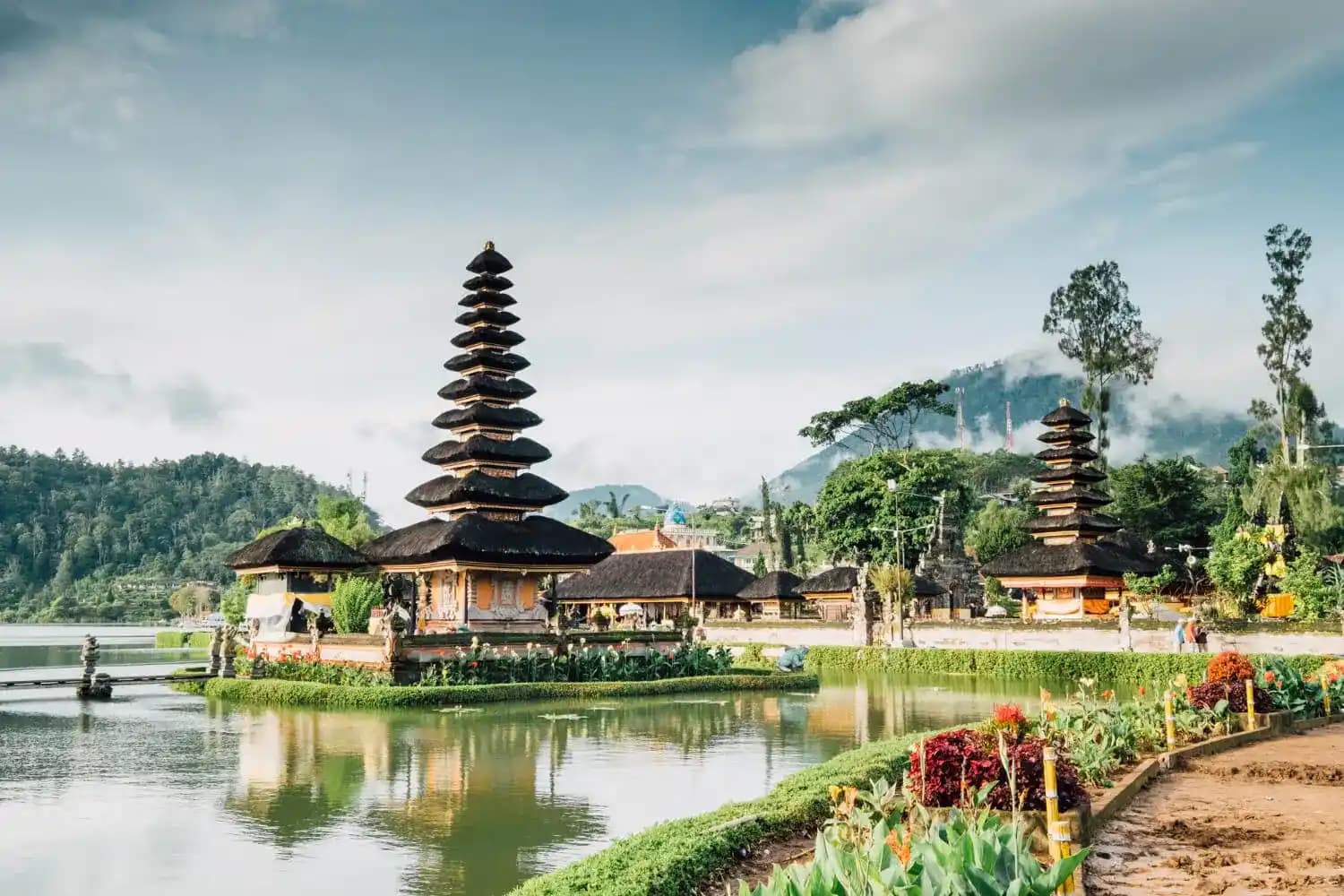

Explore Chiang Rai - Thailand Travel, Asia
Welcome to Chiang Rai, a captivating destination in Northern Thailand that promises a blend of history, culture, and stunning natural beauty. Known for its unique temples, lush landscapes, and vibrant local culture, Chiang Rai offers travelers an immersive experience away from the bustling tourist crowds of Bangkok. Its strategic location near the borders of Laos and Myanmar adds a touch of international allure as this city serves as a cultural and historical hub, reflecting the rich heritage of the Lanna Kingdom and offering a glimpse into traditional Thai life. Dive into Chiang Rai’s diverse attractions, and discover why it’s a must-visit destination for anyone exploring Northern Thailand.
Population: Approximately 70,000 in 2012.
Economy: Chiang Rai's economy thrives on agriculture, tourism, and trade. Known for tea, coffee, and fruit production, it also attracts visitors to its cultural landmarks and natural beauty, boosting local businesses.
Landmarks: Famous for the Wat Rong Khun (or the White Temple), Wat Phra Kaew, and Baan Dam Museum.

Overview of Chiang Rai
History & Cultural Influence
Chiang Rai's history is deeply intertwined with the legacy of the Lanna Kingdom, a powerful state that once ruled over Northern Thailand. This rich historical backdrop is evident in the city's numerous ancient temples and cultural landmarks. One of the most iconic sites is the Wat Rong Khun, also known as the White Temple, a stunning example of modern Buddhist architecture, combining traditional elements with a unique artistic vision. Its sparkling white facade symbolizes purity, and its intricate decorations tell profound spiritual stories. The city's historical and cultural attractions provide a glimpse into its history, highlighting the exquisite craftsmanship and spiritual traditions that have helped form its character.
Interaction with The Locals
The city's diverse demographic includes Thai locals as well as ethnic minorities such as the Akha, Lisu, and Karen. Chiang Rai residents are well-known for their friendliness and warmth, which adds to the city's pleasant vibe. This blend of cultures and traditions enriches Chiang Rai's vibrant community, making it a unique destination for travelers seeking an authentic Thai experience.

Top Attractions in Chiang Rai
Chiang Rai boasts an array of attractions that highlight its cultural and natural beauty. Each of these attractions offers a unique glimpse into Chiang Rai’s diverse heritage and natural splendor, making them essential stops on your journey through this enchanting city.
- Wat Rong Khun (White Temple): This surreal, all-white temple is a masterpiece of modern Buddhist art. Its intricate designs and reflective surfaces create a striking contrast against the surrounding landscape. Designed by Chalermchai Kositpipat, the temple blends traditional Thai elements with contemporary artistic interpretations, making it a must-visit for art and architecture enthusiasts.
- Wat Phra Kaew: Known for its historical significance, this temple was once home to the Emerald Buddha, Thailand’s most revered Buddhist artifact. Although the Emerald Buddha is now housed in Bangkok, Wat Phra Kaew remains an important historical and cultural site, showcasing ancient Lanna architecture and artistry.
- Golden Triangle: Located at the confluence of the Mekong and Ruak rivers, the Golden Triangle is a region rich in history and natural beauty. This area marks the meeting point of Thailand, Laos, and Myanmar, and offers stunning river views and insights into the region’s historical opium trade.
- Baan Dam Museum (Black House): Created by artist Thawan Duchanee, this museum is a collection of dark, eclectic buildings showcasing art and artifacts that reflect the artist’s unique vision and cultural heritage. It contrasts starkly with the White Temple, offering a different perspective on Thai artistic expression.
- Doi Tung Royal Villa: Set amidst lush gardens and mountainous landscapes, this royal villa was once the residence of the late Princess Mother, Srinagarindra. The villa and its gardens are a testament to her efforts in promoting sustainable development and agricultural improvement in the region.

Must-Try Dishes in Chiang Rai
Chiang Rai's culinary tradition is a feast for the senses, showcasing a variety of dishes that reflect the region's rich cultural heritage.
- Khao Soi: This Northern Thai specialty is a creamy curry noodle soup with a delightful mix of crispy and soft egg noodles. The rich, aromatic broth is made from a blend of spices and is typically topped with pickled mustard greens, shallots, and lime. It’s a flavorful and comforting dish that captures the essence of Northern Thai cuisine.
- Sai Oua: A traditional herb-infused sausage, Sai Oua is made with minced pork mixed with garlic, lemongrass, and a variety of spices. Grilled to perfection, this savory sausage is often enjoyed with sticky rice and fresh vegetables, offering a burst of flavors.
- Nam Prik Ong: This tangy chili dip combines minced pork, tomatoes, and chili peppers, creating a rich and spicy flavor. Served with fresh vegetables and sticky rice, Nam Prik Ong is a beloved dish in Northern Thailand and a great way to experience local tastes.
- Sticky Rice with Mango: A popular Thai dessert, this dish pairs sweet, fragrant mango with sticky rice cooked in coconut milk. The end product is a delicious blend of sweetness and creaminess, making it a welcome finish to any meal.
- Khao Niew Mamuang: Another variation of sticky rice, this dessert features sweet coconut-flavored rice paired with ripe mango slices. Often enjoyed during mango season, it’s a simple yet satisfying treat.
- Gaeng Hang Lay: Gaeng Hang Lay is a thick, spicy Northern Thai curry with Burmese influences that features pork belly, ginger, and tamarind. The curry is known for its deep, complex flavors and is often served with rice.

Festivals & Local Celebrations
Chiang Rai is a city brimming with vibrant festivals and local celebrations that highlight its rich cultural heritage and community spirit. These events provide a unique glimpse into the traditions and customs of Northern Thailand.
Songkran Festival (Thai New Year)
Held every April, Songkran marks the Thai New Year with a grand celebration that involves splashing water. Originating as a traditional way to wash away the old year and welcome the new, Songkran in Chiang Rai transforms into a lively water festival. Streets are filled with revelers armed with water guns and buckets, creating an exhilarating and festive atmosphere. The celebration also includes religious ceremonies, such as pouring water over Buddha statues and visiting temples to seek blessings.
Chiang Rai Flower Festival
The Chiang Rai Flower Festival, held in January, is a visual feast for nature enthusiasts. This annual event showcases the region’s floral diversity, with vibrant displays of blooming flowers, intricate garden designs, and landscape art. The festival features flower parades, garden exhibitions, and cultural performances, making it a perfect opportunity to experience Chiang Rai’s natural beauty and artistic flair. Visitors can stroll through beautifully arranged floral displays and enjoy a variety of local food and crafts.
Loy Krathong Festival
Loy Krathong, which takes place in November, is one of Thailand's most magical celebrations. The festival involves floating decorated baskets, or “krathongs,” onto rivers and lakes. These krathongs, often made of banana leaves and adorned with flowers, candles, and incense, symbolize letting go of past grievances and making wishes for the future. In Chiang Rai, the festival is marked by beautiful river ceremonies and lantern releases, creating a magical atmosphere with thousands of glowing lights reflecting on the water.
Boon Bang Fai Festival
Known as the Rocket Festival, Boon Bang Fai is celebrated in the rural areas around Chiang Rai in May. This unique festival involves launching homemade rockets into the sky as a way to encourage rainfall for the upcoming rice planting season. The festival is marked by colorful parades, traditional music and dance performances, and communal feasting. It’s a lively event that reflects the agricultural traditions and community spirit of the region.

What to Do in Chiang Rai
Chiang Rai offers a range of activities that cater to diverse interests, ensuring a memorable visit.
- Jungle Trekking in Chiang Rai: Explore the lush landscapes surrounding Chiang Rai through guided jungle treks and nature tours. These excursions offer opportunities to observe diverse wildlife, scenic waterfalls, and traditional hill tribe villages.
- Mekong River Cruises: Take a relaxing river ride down the Mekong River, which forms the boundary between Thailand, Laos, and Myanmar. The voyage provides stunning views of the countryside as well as opportunities to learn about the region's history and culture.
- Local Market Exploration: Immerse yourself in Chiang Rai’s local culture by visiting bustling markets like the Night Bazaar. Browse through handmade crafts, local produce, and delicious street food while interacting with friendly vendors.
Shopping in Chiang Rai
Chiang Rai offers an excellent shopping experience with a diverse range of marketplaces and boutiques.
- Chiang Rai Night Bazaar: This bustling market is a hub for souvenirs, local handicrafts, and street food. It’s a great place to pick up unique gifts, such as handcrafted jewelry, traditional textiles, and artisanal goods. The vibrant ambiance and numerous offers make it a must-see for shoppers.
- Central Plaza Chiang Rai: Central Plaza offers a contemporary shopping experience with a wide range of retail stores, dining options, and entertainment amenities. It’s an ideal spot for those seeking both international brands and local products in a comfortable setting.
- Local Handicraft Markets: Explore smaller markets around Chiang Rai for authentic, handcrafted items. These marketplaces frequently sell traditional Thai products, such as elaborate wood carvings, vivid fabrics, and stunning ceramics. They provide a chance to support local artisans and find one-of-a-kind treasures.

Weather in Chiang Rai: Best Time to Visit
Chiang Rai experiences a tropical climate with distinct wet and dry seasons, making it a year-round destination with varying weather patterns. Understanding the weather might help you organize your vacation to this northern beauty more successfully.
Cool Season in Chiang Rai
This is the most popular time to visit Chiang Rai, thanks to the pleasant and cool weather. Temperatures range from 15°C to 30°C (59°F to 86°F), providing comfortable conditions for sightseeing and outdoor activities. The skies are usually clear, and humidity levels are lower, making it ideal for exploring the city and its surroundings.
Hot Season in Chiang Rai
During these months, Chiang Rai has greater temperatures, which can reach 35°C (95°F). The heat can be intense, particularly in April and May, making it important to stay hydrated and use sun protection. Despite the heat, this period is less crowded, and you might find some great deals on accommodations and flights.
Rainy Season in Chiang Rai
The rainy season brings frequent showers and thunderstorms, with heavy rainfall often occurring in the afternoons and evenings. Temperatures during this period are typically between 24°C and 33°C (75°F to 91°F). While rain might hamper travel plans, it also refreshes the scenery and adds to the region's lush flora. If you don’t mind occasional downpours, this can be a good time to enjoy fewer tourists and lower prices.

Essential Travel Information
Getting Around Chiang Rai
- Tuk-Tuks: These three-wheeled vehicles are a popular and fun way to explore Chiang Rai. Tuk-tuks are ideal for short distances and provide a unique local experience.
- Songthaews: These shared red trucks operate as a form of public transportation and are an affordable way to travel around the city. They follow specific routes, and passengers can hop on and off as needed. It’s a practical option for both tourists and locals.
- Bicycles and Motorbikes: Renting a bicycle or motorbike is a great way to explore Chiang Rai at your own pace. Many rental shops offer affordable rates.
- Taxis and Ride-Sharing: Taxis are available in Chiang Rai, though they may be less common than tuk-tuks and songthaews. Ride-sharing apps like Grab are also operational, offering a convenient way to book rides with fixed fares.
- Car Rentals: Renting a car provides additional freedom. This allows you to discover Chiang Rai and its surroundings at your own speed. Make sure you have an international driving permit and are familiar with the local driving rules.
ATM & Banking Services
Chiang Rai offers convenient access to banking services and ATMs throughout the city. ATMs are widely available and allow for cash withdrawals using international credit and debit cards, though transaction fees may apply. For currency exchange and additional banking needs, several branches are scattered across the city, where you’ll need to present identification, such as your passport. Currency exchange services can also be found at dedicated booths and some hotels, though rates may vary. While credit cards are accepted in many hotels, restaurants, and shops, carrying some cash is advisable for smaller establishments and local markets where card payments might not be accepted.
Where to Stay in Chiang Rai
- Luxury Hotels: For a touch of luxury, Chiang Rai boasts several high-end hotels with top-notch amenities, including Chiang Rai, which offers elegant rooms, swimming pools, and fine dining. These establishments provide a comfortable and upscale experience for travelers seeking luxury.
- Boutique Hotels: Experience a blend of charm and comfort with boutique hotels. These smaller, stylish hotels often feature unique decor and personalized service. They offer a cozy atmosphere and are typically located in central areas, making it easy to explore local attractions.
- Guesthouses and Hostels: Budget travelers will find a variety of guesthouses and hostels in Chiang Rai. These accommodations offer affordable rates and a chance to meet fellow travelers. Many guesthouses provide simple yet comfortable rooms and common areas for socializing.
- Resorts: For a tranquil escape, consider staying at one of Chiang Rai’s resorts. These properties are often located in scenic areas and offer amenities such as spas, swimming pools, and outdoor activities. Resorts provide a relaxing retreat away from the city’s hustle and bustle.
- Homestays: For a more authentic experience, homestays offer a chance to stay with local families. This choice offers a distinct perspective on Thai culture and everyday life. Homestays often include meals and personalized experiences, enhancing your cultural immersion.
Articles for you

Explore Aranyaprathet - Thailand Travel, Asia
Nestled near the Cambodia border, Aranyaprathet is more than just a transit point on your way to Siem Reap and the Angkor Wat temples. This charming town in Sa Kaeo Province is steeped in history, brimming with cultural influences, and offers an authentic slice of Thai life that is often overlooked by travelers. With a blend of Thai and Khmer cultures, Aranyaprathet invites you to explore its rich heritage, interact with its welcoming locals, and uncover the hidden gems that make this destination special.
Population: Approximately 86,000 in 2014.
Economy: Aranyaprathet's economy thrives on trade, agriculture, and tourism. Its strategic location near the Cambodian border boosts cross-border commerce and local markets, supporting diverse economic activities.
Landmarks: Famous for the Wat Anu Banphot, Sa Kaeo Salt Flats, and Rong Kluea Market.

Explore Kanchanaburi - Thailand Travel, Asia
Tucked away in western Thailand, Kanchanaburi is a mesmerizing location that skillfully combines colorful culture, stunning scenery, and a long history. Known for its iconic role in World War II and the famous Death Railway, this charming town offers much more than just historical significance. From lush national parks to serene riverside landscapes, Kanchanaburi beckons travelers with an array of experiences waiting to be discovered. Let’s embark on a journey to explore the unique charm and allure of this must-visit destination of Thailand.
Population: Approximately 900,000 in 2018.
Economy: Kanchanaburi’s economy thrives on tourism, agriculture, and local crafts. Key sectors include hospitality, local markets, and small industries, supporting both visitors and the community.
Landmarks: Famous for the Bridge over the River Kwai, Hellfire Pass Memorial Museum, and Erawan National Park.

Explore Lampang - Thailand Travel, Asia
Nestled in the heart of Northern Thailand, Lampang is a city that beautifully blends history, culture, and nature. Often overshadowed by its more famous neighbors, Lampang remains one of Thailand's hidden gems. This charming city invites travelers to step back in time and experience an authentic slice of Thai life. Whether you're wandering through its quaint streets lined with traditional teak houses or exploring its ancient temples, Lampang offers a serene and enriching escape from the hustle and bustle of more touristy destinations.
Population: Approximately 740,000 in 2018.
Economy: Lampang's economy thrives on agriculture, especially rice and teakwood, alongside tourism and local crafts. The city is also known for its ceramics, contributing significantly to its economic activities.
Landmarks: Famous for the Wat Phra That Lampang Luang, Ban Sao Nak, and Chae Son National Park.

Explore Nakhon Nayok - Thailand Travel, Asia
Nestled in central Thailand, Nakhon Nayok offers a captivating blend of natural beauty, rich history, and vibrant culture. Often overshadowed by more prominent tourist destinations, this hidden gem of Thailand provides a refreshing escape with its serene landscapes and authentic Thai experiences. Known for its lush national parks, cascading waterfalls, and historical landmarks, Nakhon Nayok is an ideal spot for travelers seeking both adventure and relaxation.
Population: Approximately 260,000 in 2018.
Economy: Nakhon Nayok's economy thrives on agriculture, particularly rice and fruit farming, alongside growing tourism. Local crafts and small businesses also contribute, supporting a balanced and sustainable local economy.
Landmarks: Famous for the Khao Yai National Park, Sarika Waterfall, and Wat Phra Phutthabat Noi.


Our Best-Selling Tours
Follow Us