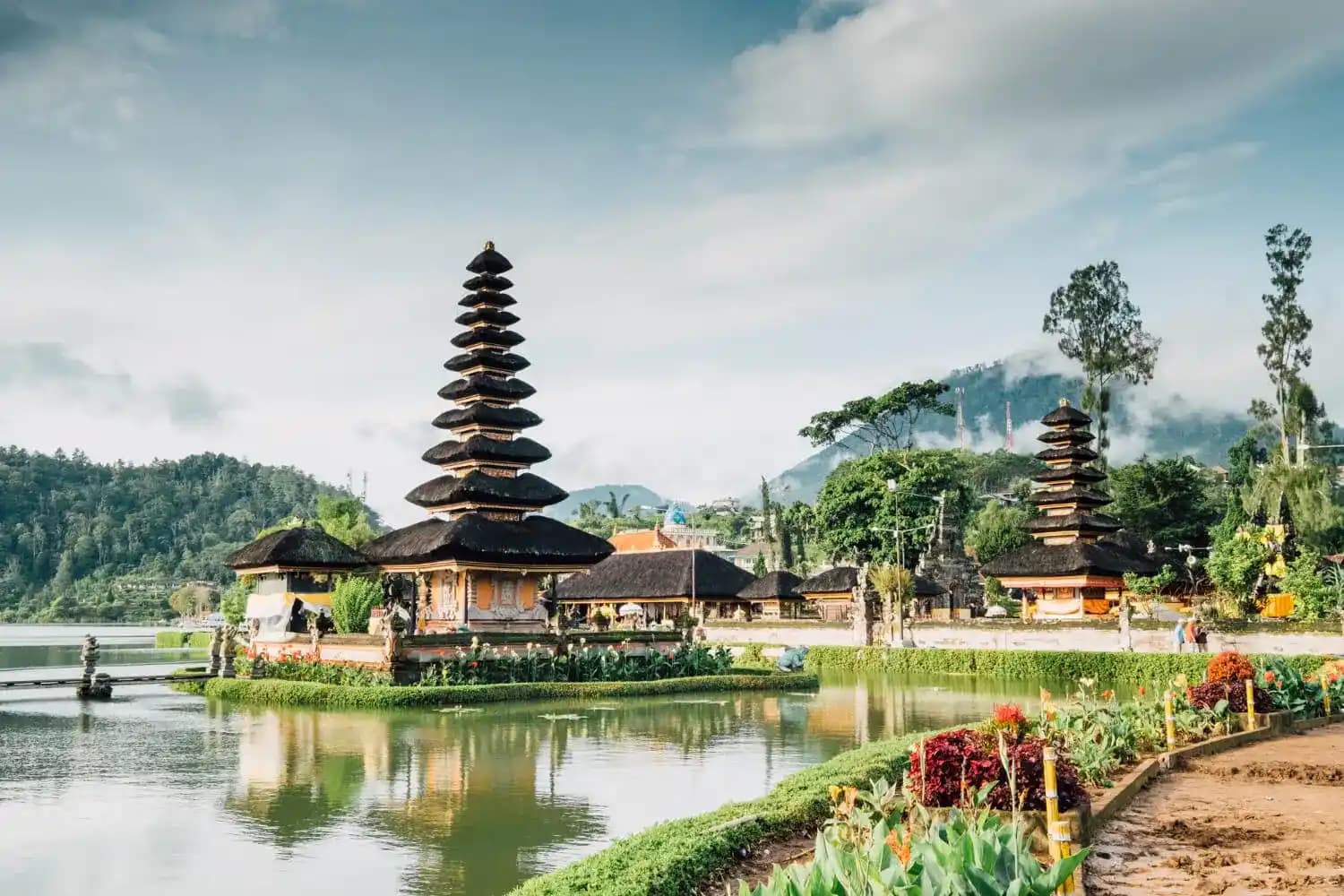

Explore Chiang Saen - Thailand Travel, Asia
Standing at the meeting point of Thailand, Laos, and Myanmar, it's a must-visit location for travelers navigating the Golden Triangle, an area known for its significance both historically and geographically. Chiang Saen offers a unique blend of ancient ruins, serene riverside landscapes, and an authentic glimpse into traditional Thai life. This quiet town, far removed from the hustle of Thailand's bigger cities, invites travelers to slow down and explore its storied past, picturesque temples, and vibrant local markets.
Population: Approximately 54,000 in 2015.
Economy: Chiang Saen's economy is driven by agriculture, tourism, and cross-border trade due to its location near the Mekong River and Golden Triangle, with a growing focus on local handicrafts and eco-tourism.
Landmarks: Famous for the Wat Chedi Luang, Golden Triangle Park, and the Wat Phra That Pha Ngao.

Overview of Chiang Saen
History & Cultural Influence
Chiang Saen has a long and fascinating history, tracing back to the 7th century when it was founded as a major city in the ancient Lanna Kingdom. It once stood as a key center for commerce and culture in the region, its strategic location along the Mekong River connecting it to trade routes across Southeast Asia. The city’s importance is still evident today in its well-preserved ancient ruins, temples, and monuments, which offer a window into its glorious past. In modern days, Chiang Saen’s cultural heritage continues to thrive through traditional festivals, crafts, and religious ceremonies, making it a place where history is not only remembered but also actively lived.
Interaction with the Locals
Chiang Saen has a small population of approximately 54,000 residents. The majority of its citizens belong to the Tai Lue and Tai Yai ethnic groups, which bring a rich cultural diversity to the town. The locals are known for their warm hospitality and deep-rooted traditions, with many still practicing age-old customs like almsgiving to monks and traditional weaving. Buddhism plays a central role in the lives of most residents, influencing the town’s festivals, daily rituals, and overall way of life.

Top Attractions in Chiang Saen
Chiang Saen’s must-visit attractions are a blend of natural beauty and ancient wonders. Whether you’re an avid history enthusiast or just looking for peaceful scenic views, the town has something to offer for everyone.
- Wat Chedi Luang: One of the most iconic temples in Chiang Saen, Wat Chedi Luang is known for its massive ancient chedi that dates back centuries. It stands as a testament to the region's architectural prowess and is a must-visit for any traveler.
- Golden Triangle Park: The Golden Triangle Park, a short drive from Chiang Saen, offers breathtaking views of Thailand, Laos, and Myanmar. The panoramic vistas of the Mekong River and the surrounding mountains are breathtaking, making it one of the top photography spots in the area. You can also visit the Hall of Opium, a museum dedicated to the history of the region’s opium trade.
- Wat Phra That Pha Ngao: This serene temple, perched on a mountain just outside of town, provides breathtaking views of the Mekong. It’s the perfect place for quiet reflection and enjoying nature, with the temple grounds dotted by beautiful stupas and Buddha statues.
- Chiang Saen Lake: For those who enjoy nature, Chiang Saen Lake is an ideal spot for bird watching and relaxation. Surrounded by lush greenery, the lake provides a peaceful escape from the town’s more historical attractions. You can also rent a boat and explore the lake’s calm waters.

Must-Try Dishes in Chiang Saen
Chiang Saen's culinary tradition is a must-explore for food lovers looking to experience the rich flavors of Northern Thai cuisine. Influenced by nearby Laos, Myanmar, and the local Lanna culture, the dishes here are packed with herbs, spices, and fresh ingredients.
- Khao Soi: A Chiang Saen specialty, this creamy, curry-based noodle soup is a favorite among both locals and travelers. It combines crispy fried noodles and soft egg noodles, topped with tender chicken or beef, in a rich coconut curry broth.
- Nam Prik Ong: A Northern-style chili dip made with tomatoes, minced pork, and dried chilies, Nam Prik Ong is commonly served with fresh vegetables and sticky rice. The dip is spicy but balanced with the sweetness of tomatoes, offering a unique flavor.
- Larb Moo Kua: A variation of the popular Thai minced pork salad, Larb Moo Kua is Chiang Saen’s take on this classic dish. It’s made with minced pork, seasoned with roasted spices and herbs, and served with fresh vegetables.
- Gaeng Om: A lesser-known Northern Thai dish, Gaeng Om is a herbal stew made with pork or beef, mixed vegetables, and a variety of fresh herbs like lemongrass, dill, and kaffir lime. This dish has an earthy, aromatic flavor and is loved for its warmth and comforting qualities.
- Nam Ngiao: This spicy noodle soup is made with rice noodles and a pork and tomato-based broth. Nam Ngiao is packed with flavor from a mix of dried chilies, fermented soybeans, and herbs.
- Moo Nam Tok: Another Northern Thai favorite, Moo Nam Tok is a grilled pork salad mixed with roasted rice powder, mint, shallots, and a tangy lime dressing. The flavors are a perfect balance of savory, spicy, and sour, and it's often served with sticky rice.

Festivals & Local Celebrations
Chiang Saen's festivals are vibrant, colorful, and deeply rooted in Buddhist traditions and the region’s cultural heritage. These celebrations offer travelers a unique opportunity to experience the town's community spirit and traditional practices.
Songkran Holiday (Thai New Year)
Celebrated in mid-April, Songkran is the largest and most famous festival in Chiang Saen, marking the traditional Thai New Year and is a time for paying respects to elders, visiting temples, and, most famously, participating in water fights. Locals and tourists alike enjoy splashing water on each other to symbolize the washing away of the past year's misfortunes.
Loi Krathong
Held every November, Loi Krathong is the festival of lights. During this celebration, locals make beautiful lotus-shaped baskets (krathongs) and release them into the river to pay homage to the water spirits. Chiang Saen’s proximity to the Mekong River makes it an especially magical place to experience this festival, with hundreds of floating lanterns lighting up the water.
Boat Racing Festival
Chiang Saen’s boat racing festival is a thrilling annual event that takes place along the Mekong River. Teams from neighboring regions come together to compete in longboat races, creating a lively atmosphere filled with music, food, and cheering spectators.

What to Do in Chiang Saen
- Mekong River Boat Tours: One of the most popular activities in Chiang Saen is taking a boat ride along the Mekong River. These tours provide breathtaking views of the surrounding landscapes and the opportunity to see the famous Golden Triangle, which connects Thailand, Laos, and Myanmar.
- Trekking & Cycling: The hills and trails around Chiang Saen are perfect for trekking and cycling. Visitors can explore scenic paths, visit hill tribe villages, and discover hidden waterfalls and natural reserves. Guided tours are recommended for those who want a more immersive experience with knowledgeable local guides.
- Visiting Temples and Ancient Ruins: As a town rich in history, Chiang Saen is home to many ancient temples and historical sites. Spend the day exploring Wat Chedi Luang, Wat Pa Sak, and the ruins of the Lanna Kingdom, each offering a unique glimpse into the town’s storied past.
- Exploring Local Markets: Chiang Saen's markets are vibrant and full of local flavor. Visit the Chiang Saen Walking Street Market to shop for handmade crafts, textiles, and traditional Northern Thai snacks. These markets provide an excellent opportunity to experience local life while also supporting small businesses.
Shopping in Chiang Saen
- Handicrafts Stores: One of the best things to shop for in Chiang Saen is handmade crafts created by local artisans. These include hill tribe textiles, intricate wood carvings, and silver jewelry. Many of these items are made using traditional techniques passed down through generations, making them perfect souvenirs or gifts.
- Local Markets: Chiang Saen is known for producing high-quality silk, pottery, and herbal teas. Visitors can purchase these products directly from the artisans or in local markets, ensuring an authentic shopping experience. Look for traditional woven fabrics that showcase the craftsmanship of the local Tai Lue and Tai Yai communities.

Weather in Chiang Saen: Best Time to Visit
Chiang Saen, located in Northern Thailand, experiences a tropical climate with two distinct seasons. Understanding the weather will allow you to plan your vacation for the best possible experience.
Dry Season in Chiang Saen
This is the best time to visit Chiang Saen and has an ideal exploration. The temperatures during the day are delightfully mild, ranging from 15°C to 28°C (59°F to 82°F), with cooler nights and early mornings. The clear skies and refreshing air make it ideal for sightseeing, exploring temples, and outdoor activities such as cycling and trekking.
Wet Season in Chiang Saen
During this period, Chiang Saen receives regular rainfall, which helps cool down the temperature. Expect intermittent showers, with some heavy downpours in July and August. While it’s less crowded with tourists, the lush greenery and refreshing atmosphere make it an excellent time to visit if you don’t mind occasional rain.

Essential Travel Information
Getting Around Chiang Saen
- Tuk-Tuks: Tuk-tuks are readily available in Chiang Saen and are a fun and convenient way to travel around the town for short distances.
- Songthaews: These are shared pickup vehicles with benches in the back that serve as public transit. They run on set routes and are a cost-effective way to get around.
- Bicycle & Motorbike Rentals: For those who prefer more flexibility, renting a bicycle or motorbike is a great option. Chiang Saen is small enough to explore by bike, and motorbikes offer more range for visiting nearby attractions such as the Golden Triangle.
- Car Rentals: If you’re planning to explore the surrounding areas extensively, renting a car from Chiang Rai or Chiang Saen is an option. The roads are generally in good condition, and driving gives you more control over your itinerary.
ATM & Banking Services
In Chiang Saen, ATMs are widely available, especially in the town center and near popular tourist spots, making it easy to withdraw cash using international debit or credit cards. While many businesses, including larger hotels and some restaurants, accept cards, smaller markets and local vendors typically operate on a cash-only basis, so it's a good idea to have enough Thai Baht on hand for smaller purchases. Currency exchange services are accessible in town, though it's often more convenient to exchange money in larger cities or at airports before arriving.
Where to Stay in Chiang Saen
- Riverside Resorts: For those looking for a touch of luxury with stunning views, Chiang Saen’s riverside accommodations offer a relaxing experience with scenic vistas of the Mekong River. These resorts often come with amenities like swimming pools, spa services, and on-site dining, providing a perfect base for exploring nearby attractions while enjoying comfort and tranquility.
- Boutique Hotels & Homestays: Travelers who prefer a more intimate and local experience will find a wide selection of boutique hotels and charming homestays. These smaller accommodations offer personalized service, a homely atmosphere, and affordable pricing, ideal for those seeking comfort with a local touch.
- Hostels: Backpackers and budget-conscious travelers will appreciate the variety of affordable hostels and budget guesthouses available in Chiang Saen. These options provide clean, comfortable lodging with basic amenities, allowing travelers to save money while exploring the area.
Articles for you

Explore Krabi - Thailand Travel, Asia
As one of Thailand's most-visited tourist spots, Krabi attracts visitors from around the globe with its promise of adventure and relaxation. Known for its stunning limestone cliffs, crystal-clear waters, and picturesque islands, Krabi offers an idyllic escape from the hustle and bustle of city life. Whether you're drawn to its serene beaches, adventurous activities, or rich cultural experiences, Krabi is a destination that promises a memorable and diverse travel experience.
Population: Approximately 470,000 in 2018.
Economy: Krabi's economy thrives on tourism, agriculture, and fishing. Its stunning beaches and islands attract visitors, while local agriculture and seafood contribute to its growing local economy.
Landmarks: Famous for the Railay Beach, Phi Phi Islands, and Tiger Cave Temple (or Wat Tham Sua).

Explore Hua Hin - Thailand Travel, Asia
Hua Hin, located along Thailand's western Gulf Coast, is a picturesque beach town that seamlessly mixes history and modernity. Known for its pristine beaches, vibrant markets, and rich cultural heritage, Hua Hin has long been a favorite getaway for both locals and international travelers. What was once a sleepy fishing village has transformed into a lively resort destination, offering everything from luxury accommodations to authentic Thai experiences. Whether you're seeking relaxation on sandy shores or an adventure through bustling streets, Hua Hin promises a memorable escape.
Population: Approximately 66,000 in 2019.
Economy: Hua Hin's economy focuses on tourism, real estate, and agriculture. The town's vibrant tourism sector, coupled with growing property investments and local farming, supports its economic growth.
Landmarks: Famous for the Hua Hin Beach, Maruekhathaiyawan Palace, and Khao Takiab (or Chopstick Hill).

Explore Kanchanaburi - Thailand Travel, Asia
Tucked away in western Thailand, Kanchanaburi is a mesmerizing location that skillfully combines colorful culture, stunning scenery, and a long history. Known for its iconic role in World War II and the famous Death Railway, this charming town offers much more than just historical significance. From lush national parks to serene riverside landscapes, Kanchanaburi beckons travelers with an array of experiences waiting to be discovered. Let’s embark on a journey to explore the unique charm and allure of this must-visit destination of Thailand.
Population: Approximately 900,000 in 2018.
Economy: Kanchanaburi’s economy thrives on tourism, agriculture, and local crafts. Key sectors include hospitality, local markets, and small industries, supporting both visitors and the community.
Landmarks: Famous for the Bridge over the River Kwai, Hellfire Pass Memorial Museum, and Erawan National Park.

Explore Lampang - Thailand Travel, Asia
Nestled in the heart of Northern Thailand, Lampang is a city that beautifully blends history, culture, and nature. Often overshadowed by its more famous neighbors, Lampang remains one of Thailand's hidden gems. This charming city invites travelers to step back in time and experience an authentic slice of Thai life. Whether you're wandering through its quaint streets lined with traditional teak houses or exploring its ancient temples, Lampang offers a serene and enriching escape from the hustle and bustle of more touristy destinations.
Population: Approximately 740,000 in 2018.
Economy: Lampang's economy thrives on agriculture, especially rice and teakwood, alongside tourism and local crafts. The city is also known for its ceramics, contributing significantly to its economic activities.
Landmarks: Famous for the Wat Phra That Lampang Luang, Ban Sao Nak, and Chae Son National Park.


Our Best-Selling Tours
Follow Us