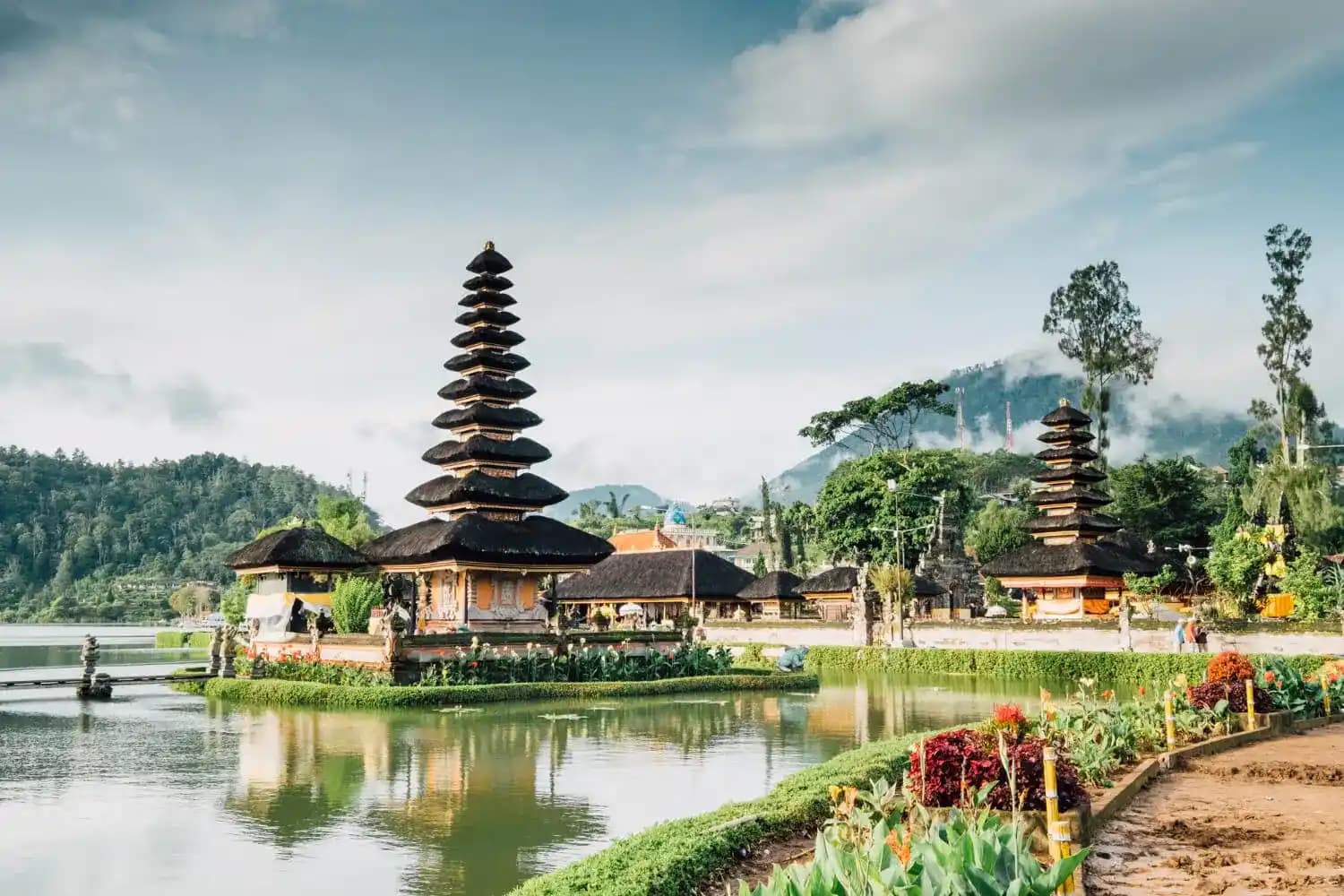

Explore Himeji - Japan Travel, Asia
Himeji, a city in Japan's Hyogo Prefecture, is a gem waiting to be discovered by travelers. Famous for its stunning Himeji Castle, the city combines rich history with modern charm. Himeji is a one-of-a-kind and amazing experience for anybody interested in Japanese culture, history, or cuisine. Let’s wander through the city's top attractions, cultural highlights, and local delights that will ensure a memorable and enjoyable visit to Himeji.
Craving an exceptional Japan adventure? Explore our handpicked premium tours here for the ultimate experience.
Population: Approximately 535,000 in 2008.
Economy: Himeji's economy thrives on tourism, retail, and local industries. Key sectors include manufacturing, agriculture, and service industries, with tourism playing a significant role.
Landmarks: Famous for Himeji Castle, Koko-en Garden, and Shoshazan Engyo-ji Temple.

Overview of Himeji
History & Cultural Influence
Himeji's history stretches back centuries, making it a significant cultural hub in Japan. Himeji Castle, recognized as the "White Heron Castle" for its elegant white exterior, was constructed in the 14th century. This UNESCO World Heritage monument is a tribute to the architectural genius and feudal era of Japan. In addition to the castle, Himeji's streets are paved with historic temples and shrines. Shoshazan Engyo-ji Temple, another notable site, offers a serene escape and a glimpse into the city's religious past. The influence of samurai culture is palpable throughout Himeji, offering visitors a chance to step back in time and experience the grandeur of Japan's feudal history.
Interaction with The Locals
Himeji is home to approximately 535,000 residents. The citizens of Himeji are known for their warmth and hospitality, often welcoming visitors with open arms. This blend of historical pride and modern living creates a vibrant community. Interacting with the locals offers a unique glimpse into traditional Japanese culture, making any visit to Himeji truly special.

Top Attractions in Himeji
You can gain a deeper appreciation of Himeji's historical and cultural richness while visiting these must-visit places in Himeji. Each site tells a story, weaving together the past and present in a way that captivates every visitor.
- Himeji Castle: Without a question, Himeji Castle is the diamond in the crown of Himeji. This stunning structure, surrounded by beautiful gardens, offers panoramic views of the city. As you explore the castle grounds, you'll be transported back to the era of samurai and shoguns.
- Koko-en Garden: Wander through Himeji Castle is Koko-en Garden, a haven of peace and beauty. This traditional Japanese garden features nine distinct sections, each offering a unique landscape. Stroll through the garden to enjoy the meticulously maintained flora and serene ponds.
- Shoshazan Engyo-ji Temple: Located on Mount Shosha, Shoshazan Engyo-ji Temple is a tranquil retreat away from the city's hustle and bustle. Accessible by a scenic ropeway ride, the temple complex is steeped in history and spiritual significance. It is highly recommended due to its breathtaking views and serene environment.
- Himeji City Zoo: Situated within the grounds of Himeji Castle, Himeji City Zoo is a delightful attraction for families. The zoo houses a variety of animals, providing educational and recreational opportunities. Its central location makes it a convenient stop during a visit to the castle.
- Hyogo Prefectural Museum of History: Close to Himeji Castle, the Hyogo Prefectural Museum of History offers an in-depth look into the region's past. Exhibits include artifacts from the Edo period, samurai armor, and traditional crafts. Interactive displays and rotating exhibitions ensure there's always something new to discover.

Must-Try Dishes in Himeji
Give a taste of these local dishes and you’ll gain a deeper understanding of Himeji’s culinary traditions. Each dish offers a unique taste of the region, showcasing the city’s rich food culture and making your visit a culinary adventure.
- Himeji Oden: A beloved local dish, Himeji Oden features a variety of ingredients such as daikon, fish cakes, and tofu, simmered in a savory broth. What sets it apart is the use of ginger soy sauce, adding a unique flavor. This hearty dish is perfect for a comforting meal.
- Anago (Conger Eel): Himeji is renowned for its anago, or conger eel. Served grilled with a sweet soy glaze, anago is a must-try for seafood lovers. It’s often enjoyed over a bed of rice, known as anago-don. The delicate, melt-in-your-mouth texture is a culinary delight.
- Local Sake: No visit to Himeji is complete without tasting the local sake. The region’s sake is known for its smooth and refined flavor, thanks to the high-quality rice and pristine water used in its production. Visit a local brewery to sample different varieties and learn about the sake-making process.
- Tai-meshi (Sea Bream Rice): Tai-meshi is a simple yet flavorful dish made with sea bream and seasoned rice. The fish is cooked with the rice, allowing its delicate flavors to infuse every grain. Often served with a light soy sauce and garnished with fresh herbs, Tai-meshi is a testament to the elegance of Japanese cuisine.
- Himeji Eki-ben (Train Station Bento Box): Himeji Eki-ben offers travelers a delightful culinary experience with its variety of bento boxes available at the train station. These beautifully arranged meals feature local ingredients and traditional dishes, making them perfect for a quick and delicious meal on the go.
- Okonomiyaki: Often described as a Japanese pancake, Okonomiyaki from Himeji is a must-try. Made with a batter of flour, eggs, shredded cabbage, and your choice of meat or seafood, it’s grilled to perfection and topped with a variety of sauces, mayonnaise, and bonito flakes. Each bite is packed with flavor and texture, making it a popular choice among locals and tourists alike.
Want to know about Tokushima? Check out our insights here and see why it's worth a visit.

Festivals & Local Celebrations
Himeji Castle Cherry Blossom Viewing
Every spring, Himeji Castle becomes a picturesque setting for cherry blossom viewing, known as Hanami. The castle grounds, adorned with over 1,000 cherry trees, attract thousands of visitors who come to admire the beautiful sakura in full bloom. The Hanami festival is not just about the visual splendor; it’s a cultural event where families and friends gather for picnics under the cherry trees, enjoying seasonal delicacies and sake.
The castle grounds are lit up at night during the event, creating a mystical ambiance. Traditional performances such as tea ceremonies and koto (Japanese harp) music often take place, enhancing the cultural experience. Vendors set up stalls offering local snacks and souvenirs, making it a perfect blend of nature and festivity. The Himeji Castle Cherry Blossom Viewing is a quintessential Japanese experience, capturing the essence of springtime in Japan.
Himeji Yukata Festival
The Himeji Yukata Festival, held annually in June, is one of the city's most anticipated summer events and is a wonderful opportunity to experience Japanese culture, enjoy local cuisine, and engage with the community in a festive atmosphere. The festival celebrates the traditional Japanese clothes, the yukata, a casual summer kimono made of light cotton. Both residents and tourists dress in vibrant yukatas and take part in a range of events throughout the festival. The festival also includes a fireworks display that lights up the night sky, providing a spectacular view to the celebrations.
The streets of Himeji come alive with parades, traditional dance performances, and lively music. The highlight of the festival is the grand yukata parade, where participants showcase their beautiful yukatas while parading through the city streets. This vibrant display of traditional attire offers a visual feast for onlookers while the food stalls line the festival area, offering an array of Japanese street food such as takoyaki (octopus balls), yakitori (grilled chicken skewers), and shaved ice. Additionally, there are game stalls where children and adults can enjoy traditional festival games like goldfish scooping and ring toss.

What to Do in Himeji
- Himeji Walking Tours: Explore Himeji on foot with guided walking tours that take you through historic streets, scenic parks, and local markets. These tours provide fascinating insights into the city's history and culture, allowing you to experience Himeji up close and personal.
- Cultural Workshops: Engage in hands-on cultural experiences such as tea ceremonies, calligraphy classes, and kimono dressing. These workshops provide a deeper understanding of Japanese traditions and offer a memorable way to connect with Himeji’s heritage.
- Outdoor Activities: For nature enthusiasts, Himeji offers a range of outdoor activities. Hike up Mount Shosha to visit Shoshazan Engyo-ji Temple or enjoy a leisurely bike ride along the city's well-maintained cycling paths. These activities allow you to enjoy Himeji's natural beauty and serene landscapes.
Shopping in Himeji
- Miyuki Street Shopping District: Miyuki Street is a bustling shopping district filled with local boutiques, souvenir shops, and food stalls. Here, you can find unique items like traditional crafts, local snacks, and handmade goods.
- Piole Himeji: For a more modern shopping experience, visit Piole Himeji, a large shopping complex located near Himeji Station. It offers a variety of stores, from fashion and beauty to electronics and home goods.
- Himeji Nigiwai Koryu Center: This center is perfect for those looking to buy local crafts and souvenirs. It showcases traditional Himeji crafts such as leather goods and pottery. It’s an ideal spot to pick up unique, locally-made items to remember your trip by.
- Himeji Yume Sanchome: Located near Himeji Castle, this shopping street offers a blend of traditional and modern shops. It's also home to several cafes and eateries where you can take a break and enjoy local treats.
- Sanyo Department Store: A staple in Himeji, Sanyo Department Store provides a comprehensive shopping experience. Spread over multiple floors, it offers a range of products including clothing, cosmetics, and household items. The top floor features a food court with a variety of Japanese and international cuisine.

Weather in Himeji: Best Time to Visit
Himeji experiences a temperate climate, characterized by four distinct seasons. Each season in Himeji offers a unique experience, from vibrant festivals and natural beauty to serene winter escapes. Planning your visit according to the season can help you make the most of what Himeji has to offer.
Spring in Himeji
Spring is one of the most popular times to visit Himeji due to the stunning cherry blossoms. The blooming season, especially at Himeji Castle and Koko-en Garden, attracts both local and international visitors. This period is ideal for outdoor activities, hanami (cherry blossom viewing) picnics, and enjoying mild temperatures. The spring festivals, including the cherry blossom festivals, are vibrant and draw large crowds.
Summer in Himeji
Himeji's summer is hot and muggy, but it's also a vibrant time of year with lots of outdoor activities and festivals. The Himeji Yukata Festival in June offers a chance to experience traditional Japanese summer culture. The season also features fireworks displays and outdoor markets, making it a festive time despite the heat. Travelers should be prepared for high humidity and occasional rain showers.
Autumn in Himeji
Autumn is a favorite season for many travelers due to the cooler temperatures and beautiful fall foliage. The vibrant colors of the autumn leaves attract visitors to Himeji’s parks and gardens. This is a fantastic time of year to explore the outdoor attractions of the city and go trekking. The pleasant weather and stunning landscapes make autumn a popular season for sightseeing and photography.
Winter in Himeji
Winter in Himeji is cooler, and while snow is rare, the crisp air and fewer tourists offer a peaceful experience. The winter months are ideal for exploring indoor attractions such as museums and historic sites without the usual crowds. The serene atmosphere of Himeji Castle and Koko-en Garden in winter can be quite picturesque. Seasonal events like New Year’s celebrations and winter illuminations add a special touch to the city during this time.

Culture etiquette in Himeji
When visiting Himeji, embracing local culture and etiquette can enhance your experience and show respect for the community. Here are some unique cultural practices to be aware of:
- Respect for Traditions: When visiting traditional sites like temples and shrines, dress modestly and maintain a respectful demeanor. It’s customary to bow slightly upon entering these sacred places and to follow any specific rules posted, such as not taking photographs.
- Shoes and Indoor Customs: In many traditional establishments, including some restaurants and private homes, you will be asked to remove your shoes before entering. Be sure to follow this practice and use the provided indoor slippers if offered.
- Handling Cash: When paying for items in stores or restaurants, use both hands to present your money and accept change. This gesture shows respect and attentiveness in transactions.
- Quiet Public Spaces: Japanese culture values quiet and calm in public spaces. Keep your voice low on public transportation and avoid talking loudly in public areas to maintain a peaceful environment.
- Public Baths and Onsen Customs: If you visit an onsen (hot spring bath), thoroughly wash and rinse your body before entering the communal bath. Swimwear is not allowed, and modest towels should be left outside the bathing area.
- Respect for Personal Space: Japanese culture emphasizes personal space and privacy. Maintain a respectful distance when interacting with others, and avoid unnecessary physical contact.
Explore the unique charm of Nikko, another must-visit place in Japan, in our article here.

Essential Travel Information
Getting Around Himeji
- Train: Himeji is well-connected by the Japan Railways network, including the Shinkansen (bullet train). Himeji Station serves as a major hub, making it easy to travel to and from other cities.
- Bus: Local buses operate throughout the city, providing convenient access to attractions and neighborhoods. Bus routes are well-marked, and information is available in English at major stops.
- Taxi: Taxis are easily found and may be reserved ahead of time or called on the street. They offer a convenient option for reaching specific destinations or traveling in groups.
- Bicycle: Himeji is a bike-friendly city with dedicated cycling paths. Renting a bicycle is a great way to explore the city at your own pace and enjoy scenic routes.
- Walking: Many of Himeji’s attractions are within walking distance of each other. Strolling through the city allows you to soak in the local atmosphere and discover hidden gems.
ATM & Banking Services
ATMs are conveniently accessible throughout Himeji, including at convenience stores, major banks, and train stations. Convenience store ATMs, often found at popular chains, accept international credit and debit cards. Major banks also provide ATMs with English instructions, typically located in shopping districts and near transportation hubs. For currency exchange, services are available at major banks and airport kiosks, so it’s advisable to exchange some currency before arriving to cover immediate expenses.
Where to Stay in Himeji
For a range of accommodation options in Himeji, you can choose from luxury hotels offering elegant rooms and top-notch amenities, mid-range hotels that provide comfort and good service at convenient locations, and traditional ryokan inns featuring tatami-matted rooms, often with meals and communal baths included. These diverse choices ensure you can find a stay that meets your needs and enhances your visit to Himeji.
Articles for you

Explore Obuse - Japan Travel, Asia Tweet Tours
Tucked away in Nagano Prefecture, Obuse is a charming town that draws visitors back in time and immerses themselves in rich history, local art, and tranquil beauty. This place blends the best of traditional Japan with modern, laid-back vibes. While many travelers to Japan may focus on major cities like Tokyo or Kyoto, Obuse offers a unique cultural experience that shouldn’t be missed. This quaint town is best known for its connection to the renowned artist Hokusai and its delicious explore chestnut-based delicacies.
Ready to dive deeper into Japan's wonders? Discover our premium Japan tours here for an extraordinary experience.
Population: Approximately 11,000 in 2019.
Economy: Obuse's economy thrives on tourism, agriculture, and local craftsmanship. It’s famous for chestnut farming, traditional sake brewing, and artisan goods, with a strong focus on preserving cultural heritage.
Landmarks: Famous for the Hokusai Museum, Gansho-in Temple, and the Masuichi Sake Brewery.

Explore Nagano Prefecture - Japan Travel, Asia
Travelers looking for a fusion of natural beauty and cultural legacy will have the best time of their life in Nagano, the region that is tucked away in the center of Honshu, the main island of Japan. With its picturesque scenery, historic temples, and vibrant festivals, Nagano invites y ou to explore its multifaceted appeal. Whether you're drawn by the allure of pristine snow-covered peaks or the promise of traditional Japanese charm, Nagano has something to captivate every visitor.
Ready to dive deeper into Japan's wonders? Discover our premium Japan tours here for an extraordinary experience.
Population: Approximately 2 million in 2023.
Economy: With a major focus on electronics, computer technology, precision manufacturing, agricultural and food goods, and tourism, Nagano Prefecture has a sizable and diverse economy.
Landmarks: Famous for the Japanese Alps, Snow Monkey Park, and Zenko-ji Temple.

Explore Itsukushima (Miyajima) - Japan Travel, Asia
Floating gently in the tranquil waters of the Seto Inland Sea, Miyajima, officially known as Itsukushima, is one of Japan’s most treasured islands. Just a short ferry ride from Hiroshima, this peaceful destination draws travelers with its spiritual energy, ancient shrines, and wild-yet-gentle sacred deer that roam freely. Renowned for the iconic floating Torii gate of Itsukushima Shrine, Miyajima blends centuries of Shinto belief, Buddhist tradition, and natural beauty into one unforgettable journey.
Population: Approximately 1,500 in 2019.
Economy: Miyajima’s economy is deeply rooted in tourism. Visitors fuel local businesses such as traditional inns (ryokan), souvenir shops, street food vendors, and ferry services.
Landmarks: Famous for Itsukushima Shrine and the Floating Torii Gate, Mount Misen, and the Daisho-in Temple.

Explore Nikko - Japan Travel, Asia
Nestled in the mountains of Tochigi Prefecture, Nikko offers a captivating blend of ancient history, stunning landscapes, and rich cultural traditions. Just a couple of hours north of Tokyo, Nikko is a must-visit destination for those looking to step into the heart of Japan’s spiritual and natural beauty. Known for its UNESCO World Heritage Sites, including the magnificent Toshogu Shrine, this city is equally famous for its breathtaking waterfalls, serene lakes, and hot springs. So get ready to embark on a journey through centuries of history, stunning vistas, and unforgettable experiences!
Dreaming of Japan? Find your ideal tour among our premium selections here for a trip you won’t forget.
Population: Approximately 77,000 in 2021.
Economy: Nikko's economy focuses on tourism, with visitors drawn to its historic sites, natural beauty, and hot springs. Local industries include traditional crafts, agriculture, and hospitality services.
Landmarks: Famous for the Toshogu Shrine, Lake Chuzenji, and the Yumoto Onsen.

Explore Obuse - Japan Travel, Asia Tweet Tours
Tucked away in Nagano Prefecture, Obuse is a charming town that draws visitors back in time and immerses themselves in rich history, local art, and tranquil beauty. This place blends the best of traditional Japan with modern, laid-back vibes. While many travelers to Japan may focus on major cities like Tokyo or Kyoto, Obuse offers a unique cultural experience that shouldn’t be missed. This quaint town is best known for its connection to the renowned artist Hokusai and its delicious explore chestnut-based delicacies.
Ready to dive deeper into Japan's wonders? Discover our premium Japan tours here for an extraordinary experience.
Population: Approximately 11,000 in 2019.
Economy: Obuse's economy thrives on tourism, agriculture, and local craftsmanship. It’s famous for chestnut farming, traditional sake brewing, and artisan goods, with a strong focus on preserving cultural heritage.
Landmarks: Famous for the Hokusai Museum, Gansho-in Temple, and the Masuichi Sake Brewery.

Explore Nagano Prefecture - Japan Travel, Asia
Travelers looking for a fusion of natural beauty and cultural legacy will have the best time of their life in Nagano, the region that is tucked away in the center of Honshu, the main island of Japan. With its picturesque scenery, historic temples, and vibrant festivals, Nagano invites y ou to explore its multifaceted appeal. Whether you're drawn by the allure of pristine snow-covered peaks or the promise of traditional Japanese charm, Nagano has something to captivate every visitor.
Ready to dive deeper into Japan's wonders? Discover our premium Japan tours here for an extraordinary experience.
Population: Approximately 2 million in 2023.
Economy: With a major focus on electronics, computer technology, precision manufacturing, agricultural and food goods, and tourism, Nagano Prefecture has a sizable and diverse economy.
Landmarks: Famous for the Japanese Alps, Snow Monkey Park, and Zenko-ji Temple.


Explore Nikko - Japan Travel, Asia
Nestled in the mountains of Tochigi Prefecture, Nikko offers a captivating blend of ancient history, stunning landscapes, and rich cultural traditions. Just a couple of hours north of Tokyo, Nikko is a must-visit destination for those looking to step into the heart of Japan’s spiritual and natural beauty. Known for its UNESCO World Heritage Sites, including the magnificent Toshogu Shrine, this city is equally famous for its breathtaking waterfalls, serene lakes, and hot springs. So get ready to embark on a journey through centuries of history, stunning vistas, and unforgettable experiences!
Dreaming of Japan? Find your ideal tour among our premium selections here for a trip you won’t forget.
Population: Approximately 77,000 in 2021.
Economy: Nikko's economy focuses on tourism, with visitors drawn to its historic sites, natural beauty, and hot springs. Local industries include traditional crafts, agriculture, and hospitality services.
Landmarks: Famous for the Toshogu Shrine, Lake Chuzenji, and the Yumoto Onsen.
Our Best-Selling Tours
Follow Us