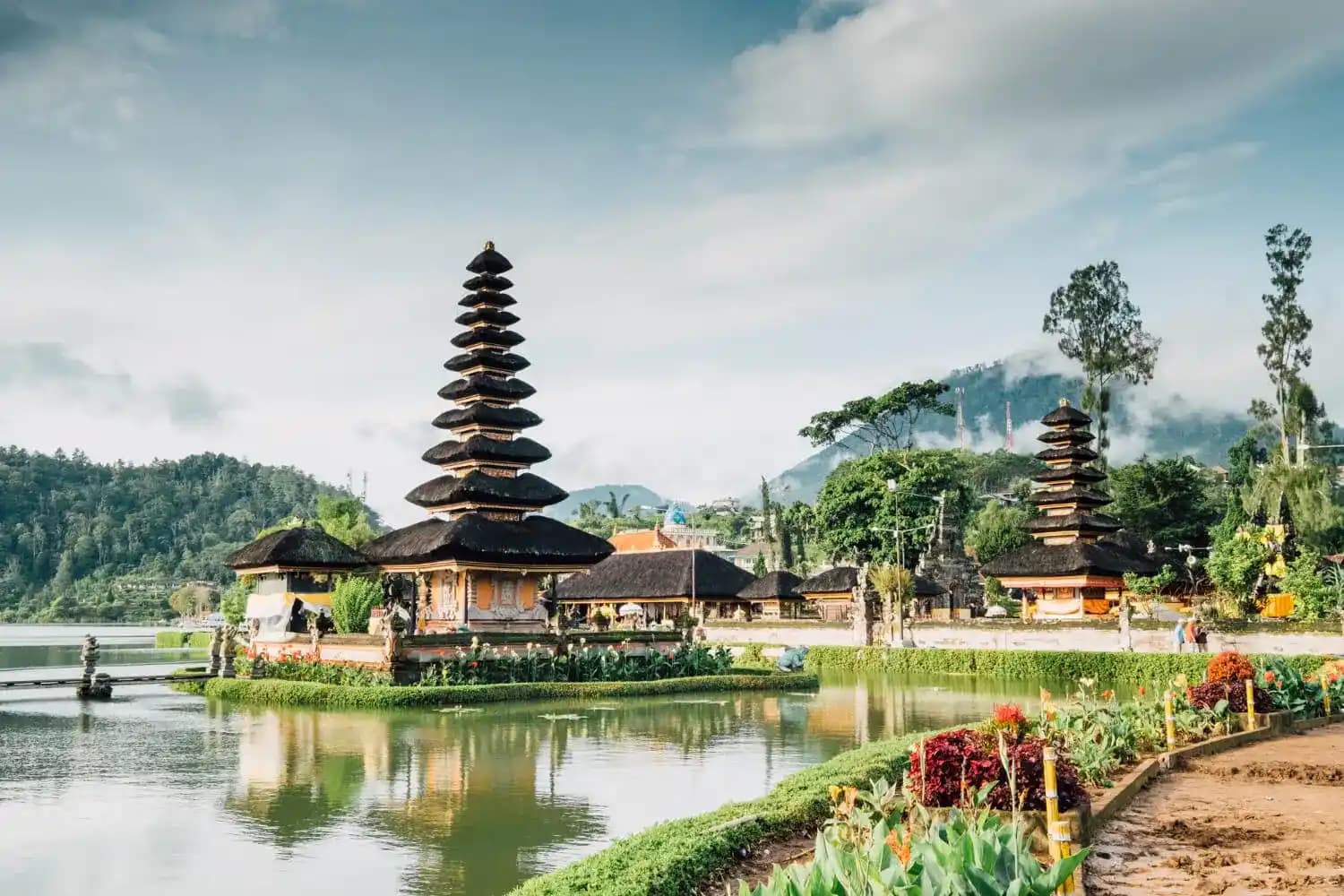

Explore Khajuraho: Top India Travel & Tours Guide in Asia
The Khajuraho Group of Monuments is a collection of Hindu and Jain temples located in Chhatarpur district of Madhya Pradesh, India, about 175 km southeast of Jhansi. The temples were built between 885 CE and 1000 CE by the Chandela dynasty and are famous for their Nagara-style architecture and erotic sculptures.
The monuments are divided into three groups - the Western, Eastern and Southern clusters. At its peak in the 12th century, the site had 85 temples spread over 20 square kilometers. Today, only about 25 temples remain, covering an area of 6 square kilometers. The largest and most famous temple is the Kandariya Mahadeva, decorated with 626 intricate sculptures.
The temples strike a balance between architecture and sculpture, with all surfaces profusely carved with anthropomorphic and non-anthropomorphic motifs depicting sacred and secular themes. The sculptures showcase the artistic mastery of the Chandela era, with delicate, youthful female forms known as 'sura-sundaris' winning universal admiration.
Population: Estimate 25,000 people (as of 2024)
Economy: Tourism is the backbone of Khajuraho's economy, significantly contributing to local livelihoods. The temples attract a large number of domestic and international visitors, making the city one of India's major tourist destinations. The rise in tourism has led to the development of various accommodations, from luxury hotels to budget options, catering to a wide range of travelers. This growth has created numerous job opportunities in hospitality and ancillary services, including guiding, transport, and local crafts.
Landmarks: Kandariya Mahadeva Temple, Lakshmana Temple, Vishvanatha Temple, Parsvanatha Temple, Adinatha Temple, Chitragupta Temple, Jagadambi Temple, Duladeo Temple

Overview of Khajuraho Group of Monuments
History & Cultural Influence
The Khajuraho Group of Monuments is a remarkable collection of Hindu and Jain temples that showcase the architectural and artistic brilliance of the Chandela dynasty, which ruled central India from the 9th to 12th centuries CE. These temples, built between 885 CE and 1000 CE, have had a profound impact on the history and cultural identity of the region.
Chandela Dynasty: The Khajuraho temples were constructed during the peak of the Chandela dynasty's power, reflecting their wealth, patronage of the arts, and religious devotion. The temples were built about 35 miles from the Chandela capital of Mahoba, in the Kalinjar region.
Architectural Masterpieces: The temples are renowned for their Nagara-style architecture and intricate sculptures, which depict sacred and secular themes. The largest and most famous temple, Kandariya Mahadeva, is decorated with 626 sculptures showcasing the artistic mastery of the Chandela era.
Religious Tolerance: The Khajuraho temples were dedicated to both Hinduism and Jainism, suggesting a tradition of religious acceptance and respect among the Chandelas. This diversity is reflected in the temple sculptures and layout.
Artistic Legacy: The sculptures of Khajuraho, particularly the erotic carvings, have become iconic representations of Indian art and culture. They have inspired generations of artists and continue to fascinate visitors from around the world.
The Khajuraho Group of Monuments is a major tourist attraction, drawing visitors to the region and contributing significantly to the local economy. The temples were designated a UNESCO World Heritage site in 1986, further enhancing their global recognition and cultural significance.
Interaction with The Locals
The majority of the population in Khajuraho belongs to the Bundelkhandi ethnic group, which is native to the Bundelkhand region of central India. They have a distinct culture, language, and traditions. The town also has a significant presence of other ethnic groups, including Hindus from various parts of India, as well as a small Muslim population. The diversity is a result of the town's historical significance and its role as a major tourist destination. The locals in Khajuraho are generally very welcoming and friendly towards tourists. They are used to interacting with visitors from all over the world and are eager to share their culture and traditions.

Top attractions in Khajuraho Group of Monuments
Explore the mesmerizing Khajuraho Group of Monuments, a UNESCO World Heritage site renowned for its stunning temples adorned with intricate carvings that depict scenes of love, mythology, and daily life. These architectural marvels, built showcase the artistry and spiritual heritage of medieval India. A visit to Khajuraho offers a unique blend of history, art, and culture, making it an unforgettable destination for travelers.
Kandariya Mahadeva Temple
Location: Western Group of Temples, Khajuraho, Madhya Pradesh.
Kandariya Mahadeva Temple is the largest and most ornate temple in the Western Group, dedicated to Lord Shiva. It is renowned for its intricate carvings and sculptures depicting various deities, celestial nymphs, and erotic scenes.
Lakshmana Temple
Location: Western Group of Temples, Khajuraho, Madhya Pradesh.
Built in the 10th century, Lakshmana Temple is dedicated to Lord Vishnu and is celebrated for its exquisite sculptures and detailed architectural design. The temple features a stunning depiction of the divine couple, Lakshmi and Vishnu.
Vishwanatha Temple
Location: Vishwanath Gali, in Varanasi, Uttar Pradesh.
Another significant temple in the Western Group, Vishwanatha Temple is dedicated to Lord Shiva. It showcases beautiful carvings and a massive lingam (Shiva's symbolic representation) in its sanctum.
Parsvanatha Temple
Location: Eastern Group of Temples, Khajuraho, Madhya Pradesh.
The largest Jain temple in Khajuraho, Parsvanatha Temple, is dedicated to Lord Parsvanatha. It is known for its serene architecture and detailed carvings that reflect Jain beliefs and values.
Jain Museum
Location: Near the Eastern Group of Temples, Khajuraho, Madhya Pradesh.
The Jain Museum is dedicated to Jain art and culture, housing a collection of sculptures, artifacts, and manuscripts that illustrate the rich heritage of Jainism in the region.
Panna National Park
Location: Near Panna, Madhya Pradesh, approximately 25 km from Khajuraho.
Panna National Park is known for its diverse wildlife, including tigers, leopards, and various bird species. It offers opportunities for nature walks and wildlife spotting.
Raneh Falls
Location: About 20 km from Khajuraho, near the town of Raneh.
Raneh Falls is a picturesque waterfall known for its unique rock formations and scenic beauty. It is a popular spot for picnics and photography.

Must-Try Dishes in Khajuraho Group of Monuments
Delight your taste buds with the authentic flavors of Khajuraho by trying the rich and spicy Bundeli Gosht, a traditional mutton curry known for its robust spices and tender meat. Savor the unique taste of Korma, a creamy and aromatic dish made with a blend of local spices, yogurt, and nuts, offering a taste of the region's royal culinary heritage.
Dal Bafla
Dal Bafla is a traditional dish from the Bundelkhand region, featuring wheat dough balls that are boiled and then roasted over a fire, served with a rich lentil curry (dal) and ghee. This hearty meal is a staple in local cuisine, often enjoyed during festivals and special occasions, showcasing the region's agricultural roots.
Chaat
Chaat is a popular street food, offering a savory mix of boiled potatoes, chickpeas, yogurt, chutneys, and spices, topped with crispy sev (noodles). It embodies the vibrant street food culture of India, delivering a burst of flavors that locals and tourists alike can't resist.
Jalebi
Jalebi is a beloved sweet treat made from fermented batter, deep-fried into circular shapes, and soaked in sugar syrup. Crispy on the outside and syrupy on the inside, this dessert is a festive favorite, symbolizing joy and celebration in the local culture.
Chironji Barfi
Chironji Barfi is a traditional sweet made from chironji nuts, condensed milk, and sugar, often flavored with cardamom and garnished with nuts. This delicacy reflects the region's love for sweets and is a popular gift during festivals.
Ghol
Ghol is a unique dish made from dried fruits, ghee, and jaggery, typically prepared during festivals and special family gatherings. It highlights the use of local ingredients and traditional cooking methods, capturing the essence of Khajuraho's culinary heritage.
Paneer Tikka
Paneer Tikka is a vegetarian dish of marinated paneer cubes, skewered and grilled to perfection, often served with mint chutney. This dish is popular among all food lovers and represents the influence of North Indian cuisine in the region.

Festivals & Local Celebrations
Khajuraho Dance Festival
Time of Year: Annually from February 20 to February 26
The Khajuraho Dance Festival is a week-long celebration of classical Indian dance forms like Kathak, Bharatanatyam, Odissi, and Kuchipudi. Renowned dancers perform in front of the beautifully lit temples, creating a mesmerizing atmosphere. Visitors can enjoy free entry to these performances held in an open-air auditorium, offering a cultural experience enhanced by the stunning backdrop of ancient monuments.
Mahashivratri
Time of Year: February or March, depending on the lunar calendar
Mahashivratri is dedicated to Lord Shiva and celebrated with great devotion. Devotees gather at the Kandariya Mahadev Temple, where the lingam is adorned with flowers and special rituals are performed. Visitors can witness night-long prayers, hymns, and a festive atmosphere, offering a spiritually enriching experience as locals engage in devotional activities.
Vat Savitri Puja
Time of Year: May or June
Vat Savitri Puja holds significance for married women who fast for the well-being and longevity of their husbands. The town is festively decorated, and women participate in rituals, including tying a sacred thread around a banyan tree. Visitors can observe the local customs and vibrant community spirit during this auspicious occasion.
Diwali
Time of Year: October or November, depending on the lunar calendar
Diwali, the Festival of Lights, is celebrated with great enthusiasm in Khajuraho. The streets and temples are illuminated with diyas (oil lamps) and colorful rangoli designs. Visitors can immerse themselves in the festive atmosphere, enjoy local sweets, and witness fireworks, making it a joyful time to visit the town.
Holi
Time of Year: Usually celebrated in March
Holi, the festival of colors, is celebrated with vibrant enthusiasm in Khajuraho. Locals and visitors alike participate in throwing colored powders and water at each other, with the atmosphere filled with music, dance, and festive cheer. This celebration provides a unique cultural experience for travelers eager to engage with local traditions.

Weather in Khajuraho Group of Monuments: Best Time to Visit
The Khajuraho Group of Monuments, located in the Chhatarpur district of Madhya Pradesh, India, experiences an extreme tropical climate with hot summers and mild winters.
Temperature
Khajuraho experiences significant seasonal temperature changes throughout the year.
- Summer (April to June): The weather can be extremely hot, with temperatures soaring up to 47°C (116.6°F). Daytime highs typically range between 32-34°C (90-93°F), making it a challenging time for outdoor activities.
- Monsoon (July to September): The monsoon season brings slightly cooler temperatures, with averages around 31-33°C (88-91°F), though the region does not receive heavy rainfall.
- Winter (November to February): Winters in Khajuraho are pleasant and cool, with nighttime lows dipping to 4°C (39.2°F) and daytime temperatures ranging from 29-33°C (84-91°F), offering comfortable weather for exploring.
Rainfall
Khajuraho is generally a dry region with minimal rainfall throughout the year. The monsoon season brings some showers in June and July, but the rain is typically light, and the rest of the year experiences very little precipitation.
Best Time to Visit
The ideal time to visit Khajuraho is between November and March, when the weather is mild and comfortable. During these months, temperatures range from 4-33°C (39-91°F), and rainfall is minimal, creating perfect conditions for exploring the city's famous temples and outdoor attractions.

Culture Etiquette in Khajuraho Group of Monuments
Dress Modestly
You are encouraged to dress conservatively, especially when entering temples. Wearing clothing that covers your shoulders and knees shows respect for the religious significance of the sites and aligns with local customs.
Respect Sacred Spaces
Temples in Khajuraho are active places of worship, and maintaining a respectful demeanor is essential. Speak softly, avoid loud conversations, and refrain from disruptive behavior. Photography may be restricted in certain areas, so it’s crucial to look for signs and ask for permission when in doubt.
Remove Shoes
Before entering temple premises, you must remove your shoes. Designated areas for shoe storage are provided, and following this practice helps maintain the sanctity of these sacred spaces.
Engage with Locals Respectfully
The local population in Khajuraho is generally friendly and welcoming. When interacting with locals, it’s important to be polite and respectful. Engaging in conversations about their culture and traditions can be rewarding, but it’s advisable to avoid sensitive topics such as politics or religion unless initiated by them.
Participate in Rituals with Care
If you are invited to participate in local rituals or ceremonies, do so with respect and understanding. Observing the customs and following the lead of locals can enhance your experience, but asking questions if unsure about the process is recommended.
Photography Etiquette
While the intricate sculptures and architecture are captivating, it’s essential to ask for permission before photographing people, especially children. Some locals may have specific preferences regarding photography, so being considerate is key.
Support Local Artisans
Khajuraho is renowned for its handicrafts and local art. You are encouraged to purchase souvenirs from local artisans rather than mass-produced items. This not only supports the local economy but also helps preserve traditional crafts.

Essential Travel Information
Getting to Khajuraho
By Air
- Khajuraho Airport (HJR) is located just 3 km from the monuments. It has regular flights from major Indian cities like Delhi, Mumbai, Varanasi, and Bhopal.
- Nearest International Airport: Varanasi Airport (VNS), about 390 km from Khajuraho. Flights from here connect to major international hubs.
By Train
Khajuraho Railway Station is located 9 km from the monuments. It has rail connectivity to cities like Delhi, Agra, and Varanasi.
By Road
- Khajuraho is well-connected by road from major cities in Madhya Pradesh and neighboring states. Regular bus services are available.
- Taxis and cabs can be hired for private transfers from nearby cities and airports.
Getting Around Khajuraho
- The Khajuraho Group of Monuments is spread over an area of about 6 sq km. The three main temple groups - Western, Eastern and Southern - are within walking distance of each other.
- Auto-rickshaws and taxis are readily available for short distances within the town. Fares are reasonable and can be negotiated.
- Bicycle rentals are a fun way to explore the monuments and surrounding areas at your own pace.
- Guided tours by car or bus are offered by travel companies for those who prefer a more organized experience.
- Within the monument complex, electric golf carts are available for those who need assistance getting around.
ATM and Banking Services
- ATMs: Khajuraho has several ATMs located throughout the town, making it easy for visitors to withdraw cash. Major banks such as State Bank of India, HDFC Bank, and Axis Bank have ATMs available.
- Banking Facilities: There are a few local banks in Khajuraho where travelers can exchange currency and access other banking services. However, it’s advisable to carry sufficient cash, especially when visiting remote areas or smaller shops, as not all establishments may accept credit or debit cards.
- Currency Exchange: Currency exchange services are available at some hotels and travel agencies, but it’s recommended to exchange currency at major banks or airports for better rates.
Accommodation Choices
Khajuraho offers a range of accommodation options to suit various budgets and preferences:
Luxury Hotels
- The Lalit Temple View Khajuraho: A five-star hotel offering luxurious amenities, stunning views of the temples, and fine dining options.
- Radisson Jass Hotel Khajuraho: Another upscale option featuring modern comforts, a swimming pool, and proximity to the monuments.
Mid-Range Hotels
- Hotel Chandela: A well-known hotel that provides comfortable rooms and is conveniently located near the temple complex.
- Hotel Khajuraho: Offers a blend of comfort and affordability, with easy access to local attractions.
Budget Accommodations
- Zostel Khajuraho: A popular choice among backpackers, this hostel offers dormitory-style accommodations and a vibrant social atmosphere.
- Hotel Harmony: An economical option that provides basic amenities and is located close to the temples.
Articles for you

Explore Agra: Top India Travel Destinations in Asia
Agra, the city of the iconic Taj Mahal, is a historic gem in northern India, situated on the banks of the Yamuna River. This former capital of the Mughal Empire is renowned for its magnificent architectural marvels, approximately 206 kilometers south of New Delhi.
With it's rich cultural heritage, vibrant markets, and delectable cuisine, particularly the famous Mughlai dishes and sweets like petha, make it a must-visit destination for travelers seeking a glimpse into India's glorious past and a taste of its diverse flavors.
Population: Estimate 2,300,000 people (as of 2024)
Economy: Agra is a diverse economy that heavily relies on tourism, manufacturing, and agriculture. The city is a major tourist hub, attracting around 9.5 million visitors annually, primarily due to iconic landmarks like the Taj Mahal and Agra Fort, which significantly contribute to the local economy.
Approximately 40% of the population is engaged in agriculture, while the city is also renowned for its leather industry, producing over 150,000 pairs of shoes daily, making it one of the largest shoe manufacturing centers in India.
Landmarks: Taj Mahal, Agra Fort, Fatehpur Sikri, Itimad-ud-Daula's Tomb (Baby Taj), Jama Masjid, Chini Ka Rauza, Akbar's Tomb

Explore Jodhpur: Top India Travel & Tweet Tours Guide
Jodhpur, located in the western Indian state of Rajasthan, is known as the "Blue City" for its distinctive blue-painted houses that surround the majestic Mehrangarh Fort. Founded in 1459 by Rao Jodha, the city serves as the administrative headquarters of the Jodhpur district, it is the second-largest city in the state.
Jodhpur's unique charm lies in its rich history, with stunning landmarks such as the Umaid Bhawan Palace, a blend of art deco and Indo-Saracenic architecture, and the vibrant bazaars that offer a glimpse into local handicrafts and textiles. The city's strategic location near the Thar Desert makes it a popular base for travelers exploring Rajasthan, while its warm, sunny climate has earned it the nickname "Sun City." Visitors are drawn to Jodhpur not only for its historical significance and architectural beauty but also for its delicious local cuisine, including dishes like dal baati churma and gatte ki sabzi, which reflect the culinary traditions of the region.
Population: Estimate 1,600,000 people (as of 2024)
Economy: Jodhpur is an thriving economy based on agriculture, handicrafts, industry, and tourism. Jodhpur district has a significant agricultural sector, with around 60% of the total land area under cultivation. Tourism is also a key economic driver, with Jodhpur known for its heritage hotels and historic attractions like Mehrangarh Fort and Umaid Bhawan Palace.
The city's nickname also come with "Blue City" and its desert setting make it a popular tourist destination.
Landmarks: Mehrangarh Fort, Umaid Bhawan Palace, Jaswant Thada, Clock Tower (Ghanta Ghar), Toorji Ka Jhalra (Toorji's Step Well), Mahamandir Temple, Rao Jodha Desert Rock Park

Explore Jaipur: Top India Travel & Tweet Tours Guide
Jaipur, the capital of Rajasthan, is a vibrant city known as the "Pink City" for its distinctive rose-colored buildings. Founded in 1727 by Maharaja Sawai Jai Singh II, Located in the northeastern part of Rajasthan, approximately 268 kilometers (167 miles) from New Delhi. The city is situated at an altitude of 431 meters (1,417 feet) above sea level and is surrounded by the Aravalli hills, providing a picturesque backdrop. The city covers an area of about 467 square kilometers (180 square miles) and is strategically positioned near the Thar Desert. Jaipur's rich cultural heritage, stunning architecture, and colorful festivals make it a popular tourist destination, often visited as part of the Golden Triangle circuit along with Delhi and Agra. Travelers can immerse themselves in the city's art, crafts, and cuisine, from intricate jewelry to delectable dishes like dal-baati-churma and pyaaz kachori.
Population: Approximately 4.300.000 people as of 2024.
Economy: Jaipur's economy is diverse and vibrant, driven primarily by tourism, gemstone cutting, and the manufacture of jewelry and luxury textiles. The city is a significant hub for arts and crafts, with a thriving market for handicrafts, textiles, and traditional Rajasthani goods, attracting both domestic and international tourists.
Attractions: Amer Fort, City Palace, Hawa Mahal, Jal Mahal, Nahargarh Fort, Jaigarh Fort, Jantar Mantar

Explore Jaisalmer: Top India Travel Destinations in Asia
Jaisalmer, often referred to as the "Golden City," is located in the westernmost part of Rajasthan, India, amidst the vast Thar Desert. Jaisalmer is renowned for its stunning yellow sandstone architecture, which gives the city its golden hue, particularly visible in landmarks like the Jaisalmer Fort (Sonar Qila). This fort is not only a UNESCO World Heritage site but also a living fort, housing shops, hotels, and residences. The city is unique for its intricate havelis, such as Patwon Ki Haveli, and its vibrant desert culture, including traditional music and dance. Visitors are attracted to Jaisalmer for its breathtaking desert landscapes, camel safaris, and the annual Desert Festival, which showcases local arts and crafts. The city's blend of history, culture, and natural beauty makes it a captivating destination for travelers.
Population: Estimate 80,000 people (as of 2024)
Economy: Primarily driven by tourism, which has seen significant growth in recent years due to its unique desert landscape and rich cultural heritage. The tourism sector not only attracts domestic visitors but also a substantial number of international tourists, contributing significantly to local revenue.
The city also famous for its intricate handicrafts, including embroidered textiles, leather goods, and traditional jewelry.
Landmarks: Jaisalmer Fort, Patwon Ki Haveli, Salim Singh Ki Haveli, Nathmal Ki Haveli, Gadisar Lake, Thar Heritage Museum, Desert National Park


Our Best-Selling Tours
Follow Us