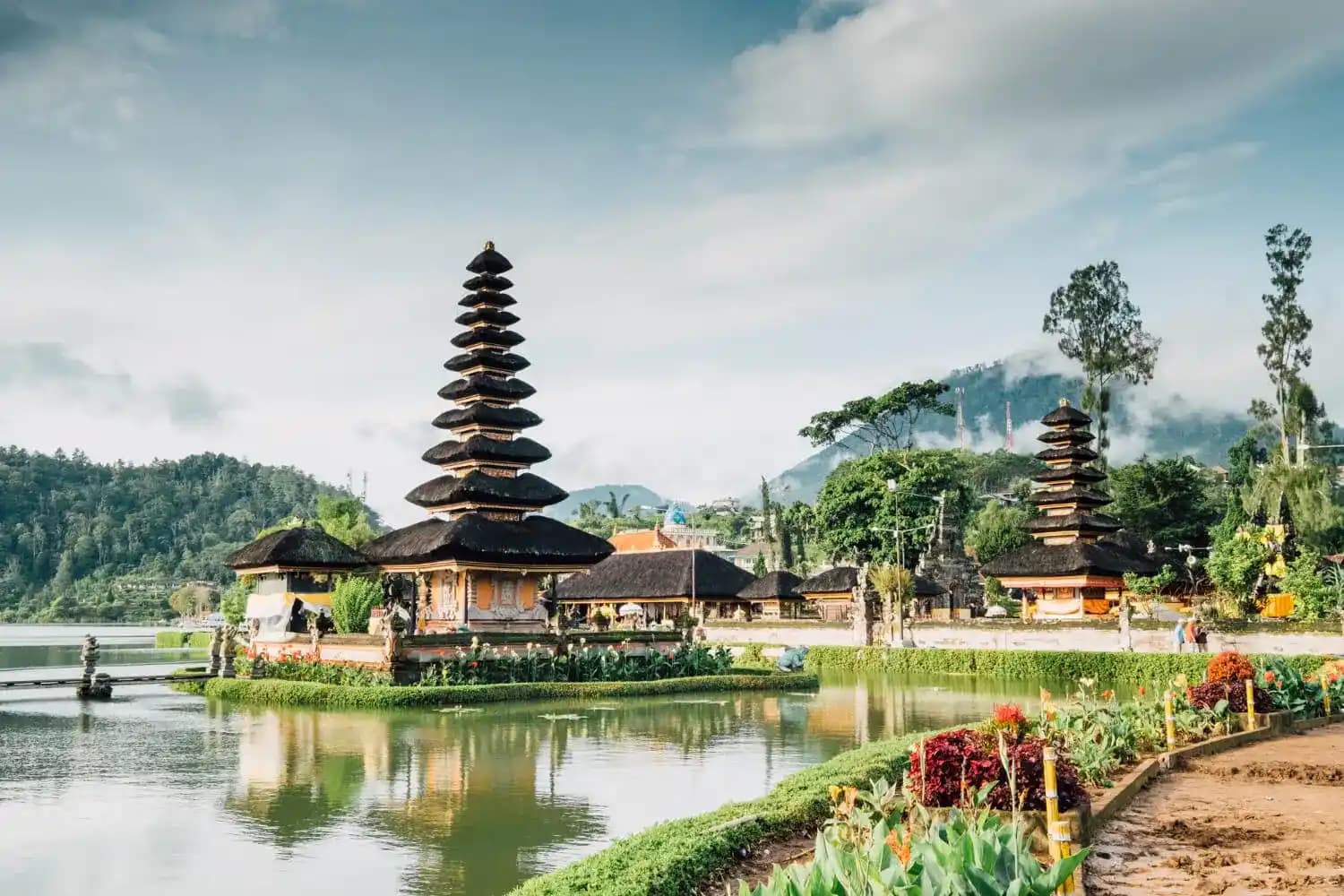

Explore Kinabatangan - Malaysia Travel, Asia
Hidden deep in the heart of Sabah, Malaysian Borneo, the Kinabatangan River winds through lush rainforests and thriving wetlands. Known as one of the best places in Asia for spotting wildlife, Kinabatangan draws eco-travelers, birdwatchers, and culture seekers alike. But Kinabatangan is more than a wildlife haven. It is also home to the Orang Sungai, or “River People,” whose traditions remain closely tied to the river. A journey here offers travelers not just a glimpse of Borneo’s biodiversity, but also a chance to connect with a living culture.
Population: Approximately 16,000 in 2020.
Economy: Kinabatangan’s economy is closely tied to its natural resources and fertile lands. The region relies heavily on agriculture, with palm oil plantations being a major contributor. Fishing and small-scale farming support local livelihoods, while eco-tourism has grown rapidly, thanks to the Kinabatangan River’s rich biodiversity.
Landmarks: Famous for the Kinabatangan River Safari, Gomantong Caves, and the Ox-Bow Lakes.

Overview of Kinabatangan
History & Cultural Influence
The story of Kinabatangan begins with the river itself. For centuries, it has served as the lifeline for the Orang Sungai communities, shaping their livelihood through fishing, farming, and river trade. Boats carved from local wood once carried sago, rattan, and forest goods downstream to trading posts along the coast.
Colonial times brought new influences, as British traders and plantation owners opened routes deeper into Sabah. Yet despite this, the Orang Sungai preserved their customs, weaving bamboo baskets, crafting fishing tools, and passing down oral histories. Today, the rise of eco-tourism and conservation projects has reshaped Kinabatangan once more. Tourism not only protects endangered species but also sustains the culture of river communities.
Interaction with the Locals
One of the most rewarding parts of visiting Kinabatangan is the chance to meet the Orang Sungai. Many villages open their homes to travelers through community-based homestays. Guests may learn how to cast a fishing net, cook traditional river fish, or weave mats from palm leaves. Visitors also have the chance to support local conservation efforts. Many villagers work as guides, boatmen, or rangers, protecting the very forests and rivers that sustain both wildlife and their community.

Top Attractions in Kinabatangan
Kinabatangan River Safari
The highlight of any trip is a river cruise along the Kinabatangan. At sunrise and sunset, the river comes alive. Proboscis monkeys swing from mangrove branches, families of Bornean pygmy elephants graze by the water’s edge, and wild orangutans build nests high in the treetops. Birdwatchers can spot hornbills, kingfishers, and the rare storm stork. A river safari is the best way to witness Borneo’s biodiversity up close.
Gomantong Caves
A short trip from the river brings travelers to the famous Gomantong Caves, part of the larger Sabah cave system. These limestone caverns are known for their edible swiftlet nests, a delicacy prized across Asia. During the day, thousands of bats hang from the ceilings. As dusk falls, they swarm into the sky, creating a breathtaking spectacle. The caves are not only a natural wonder but also a window into centuries-old traditions of bird’s nest harvesting.
Ox-Bow Lakes
Scattered along the river, the ox-bow lakes are peaceful backwaters formed by the river’s winding curves. These quiet lagoons are prime spots for birdwatching. Travelers often see herons, egrets, and Oriental darters. Some tours also offer gentle canoe trips through these hidden corners of the forest, where the sounds of cicadas and the ripple of water create a serene atmosphere.
Sukau and Abai Villages
For those wanting a mix of wildlife and culture, a visit to Sukau or Abai village is a must. These settlements along the river act as gateways to nature lodges and conservation areas. Visitors can explore boardwalks through swamp forests, join tree-planting projects, and enjoy warm local hospitality.

Must-Try Dishes in Kinabatangan
- Freshwater Fish Specialties: The Kinabatangan River is rich with freshwater fish. Locals prepare them grilled (ikan bakar), steamed with herbs, or in spicy soups. River prawns, served stir-fried with garlic or chili, are another must-try. These dishes often come with fragrant rice and seasonal vegetables gathered from nearby forests.
- Hinava: No visit is complete without tasting hinava, a signature dish of Sabah’s Kadazan-Dusun community. Made with raw fish marinated in lime juice, ginger, chili, and shallots, it is refreshing and zesty.
- Bambangan: Unique to Sabah, bambangan is a type of wild mango preserved with salt and grated seeds. Its tangy-sweet flavor pairs perfectly with rice and grilled meats.
- Jungle Vegetables and Wild Ferns: From the rainforest to the plate, ulam (wild greens) and paku pakis (fern shoots) bring a taste of the jungle. Stir-fried with garlic or cooked in coconut milk, these dishes are healthy and earthy.
- Tuhau: A distinctly Sabahan delicacy, tuhau is made from wild ginger stems, finely chopped and mixed with lime juice, chili, and salt. Its strong aroma and tangy bite make it a must-try for adventurous eaters.
- Nasi Linopot: A traditional Kadazan-Dusun dish, nasi linopot is rice wrapped in dahon tarap or banana leaves. Sometimes it’s mixed with sweet potato or yams.
- Butod: For the brave, butod (sago grub) is the ultimate Bornean delicacy. Often eaten raw, fried, or cooked with soy sauce, these worms are rich in protein.
- Bosou: Bosou is a preserved dish made from freshwater fish mixed with rice, salt, and wild herbs, then left to ferment. Its sour, savory flavor is similar to pickled fish and pairs well with rice.
- Fruits and Kuih: The tropics offer an abundance of fruits. Rambutan, langsat, and tarap are seasonal favorites. For desserts, try kuih cincin (ring-shaped palm sugar cookies), kuih penjaram (crispy rice pancakes), or glutinous rice cakes wrapped in banana leaves.

Festivals & Local Celebrations
Pesta Kaamatan – Harvest Festival
Held every May, Pesta Kaamatan is Sabah’s grandest celebration. Known as the Harvest Festival, it honors the rice spirit and marks gratitude for a bountiful harvest. Villages across Kinabatangan come alive with traditional dances, bamboo music, and beauty pageants like Unduk Ngadau, where women showcase cultural dress and grace. Visitors are welcome to share in rice wine (tapai), local food, and joyful performances.
Hari Raya Aidilfitri
Kinabatangan is home to many Muslim families. During Hari Raya Aidilfitri, marking the end of Ramadan, villages glow with colorful decorations. Locals host open houses, inviting guests to enjoy sweet treats like kuih raya (festive cookies), beef rendang, and lemang (sticky rice cooked in bamboo). Travelers lucky enough to visit during this period experience genuine hospitality.
Tadau Kaamatan
Smaller villages in Kinabatangan also hold their own versions of the harvest festival. At community homestays, guests may witness ritual ceremonies, traditional games like sumazau dance competitions, and storytelling by village elders. These intimate celebrations highlight the Orang Sungai’s close ties to the land and river.
Gawai Dayak
Although more prominent in Sarawak, Gawai Dayak is also observed in parts of Sabah by the Dayak community. It is a Thanksgiving celebration with rituals, dancing, and traditional foods like tuak (rice wine). Kinabatangan’s cultural blend allows travelers to sometimes witness this cross-Bornean heritage.

What to Do in Kinabatangan
- Wildlife River Cruises: The most popular activity is the Kinabatangan River cruise. Morning and evening trips reveal a living zoo along the banks. Visitors often spot proboscis monkeys, orangutans, Bornean pygmy elephants, crocodiles, and a rainbow of birds. Sunset cruises are especially magical, with golden skies reflecting on the water.
- Jungle Trekking & Night Walks: Guided treks take travelers deep into the rainforest. During the day, you’ll see towering dipterocarp trees, medicinal plants, and jungle insects. At night, the forest changes—frogs, tarantulas, and nocturnal birds come alive. These walks are thrilling for adventurous travelers seeking to experience the Borneo jungle after dark.
- Birdwatching Tours: With over 200 bird species, Kinabatangan is a paradise for bird enthusiasts. Rare sightings include the storm’s stork, Oriental darter, and eight species of hornbill. Birdwatching tours often explore ox-bow lakes and hidden forest trails for the best sightings.
- Cultural Village Visits: Travelers can step into the lives of the Orang Sungai through village tours. Activities include fishing demonstrations, handicraft workshops, and learning traditional dances. These visits highlight the deep connection between the community and the river.
- Conservation Activities: Many eco-lodges and NGOs offer programs where visitors can plant trees, join river cleanups, or learn about orangutan protection. These activities give travelers a sense of purpose while directly contributing to conservation.
Shopping in Kinabatangan
- Local Handicrafts: The Orang Sungai are skilled in weaving and wood carving. Visitors can find rattan baskets, bamboo mats, bead jewelry, and hand-carved ornaments. These items make meaningful souvenirs while supporting local artisans.
- Eco-Friendly Souvenirs: Some conservation groups sell products made from recycled or natural materials. These include tote bags, t-shirts, and artwork that promote wildlife protection. Buying them helps fund ongoing conservation projects.
- Local Snacks & Productions: Small village shops and markets often sell dried anchovies, salted fish, jungle honey, and local coffee. These flavors of Sabah are easy to pack and share with friends back home.
- Markets in Sandakan: While Kinabatangan villages have limited shopping, the nearby town of Sandakan offers lively markets. Travelers can shop for spices, tropical fruits, batik fabrics, and pearls before or after their river trip.

Weather in Kinabatangan: Best Time to Visit
Average daily temperatures range between 23°C to 32°C (73°F – 90°F) and the level of humidity is consistently high, around 80–90%.
Dry Season in Kinabatangan(April to September)
This is considered the best time to visit Sepilok. Rain is lighter, trails are easier to walk, and wildlife viewing is excellent. Birdwatching at the Rainforest Discovery Centre is especially rewarding during these months.
Wet Season in Kinabatangan (October to March)
The monsoon season brings heavier rainfall, especially from November to January. While some trails may be muddy or flooded, the landscape becomes vibrantly green and full of life. Fewer tourists mean quieter lodges and more intimate wildlife encounters.

Essential Travel Information
Getting Around Kinabatangan
- By Air: The nearest airport is Sandakan Airport, located about 2 hours away by road. Domestic flights from Kota Kinabalu, Kuala Lumpur, and other Malaysian cities are available daily.
- By Road: Travelers can hire a private car, taxi, or shared van from Sandakan or Lahad Datu to Kinabatangan. The drive offers scenic views of palm oil plantations and rural villages.
- River Transport: Once in Kinabatangan, boats are the main way to explore the area. River cruises are widely available and provide access to wildlife lodges, homestays, and top attractions along the Kinabatangan River.
- Public Buses: Budget travelers may opt for long-distance buses that connect Sandakan to small towns near the Kinabatangan area, though schedules can be limited.
ATM & Banking Services
Travelers heading to Kinabatangan should be prepared for limited banking infrastructure. Since the region is focused on eco-tourism and remote river lodges, cash remains the primary form of payment. There are no ATMs in the villages or within most wildlife lodges along the Kinabatangan River. The nearest reliable ATMs are located in Sandakan City and Lahad Datu.
Where to Stay in Kinabatangan
- Eco-Lodges Along the River: These are the most popular options for travelers. Eco-lodges are typically built on stilts and designed to blend with the forest surroundings. Many offer full-board packages that include river cruises, jungle treks, and wildlife tours.
- Homestays: For a cultural experience, stay with a local Orang Sungai family. These homestays are modest but provide authentic hospitality and insight into daily river life. Activities may include fishing, cooking local meals, and storytelling sessions.
- Guesthouses: Budget travelers can find guesthouses and basic inns in the towns near the Kinabatangan area. These offer essential comforts and serve as launchpads for day tours and transfers.
Articles for you

Explore Cameron Highlands - Malaysia Travel, Asia
Perched in the state of Pahang, Malaysia, the Cameron Highlands is a highland retreat famed for its tea plantations, strawberry farms, and cool mountain air. Often called the Green Jewel of Malaysia, this destination blends colonial charm with natural beauty, making it a favorite among both domestic travelers and international visitors. With rolling hills, lush forests, and Tudor-style cottages, Cameron Highlands offers a unique escape from the tropical heat of Kuala Lumpur or Penang.
Population: Approximately 43,000 in 2019.
Economy: Cameron Highlands’ economy is primarily driven by agriculture, tourism, and retail trade. The region is one of Malaysia’s most important suppliers of vegetables, tea, and flowers, with farms exporting produce nationwide and abroad. Tourism also plays a significant role, with visitors supporting local businesses, markets, and hospitality services.
Landmarks: Famous for the Boh Tea Plantation, Mossy Forest at Gunung Brinchang, and Lavender Garden & Butterfly Farm.

Explore Sukau - Malaysia Travel, Asia
Nestled on the banks of the Kinabatangan River in Sabah, Malaysian Borneo, Sukau is a destination where wildlife, culture, and conservation come together. Known as one of Asia’s top spots for river safaris and eco-tourism, this quiet village offers a front-row seat to encounters with Bornean orangutans, pygmy elephants, proboscis monkeys, and exotic birdlife.
Population: Approximately 1,400 in 2019.
Economy: Sukau’s economy is shaped by its riverine location and natural resources. Traditionally, the Orang Sungai community relied on fishing, small-scale farming, and forest gathering for their livelihood. Today, the village has shifted toward eco-tourism, with river cruises, jungle trekking, and homestays providing income.
Landmarks: Famous for the Kinabatangan River cruises, Gomantong Caves, and Ox-bow lakes and wetlands.

Explore Penang - Malaysia Travel, Asia
Penang, Malaysia’s famed “Pearl of the Orient,” is where heritage, flavors, and coastal beauty meet. This island state blends centuries of history with a vibrant present, creating a destination that charms both first-time visitors and returning travelers. From the UNESCO-listed streets of George Town to golden beaches, bustling night markets, and a street food culture celebrated worldwide, Penang offers a journey through time, taste, and tradition.
Population: Approximately 1.77 million in 2020.
Economy: Penang’s economy is driven by electronics manufacturing, shipping, and trade, earning the nickname “Silicon Valley of the East.” The state is also a thriving hub for tourism. Beyond industry and tourism, Penang has a growing services sector, including finance, healthcare, and education, making it a well-rounded and resilient economy.
Landmarks: Famous for the Kek Lok Si Temple, Penang Hill, and the Penang National Park.

Explore Sepilok - Malaysia Travel, Asia
Tucked away in the heart of Sabah, Malaysian Borneo, Sepilok is a paradise for eco-travelers. This small settlement, only 25 kilometers from Sandakan, has become world-famous for its Sepilok Orangutan Rehabilitation Centre. Here, visitors can witness endangered orangutans learning to live wild again. Beyond the orangutans, Sepilok offers rich rainforest landscapes, diverse wildlife, and a strong commitment to eco-tourism.
Population: Sepilok is a small town. The population here is not documented.
Economy: Sepilok’s economy thrives mainly on eco-tourism and conservation efforts. Beyond tourism, the surrounding region supports agriculture, particularly palm oil plantations and small-scale farming.
Landmarks: Famous for the Sepilok Orangutan Rehabilitation Centre, Bornean Sun Bear Conservation Centre, and the Rainforest Discovery Centre (RDC).


Our Best-Selling Tours
Follow Us