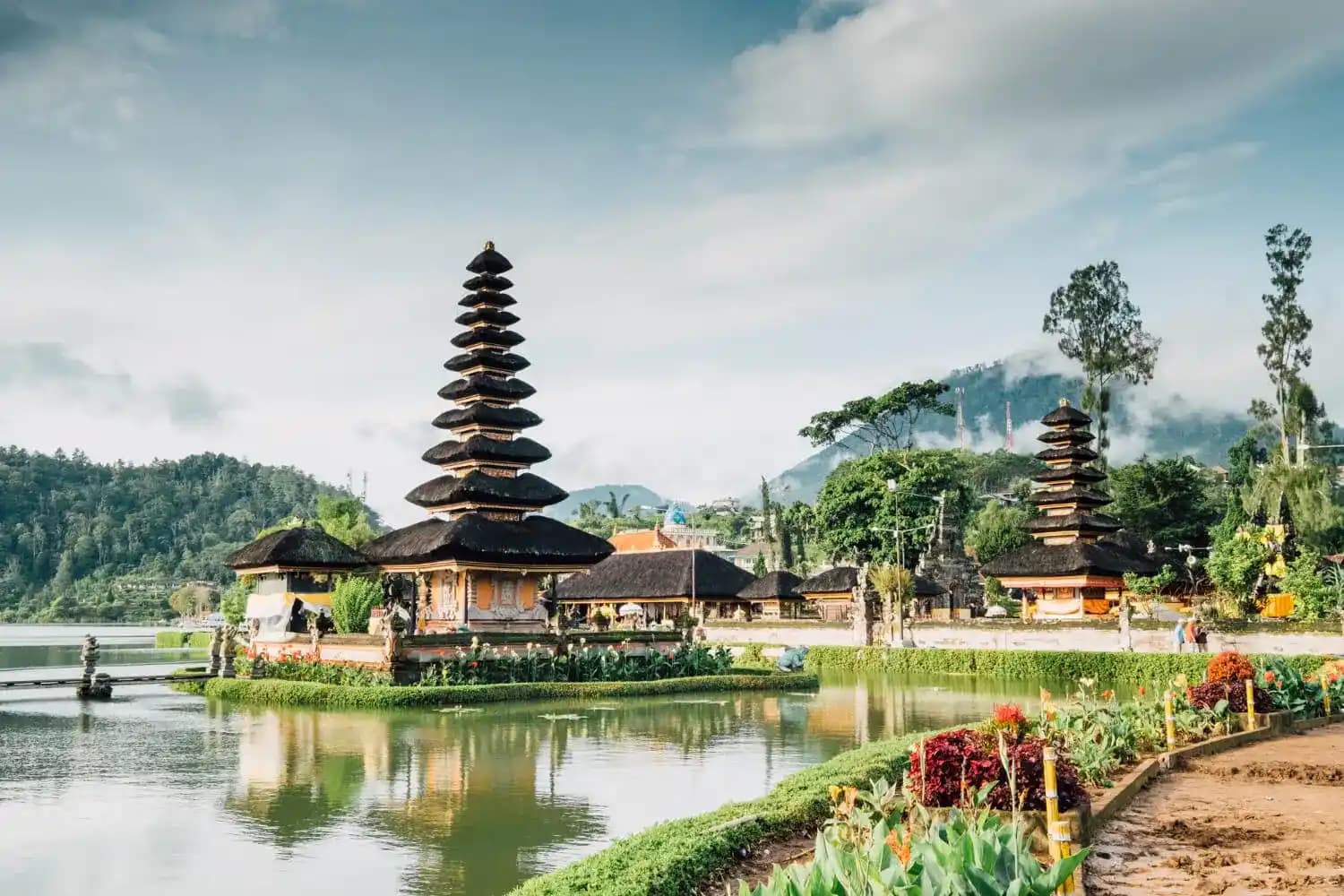

Explore Penang - Malaysia Travel, Asia
Penang, Malaysia’s famed “Pearl of the Orient,” is where heritage, flavors, and coastal beauty meet. This island state blends centuries of history with a vibrant present, creating a destination that charms both first-time visitors and returning travelers. From the UNESCO-listed streets of George Town to golden beaches, bustling night markets, and a street food culture celebrated worldwide, Penang offers a journey through time, taste, and tradition.
Population: Approximately 1.77 million in 2020.
Economy: Penang’s economy is driven by electronics manufacturing, shipping, and trade, earning the nickname “Silicon Valley of the East.” The state is also a thriving hub for tourism. Beyond industry and tourism, Penang has a growing services sector, including finance, healthcare, and education, making it a well-rounded and resilient economy.
Landmarks: Famous for the Kek Lok Si Temple, Penang Hill, and the Penang National Park.

Overview of Penang
History & Cultural Influence
Penang’s story is a tapestry woven from Malay roots, Chinese migration, Indian trade, and European colonization. Founded as a British trading post in 1786, George Town quickly grew into a bustling port linking Southeast Asia to the world. Merchants from China, India, Arabia, and Europe left their mark on the island’s culture, architecture, and cuisine.
The historic center of George Town, now a UNESCO World Heritage Site, reflects this multicultural past. Colonial mansions stand beside Chinese clan houses, while ornate temples share the skyline with mosques and churches. Streets carry names in Malay, English, and Chinese, echoing the coexistence of communities.
Interaction with the Locals
Penangites are known for their warmth and easygoing charm. Strike up a conversation at a kopitiam (traditional coffee shop), and you’ll often be met with a smile and a story. Locals take pride in their heritage, eager to share recommendations on the best laksa stall or hidden street art corner. Joining a cooking class, attending a Hokkien opera during a temple celebration, or visiting a family-run spice shop can turn sightseeing into cultural immersion.

Top Attractions in Penang
George Town Street Art
The historic streets of George Town double as an open-air gallery. Murals by Lithuanian artist Ernest Zacharevic and local talents turn walls into storytelling canvases. From the iconic Kids on Bicycle to playful steel-rod sculptures, each piece reflects Penang’s culture and humor. Bring your camera, as this is one of the most photographed areas on the island.
Kek Lok Si Temple
Crowning the hills of Air Itam, Kek Lok Si is one of Southeast Asia’s largest Buddhist temples. Its seven-tier Pagoda of Rama VI blends Chinese, Thai, and Burmese design. Lantern-filled courtyards and the towering bronze statue of the Goddess of Mercy create a serene yet awe-inspiring atmosphere.
Penang Hill
A cool escape from the city heat, Penang Hill offers panoramic views of George Town, the mainland, and the Straits of Malacca. Ride the funicular railway through lush rainforest, then enjoy colonial-style bungalows, gardens, and nature trails at the summit.
Penang National Park
On the island’s northwest tip lies Penang National Park, one of the world’s smallest yet most diverse nature reserves. Trails lead to secluded beaches, such as Monkey Beach and Kerachut Beach, where a rare meromictic lake appears seasonally. Birdwatchers and nature lovers will feel right at home.

Must-Try Dishes in Penang
- Char Kway Teow: This smoky stir-fry of flat rice noodles, prawns, cockles, Chinese sausage, and bean sprouts is cooked over high heat for a charred, caramelized flavor known as wok hei. Often served on banana leaves at street stalls in George Town and Lorong Selamat.
- Penang Assam Laksa: A bold, sour fish-based noodle soup made with mackerel, tamarind, torch ginger, and mint. Its intense flavors are balanced with a drizzle of shrimp paste (heh ko). The version from Air Itam Market is a local favorite.
- Nasi Kandar: A dish born from Indian Muslim heritage. It features steamed rice topped with a medley of thick curries, fried chicken, beef rendang, okra, and hard-boiled eggs.
- Hokkien Mee (Prawn Noodle Soup): This comforting bowl blends prawn and pork broth with yellow noodles, prawns, egg, kangkung, and sambal. Rich, aromatic, and perfect for breakfast or a light dinner.
- Cendol: A traditional dessert of shaved ice topped with green pandan jelly, red beans, coconut milk, and gula Melaka (palm sugar syrup). A bowl of Penang Road Famous Teochew Chendul is a must on a hot day.
- Rojak: A sweet-spicy fruit and vegetable salad. Pineapple, cucumber, jicama, and fried tofu are tossed in a sticky black shrimp paste dressing with crushed peanuts. It's messy, bold, and addictive.
- Penang Roti Canai: Crispy on the outside, soft and flaky inside, this Indian-inspired flatbread is served with dhal or curry. It's a local breakfast staple, often enjoyed with a teh tarik (pulled milk tea).
- Lor Bak: A Chinese-style meat roll made from marinated pork wrapped in bean curd skin and deep-fried until golden. Served with a side of chili sauce and thick starchy gravy (lor).

Festivals & Local Celebrations
George Town Festival
Held every August, this month-long arts and culture festival celebrates creativity in all forms: music, theatre, photography, dance, and street performance. It transforms George Town into a dynamic stage, drawing both local talents and international acts.
Don’t miss: Public art installations, cultural workshops, and pop-up exhibitions in heritage buildings.
Chinese New Year
In January or February, Penang lights up with fireworks, lion dances, and red lanterns. Temples overflow with offerings and blessings. The Penang Chinese New Year Celebration (Miao Hui) in George Town is the highlight, turning heritage streets into festive zones filled with traditional games, food stalls, and live performances.
Thaipusam
One of Malaysia’s most visually striking festivals, Thaipusam is celebrated by the Tamil Hindu community in late January or early February. Devotees carry kavadis, decorated structures, on a pilgrimage from George Town to the Waterfall Hilltop Temple. The procession is intense, spiritual, and unforgettable.
Hari Raya Aidilfitri
Marking the end of Ramadan, this major Muslim celebration is a time of forgiveness, family gatherings, and festive food. Many locals host open houses, welcoming visitors with rendang, ketupat, and kuih (Malay sweets).
Deepavali
Known as the Festival of Lights, Deepavali is celebrated by the Indian community with oil lamps, colorful kolam art, and temple prayers. Little India in George Town bursts with lights, music, and sweet treats during this joyful occasion.
Wesak Day
Observed in May, Wesak Day marks the birth, enlightenment, and death of the Buddha. Monks lead candlelight processions through the city, particularly at Kek Lok Si Temple, where thousands of lights illuminate the night.
Hungry Ghost Festival
In the seventh lunar month (usually August), locals believe spirits roam the earth. Offerings of food, incense, and paper goods are made to appease the dead. Street operas and puppet shows are performed for the wandering souls, adding a mystical edge to Penang’s cultural calendar.

What to Do in Penang
- Heritage Walks in George Town: Explore George Town’s UNESCO-listed core on foot. Wander through Lebuh Armenian, Love Lane, and Muntri Street to discover street art, historical shophouses, Chinese clan temples, and British colonial buildings. Join a guided tour or pick up a heritage map to follow your own trail.
- Join a Penang Cooking Class: Dive into the heart of Penang’s culture by learning to cook local dishes like Char Kway Teow, Nyonya curry, and Kuih Seri Muka. Local chefs often share not only recipes but also family stories and food history.
- Visit Tropical Spice Garden: Located in Teluk Bahang, this lush 8-acre garden is home to over 500 plant species. Take a self-guided or guided tour to learn about herbs, spices, and traditional uses. Great for nature lovers and culinary fans alike.
- Experience the Penang Peranakan Mansion: Step into the lavish lifestyle of the Straits Chinese (Baba Nyonya) community. This museum showcases intricately carved furniture, traditional costumes, and family heirlooms in a restored 19th-century mansion.
- Relax at Batu Feringghi Beach: Unwind with sun, sand, and sea at Penang’s most famous beach. Water activities like jet skiing, parasailing, and banana boat rides are popular. In the evening, explore the Batu Feringghi Night Market for souvenirs and street snacks.
- Take a Funicular Ride up Penang Hill: At over 800 meters above sea level, Penang Hill offers cool air, panoramic views, a colonial mansion, and The Habitat at a rainforest discovery park with canopy walks and guided nature experiences.
Shopping in Penang
- Batu Feringghi Night Market: Stretching along the main road near the beach, this market is popular for handmade souvenirs, clothing, bags, watches, and local trinkets. Bargaining is expected, and the atmosphere is lively and casual.
- Armenian Street & George Town Souvenir Shops: The best place to find locally made crafts, Peranakan jewelry, hand-drawn postcards, and batik prints. Many shops are run by local artists who are happy to share the stories behind their work.
- Chowrasta Market: A Penang institution for local flavors. Find pickled fruits, nutmeg balm, traditional biscuits, and snacks. Head upstairs for affordable clothing, vintage goods, and old-school charm.
- Gurney Plaza & Gurney Paragon: Two of Penang’s most upscale malls, located on Gurney Drive. They offer international brands, beauty products, electronics, and air-conditioned comfort, a nice break from the tropical heat.
- Queensbay Mall: Located near the Penang Bridge, it’s one of the largest malls in northern Malaysia. Great for family shopping, dining, and indoor entertainment.

Weather in Penang: Best Time to Visit
Average daily temperatures range between 26°C and 32°C (79°F to 89°F), making it pleasant for sightseeing, though travelers should always be prepared for sudden rain showers.
Dry Season in Penang (December – March)
This is considered the best time to visit Penang. Skies are clear, rainfall is low, and the weather is ideal for outdoor activities like heritage walks, hiking at Penang Hill, or exploring Penang National Park. It is also the peak tourist season, so expect larger crowds and higher hotel prices.
Inter-Monsoon Season in Penang (April – May, September – November)
These transitional months bring short, heavy downpours—often in the late afternoon. Rain rarely lasts all day, so you can still enjoy sightseeing, but it’s wise to pack an umbrella or light raincoat. This period is excellent for indoor activities such as museum visits, shopping, and food hunting at hawker centers.
Southwest Monsoon in Penang (June – August)
Rainfall is lower during these months compared to other monsoon seasons in Malaysia. Mornings and evenings are usually sunny, making it a great time for beach trips, island-hopping, and water sports at Batu Feringghi.

Essential Travel Information
Getting Around Penang
- Rapid Penang Buses: Rapid Penang is the island’s public bus system, covering major attractions, neighborhoods, and even routes to the mainland. Buses are air-conditioned and budget-friendly, making them a great option for tourists.
- Ride-Hailing Apps (Grab): Grab is widely used in Penang and offers a safe, cashless, and convenient way to get around. Prices are affordable and service is available across the island.
- Trishaws (Rickshaws): For a heritage experience, hop on a trishaw in George Town. These three-wheeled pedal taxis let you explore the old town at a relaxed pace. Negotiate the price before the ride.
- Taxis: Taxis are available but may not always use the meter. Agree on a fare beforehand or opt for Grab for a clearer price.
- Scooter or Bicycle Rental: Renting a motorbike or bicycle is popular among independent travelers. Roads in George Town are scooter-friendly, and bike tours around Balik Pulau or along coastal paths are scenic and enjoyable.
ATM & Banking Services
ATMs are widely available in shopping malls, petrol stations, banks, airports, and even convenience stores (like 7-Eleven or 99 Speedmart). Most machines accept international cards such as Visa, Mastercard, Cirrus, and Plus networks. Always choose to be charged in Malaysian Ringgit (MYR) when withdrawing cash to avoid poor exchange rates from your home bank.
Where to Stay in Penang
- Heritage Hotels: Stay in beautifully restored colonial mansions and Peranakan homes turned boutique hotels. Perfect for travelers who appreciate culture, history, and walking access to Penang’s best cafes, murals, and temples.
- Beach Resorts: Ideal for families, honeymooners, or anyone wanting a tropical escape. Enjoy sea views, spas, pools, and easy access to the Batu Feringghi Night Market.
- Budget Hostels & Guesthouses: Penang has a thriving budget travel scene, especially around Chulia Street in George Town. Many hostels offer clean beds, air-conditioning, shared kitchens, and friendly social vibes.
- Luxury Hotels: For travelers seeking comfort, world-class facilities, and service, Penang has a selection of 5-star hotels in strategic locations, near beaches or the city center.
Articles for you

Explore Cameron Highlands - Malaysia Travel, Asia
Perched in the state of Pahang, Malaysia, the Cameron Highlands is a highland retreat famed for its tea plantations, strawberry farms, and cool mountain air. Often called the Green Jewel of Malaysia, this destination blends colonial charm with natural beauty, making it a favorite among both domestic travelers and international visitors. With rolling hills, lush forests, and Tudor-style cottages, Cameron Highlands offers a unique escape from the tropical heat of Kuala Lumpur or Penang.
Population: Approximately 43,000 in 2019.
Economy: Cameron Highlands’ economy is primarily driven by agriculture, tourism, and retail trade. The region is one of Malaysia’s most important suppliers of vegetables, tea, and flowers, with farms exporting produce nationwide and abroad. Tourism also plays a significant role, with visitors supporting local businesses, markets, and hospitality services.
Landmarks: Famous for the Boh Tea Plantation, Mossy Forest at Gunung Brinchang, and Lavender Garden & Butterfly Farm.

Explore Kinabatangan - Malaysia Travel, Asia
Hidden deep in the heart of Sabah, Malaysian Borneo, the Kinabatangan River winds through lush rainforests and thriving wetlands. Known as one of the best places in Asia for spotting wildlife, Kinabatangan draws eco-travelers, birdwatchers, and culture seekers alike. But Kinabatangan is more than a wildlife haven. It is also home to the Orang Sungai, or “River People,” whose traditions remain closely tied to the river. A journey here offers travelers not just a glimpse of Borneo’s biodiversity, but also a chance to connect with a living culture.
Population: Approximately 16,000 in 2020.
Economy: Kinabatangan’s economy is closely tied to its natural resources and fertile lands. The region relies heavily on agriculture, with palm oil plantations being a major contributor. Fishing and small-scale farming support local livelihoods, while eco-tourism has grown rapidly, thanks to the Kinabatangan River’s rich biodiversity.
Landmarks: Famous for the Kinabatangan River Safari, Gomantong Caves, and the Ox-Bow Lakes.

Explore Sepilok - Malaysia Travel, Asia
Tucked away in the heart of Sabah, Malaysian Borneo, Sepilok is a paradise for eco-travelers. This small settlement, only 25 kilometers from Sandakan, has become world-famous for its Sepilok Orangutan Rehabilitation Centre. Here, visitors can witness endangered orangutans learning to live wild again. Beyond the orangutans, Sepilok offers rich rainforest landscapes, diverse wildlife, and a strong commitment to eco-tourism.
Population: Sepilok is a small town. The population here is not documented.
Economy: Sepilok’s economy thrives mainly on eco-tourism and conservation efforts. Beyond tourism, the surrounding region supports agriculture, particularly palm oil plantations and small-scale farming.
Landmarks: Famous for the Sepilok Orangutan Rehabilitation Centre, Bornean Sun Bear Conservation Centre, and the Rainforest Discovery Centre (RDC).

Explore Sukau - Malaysia Travel, Asia
Nestled on the banks of the Kinabatangan River in Sabah, Malaysian Borneo, Sukau is a destination where wildlife, culture, and conservation come together. Known as one of Asia’s top spots for river safaris and eco-tourism, this quiet village offers a front-row seat to encounters with Bornean orangutans, pygmy elephants, proboscis monkeys, and exotic birdlife.
Population: Approximately 1,400 in 2019.
Economy: Sukau’s economy is shaped by its riverine location and natural resources. Traditionally, the Orang Sungai community relied on fishing, small-scale farming, and forest gathering for their livelihood. Today, the village has shifted toward eco-tourism, with river cruises, jungle trekking, and homestays providing income.
Landmarks: Famous for the Kinabatangan River cruises, Gomantong Caves, and Ox-bow lakes and wetlands.


Our Best-Selling Tours
Follow Us