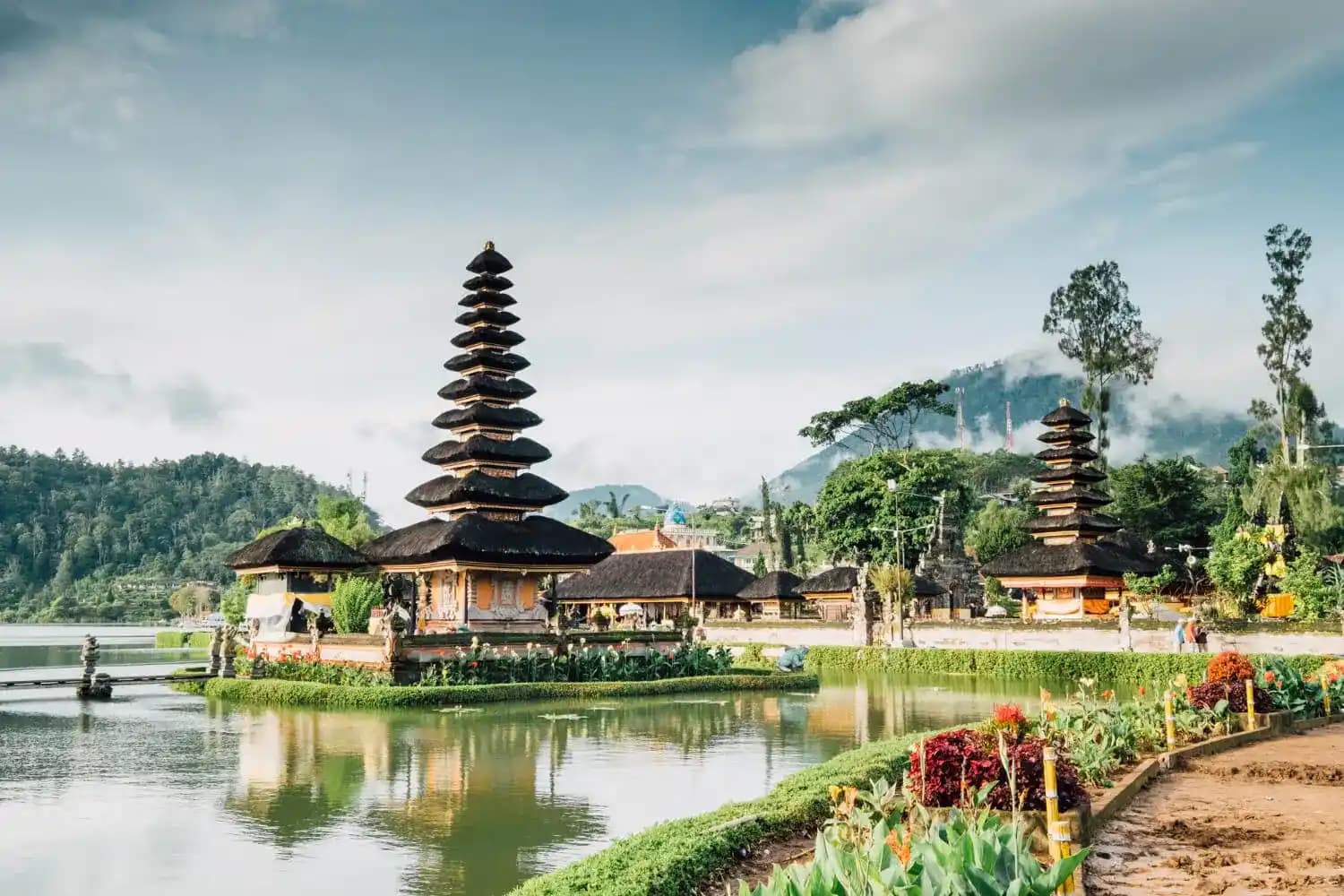

Explore Kuching: Malaysia, Southeast Asia Tweet Tours
Kuching, the capital of Sarawak in East Malaysia, is often referred to as "Cat City," a nickname stemming from its feline-themed attractions, including a dedicated Cat Museum. Nestled along the Sarawak River and surrounded by lush jungles and limestone cliffs, the city boasts a rich history dating back to its founding in 1839 by Sir James Brooke, whose influence is still evident in its colonial architecture and diverse cultural landscape, featuring Chinese temples, mosques, and the historic Astana palace.
Travelers flock to Kuching for its vibrant markets, scenic waterfront, and proximity to natural wonders like Bako National Park and the Semenggoh Wildlife Centre, where they can encounter orangutans and other native wildlife. The city's culinary scene is equally enticing, offering local delicacies such as seafood, deer meat, and tuak, a traditional rice wine, making it a delightful destination for both culture and cuisine enthusiasts
Population: Estimate 600,000 (as of 2024)
Cultural Significance: Kuching is a melting pot of ethnicities and religions, with the Malay, Chinese, and Iban communities playing a significant role in shaping the city's cultural landscape. The city is known for its vibrant festivals, traditional crafts, and diverse culinary offerings.
Landmarks: the historic Sarawak Museum, the scenic Kuching Waterfront, and the Sarawak Cultural Village.

Overview of Kuching
History & Culture Influence
Kuching, holds a rich historical context that traces back to its establishment in 1827 as the third capital of Sarawak under the Bruneian Empire. It became the capital of the Kingdom of Sarawak in 1841 after James Brooke, the first White Rajah, helped quell local rebellions. Under the Brooke dynasty, Kuching saw significant development, including the construction of key infrastructure like hospitals and public buildings. The city was occupied by Japanese forces during World War II and later became part of the British Crown Colony in 1946, retaining its status as the state capital after Malaysia's formation in 1963.
Interaction with The Locals
When visiting Kuching, you’ll find the locals to be warm, friendly, and incredibly welcoming to tourists. The city boasts a rich cultural diversity, with ethnic groups such as Malays, Chinese, Iban, and Bidayuh, all contributing to its vibrant cultural landscape. Residents take great pride in their heritage and are always eager to share their traditions, making every interaction feel like a meaningful cultural exchange.
Whether you're wandering through Kuching Old Bazaar or exploring Chinatown, you’ll find locals happy to offer recommendations, share stories, and introduce you to traditional crafts and delicious local cuisines. Kuching’s playful identity as "Cat City" only adds to its charm, with cat-themed attractions scattered throughout the city—a true reflection of the locals’ love for their feline friends!

Top attractions in Kuching
Kuching offers a rich array of attractions that cater to diverse interests, making it a vibrant destination for travelers.
Bako National Park
Location: Muara Tebas Peninsula, 37 km from Kuching
As Malaysia’s oldest national park, Bako National Park offers a stunning snapshot of Borneo’s incredible natural beauty. Spanning 27 square kilometers, the park boasts a rich tapestry of landscapes, from secluded beaches to dramatic cliffs and unique rock formations. It’s a haven for wildlife enthusiasts, home to fascinating creatures like proboscis monkeys, long-tailed macaques, monitor lizards, and squirrels. Despite its compact size, Bako showcases an impressive variety of Borneo’s vegetation, making it a perfect destination for hiking, wildlife spotting, and nature photography.
Semenggoh Nature Reserve
Location: 20 km south of Kuching
For an unforgettable wildlife experience, Semenggoh Nature Reserve is a must-visit. This rehabilitation center is famous for its orangutans, where visitors can observe these magnificent creatures in their natural habitat during feeding sessions. The reserve is also home to a variety of bird species, making it a great spot for birdwatching. The main draw, however, is the chance to witness the orangutans up close as they swing through the trees—a truly unique and heartwarming experience.
Sarawak Cultural Village
Location: 35 km from Kuching, near Mount Santubong
Step back in time at the Sarawak Cultural Village, also known as the "Living Museum." This open-air museum provides a fascinating glimpse into the traditional lifestyles of Sarawak’s indigenous communities. Visitors can explore authentic longhouses, watch captivating cultural performances, and even try their hand at local crafts. It’s an immersive experience that brings the diverse ethnic heritage of Sarawak to life, making it an essential stop for anyone interested in the region's rich culture.
Kuching Waterfront
Location: Along the Sarawak River, central Kuching
The Kuching Waterfront is the city’s lively riverside promenade, offering beautiful views of the Sarawak River and iconic landmarks like The Astana and Fort Margherita. Stretching just under a kilometer, the waterfront is a hub of activity, lined with cafes, food stalls, and attractions such as the Chinese Museum and Square Tower. It’s particularly magical at night, when the promenade lights up and locals and tourists alike gather to enjoy the vibrant atmosphere.
Tua Pek Kong Temple
Location: Jalan Tunku Abdul Rahman, Kuching
Perched on a hill overlooking the Kuching Esplanade, Tua Pek Kong Temple is the oldest and most important Chinese temple in the city. Serving as the spiritual heart for Kuching’s Chinese community, the temple is also a major tourist attraction. Its ornate design, rich history, and stunning views of the river make it a must-see for those exploring the city’s cultural and religious heritage.
Sarawak Museum
Location: Jalan Tun Abang Haji Openg, Kuching
Housed in a grand colonial-style building, the Sarawak Museum is the oldest museum in Malaysia and a treasure trove of the region's cultural and natural history. Inside, visitors will find extensive collections of artifacts, traditional costumes, photographs, and natural specimens, offering a comprehensive look at Sarawak’s rich heritage. It’s a fantastic stop for anyone interested in the history and diversity of Borneo.
Kubah National Park
Location: 20 km west of Kuching
Nature lovers and hikers will be drawn to Kubah National Park, famous for its diverse flora, especially its impressive collection of palm species. The park, set against the scenic Matang Range, offers several hiking trails that wind through dense rainforests, past waterfalls, and up to breathtaking viewpoints. It’s also a great spot for birdwatching, making it a popular day-trip destination for those looking to explore the great outdoors near Kuching.

Must-Try Dishes in Kuching
When visiting Kuching, you can't miss Sarawak Laksa, a fragrant noodle dish with a rich coconut milk broth, topped with prawns, chicken, and fresh herbs. Another must-try is Kolo Mee, a simple yet flavorful dry noodle dish tossed in a savory sauce and served with sliced meat and crispy shallots. For a unique local experience, try Manok Pansuh, chicken cooked in bamboo with lemongrass, giving it a distinctive, earthy flavor.
Sarawak Laksa
Sarawak Laksa is a must-try dish in Kuching, often described as the heart of local cuisine. This flavorful bowl of rice vermicelli is served in a rich, coconut milk-based broth, infused with a blend of spices. Topped with shredded chicken, prawns, omelette strips, and fresh coriander, Sarawak Laksa offers a delicious mix of Malay and Chinese culinary influences. It’s a local favorite, often enjoyed as a hearty breakfast that kick-starts the day with its complex, fragrant flavors.
Kolo Mee
For something simple yet satisfying, Kolo Mee (also known as Mee Kolok) is a beloved dry noodle dish that’s popular across Kuching. These springy noodles are tossed in a light, savory sauce and topped with slices of meat, often pork or chicken, along with fried shallots and spring onions. Originating from the Chinese community, Kolo Mee is a staple at hawker stalls and a comfort food for both locals and visitors alike.
Manok Pansuh
If you’re looking for a taste of indigenous Sarawakian cuisine, try Manok Pansuh, or bamboo chicken. This traditional Iban dish involves cooking chicken with lemongrass and tapioca leaves inside a bamboo stalk, giving it a distinctive, earthy flavor. The unique method of cooking over an open fire allows the bamboo to infuse the chicken with a subtle, smoky aroma, making it a must-try for adventurous foodies.
Sayur Midin Belacan
Sayur Midin Belacan is a delightful local vegetable dish that showcases the region’s fresh produce. Made from midin, a wild fern, and stir-fried with shrimp paste (belacan), this dish offers a wonderful mix of savory and umami flavors. It’s often enjoyed as a side dish and perfectly highlights Sarawak's rich biodiversity and love for locally sourced ingredients.
Kek Lapis Sarawak
Colorful and delicious, Kek Lapis Sarawak (Sarawak layer cake) is a festive treat that’s as pleasing to the eyes as it is to the taste buds. Made with layers of butter, eggs, and various flavorings like spices and fruit, the cake is known for its intricate designs and vibrant colors. It’s traditionally served during celebrations and special occasions, making it a beautiful (and tasty) souvenir for those visiting Kuching.
Kuching 3-Layer Tea
Kuching 3-Layer Tea is a visually stunning and refreshingly sweet drink. This unique beverage features three distinct layers: tea, evaporated milk, and gula apong (nipa palm sugar), which gives it its signature sweetness. The layers slowly mix together as you sip, making it both a treat for the eyes and a refreshing choice for cooling off while exploring the local food scene.

Festivals & Local Celebrations
The lively local festivities and festivals in Kuching provide an insight into the customs and culture of the city. Participating in these festivals provides a unique opportunity to immerse yourself in Kuching’s cultural traditions and enjoy its vibrant community celebrations.
Gawai Dayak Festival
Time of Year: Annually on June 1st
The Gawai Dayak Festival is a vibrant celebration of the Dayak community's rich culture and marks the end of the rice harvest season. This important event brings together the Dayak people to honor their heritage through traditional dances, music, and feasting. One of the festival's highlights is the chance to sample tuak (rice wine) and other local delicacies. Many Dayak longhouses welcome visitors with open arms, offering a unique opportunity to experience their warm hospitality and learn about their traditions and way of life firsthand.
Kuching Festival
Time of Year: July-August
The Kuching Festival is a month-long celebration that showcases the city’s cultural diversity and its growing reputation as a culinary hotspot. One of the key attractions is the massive food fair, featuring over 200 stalls offering everything from local Sarawakian specialties to international dishes. In addition to the food, there are cultural performances, live music, and fireworks displays that add to the festive atmosphere. This festival celebrates Kuching's vibrant culture and its recognition as a UNESCO Creative City of Gastronomy, making it a must-visit for food lovers.
Chinese New Year
Time of Year: January or February (depending on the lunar calendar)
During Chinese New Year, Kuching transforms into a sea of color and excitement, particularly in Chinatown, where streets are adorned with bright decorations and lively lion dances fill the air. The festive atmosphere is heightened by bustling markets and traditional "open houses," where families welcome guests with treats and drinks. The celebrations also include a grand parade, where different Chinese dialect groups showcase their unique customs and cultural heritage, making it an exciting time to experience the richness of Kuching’s Chinese community.

What to Do in Kuching
Bako National Park
Nature lovers will be captivated by Bako National Park, a haven for wildlife and stunning landscapes. The park is home to mangroves, secluded beaches, and striking rock formations. Keep your eyes peeled for the unique proboscis monkeys, along with various bird species, and embark on hiking trails that offer glimpses into the rich biodiversity of Borneo.
Semenggoh Wildlife Centre
For an unforgettable wildlife experience, visit the Semenggoh Wildlife Centre, where you can observe orangutans in their natural habitat. These magnificent creatures often swing down from the trees during feeding times, giving visitors a rare opportunity to witness them up close. It's a deeply educational and heartwarming experience, showcasing the region’s vital conservation efforts.
Hiking Mount Santubong
If you’re in the mood for adventure, tackle the challenging hike up Mount Santubong. The trek offers a rewarding climb with breathtaking views of the city and the winding Sarawak River from the summit. It's perfect for those seeking a physical challenge combined with stunning natural scenery.
Water Sports
Kuching’s coastline is the perfect spot for water sports like kayaking, scuba diving, and snorkeling. Whether you’re exploring calm rivers or diving into the vibrant marine life of the region’s waters, Kuching’s water activities offer endless excitement and an up-close look at the region's natural beauty.

Weather in Kuching: Best Time to Visit
Average Temperatures
Kuching enjoys warm, tropical weather year-round, with daily temperatures ranging from around 26°C (79°F) at night to 32°C (90°F) during the day. The hottest months see temperatures hover near 31°C (88°F), while the cooler months bring nighttime lows of around 22°C (72°F), offering a bit of relief from the heat.
Rainfall Patterns
Kuching is known for its heavy rainfall, receiving an impressive 4,000 mm (157 inches) annually. The wettest period typically occurs between November and January, with December often seeing the most rain. Expect rain on about 15-20 days per month, so packing waterproof gear like rain jackets and umbrellas is a smart choice.
Humidity and Weather Patterns
Humidity levels in Kuching are consistently high, averaging 80-85%, which can make the temperatures feel warmer than they are. Overcast skies are common, particularly during the rainy season, though June to August tends to bring clearer, sunnier days.
Best Time to Visit
July is often highlighted as one of the sunniest months, making it ideal for outdoor adventures. That said, Kuching’s attractions can be enjoyed year-round, just be prepared for the occasional rain shower, especially if visiting during the wet season.

Shopping in Kuching
Kuching’s shopping scene is as diverse as its cultural offerings, with modern malls and traditional markets providing plenty of options for visitors to explore.
Shopping Malls
For a contemporary shopping experience, Kuching boasts several major malls:
- Vivacity Megamall: The largest mall in Kuching, offering a wide range of international brands, a supermarket, and a cinema.
- The Spring Shopping Mall: Known for its designer outlets and diverse dining options, it’s a favorite among locals and tourists alike.
- Plaza Merdeka: Conveniently located in the city center, this mall features a Parkson department store and numerous restaurants.
- AEON Mall Kuching Central: The newest addition to Kuching’s shopping scene, with over 130 stores and plenty of parking.
Traditional Markets
For a more local shopping experience, don’t miss:
- Satok Weekend Market: This lively weekend market is a treasure trove of local produce, handicrafts, and delicious street food.
- Main Bazaar: A hub for traditional markets and local handicrafts, it's the perfect spot to pick up unique souvenirs.
Local Crafts and Souvenirs
Kuching is also home to specialty shops and craft centers where you can find locally made items:
- Borneoartifact Asian Art, Antique & Handicraft: A unique store offering a wide selection of Bornean antiques and tribal arts.
- Sarawak Cultural Village: Along with its cultural exhibits, this village includes a handicraft center where you can purchase locally made products.
- Kuching Waterfront: Stroll along the scenic promenade and explore stalls selling local crafts, souvenirs, and street food, offering a blend of shopping and cultural discovery.

Essential Travel Information
Getting to Kuching
Airport Transfers
Private transfer services are available, which can be booked in advance for convenience. These services typically offer direct transport to hotels or other destinations in the city.
Public Transit
Kuching's public transportation system is evolving, with several options available:
- Kuching Hydrogen Bus: This eco-friendly bus service operates on select routes within the city, providing a sustainable way to travel. However, the routes may be limited, and schedules can vary.
- Kuching Urban Transportation System (KUTS): This upcoming system will include autonomous rapid transit (ART) lines aimed at reducing traffic congestion and improving connectivity across the city. The first phase is expected to be operational soon, enhancing public transit options.
Taxis and Ride-Sharing
- Taxis: While taxis are available, they are not as commonly used by locals. It is advisable to agree on a fare before starting the journey if not using a meter.
- Ride-Sharing Services: Grab is the most popular ride-sharing app in Kuching, offering affordable and convenient transport options. Maxim is another option that travelers can consider, often providing competitive rates.
Recommendations for Getting Around
- For Short Distances: Grab or Maxim is recommended for getting around the city center, especially for visiting attractions like the Kuching Waterfront or local museums.
- For Longer Distances: Renting a car may be beneficial for exploring further attractions like Bako National Park or Semenggoh Wildlife Centre, but visitors should be prepared for parking and navigation challenges.
- Public Buses: While public buses are available, they have limited routes and schedules, making them less reliable for tourists. However, they are an inexpensive option for certain routes, especially during peak hours.
ATM and Banking Services
- There are several major banks with ATM locations in Kuching, including Public Bank, RHB Bank, Alliance Bank, and CIMB Bank.
- ATMs can be found at places like Sarawak Plaza, The Spring shopping mall, and along Jalan Tun Ahmad Zaidi Adruce.
- Kuching International Airport also has CIMB Bank ATM services available.
- The Sarawak Multimedia Authority (SMA) has urged telecommunication providers to set up more ATMs in rural areas like Bario and Mulu to facilitate banking services for locals and tourists.
Accommodation
Kuching offers a wide range of accommodation options to suit different budgets and preferences, from luxury hotels to budget hostels.
- Some top-rated hotels in Kuching include: Hilton Kuching, Pullman Kuching, Merdeka Palace Hotel & Suites, Riverside Majestic Hotel
- Boutique hotels and heritage stays are also popular choices, providing a more intimate experience.
- Hostels and budget hotels are available for travelers looking for affordable options, with prices starting around RM50-100 per night.
- Vacation rentals and Airbnb properties are increasingly common, offering more flexibility and space compared to traditional hotels.
Articles for you

Explore Kuala Lumpur: Malaysia Travel Guide, Southeast Asia
Kuala Lumpur, the vibrant capital of Malaysia, is situated in the west-central region of Peninsular Malaysia, about 40 kilometers east of the Strait of Malacca. Covering 243 square kilometers (94 square miles), the city boasts a diverse cultural landscape, with significant populations of Malays, Chinese, and Indians, each contributing to its rich traditions, languages, and culinary scene. As a major economic and financial powerhouse in Southeast Asia, Kuala Lumpur ranks as ASEAN's fifth-largest economy. The city is renowned for its iconic landmarks, including the Petronas Twin Towers, once the tallest buildings in the world, and the Menara Kuala Lumpur (KL Tower), offering breathtaking panoramic views of the bustling metropolis.
Population: Estimate 2.1 million (as of 2024)
Economy: Kuala Lumpur stands as the economic heart of Malaysia and a dynamic hub for travelers interested in its thriving economy. As part of the fifth-largest economy in ASEAN, the city has seen rapid growth, driven by strong domestic demand and a resurgence in tourism. Key industries such as finance, real estate, and tourism dominate, with the service sector accounting for 83% of employment.
Landmarks: Petronas Twin Towers, Kuala Lumpur Tower (Menara KL), Batu Caves, Sultan Abdul Samad Building, Merdeka Square, National Mosque (Masjid Negara), Kuala Lumpur Bird Park, KLCC Park

Explore Kota Kinabalu: Your Ultimate Malaysia Tweet Tour
Kota Kinabalu, commonly known as KK, is the capital of Sabah, located on the northwest coast of Borneo, facing the South China Sea. This vibrant city is a gateway to incredible natural attractions like Tunku Abdul Rahman National Park and the iconic Mount Kinabalu, the tallest peak in Southeast Asia. With a various ethnic groups, including Kadazan-Dusun, Bajau, Chinese, and Malay communities. Nature lovers flock to Kota Kinabalu for its stunning landscapes, from lush mountains to beautiful islands, while the city's bustling markets and diverse cuisine offer a true taste of Sabah's local flavors. As a key economic hub in Sabah, KK's tourism, trade, and agriculture sectors are thriving, making it a popular destination for both domestic and international travelers.
Population: Estimate 500,000 (as of 2024)
Economy: Kota Kinabalu's economy is heavily driven by tourism, attracting visitors with its proximity to stunning natural attractions like Mount Kinabalu and Tunku Abdul Rahman National Park. The city's well-developed tourism infrastructure offers a variety of accommodations, dining, and entertainment options for travelers. Additionally, as a hub for trade and commerce, KK regularly hosts business conferences and events, providing opportunities for both leisure and business travelers. Its strategic location and well-connected international airport make it an ideal starting point for exploring Sabah and the rest of Borneo.
Landmarks: Mount Kinabalu, Kota Kinabalu City Mosque, Signal Hill Observatory, Sabah State Museum, Tanjung Aru Beach, Mari Mari Cultural Village, Atkinson Clock Tower

Explore Penang - Malaysia Travel, Asia
Penang, Malaysia’s famed “Pearl of the Orient,” is where heritage, flavors, and coastal beauty meet. This island state blends centuries of history with a vibrant present, creating a destination that charms both first-time visitors and returning travelers. From the UNESCO-listed streets of George Town to golden beaches, bustling night markets, and a street food culture celebrated worldwide, Penang offers a journey through time, taste, and tradition.
Population: Approximately 1.77 million in 2020.
Economy: Penang’s economy is driven by electronics manufacturing, shipping, and trade, earning the nickname “Silicon Valley of the East.” The state is also a thriving hub for tourism. Beyond industry and tourism, Penang has a growing services sector, including finance, healthcare, and education, making it a well-rounded and resilient economy.
Landmarks: Famous for the Kek Lok Si Temple, Penang Hill, and the Penang National Park.

Explore Malacca: Malaysia Travel Guide, Southeast Asia
Malacca City, also known as Melaka, is a historical city in Malaysia renowned for its rich cultural heritage and colonial architecture. Approximately 148 km (92 miles) south of Kuala Lumpur and has been designated as a UNESCO World Heritage Site since 2008 due to its rich historical and cultural significance blend of Malay, Chinese, Indian, Portuguese, and Dutch influences, making it a vibrant destination for travelers seeking to explore its diverse history.
Population Estimate 500,000 (as of 2020)
Economy: Malacca offers a unique blend of historical significance, cultural diversity, and modern economic development, making it an intriguing destination to explore Southeast Asian heritage and contemporary urban dynamics. Malacca's economy is predominantly centered around tourism. As a UNESCO World Heritage site, the city attracts both domestic and international tourists interested in its rich history and cultural heritage.
Landmarks: A' Famosa, Porta de Santiago, Stadthuys, Christ Church, St. Paul's Church, Malacca Sultanate Palace, Maritime Museum, Jonker Walk, Dutch Square


Explore Malacca: Malaysia Travel Guide, Southeast Asia
Malacca City, also known as Melaka, is a historical city in Malaysia renowned for its rich cultural heritage and colonial architecture. Approximately 148 km (92 miles) south of Kuala Lumpur and has been designated as a UNESCO World Heritage Site since 2008 due to its rich historical and cultural significance blend of Malay, Chinese, Indian, Portuguese, and Dutch influences, making it a vibrant destination for travelers seeking to explore its diverse history.
Population Estimate 500,000 (as of 2020)
Economy: Malacca offers a unique blend of historical significance, cultural diversity, and modern economic development, making it an intriguing destination to explore Southeast Asian heritage and contemporary urban dynamics. Malacca's economy is predominantly centered around tourism. As a UNESCO World Heritage site, the city attracts both domestic and international tourists interested in its rich history and cultural heritage.
Landmarks: A' Famosa, Porta de Santiago, Stadthuys, Christ Church, St. Paul's Church, Malacca Sultanate Palace, Maritime Museum, Jonker Walk, Dutch Square
Our Best-Selling Tours
Follow Us