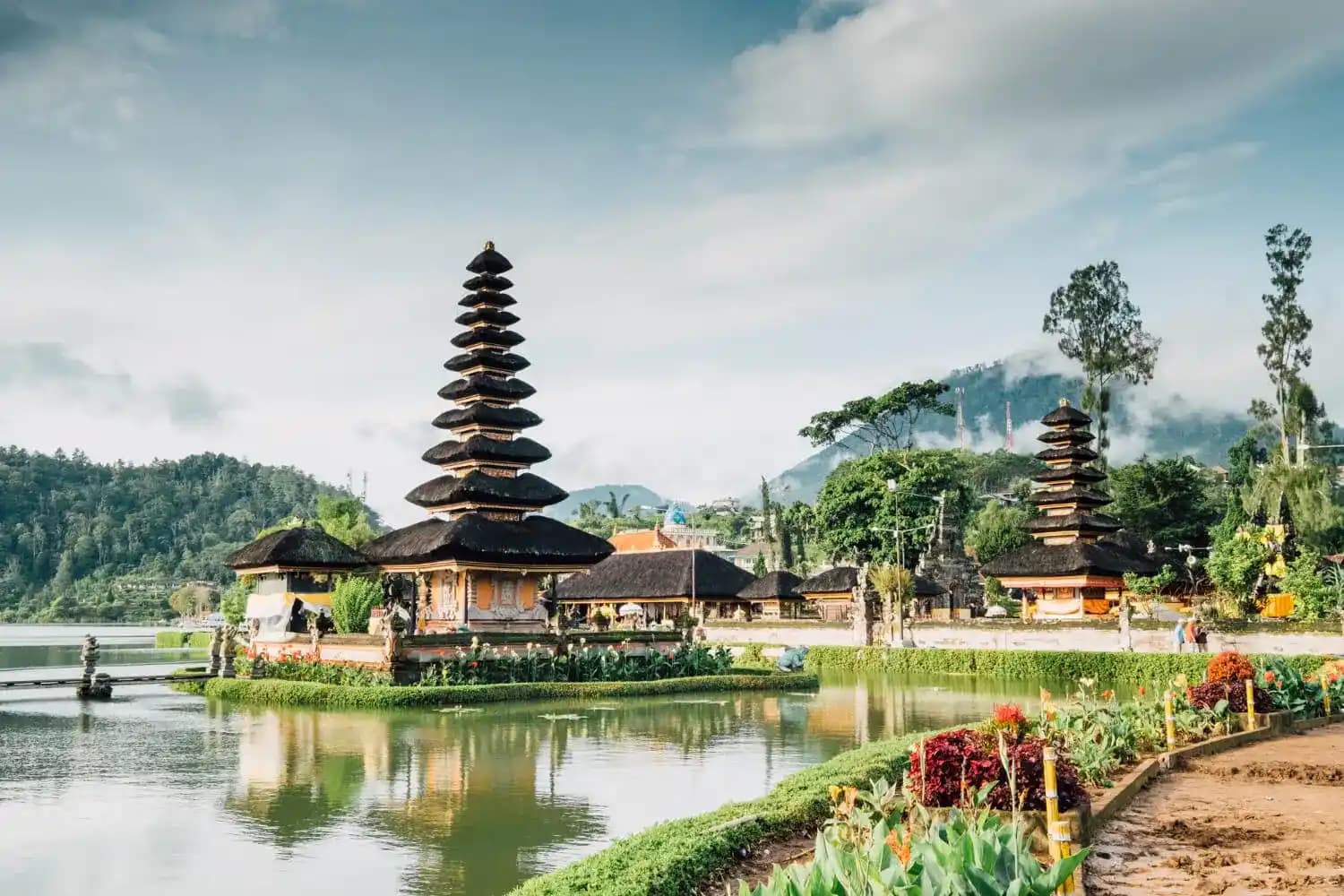

Explore Mito - Japan Travel, Asia
Mito, a charming city in Japan's Ibaraki Prefecture, offers a perfect blend of historical significance and natural beauty. Just a short trip from Tokyo, Mito is known for its rich cultural heritage and stunning landscapes. Whether you're exploring ancient castles or strolling through beautiful gardens, Mito promises an unforgettable experience.
Craving an exceptional Japan adventure? Explore our handpicked premium tours here for the ultimate experience.
Population: Approximately 268,000 in January 2024.
Economy: Despite the modesty of the city, Mito is a thriving tourism hub for its ancient history of being the seat of power of the Tokugawa family.
Landmarks: Famous for Kairakuen Garden, Mito Castle Ruins, and Sakura City Park.

Overview of Mito
History & Culture Influence
Mito's history dates back centuries, with a notable role during the Edo period. The city was the seat of the Mito Domain, ruled by the Tokugawa family. One of the most influential figures was Tokugawa Mitsukuni, who established the Mito School. This institution played a significant role in the intellectual and cultural life of Japan, emphasizing the importance of education and philosophy. The city's historical landmarks, such as the remnants of Mito Castle and the famed Kairakuen Garden, reflect its storied past. Visiting these sites offers a window into Mito's cultural and historical legacy, making them essential stops for any traveler.
Interaction with The Locals
Mito, the capital city of Ibaraki Prefecture in Japan, has a population of approximately 268,000 residents. The city's citizens are known for their warm hospitality and pride in their rich cultural heritage. They are deeply connected to local traditions, including festivals and culinary practices. Mito's residents also value education and cultural activities, influenced by the city's historical significance as a center of learning during the Edo period. The community is friendly and welcoming, making Mito a delightful place for visitors to experience authentic Japanese culture.

Top Attractions in Mito
Whether you're interested in art, history, or nature, Mito has something to offer every traveler. These must-visit places in Mito offer a diverse range of experiences, from historical exploration and cultural immersion to outdoor activities and family-friendly fun.
- Kairakuen Garden: Famous for its plum blossoms, this garden is one of Japan's most celebrated. It's especially stunning during the Plum Blossom Festival in early spring, drawing visitors from all over the country.
- Kodokan: As Japan's largest han school during the Edo period, Kodokan offers insights into the educational and philosophical teachings of the Mito School. The site features historical exhibits and beautiful gardens.
- Mito Castle Ruins: While much of the original castle was destroyed, the remaining stone walls and gates provide a glimpse into Mito's feudal past. The site offers picturesque views, especially during cherry blossom season.
- Senba Lake: This serene lake is a popular spot for leisure activities, including boating and walking. The surrounding park is perfect for picnics and relaxing strolls, especially in the fall when the foliage is vibrant.
- Tokiwa Shrine: Dedicated to Tokugawa Nariaki and Tokugawa Mitsukuni, this shrine is a place of cultural and historical significance. It’s a peaceful spot for reflection, surrounded by beautiful gardens.
- Mito Municipal Botanical Park: This expansive park is home to a variety of plant species, including a rose garden and tropical plant greenhouse. It's a delightful place for nature enthusiasts and a perfect family-friendly attraction.
- Sakura City Park: A popular cherry blossom viewing spot, this park offers stunning views of blooming sakura trees in the spring. It’s an ideal place for a leisurely walk or a picnic during hanami season.
- Gokoku Shrine: This shrine honors the war dead and offers a tranquil atmosphere for visitors. The annual Chrysanthemum Festival held here is a beautiful event, showcasing intricate floral displays.

Must-Try Dishes in Mito
These local dishes in Mito provide a delightful introduction to Mito's culinary offerings, reflecting the region's agricultural richness and traditional cooking techniques. Whether you're a fan of savory or sweet, Mito's local cuisine is sure to offer something to please your palate.
- Natto: Mito is renowned for its natto, a fermented soybean dish known for its distinctive aroma and sticky texture. It's a local staple, often served with rice, soy sauce, and green onions, and is known for its health benefits.
- Anko Nabe: This hearty hot pot features monkfish, a local delicacy in Mito. The fish is simmered with vegetables in a rich broth, offering a comforting and nutritious meal, especially popular during the colder months.
- Hitachi Beef: A local delicacy, Hitachi beef is a high-quality wagyu known for its marbled texture and rich flavor. It's often enjoyed as steak, sukiyaki, or shabu-shabu, showcasing the meat's tenderness and taste.
- Unagi: Grilled eel, known as unagi, is a popular dish in Mito. It's usually served with a sweet and savory sauce over a bed of rice, offering a delicious blend of flavors. The dish is not only tasty but also considered to be nutritious and energizing.
- Karei no Nitsuke: A dish featuring simmered flatfish, often prepared with a sweet and savory soy-based sauce. This dish is a staple in local seafood cuisine, offering a delicate and flavorful experience.
- Sweet Potato Sweets: Ibaraki Prefecture, where Mito is located, is famous for its sweet potatoes. Local confections include sweet potato cakes, chips, and yokan (a jelly-like dessert), all highlighting the natural sweetness of this root vegetable.
- Sake Kasu Soup: Made with the lees left over from sake production, this soup is a unique local specialty. It's a hearty dish with a slightly tangy flavor, often containing vegetables and fish, and is particularly warming in winter.

Festivals & Local Celebrations
Mito is home to a variety of festivals and local celebrations that offer a glimpse into the city's rich cultural traditions. These events are an excellent opportunity for visitors to experience local customs and join in the festivities.
- Mito Plum Blossom Festival (Mito Ume Matsuri): Held annually from late February to March, this festival celebrates the blooming of over 3,000 plum trees in Kairakuen Garden. The festival features traditional performances, tea ceremonies, and nighttime illuminations, making it a magical experience.
- Mito Komon Festival: This festival honors Tokugawa Mitsukuni, the local hero and prominent figure in Japanese history. Held in August, the festival includes a lively parade, fireworks, and traditional music and dance performances. It's a vibrant celebration of Mito's heritage and community spirit.
- Mito Autumn Festival (Mito Aki Matsuri): Celebrating the autumn harvest, this festival features food stalls, live music, and cultural exhibitions. It's a great way to sample local delicacies and enjoy the beautiful fall foliage in the city's parks.
- Tokiwa Shrine Grand Festival: Held in April, this religious festival at Tokiwa Shrine includes traditional ceremonies and a variety of cultural events. It's a peaceful and spiritual experience, offering insight into local religious practices.
- Tanabata Festival: Celebrated in July, this festival involves decorating the city with colorful paper decorations and wishes written on strips of paper. It's a visually stunning event that captures the imagination and hopes of the community.
What to Do in Mito
Mito offers a variety of activities for tourists, catering to different interests and ensuring an enriching travel experience.
- Outdoor Adventures: The city's parks and natural landscapes provide plenty of opportunities for outdoor activities. Visitors can enjoy walking, cycling, and boating at Senba Lake, or exploring the scenic trails in Kairakuen Garden.
- Cultural Experiences: Mito's rich cultural heritage is showcased in its museums and historical sites. Art enthusiasts can visit the Art Tower Mito for contemporary art exhibitions, while history buffs will appreciate the exhibits at Kodokan and the Mito Castle Ruins.
- Traditional Workshops: Engage in hands-on experiences by participating in traditional Japanese workshops. These include tea ceremonies, calligraphy, and crafts such as pottery and ikebana (flower arranging). These workshops offer a deeper understanding of Japanese culture and traditions.
- Mito Local Food Tours: Food lovers can take guided tours that highlight Mito's culinary specialties. These tours often include tastings of natto, Hitachi beef, and other local dishes, providing a delicious exploration of the city's food scene.
- Seasonal Activities: Depending on the season, Mito offers a range of seasonal activities. In spring, the plum blossoms are a major attraction, while autumn brings stunning foliage. Winter visitors can enjoy hot springs and seasonal festivals.
Want to know about Fukui-Shi? Check out our insights here and see why it's worth a visit.

Weather in Mito: Best Time to Visit
Mito enjoys a temperate climate with distinct seasons, each offering unique experiences for visitors. Understanding the weather conditions can help you plan your trip to make the most of what Mito has to offer.
Spring in Mito
- Weather: Mild temperatures range from 10°C to 20°C (50°F to 68°F). This season is famous for the blooming of plum blossoms.
- Tourism Trends: Spring is a peak tourist season in Mito due to the Plum Blossom Festival at Kairakuen Garden. The city sees an influx of visitors, so early bookings for accommodations and activities are recommended.
Summer in Mito
- Weather: Hot and humid, with temperatures often reaching 30°C (86°F) or higher. Occasional rain showers and thunderstorms are common.
- Tourism Trends: Summer is vibrant with festivals, including the Mito Komon Festival. Despite the heat, many tourists visit to experience the local culture and events. Light clothing and hydration are essential.
Autumn in Mito
- Weather: Cooler temperatures ranging from 10°C to 20°C (50°F to 68°F). The leaves change to vivid orange and scarlet tones.
- Tourism Trends: Autumn is another popular season for tourists, drawn by the beautiful fall foliage and the Mito Autumn Festival. It's a perfect time for outdoor activities like hiking and exploring the parks.
Winter in Mito
- Weather: Mild winters with temperatures rarely dropping below freezing. Snowfall is infrequent.
- Tourism Trends: Winter offers a quieter and more serene atmosphere, ideal for those looking to avoid the crowds. Visitors can enjoy hot springs and winter festivals in a peaceful setting. Winter is also a good time for budget travelers, as it is considered the off-peak season.

Culture Etiquette in Mito
Understanding and respecting local customs is key to a rewarding experience in Mito. Here are some cultural etiquette tips to help you interact respectfully and comfortably with locals:
The Art of Mito Plum Appreciation
Mito is renowned for its Kairakuen Garden, home to a vast collection of plum trees. The tradition of "ume-mi" or plum viewing is a cherished activity in Mito. Locals and visitors alike gather to admire the beautiful blossoms, often engaging in quiet reflection or picnics under the trees. When participating, it's customary to speak softly and appreciate the flowers' fleeting beauty, embodying the Japanese concept of "mono no aware" – an awareness of the impermanence of things.
Looking for more adventures? Dive into Tochigi Prefecture, another famous destination in Japan, with our article here.
Local Bathhouse Etiquette
Mito's onsen (hot springs) and sento (public bathhouses) are popular for relaxation and socializing. It's important to wash and cleanse your body well before using the shared bathrooms. This practice ensures cleanliness and respect for other bathers. Remember, tattoos may be frowned upon in some bathhouses, as they are traditionally associated with organized crime in Japan. If you have tattoos, check with the establishment beforehand or consider using a tattoo cover-up.
Temple and Shrine Visits
When visiting temples and shrines, dress modestly and behave respectfully. It is traditional to wash your hands and lips at the entry to cleanse oneself. The custom of bowing both before and after prayer has become popular. If taking photos, be mindful of areas where photography may be prohibited.
Dining and Drinking Practices
Dining in Mito offers a chance to experience local dishes and customs. When eating in a traditional setting, wait for the host to begin the meal and follow their lead. It's considered respectful to eat everything on your plate as an expression of gratitude. In drinking settings, pouring drinks for others and allowing them to pour for you is a common practice, symbolizing friendship and respect.
Respect for Traditions
Mito has a rich history and cultural heritage, therefore, when attending festivals or traditional events, respect local customs and practices. Dress appropriately, follow the instructions given by event staff, and show appreciation for the cultural experience.

Shopping in Mito
Mito offers a diverse shopping experience, from traditional markets to modern retail outlets, ensuring visitors can find unique souvenirs and local products.
- Local Markets: Mito's markets are great places to find traditional crafts, fresh produce, and local specialties. The Mito Market is particularly known for its fresh seafood and local delicacies, perfect for those looking to taste the flavors of the region.
- Mito Station Area: The area around Mito Station is bustling with shops and department stores. Here, visitors can find a mix of local and international brands, fashion boutiques, and specialty stores offering everything from clothing to electronics.
- Traditional Crafts: For those interested in traditional Japanese crafts, Mito has several shops selling items such as pottery, lacquerware, and textiles. These handcrafted items make for meaningful souvenirs or gifts.
- Omotesando Shopping Street: This shopping street is known for its charming atmosphere and unique stores. It offers a range of products, including traditional sweets, artisanal goods, and locally made crafts.
- Mito's Specialty Products: Don't miss the opportunity to purchase local specialties such as natto, Hitachi beef, and sake. These products are often beautifully packaged and make excellent gifts.
Essential Travel Information
Getting Around Mito
- Trains: Mito is well-served by the JR Joban Line, connecting to major cities like Tokyo and Sendai. The Hitachi and Tokiwa limited express trains offer fast and pleasant travel, and Mito Station serves as the center.
- Buses: The city's bus network covers tourist spots, shopping districts, and residential areas with the "Mito City Loop Bus" is ideal for sightseeing.
- Taxis: There are numerous taxi services close to hotels and rail stations. They are metered and offer a convenient option for short trips
- Car Rentals: For greater flexibility, car rentals are available near Mito Station. This option is ideal for visiting attractions like Hitachi Seaside Park and the Oarai area.
- Bicycles: Mito is bike-friendly, with rentals available at hotels and various locations. Cycling is perfect for leisurely exploring areas like Senba Lake and Kairakuen Garden.
- Walking: With many attractions nearby, walking is a great way to explore Mito. The city's pedestrian-friendly streets and well-maintained sidewalks make it easy to discover local gems on foot.

ATM & Banking Services
Mito provides ample banking services and ATM options to ensure smooth financial management during your stay. ATMs are widely accessible across convenience stores, train stations, and shopping centers, often featuring multilingual services, including English. However, not all ATMs accept foreign cards, so look for ones with international logos like Visa or MasterCard. While ATMs are convenient, currency exchange services are also available at major hotels and select locations. Credit and debit cards are commonly accepted at hotels, restaurants, and larger stores, though smaller establishments may only take cash. Mito is generally safe, but always be cautious with cash and ATMs.
Where to Stay in Mito
Mito offers a diverse range of accommodation options to cater to various budgets and preferences. Visitors can choose from luxurious hotels with amenities like free Wi-Fi and on-site dining, traditional ryokan for an authentic Japanese experience with tatami-mat rooms and communal baths, and budget-friendly guesthouses and hostels that provide basic amenities and a social atmosphere. For a more personal touch, minshuku offer simple lodgings and home-cooked meals, while vacation rentals provide privacy and flexibility with features like kitchens and laundry facilities. Unique and affordable capsule hotels are also available, offering compact rooms for solo travelers. With options for every need, booking early is advised, especially during peak seasons.
Articles for you

Explore Itsukushima (Miyajima) - Japan Travel, Asia
Floating gently in the tranquil waters of the Seto Inland Sea, Miyajima, officially known as Itsukushima, is one of Japan’s most treasured islands. Just a short ferry ride from Hiroshima, this peaceful destination draws travelers with its spiritual energy, ancient shrines, and wild-yet-gentle sacred deer that roam freely. Renowned for the iconic floating Torii gate of Itsukushima Shrine, Miyajima blends centuries of Shinto belief, Buddhist tradition, and natural beauty into one unforgettable journey.
Population: Approximately 1,500 in 2019.
Economy: Miyajima’s economy is deeply rooted in tourism. Visitors fuel local businesses such as traditional inns (ryokan), souvenir shops, street food vendors, and ferry services.
Landmarks: Famous for Itsukushima Shrine and the Floating Torii Gate, Mount Misen, and the Daisho-in Temple.

Explore Obuse - Japan Travel, Asia Tweet Tours
Tucked away in Nagano Prefecture, Obuse is a charming town that draws visitors back in time and immerses themselves in rich history, local art, and tranquil beauty. This place blends the best of traditional Japan with modern, laid-back vibes. While many travelers to Japan may focus on major cities like Tokyo or Kyoto, Obuse offers a unique cultural experience that shouldn’t be missed. This quaint town is best known for its connection to the renowned artist Hokusai and its delicious explore chestnut-based delicacies.
Ready to dive deeper into Japan's wonders? Discover our premium Japan tours here for an extraordinary experience.
Population: Approximately 11,000 in 2019.
Economy: Obuse's economy thrives on tourism, agriculture, and local craftsmanship. It’s famous for chestnut farming, traditional sake brewing, and artisan goods, with a strong focus on preserving cultural heritage.
Landmarks: Famous for the Hokusai Museum, Gansho-in Temple, and the Masuichi Sake Brewery.

Explore Tochigi Prefecture - Japan Travel, Asia
Tochigi Prefecture is a hidden gem located in the Kanto region of Japan, just a short train ride from the hustle and bustle of Tokyo. Known for its striking natural beauty, rich cultural heritage, and historic landmarks, Tochigi offers a perfect blend of modern convenience and traditional charm. Visitors can explore breathtaking UNESCO World Heritage Sites, serene mountains, lush forests, and rejuvenating onsen hot springs. It's also home to Nikko National Park, a paradise for hikers and nature lovers. This peaceful region stands out for its unique experiences that give travelers a taste of authentic Japan, far from the busy urban centers.
Population: Approximately 1.9 million in 2023.
Economy: Tochigi Prefecture's economy is driven by a mix of agriculture, manufacturing, and tourism. Known for producing strawberries, rice, and kanpyo, it also hosts automotive and electronics industries. Tourism, especially in Nikko, plays a significant role in its economy.
Landmarks: Famous for the Nikko National Park, Nikko Toshogu Shrine, and the Ashikaga Flower Park.

Explore Imabari - Japan Travel, Asia
Nestled on the picturesque Shikoku Island in Japan, Imabari is a hidden gem offering a blend of historical charm and natural beauty. This city, known for its rich cultural heritage and stunning landscapes, provides an inviting escape for travelers seeking both adventure and tranquility. Imabari is renowned for its historical landmarks, vibrant local culture, and delectable cuisine, making it an ideal destination for an unforgettable Japanese experience.
Want to elevate your Japan experience? Check out our collection of premium tours here for an exceptional journey.
Population: Approximately 152,000 in 2022.
Economy: Home of Imabari Shipbuilding, Japan’s largest ship builder, and many other maritime servicing facilities along the coast.
Landmarks: Famous for the Imabari Castle, Kurushima-Kaikyo Bridge, and Takanawa Mountain.


Explore Obuse - Japan Travel, Asia Tweet Tours
Tucked away in Nagano Prefecture, Obuse is a charming town that draws visitors back in time and immerses themselves in rich history, local art, and tranquil beauty. This place blends the best of traditional Japan with modern, laid-back vibes. While many travelers to Japan may focus on major cities like Tokyo or Kyoto, Obuse offers a unique cultural experience that shouldn’t be missed. This quaint town is best known for its connection to the renowned artist Hokusai and its delicious explore chestnut-based delicacies.
Ready to dive deeper into Japan's wonders? Discover our premium Japan tours here for an extraordinary experience.
Population: Approximately 11,000 in 2019.
Economy: Obuse's economy thrives on tourism, agriculture, and local craftsmanship. It’s famous for chestnut farming, traditional sake brewing, and artisan goods, with a strong focus on preserving cultural heritage.
Landmarks: Famous for the Hokusai Museum, Gansho-in Temple, and the Masuichi Sake Brewery.


Explore Imabari - Japan Travel, Asia
Nestled on the picturesque Shikoku Island in Japan, Imabari is a hidden gem offering a blend of historical charm and natural beauty. This city, known for its rich cultural heritage and stunning landscapes, provides an inviting escape for travelers seeking both adventure and tranquility. Imabari is renowned for its historical landmarks, vibrant local culture, and delectable cuisine, making it an ideal destination for an unforgettable Japanese experience.
Want to elevate your Japan experience? Check out our collection of premium tours here for an exceptional journey.
Population: Approximately 152,000 in 2022.
Economy: Home of Imabari Shipbuilding, Japan’s largest ship builder, and many other maritime servicing facilities along the coast.
Landmarks: Famous for the Imabari Castle, Kurushima-Kaikyo Bridge, and Takanawa Mountain.
Our Best-Selling Tours
Follow Us