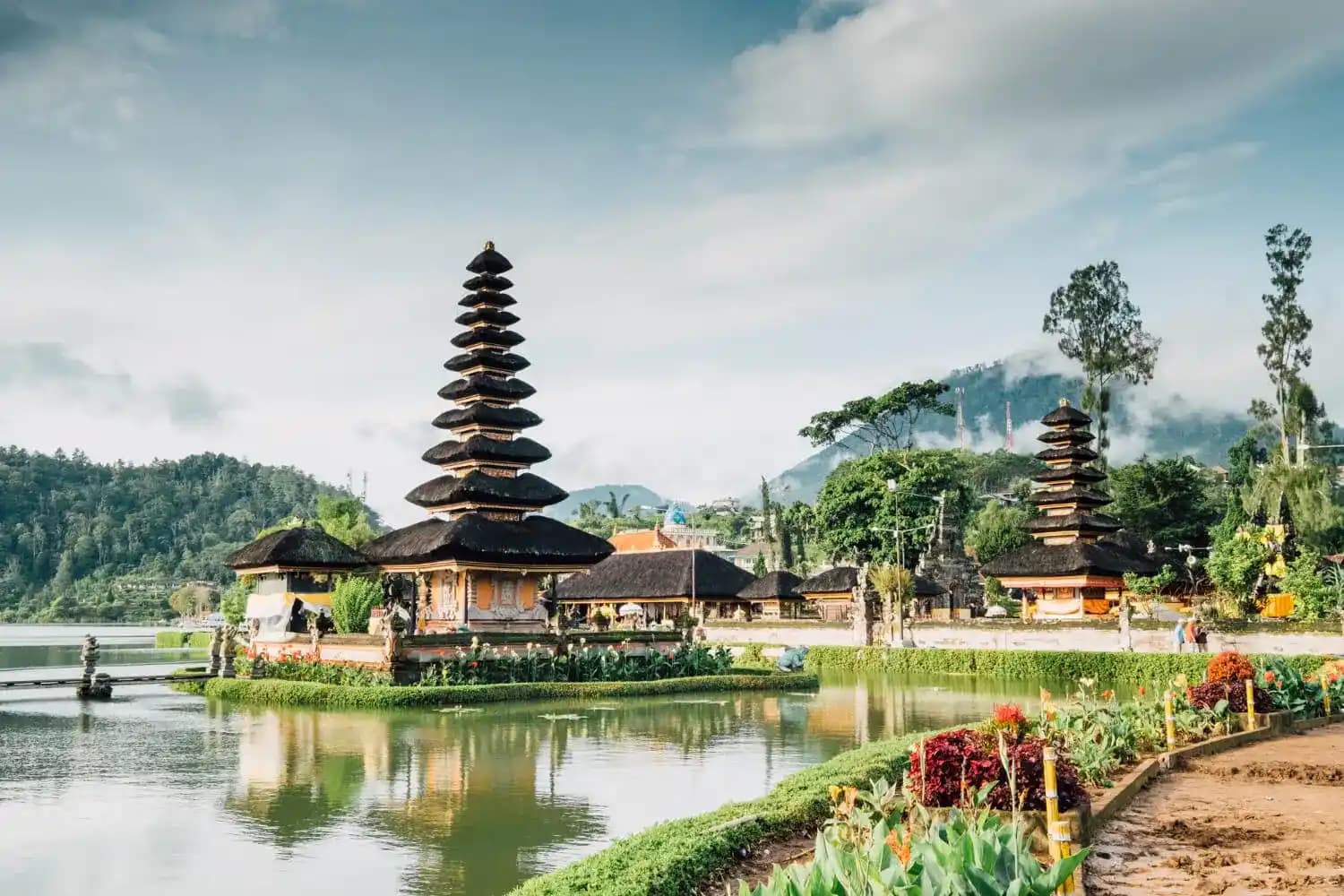

Explore Muong La - North Vietnam Travel, Asia
Nestled in the scenic embrace of Son La Province, Muong La is a hidden gem in northwest Vietnam. This peaceful destination is a haven for travelers seeking an authentic and unspoiled experience. With its lush landscapes, rich cultural heritage, and warm hospitality, Muong La offers a unique blend of natural beauty and deep-rooted traditions that captivate every visitor.
Check out our top Vietnam tours here.
Population: Approximately 100,000 in 2019.
Economy: Muong La's economy is primarily based on agriculture, with rice and tea as key crops. Local handicrafts and tourism also contribute, supporting the community through traditional crafts and eco-friendly travel.
Landmarks: Famous for the Pa Uon Bridge, Muong La Hydropower Plant, and Traditional Ethnic Villages.

Overview of Muong La
History & Cultural Influence
Muong La's history is deeply intertwined with that of Son La Province, reflecting the rich ethnic diversity and cultural traditions that have shaped the region. Historically, Muong La has been home to various ethnic groups, including the Thai, H'Mong, and Dao people, each contributing to the area's cultural mosaic. Muong La’s cultural heritage is not just preserved in its festivals and architecture but also in its people’s way of life. The integration of various ethnic customs and traditions has created a unique cultural identity that is both diverse and harmonious.
Interaction with The Locals
Muong La is home to a diverse population of around 100,000 people. The residents are predominantly from ethnic minority groups, including the Thai, H'Mong, and Dao. These communities have preserved their unique traditions, languages, and cultural practices, contributing to the rich cultural tapestry of the region. The citizens of Muong La are known for their hospitality, welcoming visitors with warmth and openness, making the area a truly inviting destination. You can meet many ethnic groups in Vietnam, even in the south.

Top Attractions in Muong La
- Pa Uon Bridge: This impressive bridge is not only an architectural feat but also a vital connection between communities in Muong La. Spanning the Da River, Pa Uon Bridge offers breathtaking views of the surrounding landscape, making it a popular spot for photography enthusiasts and nature lovers.
- Muong La Hydropower Plant: As one of the largest hydropower plants in Vietnam, the Muong La Hydropower Plant is a significant landmark in the region. Visitors can learn about the plant's role in providing sustainable energy while appreciating the engineering marvel that powers much of the country.
- Muong La Waterfalls: The region is home to several picturesque waterfalls, including the serene Thac Ban Ve and the majestic Thac Na. These natural wonders are perfect for a refreshing swim or a peaceful picnic surrounded by nature’s beauty.
- Muong La Ethnic Villages: Explore the traditional villages of Muong La, such as the Thai and Hmong communities, to experience local culture and lifestyle. Wander through stilt houses, observe traditional crafting techniques, and interact with friendly villagers.
- Muong La Market: The bustling market in the town center is a vibrant place to shop for local handicrafts, textiles, and fresh produce. It's also an excellent spot to sample local delicacies and immerse yourself in the daily life of Muong La's residents.

Must-Try Dishes in Muong La
- Com Lam (Bamboo Rice): A signature dish of the region, Com Lam is made by stuffing sticky rice into bamboo tubes and grilling it over an open flame. The bamboo imparts a subtle, aromatic flavor to the rice, making it a unique and delicious meal often paired with grilled meats or fish.
- Pa Ping Top: Freshly caught from the local rivers, fish is marinated with a blend of spices and herbs before being grilled to perfection. The result is a tender and flavorful dish that captures the essence of Muong La’s natural bounty.
- Thang Co: A traditional stew originating from the H’Mong people, Thang Co is made using horse meat, herbs, and a variety of vegetables. This hearty dish, often served during festivals, offers a taste of the region’s culinary heritage and is a unique experience for adventurous eaters.
- Xoi Ngu Sac (Five-Colored Sticky Rice): A visually striking dish, Xoi Ngu Sac is sticky rice dyed with natural colors derived from local plants. Each color represents different blessings, such as prosperity and health. This dish, which is typically served during festivals and special events, is not only a visual feast but also a pleasant delicacy.
- Buffalo Dried Meat: A specialty of the Thai people, this dish involves smoking and drying buffalo meat over a kitchen fire. The meat is marinated in local spices and left to absorb the smoky flavors, resulting in a chewy, flavorful snack that pairs well with local rice wine.
- Bon Soup: A traditional Thai soup made from taro stems, bon leaves, and local herbs, Canh Bon is a refreshing and nutritious dish. The soup’s light and slightly sour flavor makes it a perfect complement to richer dishes, and it’s commonly enjoyed in daily meals.
Learn about the diversity of Vietnamese in different areas in Vietnam here.

Festivals & Local Celebrations
Muong La is a place where culture and tradition come alive through vibrant festivals and celebrations. These events offer travelers a unique opportunity to witness the rich cultural heritage of the region and to participate in the local way of life.
- Bunpimay (Thai New Year): The Bunpimay festival, celebrated by the Thai ethnic group, marks the beginning of the new year with a series of traditional rituals, including water blessings, folk dances, and offerings to ancestors. This festival is a joyful occasion that reflects the deep spiritual beliefs and community spirit of the Thai people.
- H'Mong New Year: The H'Mong New Year is another significant celebration in Muong La, characterized by traditional games, music, and feasting. It’s a time when families come together to honor their ancestors and pray for a prosperous year ahead. The vibrant costumes, lively dances, and communal gatherings make this festival a must-see for visitors.
- Local Market Days: While not a festival in the traditional sense, market days in Muong La are lively events where the community comes together to trade goods, socialize, and celebrate their cultural heritage. These markets are not just about commerce but also about reinforcing social bonds and preserving traditional practices.
What to Do in Muong La
- Trekking in Muong La: Explore Muong La’s stunning landscapes by trekking through its lush forests, terraced rice fields, and remote villages. Popular routes include the hike to Pu Sam Cap mountain, where you can enjoy breathtaking panoramic views of the surrounding scenery.
- Muong La Cycling Tours: Take a leisurely bike ride through the scenic countryside, passing through traditional villages and soaking in the fresh air. Cycling tours offer a chance to see more of the region at your own pace and to interact with locals along the way.
- Muong La Cultural Tours: Dive into the rich cultural heritage of Muong La with guided tours of local ethnic villages. Visit stilt houses, watch traditional weaving demonstrations, and participate in cultural performances to gain a deeper understanding of the region’s traditions and daily life.
- Visit Muong La Local Markets: Experience the vibrant local markets, where you can shop for handmade crafts, textiles, and fresh produce while observing the daily life of Muong La’s residents. These markets are a cultural experience in themselves, bustling with activity and tradition.
- Participating in Local Festivals: Join in the local festivals and celebrations, such as the Bunpimay (Thai New Year) and H’Mong New Year, to experience the vibrant cultural traditions of Muong La. Engage in traditional games, music, and feasting, and immerse yourself in the community spirit.

Shopping in Muong La
- Muong La Central Market: This bustling market is the heart of shopping in Muong La, offering a wide array of traditional goods, from woven textiles to handcrafted jewelry. It’s a vibrant place to experience local life, where you can find unique souvenirs and local delicacies while interacting with the friendly vendors.
- Ethnic Village Markets: Visit markets in ethnic minority villages for a truly authentic shopping experience. Here, you can buy traditional garments, handmade baskets, and artisanal goods directly from the makers. These markets are also great for observing traditional crafting techniques and engaging with local artisans.
- Artisan Workshops: Some artisans in Muong La open their workshops to visitors, allowing you to see the crafting process up close. These workshops offer a range of products including woven fabrics and pottery. Buying directly from these workshops not only provides a unique shopping experience but also supports local craftsmanship.
- Traditional Souvenir Shops: Look for souvenir shops that specialize in items reflecting Muong La’s cultural heritage. These shops typically offer traditional textiles, hand-carved wooden objects, and other memorabilia that capture the essence of the region.
Weather in Muong La: Best Time to Visit
Muong La experiences a subtropical climate with distinct seasonal variations, making it important for travelers to plan their visit according to the weather.
- Spring in Muong La: Muong La enjoys pleasant, moderate springtime temperatures, ranging from 15°C to 25°C (59°F to 77°F). This season is ideal for outdoor activities like trekking and cycling, as the weather is generally clear and the landscapes are lush and green.
- Summer in Muong La: Summer brings warmer temperatures, ranging from 25°C to 35°C (77°F to 95°F), and is also the rainy season. Although a lot of rain might make certain pathways slick, it also makes the waterfalls and lush vegetation more beautiful. If you don’t mind occasional showers, summer is a great time to experience the vibrant natural beauty of Muong La.
- Autumn in Muong La: Autumn is another excellent time to visit, with cooler temperatures between 20°C and 30°C (68°F to 86°F) and reduced rainfall. The weather is ideal for outdoor exploration, and the harvest season adds to the charm of local markets and festivals.
- Winter in Muong La: Winter temperatures range from 10°C to 20°C (50°F to 68°F), with cooler nights and pleasant daytime weather. While winter is relatively dry, it can be chilly, so pack accordingly. This season is perfect for enjoying the crisp air and participating in cultural activities and festivals.

Culture Etiquette in Muong La
- Respect for Traditional Dress: In Muong La, traditional attire is worn with pride, especially during festivals and ceremonies. Respect local villages by dressing modestly and appropriately. If invited to participate in a ceremony, try to wear traditional clothing, which shows appreciation for the local culture.
- Respecting Local Ceremonies: During local ceremonies or festivals, observe from a respectful distance unless invited to join. Many ceremonies have specific protocols and participating without an invitation may be considered intrusive. Always seek permission before taking photos of rituals or religious practices.
- Dining Etiquette: Meals in Muong La are often communal. When the host starts eating, wait to start yourself. As a show of respect, it's traditional to try a small portion of everything that is served. Instead of using your hands, use spoons or chopsticks, and don't direct them at other people.
- Handling Sacred Objects: Some local communities have sacred objects and places, such as spirit houses or traditional altars. Avoid touching or photographing these items without permission, and always approach them with reverence.
- Respect for Nature: The people of Muong La hold nature in high regard. When exploring natural areas, follow local guidelines to protect the environment. Do not litter or disturb wildlife, and be mindful of local conservation practices.
Essential Travel Information
Getting around Muong La
- Local Buses: Buses are a common mode of transportation for both locals and visitors. They connect Muong La with nearby towns and cities, making it easy to travel within the region. Buses provide a window into the natural beauty and are usually reasonably priced. You can also get to Muong La by bus directly from Hanoi.
- Motorbike Rentals: Renting a motorbike is a popular option for exploring Muong La at your own pace. It provides flexibility to visit remote villages, scenic spots, and trails.
- Private Car Hire: For a more comfortable and personalized travel experience, consider hiring a private car with a driver. This option is ideal for those who prefer a guided tour or need to cover larger distances.
- Bicycles: Bicycles can be rented for exploring Muong La’s scenic countryside. Cycling is a great way to enjoy the fresh air and beautiful landscapes while staying active.

ATM & Banking Services
Access to banking services in Muong La is straightforward, with ATMs available in the town center for convenient cash withdrawals using international credit and debit cards. However, it's wise to carry some cash, as not all places accept cards. Currency exchange is offered at banks and some local hotels, but it's best to exchange enough money beforehand, especially if you plan to visit more remote areas. While credit card use is growing, many small businesses and markets still prefer cash, so having local currency is advisable.
Where to Stay in Muong La
- Guesthouses: Staying at guesthouses run by neighborhood families will allow you to experience true local hospitality. These accommodations provide a cozy and personalized experience, often with traditional décor and home-cooked meals.
- Hotels: There are several hotels in Muong La, ranging from budget to mid-range options. These hotels offer basic amenities, comfortable rooms, and easy access to local attractions and services.
- Homestays: One option for a more immersive experience is to book a homestay. This option allows you to live with a local family, learn about their daily life, and enjoy traditional meals. Homestays often provide unique cultural insights and a deeper connection to the community.
- Resorts: While more limited, there are a few resorts in and around Muong La that offer enhanced comfort and amenities, including spacious rooms, scenic views, and recreational facilities. These resorts are ideal for travelers seeking a more luxurious stay.
In Northern Vietnam, there are plenty of accommodations for you to stay depends on your preference and budget. Check out our guide to travel in another city of north Vietnam, Lai Chau, here.
Articles for you

Explore Hai Phong - North Vietnam Travel, Asia
Hai Phong, known as the City of Red Flamboyant, blends coastal beauty, historical depth, and vibrant urban life. Sitting on Vietnam’s northeast coast, this dynamic port city opens the door to famous attractions like Cat Ba Island and Ha Long Bay. Stroll along tree-lined boulevards, admire French colonial architecture, or wander through bustling markets alive with local flavors.
Population: Approximately 2 million in 2022.
Economy: Hai Phong is one of Vietnam’s key economic hubs, driven by its strategic position as a major seaport in the north. The city’s economy thrives on shipping, logistics, shipbuilding, manufacturing, and fisheries. Tourism and hospitality also play a growing role, supported by Hải Phòng’s coastal attractions and cultural heritage.
Landmarks: Famous for the Ky Co Beach, Do Son Beach, and the Tam Bac Lake & Flower Street.

Explore Lam Dong - Central Vietnam Travel, Asia
Nestled in the heart of Vietnam’s Central Highlands, Lam Dong Province is a refreshing escape from the heat and hustle of the lowlands. Best known for Da Lat, its charming capital city, Lam Dong offers rolling pine-covered hills, cascading waterfalls, and flower-filled valleys. This cool-climate region draws nature lovers, adventure seekers, and those craving a cultural immersion into highland life. It’s a perfect blend of past and present, city and nature, tradition and transformation.
Population: Approximately 1.8 million in 2024.
Economy: Lam Dong’s economy is driven by agriculture, tourism, and forestry. The province is Vietnam’s leading producer of vegetables, flowers, tea, and Arabica coffee, thanks to its cool highland climate and fertile volcanic soil. Tourism plays a major role, with millions of visitors drawn to its landscapes, festivals, and cultural heritage.
Landmarks: Famous for the Province capital—Da Lat City, Lang Biang Mountain, and the Pongour Waterfall.

Explore Lan Ha Bay - North Vietnam Travel, Asia
Tucked away on the southeastern edge of Cat Ba Island, Lan Ha Bay is a dazzling mosaic of emerald waters, hidden beaches, and towering limestone karsts. Often called the “quiet sister” of Halong Bay, it offers the same breathtaking scenery without the tourist crowds. Here, over 300 islets and unspoiled coves create a paradise for kayakers, nature lovers, and those seeking authentic cultural encounters. This is where the rhythm of the sea shapes daily life, and where travelers can slow down to embrace Vietnam’s coastal charm.
Population: As a part of Ha Long Bay, Lan Ha Bay is home to a small population, primarily concentrated in Viet Hai village, which has a population of around 300 people.
Economy: Lan Ha Bay’s economy is closely tied to tourism, fishing, and aquaculture. The bay attracts visitors with its scenic beauty, supporting hotels, boat tours, and local services. Fishing and seafood farming, especially oysters and squid, provide income for coastal communities. Eco-tourism and sustainable aquaculture are increasingly promoted to balance economic growth with environmental protection.
Landmarks: Famous for the Monkey Island, Dark & Bright Cave, and the Nam Cat Island.

Explore My Tho - South Vietnam Travel, Asia
Located in the center of the lush Mekong Delta in Vietnam, My Tho is a mesmerizing location that skillfully combines culture, history, and scenic beauty. Known as the gateway to the Mekong River, this bustling riverside city offers a unique glimpse into the vibrant life of the Delta. My Tho is more than just a starting point for boat tours—it’s a destination rich with experiences that cater to history enthusiasts, food lovers, and those seeking an authentic slice of Vietnamese culture. Whether you’re drawn by its cultural heritage, its culinary delights, or the warmth of its people, My Tho promises a journey filled with discovery and wonder.
Population: Approximately 230,000 in 2022.
Economy: My Tho's economy thrives on agriculture, particularly fruit and fish farming. It also benefits from tourism and local markets, contributing to its vibrant and growing economic landscape.
Landmarks: Famous for Thoi Son Island, Vinh Trang Pagoda, and Mekong River.


Explore My Tho - South Vietnam Travel, Asia
Located in the center of the lush Mekong Delta in Vietnam, My Tho is a mesmerizing location that skillfully combines culture, history, and scenic beauty. Known as the gateway to the Mekong River, this bustling riverside city offers a unique glimpse into the vibrant life of the Delta. My Tho is more than just a starting point for boat tours—it’s a destination rich with experiences that cater to history enthusiasts, food lovers, and those seeking an authentic slice of Vietnamese culture. Whether you’re drawn by its cultural heritage, its culinary delights, or the warmth of its people, My Tho promises a journey filled with discovery and wonder.
Population: Approximately 230,000 in 2022.
Economy: My Tho's economy thrives on agriculture, particularly fruit and fish farming. It also benefits from tourism and local markets, contributing to its vibrant and growing economic landscape.
Landmarks: Famous for Thoi Son Island, Vinh Trang Pagoda, and Mekong River.
Our Best-Selling Tours
Follow Us