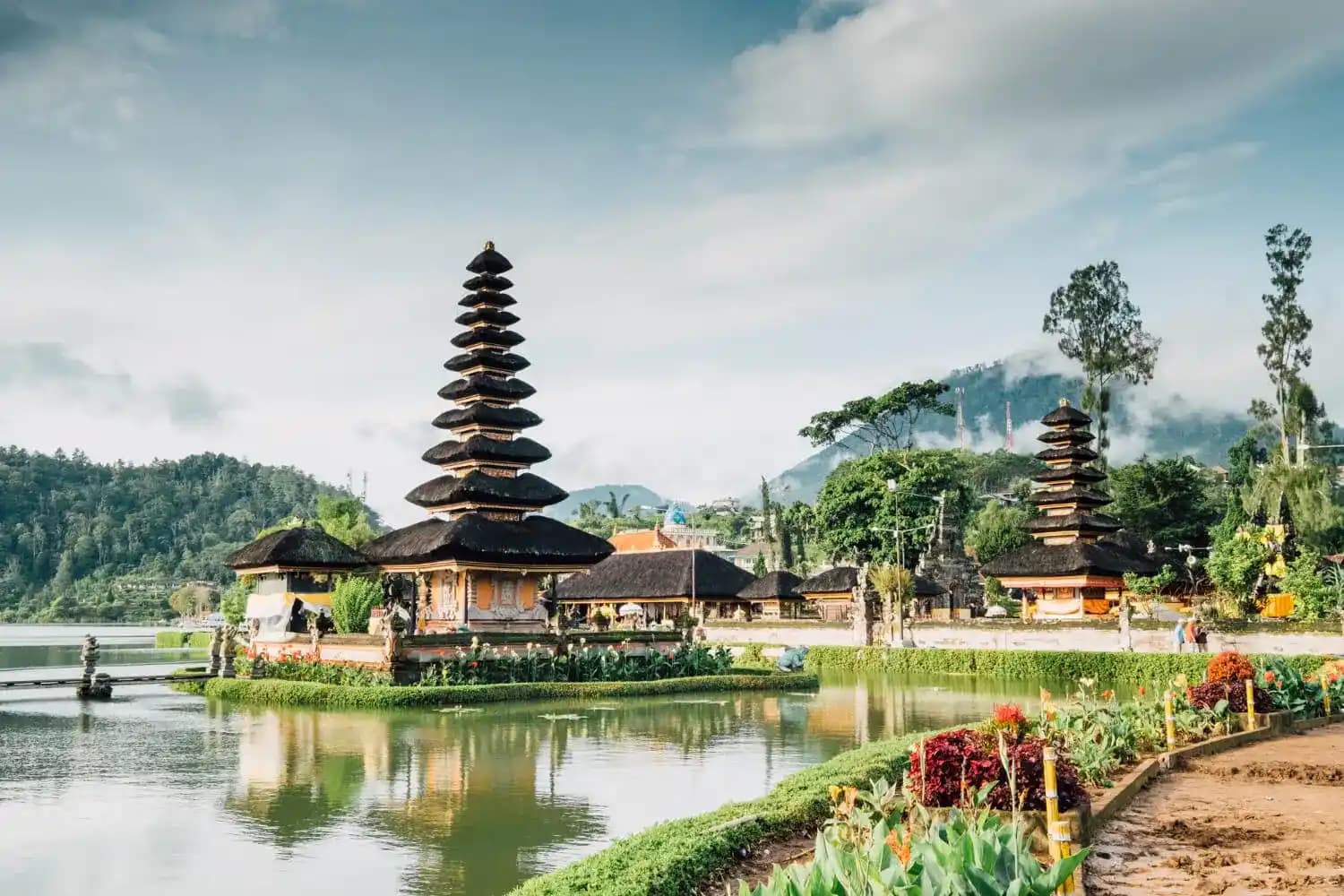

Explore Punakha - Bhutan Travel, Asia
Nestled in the lush valleys of the Himalayas, Punakha is a destination that captivates every traveler with its breathtaking beauty and deep-rooted cultural heritage. Once the capital of Bhutan, this serene town offers the perfect escape for those seeking both tranquility and adventure. The landscape is dominated by green terraced rice fields, winding rivers, and the stunning Punakha Dzong—a fortress that stands as a symbol of Bhutanese architecture and history. Whether you’re a history enthusiast, a nature lover, or a spiritual seeker, Punakha is a treasure trove of experiences waiting to be discovered.
Population: Approximately 28,700 in 2017.
Economy: Punakha's economy is primarily based on agriculture, with rice and livestock farming being key contributors. Tourism also plays a growing role, thanks to its historical landmarks and natural beauty.
Landmarks: Famous for the Punakha Dzong, Chimi Lhakhang (or Temple of Fertility), and the Punakha Suspension Bridge.

Overview of Punakha
History & Cultural Influence
Punakha has a significant place in Bhutanese history because it was the country's capital for over 300 years, from the 17th to the early twentieth century, and it is still a spiritual and cultural hub today. The Punakha Dzong, also known as the "Palace of Great Happiness," is a famous landmark in Bhutan and a symbol of Tibetan Buddhism's influence on daily life in Punakha. Traditional beliefs and customs are still practiced widely, from local festivals to rituals performed at the temples. One could say that exploring Punakha is like stepping back in time, where the town’s culture is deeply intertwined with its history.
Interaction with the Locals
Punakha has a modest population, with most residents living in small villages scattered across the valley. The majority of the citizens are of Bhutanese ethnicity and follow Tibetan Buddhism, which heavily influences their daily lives and cultural practices. Punakha’s people are known for their warm hospitality, close-knit communities, and strong ties to agricultural traditions. Despite modernization in some areas, the residents maintain a peaceful, simple lifestyle deeply connected to nature and spirituality.

Top Attractions in Punakha
Punakha boasts some of the most iconic landmarks in Bhutan, each offering a unique window into the country’s history, spirituality, and natural beauty. Whether you are visiting for cultural exploration or scenic adventures, these top attractions are unmissable.
Punakha Dzong
The Punakha Dzong is the crown jewel of Punakha and a must-visit for every traveler. This great fortress, constructed in the 17th century, is situated at the junction of the Pho Chhu and Mo Chhu rivers. It is revered as a spiritual and administrative center and showcases exquisite Bhutanese architecture. The dzong is also home to important relics and the sacred remains of Zhabdrung Ngawang Namgyel, Bhutan's unifier.
Chimi Lhakhang (Temple of Fertility)
Known for its unique traditions, Chimi Lhakhang is a popular pilgrimage site. The temple was established to venerate Drukpa Kunley, a Buddhist saint also known as the "Divine Madman." Couples frequently visit Chimi Lhakhang to pray for fertility, and the temple is famous for its unique artwork of phalluses, which represent fertility and protection from evil spirits.
Punakha Suspension Bridge
Adventure lovers will enjoy the Punakha Suspension Bridge, one of the longest suspension bridges in Bhutan. Spanning over 160 meters, this bridge offers breathtaking views of the valley below and the rushing Mo Chhu River. It’s also a great spot for photography, capturing both the scenic landscape and the traditional prayer flags fluttering in the wind.
Khamsum Yulley Namgyal Chorten
This beautiful stupa, perched on a hilltop overlooking the Punakha Valley, is a masterpiece of Bhutanese architecture. The Khamsum Yulley Namgyal Chorten was built to promote peace and harmony, and its intricate details make it a must-see for those interested in Bhutanese art and spiritual design. A short hike through rice fields leads you to this stunning monument, offering panoramic views of the Punakha countryside.

Must-Try Dishes in Punakha
Bhutanese cuisine is known for its bold flavors, often featuring chilies and dairy products like cheese. In Punakha, you’ll have the chance to indulge in traditional dishes that reflect the region's agricultural heritage and culinary traditions.
- Ema Datshi: Ema Datshi is Bhutan’s national dish, a fiery stew made with green chilies and locally sourced cheese. Punakha’s version of Ema Datshi is particularly rich, thanks to the local dairy farms that produce fresh cheese. It’s a staple at every meal and a must-try for those who enjoy spicy food.
- Momos: Momos are Tibetan-style dumplings filled with meat or vegetables, and they’re a popular snack across Bhutan. In Punakha, momos are often served during festivals and gatherings. The dumplings are steamed or fried, with spicy dipping sauces on the side.
- Red Rice: Red rice is a staple in Bhutanese cuisine, grown locally in the fertile fields of Punakha. This unique, nutty-tasting rice is often paired with curries and stews. The high-altitude farming practices of the region give it a distinctive flavor and texture.
- Puta (Buckwheat Noodles): Puta is made from locally grown buckwheat and served with spicy curry or sautéed vegetables. It’s a healthy, gluten-free option and a popular dish in Punakha’s rural areas, where buckwheat is a key crop.
- Jaju Soup: Jaju is a light Bhutanese soup made with milk, leafy greens, and sometimes eggs. It’s a comforting dish, often served during colder months, and a great way to warm up after exploring Punakha’s cooler mountain areas.

Festivals & Local Celebrations
Punakha is home to some of Bhutan’s most vibrant and culturally significant festivals. These festivals not only provide spiritual significance but also showcase Punakha’s vibrant community spirit. Travelers attending these events will experience the warmth of Bhutanese hospitality, with locals often inviting visitors to join in the celebrations.
Punakha Tshechu
The Punakha Tshechu is an annual festival held in the magnificent Punakha Dzong. It is one of Bhutan’s most important religious events, celebrating Guru Rinpoche, who brought Buddhism to Bhutan. The festival features elaborate mask dances performed by monks, each dance representing different aspects of Bhutanese history and mythology. Visitors are welcome to watch the festivities, which are believed to bring blessings and protect against evil spirits.
Punakha Drubchen
The Punakha Drubchen is another major festival that commemorates Bhutan’s victory over Tibetan invaders in the 17th century. The festival is a reenactment of the battle, where locals dress in traditional military attire and perform ancient warrior dances. It’s a unique opportunity to see Bhutan’s martial history brought to life through dance and drama.

What to Do in Punakha
- Hiking Routes in Punakha: Punakha is surrounded by stunning landscapes, making it a hiker’s paradise. Popular hikes include the trail to Khamsum Yulley Namgyal Chorten, which takes you through rice terraces and lush forests, offering breathtaking views of the valley. Trekking routes range from easy walks to more challenging multi-day journeys, perfect for nature lovers and adventure enthusiasts.
- River Rafting: For thrill-seekers, Punakha offers river rafting on the Pho Chhu and Mo Chhu rivers. These rivers provide both gentle floats and more intense rapids, making it a fun activity for beginners and experienced rafters alike. The rafting experience also offers stunning views of the Punakha Dzong and surrounding landscapes.
- Bird Watching: Punakha is home to diverse bird species, making it a popular destination for bird watchers. The region’s wetlands and forests are habitats for rare species like the white-bellied heron and the black-necked crane. Guided bird-watching tours are available, offering a peaceful way to explore Punakha’s natural beauty.
- Meditation & Spiritual Retreats: For those seeking peace and tranquility, Punakha is the perfect destination for meditation and spiritual retreats. Many monasteries and temples offer quiet spaces for reflection and guided meditation sessions. Visitors can also join spiritual retreats to learn about Bhutanese Buddhism and connect with the local culture on a deeper level.
Shopping in Punakha
- Handicrafts Stores: Punakha is known for its beautiful hand-woven textiles and intricate wooden carvings. You’ll find a variety of handmade goods, including scarves, blankets, and intricate religious items like prayer wheels and small statues. These items make for meaningful souvenirs and support local artisans.
- Punakha Markets: Exploring Punakha’s local markets is a great way to immerse yourself in the local culture. The markets offer a range of goods, from fresh produce to handmade crafts. Visitors can also find yak wool products, which are popular for their warmth and durability, especially in the colder months.
- Yak Wool Products Stores: Bhutan is famous for its hand-woven textiles, and Punakha is no exception. Visitors can purchase beautiful pieces made from natural fibers, including yak wool. These textiles are often woven in traditional patterns, making them not only functional but also a piece of Bhutanese art.

Weather in Punakha: Best Time to Visit
Punakha enjoys a subtropical climate, making it one of the warmer regions in Bhutan. The town's weather is generally mild throughout the year, but each season offers its own unique experience for travelers. Understanding the weather conditions will help you plan your visit for the activities and experiences you want.
Spring in Punakha
Spring is one of the best times to visit Punakha, with pleasant temperatures ranging from 15°C to 25°C (59°F to 77°F). The valley comes alive with blooming flowers, and the rice fields start to turn green. This is also a popular time for trekking and sightseeing, as the skies are clear, offering stunning views of the surrounding mountains.
Summer in Punakha
Summers in Punakha are warm, with temperatures reaching up to 30°C (86°F). The region experiences monsoon rains during this time, with heavy downpours in the afternoons. Although the rain can limit outdoor activities, the valley becomes lush and vibrant, and it’s a great time to experience the region’s agricultural life.
Autumn in Punakha
Autumn is another peak season for tourists in Punakha. With temperatures ranging between 10°C and 23°C (50°F to 73°F), the weather is cool and dry. The rice terraces turn golden, and the harvest season brings a festive atmosphere. This is the ideal time for outdoor activities like hiking, river rafting, and bird watching.
Winter in Punakha
Winters in Punakha are mild compared to other parts of Bhutan. Temperatures can drop to around 5°C (41°F) at night but remain comfortable during the day, averaging between 10°C and 15°C (50°F to 59°F). It’s a peaceful time to visit, with fewer tourists and crisp, clear skies perfect for photography and sightseeing.

Essential Travel Information
Getting Around Punakha
- Bicycles: For a more eco-friendly and active way to explore Punakha, biking will give the freedom to stop and explore at your own pace. You can ride through the valley’s picturesque rice terraces, riverside paths, and traditional villages. The terrain in Punakha is mostly flat, making cycling an enjoyable and leisurely activity for all fitness levels.
- Walking: Punakha’s compact size makes it easy to explore certain areas on foot. Walking is a fantastic way to take in the tranquil atmosphere and discover hidden spots that might be missed when traveling by car. You can walk along the Punakha Suspension Bridge, wander through rice fields, or take leisurely strolls through the town and local markets.
- Horseback Riding: For a unique transportation experience, horseback riding is available in some parts of Punakha. Although it’s not a common method of transportation, it is a fun and scenic way to explore the more rural and mountainous areas of Punakha.
- Rafts and Boats: While not a traditional method of transportation, rafting along the Mo Chhu and Pho Chhu rivers is a popular activity that also offers a unique way to see Punakha’s landscape. Although rafting is mostly for recreation, it’s an adventurous way to experience the region.
ATM & Banking Services
When visiting Punakha, it's important to be prepared with cash, as banking services and ATMs are limited. Although you can find a few ATMs around the town center, not all of them accept international cards, so it’s advisable to withdraw sufficient funds in larger cities like Thimphu or Paro before traveling to Punakha. Credit card usage is also limited, primarily accepted at upscale hotels and restaurants. For daily expenses, including shopping at local markets and paying for transportation, it’s best to carry cash in Bhutanese Ngultrum (BTN) or Indian rupees, both of which are widely accepted in Punakha.
Where to Stay in Punakha
- Luxury Resorts: For travelers looking to indulge, Punakha has several luxury resorts that provide stunning views of the surrounding valley and mountains. These eco-friendly resorts combine modern amenities with traditional Bhutanese architecture, offering a peaceful retreat with spa services, fine dining, and beautifully landscaped gardens.
- Mid-Range Hotels: These hotels are ideal for travelers looking for convenience and affordability without sacrificing comfort. Many are located near major attractions like the Punakha Dzong and offer amenities such as on-site dining, free Wi-Fi, and traditional Bhutanese decor, making them a great option for those seeking a balance of price and quality.
- Guesthouses & Homestays: For those looking for a more personal and budget-friendly experience, Punakha has a variety of guesthouses and homestays. Staying with a local family in a homestay offers a unique opportunity to experience Bhutanese culture firsthand, with home-cooked meals and the chance to participate in daily life. Guesthouses, on the other hand, provide simple but comfortable accommodations, often run by locals who are happy to share their knowledge of the area and offer a more intimate, community-focused stay.
Articles for you

Explore Trongsa - Bhutan Travel, Asia
Trongsa is a hidden gem of Bhutan waiting to be discovered. With its breathtaking landscapes and deep-rooted cultural significance, Trongsa is more than just a stopover on the way to eastern Bhutan. Strategically located on a ridge, Trongsa has played a central role in Bhutan's history and is an important tourist destination of Bhutan’s untouched beauty and rich cultural heritage. It offers travelers a chance to dive into the kingdom's history, surrounded by dramatic mountain views and the timeless charm of traditional Bhutanese architecture.
Population: Approximately 20,000 in 2017.
Economy: Trongsa's economy is mostly based on agriculture, with locals cultivating crops like rice and maize. Tourism also plays a key role, supported by its rich history and cultural significance.
Landmarks: Famous for the Trongsa Dzong, Ta Dzong, and the Chendebji Chorten.

Explore Bumthang - Bhutan Travel, Asia
Bumthang, often referred to as the spiritual heartland of Bhutan, is a hidden gem nestled in the heart of the Himalayas. Located in central Bhutan, Bumthang is easily accessible from major cities like Thimphu and Paro, making it a must-visit destination for anyone exploring the kingdom. As one of the country’s oldest inhabited regions, Bumthang is a living testament to Bhutan’s cultural evolution, offering a window into its sacred past and vibrant present. This region is divided into four scenic valleys—Chokhor, Tang, Ura, and Chumey—each offering unique experiences, from exploring ancient temples to trekking through pristine nature.
Population: Approximately 18,000 in 2017.
Economy: Bumthang's economy is largely driven by agriculture, with buckwheat, dairy products, and honey as key outputs. Tourism and traditional crafts like Yathra weaving also play a vital role in local livelihoods.
Landmarks: Famous for the Jakar Dzong, Kurje Lhakhang, and the Jambay Lhakhang.

Explore Wangdue Phodrang - Bhutan Travel, Asia
Wangdue Phodrang is a stunning district renowned for its untouched beauty and rich cultural heritage. This picturesque region, located just a few hours' drive from the capital Thimphu, offers travelers the perfect mix of scenic landscapes, fascinating history, and serene monasteries. With its winding rivers, lush valleys, and majestic mountains, Wangdue Phodrang is rapidly gaining popularity among visitors looking to experience authentic Bhutan. Whether you want to explore historic Dzongs, hike through pristine nature reserves, or just immerse yourself in local culture, this region has something for everyone.
Population: Approximately 9,000 in 2017.
Economy: Wangdue Phodrang's economy is primarily agriculture-based, including farming, livestock rearing, and small-scale handicrafts. Tourism also contributes significantly, driven by its cultural and natural attractions.
Landmarks: Famous for the Wangdue Phodrang Dzong, Phobjikha Valley, and the Gangtey Monastery.


Our Best-Selling Tours
Follow Us