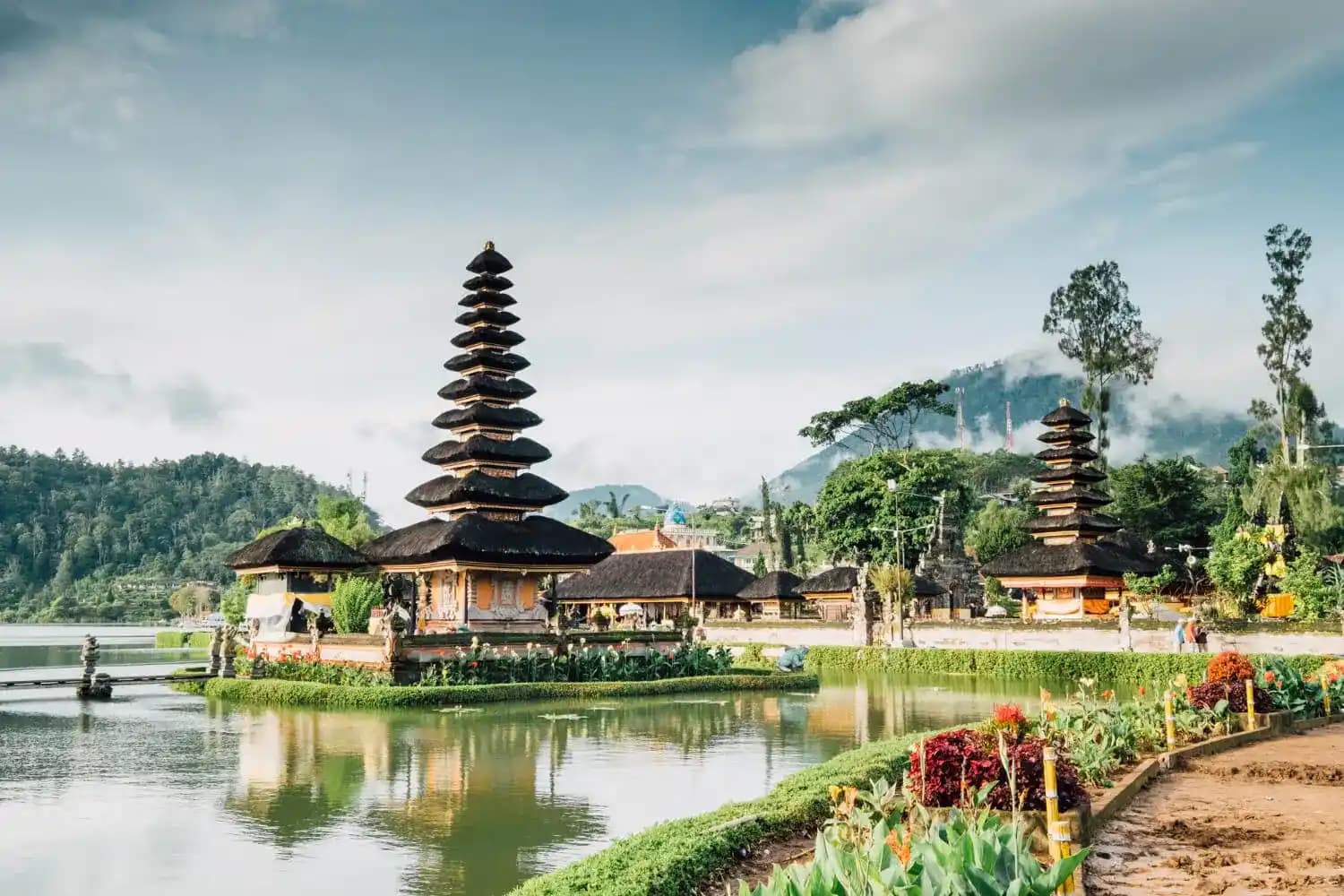

Explore Wangdue Phodrang - Bhutan Travel, Asia
Wangdue Phodrang is a stunning district renowned for its untouched beauty and rich cultural heritage. This picturesque region, located just a few hours' drive from the capital Thimphu, offers travelers the perfect mix of scenic landscapes, fascinating history, and serene monasteries. With its winding rivers, lush valleys, and majestic mountains, Wangdue Phodrang is rapidly gaining popularity among visitors looking to experience authentic Bhutan. Whether you want to explore historic Dzongs, hike through pristine nature reserves, or just immerse yourself in local culture, this region has something for everyone.
Population: Approximately 9,000 in 2017.
Economy: Wangdue Phodrang's economy is primarily agriculture-based, including farming, livestock rearing, and small-scale handicrafts. Tourism also contributes significantly, driven by its cultural and natural attractions.
Landmarks: Famous for the Wangdue Phodrang Dzong, Phobjikha Valley, and the Gangtey Monastery.

Overview of Wangdue Phodrang
History & Cultural Influence
Wangdue Phodrang's history dates back to the 17th century when Zhabdrung Ngawang Namgyel, the unifier of Bhutan, founded the iconic Wangdue Phodrang Dzong in 1638. The influence of Buddhism takes root in every corner of this place with ancient monasteries and sacred sites reflecting the deep spiritual roots of the region. The Gangtey Monastery, perched atop a ridge overlooking the Phobjikha Valley, is one of the holiest sites in Bhutan. Beyond its religious significance, Wangdue Phodrang’s cultural heritage is deeply intertwined with its local communities. Traditional Bhutanese architecture, folk dances, and customs thrive here, offering visitors a unique glimpse into the country's rich past.
Interaction with The Locals
Wangdue Phodrang is home to a small, close-knit population, primarily consisting of Bhutanese citizens from various ethnic groups such as the Ngalop, Sharchop, and Lhotshampa. The locals are known for their warm hospitality and deep-rooted Buddhist traditions. Agriculture plays a significant role in their daily lives, with many residents engaged in farming and livestock rearing. While the district is rural, the people of Wangdue Phodrang maintain a strong sense of community, preserving their cultural heritage and traditional way of life.

Top Attractions in Wangdue Phodrang
Wangdue Phodrang is home to some of Bhutan’s most captivating landmarks and natural wonders, from historic fortresses to tranquil valleys, these must-visit attractions will leave you in awe.
Wangdue Phodrang Dzong
The Wangdue Phodrang Dzong is an ancient fortress once served as a defensive stronghold and continues to be a symbol of Bhutanese heritage. Its location atop a hill offers visitors breathtaking views of the valley and rivers below. While it is currently undergoing reconstruction, visiting the Dzong remains a must for its historical significance and architectural beauty.
Phobjikha Valley
Phobjikha Valley, also known as the "valley of the black-necked cranes," is a pristine glacial valley surrounded by dense pine forests. It's an ideal destination for those who love hiking, bird watching, and photography. In winter, the valley becomes a sanctuary for the endangered black-necked cranes, making it a perfect time to visit for nature enthusiasts.
Gangtey Monastery
The Gangtey Monastery, located above Phobjikha Valley, is one of Bhutan's oldest and most sacred religious places to its people. The monastery’s stunning location, combined with its rich spiritual atmosphere, makes it a must-visit for those seeking tranquility and insight into Bhutanese Buddhist practices.
Jigme Dorji National Park
For adventure seekers, Jigme Dorji National Park offers incredible trekking routes, wildlife sightings, and the chance to explore one of Bhutan’s most biodiverse regions. This national park is home to various rare species such as snow leopards, Bengal tigers, and red pandas, as well as hundreds of plant species.

Must-Try Dishes in Wangdue Phodrang
Wangdue Phodrang offers a flavorful dive into Bhutanese cuisine, known for its simplicity and the bold use of spices, particularly chilies. Each of these dishes showcases the richness and variety of Bhutanese cuisine, from fiery chilies to hearty, savory meals.
- Ema Datshi: The national dish of Bhutan, Ema Datshi, is a spicy and creamy dish made from green chilies and local cheese. It is served with rice and is a staple in most Bhutanese households. The heat from the chilies, combined with the richness of the cheese, creates an unforgettable flavor.
- Phaksha Paa: This substantial pork meal is popular among the locals. Phaksha Paa is a stir-fried pork dish made with dried chiles, garlic, radish, and leafy greens. Its rich, savory flavor makes it a delightful and filling supper that is typically served with red or white rice.
- Jasha Maroo: Jasha Maroo is a chicken dish famous for its soft chicken pieces cooked in a spicy sauce composed with chilies, garlic, ginger, and tomatoes which makes it slightly less intense in heat compared to Ema Datshi, making it a delicious option for those looking for a balance of spice and flavor.
- Hoentay: Originally from the Haa Valley, Hoentay is also enjoyed in Wangdue Phodrang. These dumplings are made from buckwheat dough and stuffed with a mix of spinach, cheese, and other herbs. Often steamed or fried, they’re served with a spicy dipping sauce and are perfect for a light snack or meal.
- Puta: Puta is a traditional Bhutanese buckwheat noodle dish that is particularly common in the western parts of the country, including Wangdue Phodrang. The noodles are boiled and stir-fried with garlic, onions, and sometimes meat or eggs.
- Suja (Butter Tea): Suja, or butter tea, is a fundamental part of every Bhutanese meal. This traditional beverage, made from tea leaves, yak butter, and salt, has a unique savory taste.

Festivals & Local Celebrations
Wangdue Phodrang comes alive during its vibrant festivals, which reflect Bhutan's deep-rooted spiritual traditions and community spirit. These celebrations provide travelers with a window into Bhutanese culture, featuring colorful dances, rituals, and joyous gatherings.
Wangdue Tshechu
The Wangdue Tshechu is one of the district's most significant festivals, held annually in the fall. This three-day Buddhist celebration features traditional mask dances, performed by monks and locals to depict the victory of good over evil. Visitors are welcome to join the festivities, where they can witness sacred rituals and vibrant costumes while soaking in the lively atmosphere.
Gangtey Tshechu
Held at the Gangtey Monastery, the Gangtey Tshechu is another important festival that draws both locals and tourists. This celebration, dedicated to the teachings of Guru Rinpoche, features religious mask dances, blessings, and prayers. The festival coincides with the arrival of black-necked cranes in the nearby Phobjikha Valley, adding to its spiritual significance.
Black-Necked Crane Festival
Taking place in Phobjikha Valley every November, the Black-Necked Crane Festival celebrates the annual return of these endangered birds. Locals organize cultural performances, crane-themed dances, and educational activities to promote conservation efforts. The festival is a unique blend of cultural celebration and environmental awareness, making it a meaningful event for nature lovers.

What to Do in Wangdue Phodrang
- Trekking & Hiking in Wangdue Phodrang: The lush landscapes of Phobjikha Valley and Jigme Dorji National Park offer various trekking trails suitable for all levels. The Gangtey Nature Trail is a popular short hike that takes you through stunning forests, farmlands, and offers panoramic views of Phobjikha Valley. For more seasoned trekkers, the Snowman Trek—considered one of the toughest in the world—begins in Wangdue Phodrang and offers a challenging adventure through high-altitude passes and remote wilderness.
- Cultural Tours: Tours of the Gangtey Monastery and Wangdue Phodrang Dzong offer deep insights into Bhutan’s spiritual and architectural heritage. The serene atmosphere of these religious sites provides a peaceful retreat for visitors looking to connect with Bhutanese culture.
- Bird Watching in Phobjikha Valley: Phobjikha Valley is famous for being the winter home of the rare black-necked cranes, making it a top destination for bird watchers. The best time to observe these majestic birds is from November to February, when they migrate from Tibet.
- River Rafting in Punakha River: For those seeking adventure, the Punakha River offers thrilling river rafting experiences. With rapids that cater to both beginners and experienced rafters, this activity is a perfect way to enjoy the region’s scenic beauty from a different perspective.
Shopping in Wangdue Phodrang
- Bhutanese Textiles Shops: Bhutanese textiles are highly valued for their intricate designs and quality craftsmanship. In Wangdue Phodrang local market, you’ll find locally woven items such as Kiras (traditional women’s attire) and Ghos (men’s attire). The vibrant patterns and natural dyes used in these garments reflect the region’s artistic flair and make for a unique souvenir.
- Handwoven Baskets Stores: The locals in Wangdue Phodrang are known for their skill in weaving sturdy and beautifully designed baskets, made from bamboo or cane. These baskets, used traditionally for carrying crops, can be found in local markets and are both functional and decorative.
- Traditional Masks Specialty Shop: Traditional Bhutanese masks, often used in religious festivals, are a popular item among visitors. These masks are hand-carved and painted with bright colors, representing deities, animals, or mythical creatures. They make for striking decorations or meaningful keepsakes from your journey.

Weather in Wangdue Phodrang: Best Time to Visit
Spring in Wangdue Phodrang
Spring is one of the best times to visit Wangdue Phodrang. The weather is pleasant, with temperatures ranging from 10°C to 25°C (50°F to 77°F). The landscape bursts into color with blooming rhododendrons and lush greenery, making it perfect for hiking and sightseeing. Festivals such as the Wangdue Tshechu also take place during this period, offering a rich cultural experience.
Summer in Wangdue Phodrang
Summer comes along with the monsoon season, which provides considerable rainfall to the region, with temperatures are about 15°C to 30°C (59°F to 86°F). While the rain transforms the valley into a lush, green paradise, it can also make travel and outdoor activities more challenging due to muddy roads and slippery trekking paths. However, this season is ideal for travelers who prefer a quieter experience and want to enjoy the landscapes without the crowds.
Autumn in Wangdue Phodrang
Autumn is another peak season for tourism in Wangdue Phodrang, as the weather is cool and dry. Temperatures normally range between 10°C and 20°C (50°F to 68°F). The sky is typically clear, providing breathtaking vistas of the surrounding mountains and valleys. Autumn is also the season for the Black-Necked Crane Festival, a unique event that combines nature and culture, making it a fantastic time for bird watching and wildlife photography.
Winter in Wangdue Phodrang
Winter in Wangdue Phodrang is chilly, with temperatures varying between -5°C to 10°C (23°F to 50°F). While the region doesn’t receive heavy snowfall, the air is crisp, and the landscape can be quite serene. This is the perfect season to spot the endangered black-necked cranes in Phobjikha Valley. Winter travelers should pack warm clothes but will be rewarded with fewer tourists and more peaceful surroundings.

Essential Travel Information
Getting Around Wangdue Phodrang
- Taxis: Taxis are a common mode of transport and can be easily arranged through your hotel or a local taxi stand. It’s recommended to negotiate the fare beforehand, as meters are not always used.
- Private Car Rental: For more flexibility, renting a private vehicle with a driver is a great option. Many tourists choose this option as it allows them to explore remote areas like Phobjikha Valley at their own pace.
- Public Buses: Public buses operate between major towns and districts in Bhutan, including Wangdue Phodrang. While this is the most affordable option, buses can be slow and schedules are often limited, making it less convenient for travelers with tight schedules.
ATM & Banking Services
ATM and banking services in Wangdue Phodrang are relatively limited due to its rural nature, so travelers are advised to plan ahead. While a few ATMs are available in the main town areas, they can sometimes be unreliable or out of service, especially during busy periods. It’s recommended to withdraw cash in larger cities like Thimphu or Paro before heading to Wangdue Phodrang. Currency exchange options are scarce, and most smaller establishments prefer cash payments, so it's important to carry enough local currency for daily expenses.
Where to Stay in Wangdue Phodrang
- Luxury Hotels: Luxury hotels and resorts in the area provide world-class amenities and stunning views of the surrounding landscapes. These hotels frequently include traditional Bhutanese architecture coupled with modern amenities.
- Guesthouses: Budget-conscious travelers will find a range of guesthouses in Wangdue Phodrang that provide clean and comfortable rooms at affordable prices. These smaller accommodations may not have the luxury amenities of high-end hotels, but they offer basic necessities and are a great way to stay close to local attractions while keeping costs low.
- Homestays: Homestays allow travelers to live with a Bhutanese family, participate in daily activities, and enjoy home-cooked meals. This is an excellent choice for those who want to immerse themselves in Bhutanese culture and traditions, while also supporting local communities.
Articles for you

Explore Bumthang - Bhutan Travel, Asia
Bumthang, often referred to as the spiritual heartland of Bhutan, is a hidden gem nestled in the heart of the Himalayas. Located in central Bhutan, Bumthang is easily accessible from major cities like Thimphu and Paro, making it a must-visit destination for anyone exploring the kingdom. As one of the country’s oldest inhabited regions, Bumthang is a living testament to Bhutan’s cultural evolution, offering a window into its sacred past and vibrant present. This region is divided into four scenic valleys—Chokhor, Tang, Ura, and Chumey—each offering unique experiences, from exploring ancient temples to trekking through pristine nature.
Population: Approximately 18,000 in 2017.
Economy: Bumthang's economy is largely driven by agriculture, with buckwheat, dairy products, and honey as key outputs. Tourism and traditional crafts like Yathra weaving also play a vital role in local livelihoods.
Landmarks: Famous for the Jakar Dzong, Kurje Lhakhang, and the Jambay Lhakhang.

Explore Punakha - Bhutan Travel, Asia
Nestled in the lush valleys of the Himalayas, Punakha is a destination that captivates every traveler with its breathtaking beauty and deep-rooted cultural heritage. Once the capital of Bhutan, this serene town offers the perfect escape for those seeking both tranquility and adventure. The landscape is dominated by green terraced rice fields, winding rivers, and the stunning Punakha Dzong—a fortress that stands as a symbol of Bhutanese architecture and history. Whether you’re a history enthusiast, a nature lover, or a spiritual seeker, Punakha is a treasure trove of experiences waiting to be discovered.
Population: Approximately 28,700 in 2017.
Economy: Punakha's economy is primarily based on agriculture, with rice and livestock farming being key contributors. Tourism also plays a growing role, thanks to its historical landmarks and natural beauty.
Landmarks: Famous for the Punakha Dzong, Chimi Lhakhang (or Temple of Fertility), and the Punakha Suspension Bridge.

Explore Trongsa - Bhutan Travel, Asia
Trongsa is a hidden gem of Bhutan waiting to be discovered. With its breathtaking landscapes and deep-rooted cultural significance, Trongsa is more than just a stopover on the way to eastern Bhutan. Strategically located on a ridge, Trongsa has played a central role in Bhutan's history and is an important tourist destination of Bhutan’s untouched beauty and rich cultural heritage. It offers travelers a chance to dive into the kingdom's history, surrounded by dramatic mountain views and the timeless charm of traditional Bhutanese architecture.
Population: Approximately 20,000 in 2017.
Economy: Trongsa's economy is mostly based on agriculture, with locals cultivating crops like rice and maize. Tourism also plays a key role, supported by its rich history and cultural significance.
Landmarks: Famous for the Trongsa Dzong, Ta Dzong, and the Chendebji Chorten.


Our Best-Selling Tours
Follow Us