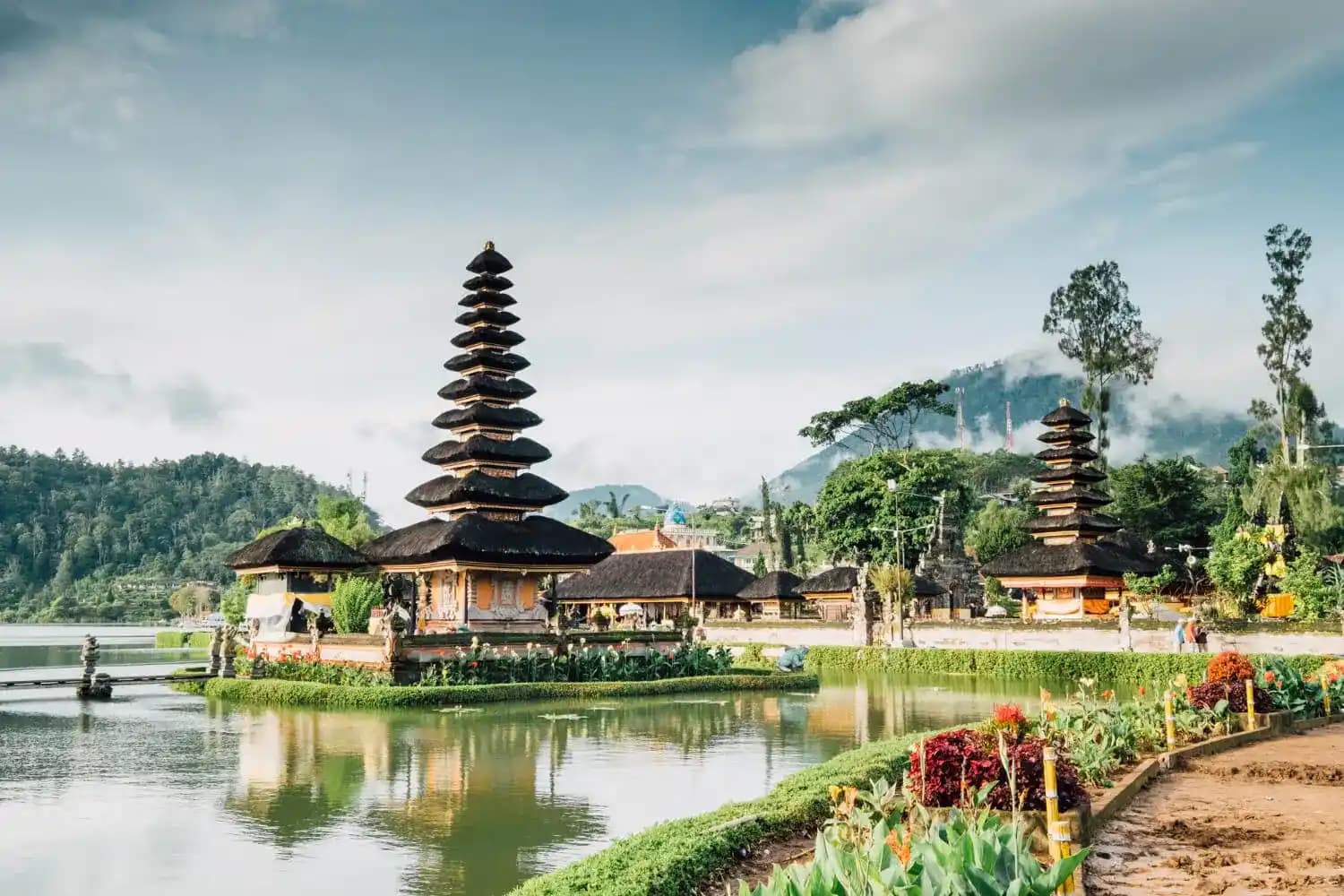

Explore Purang - Tibet Travel, Asia
Purang, a remote yet captivating destination in the far west of Tibet, is a place where the mountains touch the sky, and cultures converge. Nestled at the crossroads of Tibet, Nepal, and India, Purang is more than just a geographical location—it’s a cultural tapestry woven with threads of history, spirituality, and nature. This small town, also known as Taklakot, is a gateway to some of the most sacred sites in the world, including Mount Kailash and Lake Manasarovar, drawing pilgrims and adventurers alike. Whether you seek spiritual enlightenment, cultural immersion, or simply a serene escape, Purang offers a unique experience that is as enriching as it is unforgettable.
Population: Approximately 6,000 in 2010.
Economy: Purang’s economy is primarily based on agriculture, pastoralism, and tourism. Local livelihoods center around farming barley and potatoes, herding yaks, and welcoming visitors to its sacred sites.
Landmarks: Famous for Mount Kailash, Lake Manasarovar, and Guge Kingdom Ruins.

Overview of Purang
History & Cultural Influence
Purang’s history is as rich and layered as the Himalayas that surround it. For centuries, this town has served as a vital link along ancient trade routes, connecting Tibet with the Indian subcontinent. Traders, pilgrims, and nomads have passed through Purang, leaving behind a legacy of cultural exchange that is still evident today. From cultural and religious points, Purang is a key entry point for pilgrims journeying to Mount Kailash, a peak revered by Buddhists, Hindus, Jains, and followers of the Bon religion. This spiritual hub is where cultures and beliefs blend harmoniously, creating a unique atmosphere that is deeply spiritual yet warmly inclusive.
Interaction with The Locals
Purang is a small town with a modest population, primarily composed of ethnic Tibetans. The residents are deeply rooted in their cultural and religious traditions, with Tibetan Buddhism playing a central role in daily life. The community is known for its warm hospitality, welcoming visitors with open arms and a genuine spirit of kindness. Life in Purang revolves around agriculture, herding, and trade, reflecting a strong connection to the land and a simple, yet fulfilling way of life. The people of Purang take pride in preserving their cultural heritage while maintaining a peaceful and harmonious existence.

Top Attractions in Purang
Mount Kailash
Mount Kailash stands as the crown jewel of Purang, renowned for its breathtaking beauty and profound religious significance. This sacred peak is revered by Buddhists, Hindus, Jains, and Bon followers, each of whom believes that a pilgrimage to Mount Kailash is a journey of spiritual purification. The mountain's majestic presence creates an indelible effect on those who visit, providing a peaceful and awe-inspiring experience regardless of religious views.
Lake Manasarovar
Located near Mount Kailash, Lake Manasarovar is another of Purang’s iconic sites. Recognized as the highest freshwater lake in the world, its crystal-clear waters mirror the surrounding snow-capped peaks, creating a scene of unparalleled beauty. For Hindus and Buddhists, the lake holds sacred significance, with many believing that bathing in its waters purifies the soul and cleanses one of sins.
Guge Kingdom Ruins
The Guge Kingdom ruins provide a fascinating glimpse into Purang’s rich history. Once a thriving civilization, the remnants of the Guge Kingdom tell stories of a bygone era through ancient murals, fortresses, and temples. Exploring these ruins allows visitors to step back in time and witness the architectural and cultural achievements of this lost kingdom.
Yarlung Tsangpo Canyon
Often referred to as the "Grand Canyon of Tibet," the Yarlung Tsangpo Canyon is a natural wonder that captivates with its dramatic landscapes. The canyon provides spectacular vistas and inspires awe at nature's sheer force and beauty. It is a must-see for everyone looking to see the raw, untamed grandeur of Tibet's wildness.
Purang Temple
Purang Temple, though small, is a significant religious site in the town. This temple offers insight into local spiritual practices and provides a peaceful space for reflection. Its intimate setting allows visitors to connect deeply with the spiritual traditions that have shaped Purang’s cultural heritage.

Must-Try Dishes in Purang
- Tsampa: Tsampa is a traditional Tibetan staple made from roasted barley flour. Often mixed with butter tea or yogurt, this hearty dish provides warmth and energy, perfectly suited for Purang's high-altitude climate.
- Thukpa: Thukpa is a flavorful noodle soup loaded with vegetables, meat, and aromatic spices. This comforting dish is a local favorite, offering a satisfying meal after a day of exploration.
- Momos: Momos are delicious steamed or fried dumplings filled with minced meat, vegetables, or cheese. Served with spicy dipping sauces, these bite-sized delights are a must-try for any food enthusiast.
- Butter Tea (Po Cha): Butter Tea, known locally as Po Cha, is a unique beverage made from brewed tea, yak butter, and salt. This rich and creamy drink is integral to Tibetan hospitality and helps combat the cold mountain temperatures.
- Sha Balep: Sha balep are crispy fried meat pies filled with seasoned beef or yak meat. These savory pastries make an excellent snack or quick dinner on the run.
- Laping: Laping is a cold noodle dish made from mung bean or wheat starch, seasoned with spicy chili sauce and soy vinegar. This refreshing and spicy snack offers a burst of flavor and is popular during warmer months.
- Dried Cheese (Chhurpi): Chhurpi is a typical dry cheese snack made with yak or cow milk. Chewy and high in protein, it's a beloved local delicacy that offers a distinct taste sensation.

What to Do in Purang
- Trek to Mount Kailash: Embark on the spiritual trek around Mount Kailash, known as the Kailash Kora. This 52-kilometer journey offers breathtaking views of the Himalayas and a profound connection to the spiritual significance of the region.
- Explore Ancient Monasteries and Caves: Visit Purang's ancient monasteries and sacred caves, where you can discover centuries-old murals, statues, and religious artifacts. These sites provide a deep dive into Tibetan history, culture, and spirituality.
- Bird-Watch at Lake Manasarovar: Spend time at Lake Manasarovar, a serene spot for bird-watching. The lake attracts a variety of migrating species and provides a serene escape amidst breathtaking natural splendor.
- Take a Yak Ride in Purang: Experience the traditional way of life by taking a yak ride through Purang's rugged landscapes. It's a unique and memorable way to explore the region's natural scenery.
- Visit Local Markets: Stroll through the bustling local markets of Purang, where you can shop for traditional Tibetan crafts, religious artifacts, and handmade textiles. Engaging with local vendors offers an authentic glimpse into everyday life.
Shopping in Purang
- Local Markets: Explore Purang’s lively local markets, where you can find a variety of goods from fresh produce to handcrafted items. These markets offer an authentic shopping experience and a chance to interact with local vendors.
- Tibetan Craft Shops: Visit shops specializing in traditional Tibetan crafts, including prayer flags, thangkas (religious paintings), and woven carpets. These unique items make for meaningful souvenirs that reflect the region's cultural heritage.
- Religious Artifact Stores: Browse stores selling Tibetan religious artifacts such as prayer wheels, statues, and ritual objects. These items are often handcrafted by local artisans and hold spiritual significance, making them special keepsakes.
- Textile Shops: Discover beautifully crafted textiles in Purang’s shops, where local weavers offer high-quality fabrics, scarves, and blankets. These handmade textiles are a perfect blend of tradition and craftsmanship, ideal for gifts or personal use.

Weather in Purang: Best Time to Visit
Spring in Purang
Spring in Purang is a delightful time to visit, with temperatures gradually warming up and the landscape coming alive with blooming wildflowers. Daytime temperatures range from 5°C to 15°C (41°F to 59°F), and evenings may be cool. Spring is ideal for trekking and outdoor activities, as the weather is generally clear and pleasant, making it a popular time for those looking to enjoy the natural beauty of the region.
Summer in Purang
Summer is the peak tourist season in Purang, characterized by milder temperatures ranging from 10°C to 20°C (50°F to 68°F). This period offers the best weather for exploring the area, with clear skies and less chance of rain. It's an excellent time for trekking, especially around Mount Kailash and Lake Manasarovar, as the trails are more accessible and the views are stunning. Be prepared for occasional afternoon showers and pack layers to adjust to temperature changes.
Autumn in Purang
Autumn brings cooler temperatures, ranging from 5°C to 15°C (41°F to 59°F), with crisp air and clear skies. The fall colors add a beautiful backdrop to your travels, making it a picturesque time for sightseeing and photography. While the weather is generally stable, be prepared for colder evenings and occasional frost. Autumn is a quieter season, ideal for those who prefer a more serene experience away from the peak tourist crowds.
Winter in Purang
Winter in Purang is cold, with temperatures often dropping below freezing, ranging from -10°C to 5°C (14°F to 41°F). Snowfall is common, providing a winter wonderland while making travel more difficult. This season is perfect for those seeking solitude and a chance to experience the region’s serene beauty in a snowy landscape. However, winter travel requires careful preparation, including appropriate cold-weather gear and planning for potential disruptions due to snow.

Cultural Etiquette in Purang
When visiting Purang, understanding and respecting local customs enhances your experience and fosters positive interactions with the community.
- Appropriate Outfits: When visiting monasteries or religious sites, dress modestly. Avoid wearing shorts or revealing clothing. Long skirts or pants and covered shoulders are recommended to show respect for religious traditions.
- Remove Footwear: Remove your shoes before entering monasteries and sacred spaces. This is a sign of respect and helps maintain the sanctity of the space.
- Temple Customs: Walk clockwise around religious stupas, prayer wheels, and other sacred objects. This practice is considered auspicious and respectful.
- Photograph Permission: Always seek permission before taking photos of people, especially monks or locals in traditional attire. Many religious sites prohibit photography, so look for signs or ask a local guide. Avoid taking photos in sensitive areas such as prayer halls or during religious ceremonies unless explicitly allowed.
- Respect for Religious Symbols: Do not touch or point your feet towards religious symbols, such as altars or statues. This is considered disrespectful and contrary to local customs. If you come across prayer flags, avoid touching or moving them. They are considered sacred and should be treated with reverence.
Essential Travel Information
Getting Around Purang
- Walking: Due to Purang's small size, walking is the most common method of exploration. It allows tourists to explore the sights at their own pace and interact with locals.
- Yak Rides: Yaks are not just for trekking; they also serve as a traditional means of transportation in the area, especially for short distances and rugged terrain.
- Buses and Shared Taxis: For longer trips, such as traveling to nearby attractions like Mount Kailash, local buses and shared taxis are available. These are affordable but may be crowded.
- Private Car Hire: For more comfort and flexibility, hiring a private car with a driver is an excellent option. It allows for easier access to remote areas and personalized itineraries.

ATM & Banking Services
Banking facilities in Purang are limited, so it’s advisable to carry enough cash for your trip. There are one or two ATMs in town, but they may not always be reliable or accept international cards. Major credit cards are not widely accepted, especially in smaller shops or markets. Travelers should budget properly, carrying enough cash in the local currency to cover expenditures like meals, lodging, and shopping. If you need to exchange currency, it’s best to do so in larger cities before arriving in Purang.
Where to Stay in Purang
- Guesthouses: For a more authentic experience, stay in one of Purang’s local guesthouses. These are often family-run establishments that provide basic amenities and a warm, welcoming atmosphere.
- Budget Hotels: There are a few budget hotels in Purang offering clean, simple rooms at affordable prices. These are ideal for travelers who prioritize comfort without the frills.
- Monastery Stays: Some monasteries in the region provide housing for pilgrims and visitors. This one-of-a-kind event allows tourists to fully immerse themselves in the local spiritual culture.
- Campgrounds: For the adventurous, camping near Lake Manasarovar or along the Kailash Kora is an unforgettable experience. Be prepared for cold nights and pack appropriate gear.
Articles for you

Explore Shigatse - Tibet Travel, Asia
As Tibet’s second-largest city, Shigatse offers a unique blend of historical significance and natural beauty, making it a must-visit for those exploring the region. Shigatse, located in the heart of Tibet, is a fascinating place that fascinates visitors with its rich cultural traditions and breathtaking scenery. Known for its ancient monasteries, vibrant local culture, and proximity to the majestic Himalayas, Shigatse provides a truly immersive experience into Tibetan life. Whether you're a history enthusiast, a cultural explorer, or simply seeking breathtaking views, Shigatse has something to offer.
Population: Approximately 800,000 in 2020.
Economy: Shigatse's economy is driven by agriculture, animal husbandry, and tourism. Key industries include barley farming, yak herding, and the production of traditional Tibetan handicrafts and goods.
Landmarks: Famous for the Tashilhunpo Monastery, Shigatse Dzong, and the Yungdrung Ling Monastery.

Explore Lhasa - Tibet Travel, Asia
Lhasa, located in the middle of the Tibetan Plateau, serves as Tibet's spiritual and cultural epicenter. Known as the "Land of the Gods," this city is not only a pilgrimage destination for Buddhists worldwide but also a treasure trove for travelers seeking an authentic and immersive experience. The high-altitude city, with its rich heritage and breathtaking landscapes, offers a unique blend of tradition and modernity, making it a must-visit destination for any traveler. Whether you're drawn to its sacred sites, vibrant local culture, or the serene beauty of the Himalayas, Lhasa promises an unforgettable journey into the soul of Tibet.
Population: Approximately 868,000 in 2020.
Economy: Lhasa's economy thrives on tourism, with key sectors including hospitality, retail, and local crafts. The city also benefits from trade and agriculture, supporting its growth and development.
Landmarks: Famous for the Potala Palace, Jokhang Temple, and Norbulingka Palace.

Explore Tsedang - Tibet Travel, Asia
Tsedang, commonly referred to as the cradle of Tibetan culture, is a hidden jewel buried in southeastern Tibet. As one of the oldest towns in Tibet, Tsedang offers travelers a unique blend of ancient history, rich culture, and breathtaking landscapes. Let’s travel to this wonderful land to experience the wonders of Tsedang with its top attractions, culinary delights, and cultural experiences.
Population: Approximately 52,000 in 2007.
Economy: Tsedang’s economy is primarily driven by tourism, agriculture, and local crafts. The town benefits from its rich cultural heritage and scenic beauty, attracting visitors and supporting local businesses.
Landmarks: Famous for the Yumbu Lakang Palace, Samye Monastery, and Tradruk Temple.

Explore Nyingchi - Tibet Travel, Asia
Nestled in the southeastern part of Tibet, Nyingchi offers a different side to the Tibetan experience. Often referred to as the “Switzerland of Tibet,” this picturesque region is blessed with lush greenery, winding rivers, snow-capped peaks, and some of the most breathtaking valleys in the Himalayas. With its rich cultural history, welcoming locals, and an abundance of natural beauty, Nyingchi has become a must-visit destination for nature lovers and cultural enthusiasts. Unlike Tibet’s higher-altitude regions, Nyingchi boasts a milder climate and lower elevation, making it a welcoming destination for travelers of all kinds.
Population: Approximately 240,000 in 2021.
Economy: Nyingchi’s economy is primarily driven by agriculture, tourism, and forestry. The region’s natural beauty and cultural heritage attract visitors, while agriculture supports local livelihoods.
Landmarks: Famous for the Basum Lake (or Basum Tso), Lulang Forest, and the Namcha Barwa Peak.


Our Best-Selling Tours
Follow Us