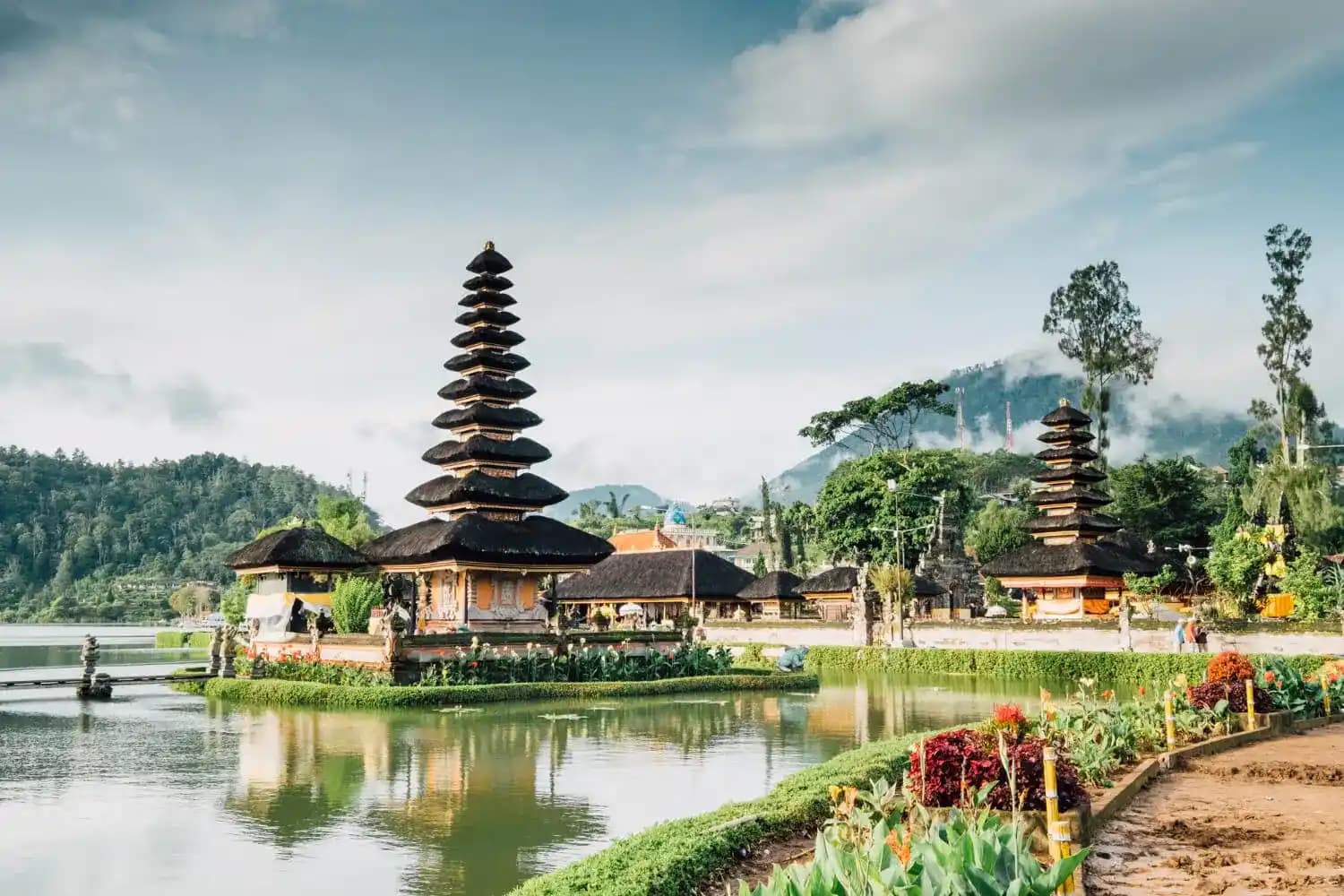

Explore Sagaing: Top Myanmar Travel Destinations in Asia
Sagaing, located about 20 km southwest of Mandalay along the banks of the Irrawaddy River, is renowned for its stunning landscape dotted with over 600 Buddhist pagodas and monasteries. Known historically as Zeyapura, or the "city of victory," Sagaing serves as an important religious center, attracting monks and meditation practitioners from across Myanmar.
The city is a spiritual hub, attracting monks and pilgrims, and is home to notable landmarks such as the iconic Kaunghmudaw Pagoda and U Min Thonze Cave, both of which showcase the area's architectural beauty and religious devotion. Visitors are drawn to Sagaing for its serene atmosphere, cultural experiences, and opportunities to engage with local crafts like silversmithing.
Population: Approximately 300.000 people as of 2024.
Economy: Agriculture is the chief occupation, with rice and wheat being the leading crops; Sagaing is responsible for over 80% of Myanmar's wheat production. The region also produces a variety of other crops, including sesame, peanuts, and pulses, benefiting from irrigation schemes that support farming in the dry zone.
In addition to agriculture, Sagaing has a significant industrial presence, including rice mills, edible oil production, and textile manufacturing. The area is rich in natural resources, with gold, coal, and salt being extracted, and it is known for its traditional crafts such as silverware and lacquerware.
Attractions: Kaunghmudaw Pagoda, Shwe Mohtaw Pagoda, Yadanar Zedi Sinmyar Shin Pagoda, Sagaing Hill, Soon U Ponya Shin Pagoda, U Min Thonze Cave, Sone Oo Pone Nya Shin Pagoda

Overview of Sagaing
History & Cultural Influence
Once a royal capital from 1760 to 1764, Sagaing is now renowned as a major religious center, home to over 600 monasteries and pagodas, which reflect its deep-rooted Buddhist heritage. The presence of these religious structures, including the iconic Kaunghmudaw Pagoda, showcases the city's architectural significance and its role as a pilgrimage site for Buddhists.
Historically, Sagaing was part of the Sagaing Kingdom, which existed from 1315 to 1365 and contributed to the region's political and cultural development. The city has been a hub for Theravada Buddhism, with many monks residing in the area, influencing both local governance and agricultural practices.
Interaction with The Locals
When interacting with locals in Sagaing, visitors can expect a warm and welcoming atmosphere characterized by the region's rich cultural and religious heritage. The population is diverse, predominantly consisting of Bamar people, along with significant communities of Shan, Naga, and Chin ethnic groups. This ethnic diversity contributes to a vibrant cultural tapestry and various local customs.
The general attitude towards tourists in Sagaing is friendly and hospitable, as locals often take pride in sharing their traditions and way of life. Visitors may find that many residents are eager to engage in conversation, share stories about their culture, and offer assistance. However, it is important to approach interactions with respect for local customs, especially in religious settings.

Top attractions in Sagaing
Known for its serene landscapes dotted with pagodas and monasteries, is a spiritual hub in Myanmar. These sites not only provide spiritual nourishment but also offer deep insights into Sagaing's rich Buddhist traditions.
Kaunghmudaw Pagoda
Location: On the northwestern outskirts of Sagaing
The iconic Kaunghmudaw Pagoda, recognized for its unique dome-shaped stupa, stands as a significant religious site in the region. Its structure reflects the traditional Burmese architectural style and serves as a focal point for pilgrimage and cultural heritage.
Sagaing Hill
Location: Southwest of Sagaing city center
Sagaing Hill, adorned with numerous pagodas and monasteries, offers breathtaking views of the Irrawaddy River and the surrounding plains. This area is renowned for its tranquility and is a popular destination for meditation, providing a serene retreat from the bustling city life.
U Min Thonze Cave
Location: atop of Sagaing Hill
U Min Thonze Cave is celebrated for its striking row of Buddha statues set within a picturesque cave. This site attracts pilgrims and tourists alike, offering a peaceful setting for spiritual reflection and insight into local Buddhist practices.
Mingun Pahtodawgyi
Location: In Mingun, about 1 hour across the river from Sagaing
Known for its colossal structure, Mingun Pahtodawgyi is an awe-inspiring sight as an unfinished pagoda initially intended to be the world's largest. The site also features the Mingun Bell, claimed to be the largest ringing bell globally, adding to its historical significance.
Mya Thein Tan Pagoda
Location: in a small town called Mingun, Near Sagaing
The Mya Thein Tan Pagoda, with its distinctive seven-tiered design, is surrounded by lush gardens, making it an idyllic spot for relaxation and spiritual rejuvenation. The pagoda's architecture and tranquil surroundings attract those seeking peace and beauty.
Phoe Win Tuang Cave
Location: on the western bank of the Chindwin River
Phoe Win Tuang Cave is a revered site housing hundreds of Buddha images, representing the devotion and religious heritage of the region. It is a significant meditation and reflection site, reflecting the deep spiritual roots of the local community.

Must-Try Dishes in Sagaing
Sagaing offers a tantalizing array of traditional Burmese dishes that reflect the region's rich culinary heritage. From a savory fish broth noodle soup to the Tea Leaf Salad, combines fermented tea leaves with a crunchy mix of nuts and seeds, offering a unique blend of textures and flavors that is both refreshing and distinctly Burmese. These dishes not only satisfy the palate but also provide a deep dive into the traditional food culture of Sagaing.
Mohinga
Mohinga is often considered the national dish of Myanmar, featuring a savory fish broth soup served with rice noodles. It is commonly enhanced with boiled eggs, cilantro, and crispy fritters. As a staple breakfast item, Mohinga exemplifies the local preference for flavorful, hearty meals and highlights the region's abundant fish resources.
Ohn No Khao Swe
Ohn No Khao Swe is a rich coconut milk-based noodle soup with chicken, traditionally served with egg noodles and garnished with onions, lime, and sometimes boiled eggs. This dish reflects the influence of Indian cuisine in Myanmar, particularly in Sagaing, where the use of coconut milk is prevalent.
Shan Tofu
Shan Tofu, made from chickpea flour, presents a soft, custard-like texture and is typically served in salads or fried. This dish is unique to the Shan State and popular in Sagaing, showcasing the region’s use of local agricultural products and traditional cooking techniques.
Laphet Thoke (Tea Leaf Salad)
Laphet Thoke is made from fermented tea leaves mixed with nuts, peas, garlic, and sesame oil, and is often served with a variety of toppings. As a cultural delicacy in Myanmar, it symbolizes hospitality and community, commonly enjoyed during social gatherings.
Grilled Fish
Freshwater fish from the Irrawaddy River is grilled and seasoned with local spices and herbs to create this dish. Grilled fish is a popular choice in Sagaing, reflecting the region’s rich aquatic resources and the local preference for fresh, flavorful ingredients.
Htamin Jin (Rice Salad)
Htamin Jin is a resourceful salad made from leftover rice mixed with various vegetables, herbs, and sometimes meat, served cold. This dish exemplifies the practical and delicious ways local cuisine utilizes leftover ingredients, showcasing the resourcefulness of the region’s food practices.

Festivals & Local Celebrations
Kaunghmudaw Pagoda Festival
When: Early to mid-November
Takes place on the Full Moon day of Tazaungmon and features unique sights like locals arriving in oxcarts and bringing hand-woven cloths and mats. Visitors can watch traditional Myanmar puppet shows and admire the scenic view of Sagaing.
Naga New Year Festival
When: March 20
Also known as the Naga National Day, this festival celebrates the Naga ethnic group and attracts tourists to join in the celebration while enjoying Sagaing's natural beauty.
Shwe Kyin Light Festival
When: October, after the Full Moon Day of Thadingyut
Celebrated in the Bago Region but is worth mentioning for Sagaing visitors. It features boat races, traditional dance and music performances on boats, and the mesmerizing release of lit paper lanterns onto the river, believed to bring good luck

Weather in Sagaing: Best Time to Visit
Sagaing experiences a hot semi-arid climate, characterized by distinct wet and dry seasons. Here are the key details about its weather and climate:
Average Temperatures
- Yearly Average: Approximately 27.8°C (82°F).
- Warmest Month: April, with average highs reaching around 38.3°C (100.9°F).
- Coldest Month: January, with average lows around 14.5°C (58.1°F).
Rainfall
- Annual Precipitation: About 804 mm (31.65 inches), with the rainy season typically lasting from May to October.
- Wettest Months: July and August receive the highest rainfall, averaging around 66.2 mm (2.61 inches) and 126.2 mm (4.97 inches), respectively.
Best Time to Travel
- Optimal Travel Period: The best time to visit Sagaing is during the dry season from November to February when temperatures are cooler and rainfall is minimal, making it ideal for outdoor activities and sightseeing.

Culture Etiquette in Sagaing
Respect for Monks and Temples
- Dress modestly, covering shoulders and knees, when visiting temples and monasteries.
- Remove shoes before entering religious buildings.
- Avoid touching monks or passing objects over their heads.
- Do not point your feet towards Buddha images or monks.
Greetings and Interactions
- Greet elders and those in positions of authority with respect, using "U" for older men and "Daw" for older women.
- Avoid touching someone's head, as it is considered the most sacred part of the body.
- Use your right hand when giving or receiving items, as the left hand is traditionally associated with unclean tasks.
- Bow your head slightly when walking in front of someone senior who is seated.
Dress Code
- Wear modest, conservative clothing that covers shoulders and knees, especially when visiting religious sites.
- Remove shoes before entering temples, monasteries, homes, and sometimes even offices.

Essential Travel Information
Getting to Sagaing
From Mandalay: Located just 20 km (12 miles) southwest of Mandalay, Sagaing is easily accessible.
- Taxi: Taxis are a convenient option, with fares typically around USD 10 (MMK 15,000) for the trip from Mandalay to Sagaing.
- Bus: Local buses run frequently between the two cities, offering an affordable and budget-friendly way to travel.
Public Transit
- Buses: Sagaing has a network of local buses that connect different parts of the city and nearby attractions. They are a low-cost option, though schedules can vary.
Taxis and Ride-Sharing
- Taxis: Taxis are widely available in Sagaing, and fares should be negotiated before starting your journey. Expect to pay about USD 3-5 for short trips within the city.
- Ride-Sharing: While popular apps like Grab might not be widespread, local taxis can often be hired through phone apps or hailed directly on the street.
River Transportation
- Boat Rides: The Irrawaddy River offers scenic boat trips, giving travelers a unique perspective of the river and surrounding landscapes. These rides often showcase local life, including traditional fishing activities.
Local Transportation
- Bicycles and Motorbikes: Renting a bicycle is a great way to explore Sagaing at your own pace. Motorbike taxis are also available, but it's best to use them with caution for safety reasons.
Accommodation Choices
Sagaing offers a variety of accommodations to suit all budgets:
Budget Hotels:
- Shwe Pyi Thar Hotel
- Sagaing City Hotel
- Sagaing View Hotel
Mid-Range Hotels:
- Yadanarbon Hotel
- Sagaing Hill Resort
- Sagaing Palace Hotel
Luxury Resorts:
- Sagaing Hill Resort
- Sagaing View Resort
- Yadanarbon Resort
Hostels and Guesthouses are available in Sagaing City Center for budget-conscious travelers, while Airbnb offers private apartments and short-term rental options for a more personalized stay.
Articles for you

Explore Yangon:: Top Myanmar Travel Destinations in Asia
Yangon, formerly known as Rangoon, is the largest city in Myanmar and serves as a significant cultural and commercial hub. Yangon is located in the southern part of Myanmar, specifically in the Irrawaddy Delta region, along the eastern bank of the Yangon River. It is approximately 30 kilometers (19 miles) from the Gulf of Martaban, providing a strategic location for trade and commerce. The city is characterized by its lush greenery and colonial architecture, which reflect its historical significance.
It was the capital of the country until 2006 when the government relocated the administrative functions to Naypyidaw. Despite this change, Yangon remains the primary economic and cultural center of Myanmar.
Population: Approximately 570.000 people as of 2024.
Economy: The manufacturing sector is a major employer in Yangon, particularly in the garment industry, which has seen significant foreign investment. As the first point of entry for many international visitors, Yangon’s tourism sector is crucial for generating foreign currency. The city offers a mix of cultural heritage, including the famous Shwedagon Pagoda, colonial architecture, and vibrant street life, making it an attractive destination for travelers.
Attractions: Shwedagon Pagoda, Sule Pagoda, Inya Lake, Kandawgyi Lake, Bogyoke Aung San Market, Yangon Circular Train, Chaukhtatgyi Buddha Temple

Explore Loikaw - Myanmar Travel, Asia
Nestled in the heart of Kayah State, Loikaw is a hidden gem waiting to be discovered. For travelers seeking an authentic experience, this small yet culturally rich city offers a unique window into Myanmar’s lesser-known beauty. Located in Southeast Myanmar, Loikaw remains relatively untouched by mass tourism, making it an ideal destination for those looking to explore off the beaten path. From stunning landscapes to rich cultural traditions, Loikaw tourism promises visitors an enriching adventure where they can immerse themselves in the vibrant local life, breathtaking views, and historical landmarks.
Population: Approximately 51,000 in 2019.
Economy: Loikaw's economy is primarily based on agriculture, with rice, corn, and millet as main crops. Traditional crafts and tourism are also growing sectors, contributing to the region's economic development.
Landmarks: Famous for the Dhow Shipyard, Ras Al Jinz Turtle Reserve, and the Al Ayjah Lighthouse.

Explore Mandalay: Top Myanmar Travel Destinations in Asia
Mandalay, located about 631 kilometers north of Yangon along the Irrawaddy River, is Myanmar's second-largest city and a cultural hub known for its rich history and vibrant arts scene. Founded in 1857 by King Mindon as the last royal capital of Myanmar, it boasts significant landmarks such as the Mandalay Palace, Kuthodaw Pagoda (home to the world's largest book), and the scenic Mandalay Hill, which offers stunning views of the city and surrounding landscape. The city is also a center for traditional crafts, including silk weaving and wood carving, reflecting its cultural significance and artistic heritage. Travelers are drawn to Mandalay not only for its historical sites but also for the opportunity to experience local customs and cuisine, such as the famous Mandalay-style noodles and various street foods.
Population: Approximately 1.500.000 people as of 2024.
Economy: The Mandalay Region is known for its agricultural production, including rice, wheat, and various vegetables, while industries such as textile manufacturing, gem mining, and handicrafts (including gold and silver crafts) also play a vital role. Tourism has become increasingly important, with visitors drawn to Mandalay's rich cultural heritage, historical landmarks.
Attractions: Mandalay Palace, Kuthodaw Pagoda, Mahamuni Buddha Temple, U Bein Bridge, Shwenandaw Monastery (Golden Palace Monastery), Mandalay Hill, Sanda Muni Pagoda

Explore Kyaikto: Top Myanmar Travel Destinations in Asia
Kyaikto is a town located in the Mon State of southeastern Myanmar, serving as the administrative center of Kyaikto Township in Thaton District. It is situated approximately 170 kilometers from Yangon and is renowned for being the nearest town to the famous Kyaiktiyo Pagoda, also known as the Golden Rock, which is a significant pilgrimage site and a UNESCO World Heritage candidate.
Kyaikto is unique for its stunning natural landscapes, including lush hills and the iconic Golden Rock, which appears to precariously balance on the edge of a cliff. Visitors are attracted to Kyaikto not only for its religious significance but also for the breathtaking views and the opportunity to experience local culture and hospitality. The town serves as a gateway for travelers seeking to explore the spiritual heritage of Myanmar, making it a noteworthy destination for those interested in both nature and culture.
Population: Approximately 160.000 people as of 2024.
Economy: While the town itself does not have a major economy, it benefits from tourism to the pagoda, which is one of the most important Buddhist pilgrimage sites in Myanmar.
Attractions: Kyaiktiyo Pagoda (Golden Rock), Mount Kyaiktiyo, Kin Pun, Kyaikhto Town, Kyaiktiyo Monastery


Our Best-Selling Tours
Follow Us