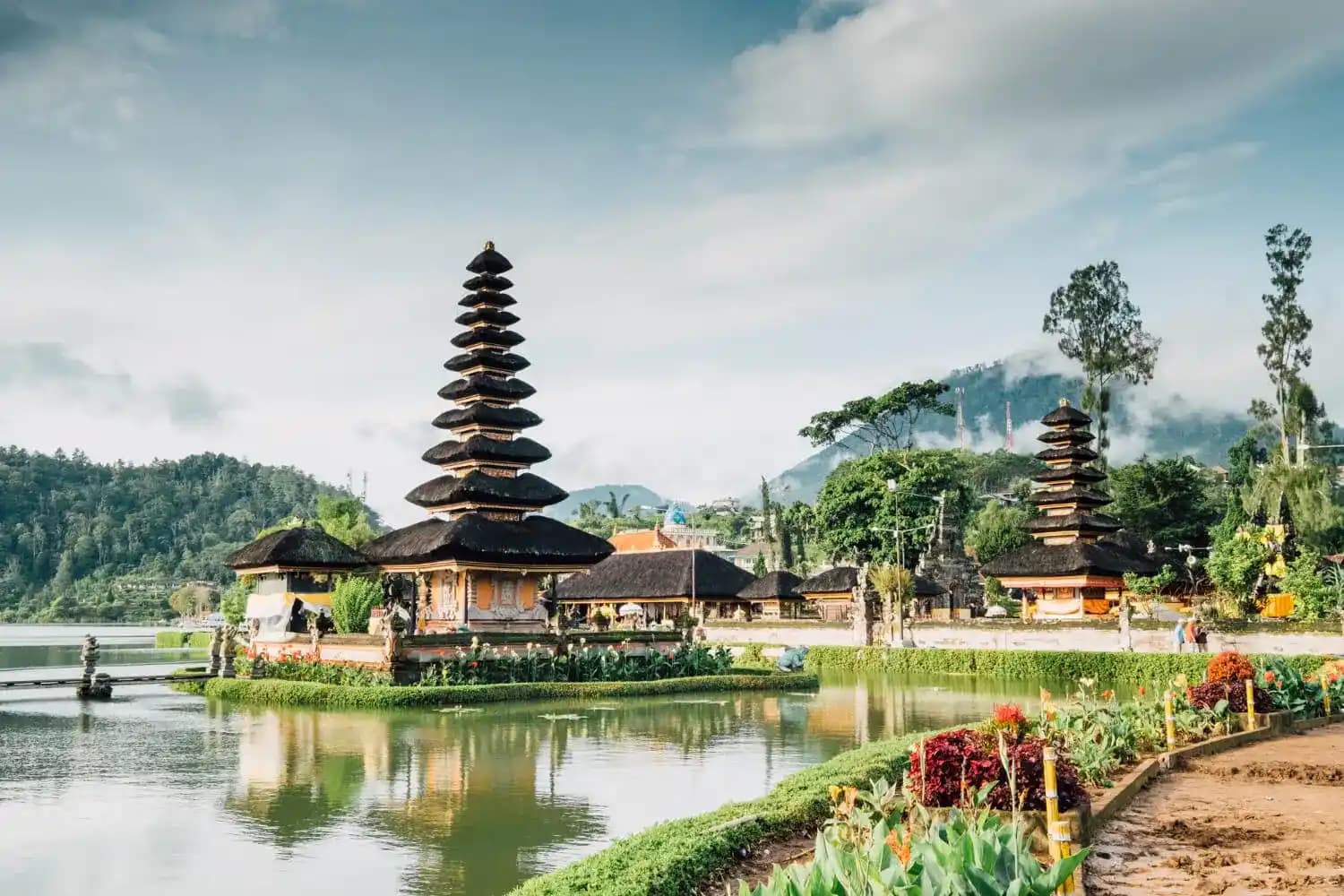

Explore Yangon:: Top Myanmar Travel Destinations in Asia
Yangon, formerly known as Rangoon, is the largest city in Myanmar and serves as a significant cultural and commercial hub. Yangon is located in the southern part of Myanmar, specifically in the Irrawaddy Delta region, along the eastern bank of the Yangon River. It is approximately 30 kilometers (19 miles) from the Gulf of Martaban, providing a strategic location for trade and commerce. The city is characterized by its lush greenery and colonial architecture, which reflect its historical significance.
It was the capital of the country until 2006 when the government relocated the administrative functions to Naypyidaw. Despite this change, Yangon remains the primary economic and cultural center of Myanmar.
Population: Approximately 570.000 people as of 2024.
Economy: The manufacturing sector is a major employer in Yangon, particularly in the garment industry, which has seen significant foreign investment. As the first point of entry for many international visitors, Yangon’s tourism sector is crucial for generating foreign currency. The city offers a mix of cultural heritage, including the famous Shwedagon Pagoda, colonial architecture, and vibrant street life, making it an attractive destination for travelers.
Attractions: Shwedagon Pagoda, Sule Pagoda, Inya Lake, Kandawgyi Lake, Bogyoke Aung San Market, Yangon Circular Train, Chaukhtatgyi Buddha Temple

Overview of Yangon
History & Cultural Influence
The area now known as Yangon was originally a small fishing village called Dagon, inhabited by the Mon people. The Shwedagon Pagoda, a central feature of the city, is believed to date back over 2,500 years, making it one of the oldest Buddhist stupas in the world.
The transformation of Yangon began in the mid-18th century when King Alaungpaya conquered Dagon in 1755 and renamed it Yangon, meaning "End of Strife." Under British colonial rule, which began after the First Anglo-Burmese War in 1824, Yangon was developed into a significant port and commercial center. The British constructed many iconic colonial buildings, establishing the city as the capital of British Burma.
Throughout the early 20th century, Yangon became a focal point for the Burmese nationalist movement. It was here that many influential figures in Myanmar's struggle for independence, such as Aung San and U Nu, emerged. The city was also a site of significant political unrest, including the uprisings in 1988 and the Saffron Revolution in 2007.
Yangon is home to a diverse population, including the indigenous Bamar, as well as significant communities of Indians, Chinese, and various ethnic minorities. This diversity is reflected in the city's cultural practices, languages, and religious beliefs, with Buddhism being the predominant religion.
Interaction with The Locals
Comprising various ethnic groups, the majority are Bamar, but significant communities of Chinese, Indians, and ethnic minorities contribute to the city's multicultural fabric. This diversity is reflected in the languages spoken, religious practices, and culinary traditions. When interacting with locals in Yangon, visitors can expect a warm and welcoming atmosphere, reflecting the city's rich cultural diversity and history.
Many locals are curious about visitors and enjoy engaging in conversations. They may ask about your country, experiences, and impressions of Myanmar, reflecting a genuine interest in cultural exchange.

Top attractions in Yangon
Home to the iconic Shwedagon Pagoda, a stunning golden stupa that dominates the skyline, Yangon offers a deep dive into the spiritual heart of the country. As you explore its colonial architecture, bustling markets, and serene lakes, Yangon reveals a unique blend of tradition and modernity, making it an unmissable destination for any traveler.
Shwedagon Pagoda
Location: Shwedagon Pagoda Road, Yangon
The Shwedagon Pagoda is the most revered Buddhist site in Myanmar, featuring a 99-meter-tall golden stupa, encrusted with thousands of diamonds and gems. This magnificent site offers a profound spiritual atmosphere where visitors can observe daily rituals, and it's particularly mesmerizing at sunset when it illuminates the skyline.
Bogyoke Aung San Market
Location: Bo Gyoke Road, Yangon
Known historically as Scott Market, this vibrant marketplace is filled with local handicrafts, jewelry, textiles, and souvenirs. The market's appealing colonial architecture enhances its atmosphere, making it a prime destination for those looking to delve into local culture and find unique items.
Sule Pagoda
Location: Junction of Sule Pagoda Road and Maha Bandula Road, Yangon
At the center of downtown Yangon, Sule Pagoda stands as a crucial religious and historical site. This bustling area, set within a busy traffic circle, offers a unique blend of spiritual tranquility and urban vibrancy, attracting visitors who seek both historical context and a lively local experience.
Kandawgyi Lake
Location: Near Karaweik Palace, Yangon
Kandawgyi Lake serves as a tranquil retreat in the heart of the city. Ideal for leisurely strolls along its waterfront promenade, the lake offers picturesque views of the iconic Karaweik Palace and provides a serene setting away from the urban rush.
Chaukhtatgyi Buddha Temple
Location: Shwe Gon Daing Road, Yangon
This temple is renowned for housing a colossal 65-meter-long reclining Buddha statue. Visitors are often awe-struck by the statue’s scale and the exquisite details of the temple’s smaller shrines and intricate Buddhist murals.
Yangon Circular Railway
Location: Yangon Central Railway Station, Yangon
The Yangon Circular Railway provides a captivating three-hour journey around Yangon and its outskirts, passing through 39 stations. It offers passengers a unique perspective of everyday local life, bustling markets, and the picturesque countryside, making it a memorable experience for those wanting to see beyond the tourist spots.
National Museum of Myanmar
Location: Pyay Road, Yangon
The National Museum is an essential visit for anyone interested in Myanmar’s cultural heritage. It houses an extensive collection of historical artifacts, including royal regalia and traditional costumes, providing a deep dive into the nation's rich and diverse history.

Must-Try Dishes in Yangon
Yangon's culinary scene is a vibrant mix of flavors where traditional Burmese dishes meet diverse ethnic influences. Must-try dishes include Mohinga, a rich fish noodle soup often enjoyed as a breakfast staple, and Khow Suey, a creamy coconut curry noodle soup that epitomizes the fusion of local and neighboring flavors.
Mohinga
Mohinga, often considered the national dish of Myanmar, is a flavorful fish noodle soup made with rice noodles in a broth seasoned with fish, lemongrass, ginger, and garlic. It is traditionally garnished with crispy fritters and hard-boiled eggs. Typically enjoyed for breakfast, Mohinga is a reflection of Myanmar’s culinary heritage, utilizing local fish and spices.
Nangyi Thoke
Nangyi Thoke features thick rice noodles served cold and mixed with chicken or fish, boiled eggs, and a rich, spicy sauce, often accompanied by fresh herbs and a side of broth. Popular as street food, this dish showcases the Chinese influence on Burmese cuisine and is a favorite among both locals and visitors.
Samosa Salad (Thoke)
This unique salad incorporates chopped samosas filled with spiced potatoes and is mixed with fresh vegetables such as cabbage, green beans, and tomatoes, often dressed with a tangy sauce. Samosa Salad exemplifies the fusion of Indian and Burmese flavors and is a common feature in local cuisine, celebrating the diversity of ingredients and culinary traditions in Yangon.
Shan Noodles
Originating from the Shan State, Shan Noodles consist of thin rice noodles served with chicken or pork, available with either a light broth or a dry sauce based on tomatoes and spices. This dish highlights the ethnic diversity of Myanmar and its popularity in Yangon underscores the city’s rich multicultural culinary scene.
Khow Suey
Khow Suey is a rich and creamy coconut curry noodle soup, typically served with egg noodles and a variety of garnishes such as fried onions, boiled eggs, and lime. With roots in both Myanmar and Thailand, Khow Suey has become a cherished dish in Yangon, exemplifying the region’s blend of flavors and cultural influences.
E Kya Kway
A popular breakfast item, E Kya Kway features deep-fried rice flour sticks that are crispy on the outside and soft on the inside, usually paired with tea or coffee. This dish represents the simplicity and comfort of Burmese street food, favored by locals for a quick and satisfying meal.

Festivals & Local Celebrations
Thingyan Water Festival
When: April 13-16
This is Myanmar's most famous festival, marking the New Year. Celebrations involve water splashing, symbolizing the cleansing of sins and welcoming the new year. Streets are filled with joy as people throw water at each other from stages and vehicles. Visitors can join in the fun, enjoy traditional music, and witness vibrant street parties throughout the city.
Thadingyut Festival of Lights
When: October (dates vary)
Celebrates the Buddha's descent from heaven and marks the end of Buddhist Lent. The streets and homes are adorned with colorful lights and candles. Visitors can experience lively markets, food stalls, and cultural performances, as well as participate in the lighting of oil lamps at pagodas, especially at the Shwedagon Pagoda.
Kason Festival
When: May (dates vary)
Kason Festival commemorates the birth of the Buddha. Celebrations include watering the sacred Bodhi tree, symbolizing the Buddha's enlightenment. Visitors can participate in ceremonies at local pagodas, enjoy festive processions, and observe the significance of this event in the Buddhist calendar.
Full Moon Day of Kason
When: May (exact date varies)
Closely related to the Kason Festival, focusing on the watering of the Bodhi tree. Visitors can witness rituals at various temples, participate in offerings, and experience the spiritual atmosphere as locals gather to pay their respects.
Shwedagon Pagoda Festival
When: March (exact dates vary)
Draws thousands of pilgrims to the Shwedagon Pagoda, one of the most sacred sites in Myanmar. Visitors can witness traditional ceremonies, enjoy cultural performances, and experience the vibrant atmosphere as devotees engage in prayer and offerings.

Weather in Yangon: Best Time to Visit
Yangon has a tropical monsoon climate with distinct wet and dry seasons. Here are the key points about Yangon's weather and climate:
Temperatures
- Average Highs: 29°C to 36°C (84°F to 97°F) throughout the year, with the hottest months being March to May.
- Average Lows: 18°C to 25°C (64°F to 77°F)
- Record High: 42.2°C (108°F) in April
Rainfall
- Wet Season: May to October, with heavy rainfall. July and August are the wettest months, receiving over 400mm of rain each.
- Dry Season: November to April, with very little rainfall. December to February are the driest months.
- Annual Average: 155.5mm
Best Time to Visit
- The best time to visit Yangon is during the dry season from November to February when temperatures are pleasant and rainfall is low.
- Late October/early November or late February are ideal to avoid peak tourist crowds.
- The wet season from June to October brings heavy rain and high humidity, making outdoor exploration less comfortable.

Culture Etiquette in Yangon
When visiting Yangon, it's essential to be aware of the cultural etiquette and customs that govern social interactions. Here are some important points for travelers to consider:
Greetings and Interactions
- Traditional Greeting: The common greeting in Myanmar is "Mingalaba," which means "hello." Visitors may also ask "Nay kaung la?" to inquire about someone's well-being. Unlike in some neighboring countries, the sampeah gesture (palms together) is not commonly used in Myanmar.
- Respect for Elders: Showing respect to elders is paramount in Burmese culture. When passing by older individuals, it is polite to lower your head slightly as a sign of respect.
Dress Code
- Modesty: Visitors should dress modestly, especially when visiting religious sites. Both men and women should wear clothing that covers the shoulders and knees. It is customary to remove shoes and socks before entering temples or homes.
- Traditional Attire: The longyi, a sarong-like garment, is widely worn by both men and women. Visitors may consider wearing a longyi to blend in and show respect for local customs.
Dining Etiquette
- Dining Practices: When dining at someone's home, it is customary to wait for the host to begin eating. Food is often served on a communal basis, and it is polite to use the serving spoon with the left hand. Alcohol is generally not consumed during meals in traditional settings.
- Eating with Hands: While modern utensils are common, many locals still prefer to eat with their hands, particularly when enjoying traditional dishes. If dining this way, use the right hand only, as the left hand is considered unclean.
Religious Sensitivity
- Respect for Buddhism: Myanmar is predominantly Buddhist, and visitors should be respectful of religious practices. It is important not to point at Buddha images or sit with feet pointing towards them. Photography during prayers or meditation should be avoided.
- Monk Interactions: When interacting with monks, women should not touch them or hand them items directly. Instead, it is appropriate to offer items with both hands or place them on a nearby surface.
Foot Etiquette
- Feet Considerations: Feet are considered the dirtiest part of the body in Burmese culture. Avoid pointing your feet at people or religious objects, and never place your feet on furniture or beds. When sitting, it is polite to keep your feet flat on the ground.

Essential Travel Information
Transportation
Airport Transfers
Yangon International Airport (RGN) is located about 12 miles (19 km) from the city center
- There are several options for airport transfers:Book a private taxi or car service in advance for a fixed rate, which is recommended for convenience and to avoid language barriers
- Take a Grab taxi using the Grab app or at the Grab service counters in the airport terminals
- Negotiate with a local taxi driver at the airport, but rates are not fixed
Public Transit
Yangon Circular Railway operates a 45.9 km commuter rail network with 39 stations connecting the city and satellite towns
- The system is heavily used by locals, selling about 150,000 tickets daily
- Yangon is also planning a new urban rapid transit system to begin construction in 2022
Taxis
Taxis are readily available in Yangon, but drivers generally do not use meters
- Negotiate the fare in advance or have your hotel call a taxi for you
- Average fare from the airport to downtown is around €7 (MMK 15,000)
Ride-Sharing
Grab, the popular ride-hailing app in Southeast Asia, recently launched its taxi service at Yangon International Airport
- Travelers can use the Grab app or book at the Grab service counters in the airport terminals
Other Options
- Renting a car is an option, but driving in Yangon can be challenging due to heavy traffic and poor road conditions
- Motorbike taxis are common but may not be suitable for longer trips or with luggage.
ATM and Banking Services
ATMs are widely available throughout Yangon, with major banks such as KBZ Bank, AYA Bank, and CB Bank offering services. Most ATMs accept international cards, allowing travelers to withdraw Myanmar Kyat (MMK).
- Currency Exchange: Currency exchange services are available at banks, hotels, and dedicated exchange counters. It’s advisable to exchange cash at authorized locations to ensure better rates and avoid scams.
- Banking Hours: Banks in Yangon typically operate from 9:30 AM to 3:30 PM, Monday to Friday, and may close on weekends. It's important to plan accordingly if you need banking services.
- Mobile Banking: Some banks offer mobile banking services, allowing users to manage their accounts via smartphone apps, which can be convenient for checking balances and making transfers.
Accommodation Choices
Yangon offers a variety of accommodation options catering to different budgets and preferences:
Luxury Hotels
- Sule Shangri-La: Centrally located with elegant rooms and excellent amenities, including restaurants and a spa.
- The Strand Hotel: A historic colonial-era hotel known for its luxurious accommodations and exceptional service.
Mid-Range Hotels
- Hotel G Yangon: A modern hotel with stylish decor, offering comfortable rooms and a rooftop bar with city views.
- Savoy Hotel: A boutique hotel featuring traditional Burmese architecture, a swimming pool, and a restaurant serving local cuisine.
Budget Accommodation
- Backpacker Hostels: Numerous hostels cater to budget travelers, providing dormitory-style rooms and communal areas for socializing.
- Guesthouses: Local guesthouses offer affordable private rooms, often with a homey atmosphere and personalized service.
- Airbnb and Short-Term Rentals: Visitors can also find a range of Airbnb options, from private apartments to shared spaces, providing a more local experience.
Articles for you

Explore Kyaikto: Top Myanmar Travel Destinations in Asia
Kyaikto is a town located in the Mon State of southeastern Myanmar, serving as the administrative center of Kyaikto Township in Thaton District. It is situated approximately 170 kilometers from Yangon and is renowned for being the nearest town to the famous Kyaiktiyo Pagoda, also known as the Golden Rock, which is a significant pilgrimage site and a UNESCO World Heritage candidate.
Kyaikto is unique for its stunning natural landscapes, including lush hills and the iconic Golden Rock, which appears to precariously balance on the edge of a cliff. Visitors are attracted to Kyaikto not only for its religious significance but also for the breathtaking views and the opportunity to experience local culture and hospitality. The town serves as a gateway for travelers seeking to explore the spiritual heritage of Myanmar, making it a noteworthy destination for those interested in both nature and culture.
Population: Approximately 160.000 people as of 2024.
Economy: While the town itself does not have a major economy, it benefits from tourism to the pagoda, which is one of the most important Buddhist pilgrimage sites in Myanmar.
Attractions: Kyaiktiyo Pagoda (Golden Rock), Mount Kyaiktiyo, Kin Pun, Kyaikhto Town, Kyaiktiyo Monastery

Explore Mandalay: Top Myanmar Travel Destinations in Asia
Mandalay, located about 631 kilometers north of Yangon along the Irrawaddy River, is Myanmar's second-largest city and a cultural hub known for its rich history and vibrant arts scene. Founded in 1857 by King Mindon as the last royal capital of Myanmar, it boasts significant landmarks such as the Mandalay Palace, Kuthodaw Pagoda (home to the world's largest book), and the scenic Mandalay Hill, which offers stunning views of the city and surrounding landscape. The city is also a center for traditional crafts, including silk weaving and wood carving, reflecting its cultural significance and artistic heritage. Travelers are drawn to Mandalay not only for its historical sites but also for the opportunity to experience local customs and cuisine, such as the famous Mandalay-style noodles and various street foods.
Population: Approximately 1.500.000 people as of 2024.
Economy: The Mandalay Region is known for its agricultural production, including rice, wheat, and various vegetables, while industries such as textile manufacturing, gem mining, and handicrafts (including gold and silver crafts) also play a vital role. Tourism has become increasingly important, with visitors drawn to Mandalay's rich cultural heritage, historical landmarks.
Attractions: Mandalay Palace, Kuthodaw Pagoda, Mahamuni Buddha Temple, U Bein Bridge, Shwenandaw Monastery (Golden Palace Monastery), Mandalay Hill, Sanda Muni Pagoda

Explore Sagaing: Top Myanmar Travel Destinations in Asia
Sagaing, located about 20 km southwest of Mandalay along the banks of the Irrawaddy River, is renowned for its stunning landscape dotted with over 600 Buddhist pagodas and monasteries. Known historically as Zeyapura, or the "city of victory," Sagaing serves as an important religious center, attracting monks and meditation practitioners from across Myanmar.
The city is a spiritual hub, attracting monks and pilgrims, and is home to notable landmarks such as the iconic Kaunghmudaw Pagoda and U Min Thonze Cave, both of which showcase the area's architectural beauty and religious devotion. Visitors are drawn to Sagaing for its serene atmosphere, cultural experiences, and opportunities to engage with local crafts like silversmithing.
Population: Approximately 300.000 people as of 2024.
Economy: Agriculture is the chief occupation, with rice and wheat being the leading crops; Sagaing is responsible for over 80% of Myanmar's wheat production. The region also produces a variety of other crops, including sesame, peanuts, and pulses, benefiting from irrigation schemes that support farming in the dry zone.
In addition to agriculture, Sagaing has a significant industrial presence, including rice mills, edible oil production, and textile manufacturing. The area is rich in natural resources, with gold, coal, and salt being extracted, and it is known for its traditional crafts such as silverware and lacquerware.
Attractions: Kaunghmudaw Pagoda, Shwe Mohtaw Pagoda, Yadanar Zedi Sinmyar Shin Pagoda, Sagaing Hill, Soon U Ponya Shin Pagoda, U Min Thonze Cave, Sone Oo Pone Nya Shin Pagoda

Explore Nyaungshwe: Top Myanmar Travel Destinations
Nyaungshwe is a charming town located at the northern end of Inle Lake in Shan State, Myanmar, serving as the primary access point to this stunning freshwater lake. Once the capital of the Shan principality of Yawnghwe, Nyaungshwe boasts a vibrant atmosphere with a mix of budget accommodations, local markets, and eateries, making it a hub for travelers exploring the lake's unique floating gardens and stilted villages. Key attractions include the Shwe Yaunghwe Kyaung monastery and the lively Mingalar Market, where visitors can experience local culture and cuisine. Travelers flock to Nyaungshwe for its picturesque landscapes, traditional boat tours on Inle Lake, and the opportunity to witness the unique leg-rowing fishermen in action.
Population: Approximately 200.000 people as of 2024.
Economy: Nyaungshwe's economy is primarily driven by tourism, given its proximity to the stunning Inle Lake, which attracts visitors for its unique landscapes and cultural experiences. The town serves as a hub for various tourist services. You can explore local markets, such as Mingalar Market, where you can purchase fresh produce and handicrafts, contributing to the local economy.
Attractions: Inle Lake, Shwe Yaunghwe Kyaung (Monastery), Mingalar Market, Yadana Man Aung Pagoda, Bawrithat Pagoda, Inle Heritage House, Phaung Daw Oo Pagoda


Our Best-Selling Tours
Follow Us