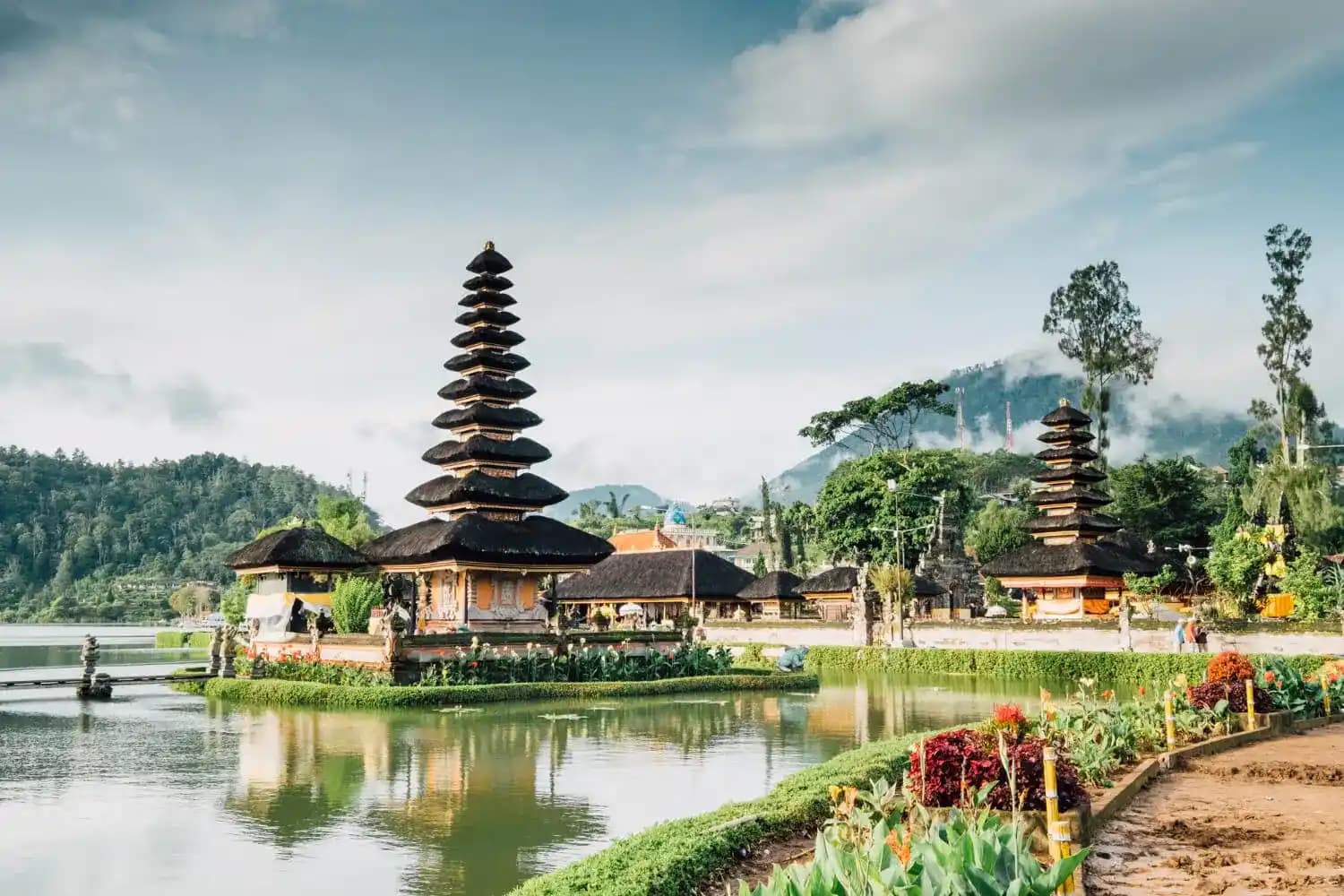

Explore Nyaungshwe: Top Myanmar Travel Destinations
Nyaungshwe is a charming town located at the northern end of Inle Lake in Shan State, Myanmar, serving as the primary access point to this stunning freshwater lake. Once the capital of the Shan principality of Yawnghwe, Nyaungshwe boasts a vibrant atmosphere with a mix of budget accommodations, local markets, and eateries, making it a hub for travelers exploring the lake's unique floating gardens and stilted villages. Key attractions include the Shwe Yaunghwe Kyaung monastery and the lively Mingalar Market, where visitors can experience local culture and cuisine. Travelers flock to Nyaungshwe for its picturesque landscapes, traditional boat tours on Inle Lake, and the opportunity to witness the unique leg-rowing fishermen in action.
Population: Approximately 200.000 people as of 2024.
Economy: Nyaungshwe's economy is primarily driven by tourism, given its proximity to the stunning Inle Lake, which attracts visitors for its unique landscapes and cultural experiences. The town serves as a hub for various tourist services. You can explore local markets, such as Mingalar Market, where you can purchase fresh produce and handicrafts, contributing to the local economy.
Attractions: Inle Lake, Shwe Yaunghwe Kyaung (Monastery), Mingalar Market, Yadana Man Aung Pagoda, Bawrithat Pagoda, Inle Heritage House, Phaung Daw Oo Pagoda

Overview of Nyaungshwe
History & Cultural Influence
Nyaungshwe, also known as Yawnghwe in the Shan language, holds deep historical and cultural significance in Myanmar’s Shan State. Founded in 1359 by two mythical brothers from Tavoy (now Dawei), Nyaungshwe became the capital of one of the most prominent southern Shan States. The city was ruled by a line of Saophas (hereditary rulers) until the mid-20th century, making it a key political and cultural center in the region. In 1887, it became a British protectorate, marking a significant shift in its political history.
Culturally, Nyaungshwe has been shaped by its ethnic diversity, with Intha, Pa-O, Danu, Shan, and Taungyo groups contributing to the region's rich cultural fabric. The area is also a hub for Buddhism, particularly with Inle Lake, famous for its floating gardens and unique leg-rowing fishermen, being a spiritual and cultural landmark. Royal traditions, like the annual Hpaung Daw U Pagoda Festival, where Buddha images are ceremoniously carried across the lake, continue to influence the region’s identity.
Today, Nyaungshwe’s history is preserved in the Nyaungshwe Cultural Museum, once the residence of its last Saopha, Sao Shwe Thaik, who later became the first president of the Union of Burma. The city’s architectural heritage, traditional crafts, and the cultural lifestyle of the lake communities have made it an important tourist destination, blending its royal past with a vibrant modern legacy.
Interaction with The Locals
Locals are generally accommodating and appreciative of the economic opportunities that tourism brings, leading to a positive attitude towards visitors. Many residents are learning English to better communicate with tourists, enhancing the visitor experience.
When interacting with locals, visitors will find that many residents are eager to engage and share their culture. The market scene is particularly lively, with vendors dressed in traditional attire, such as longyis and blouses, and many women applying thanaka, a cosmetic paste made from ground bark, which is a distinctive cultural practice.

Top attractions in Nyaungshwe
Nyaungshwe, the gateway to the serene Inle Lake, offers a captivating blend of natural beauty and cultural heritage. You can explore the bustling Mingala Market, where local Shan and Intha people trade fresh produce and traditional handicrafts, or take a boat ride on Inle Lake to witness the unique floating gardens and the iconic leg-rowing fishermen.
Inle Lake
Location: Inle Lake is situated approximately 20 kilometers south of Nyaungshwe town.
Inle Lake is famous for its breathtaking scenery, where serene waters blend with floating gardens and traditional stilt villages. The sight of local fishermen skillfully maneuvering their boats with one leg is truly captivating. Taking a boat tour across Inle Lake lets you explore vibrant local communities and immerse yourself in the rich cultural tapestry that defines this stunning destination.
Hpaung Daw U Pagoda
Location: located on the western shore of Inle Lake, about 5 kilometers from the town of Nyaungshwe.
Hpaung Daw U Pagoda, located on the western shore of Inle Lake, is one of the region's most revered religious sites. Here, you’ll find five sacred Buddha images, heavily adorned with gold leaf, enshrined within the pagoda. The annual Hpaung Daw U Festival, centered around this pagoda, draws pilgrims and tourists alike, offering a glimpse into the spiritual significance and vibrant celebrations of the area.
Shwe Yan Pyay Monastery
Location: Within Nyaungshwe town, near Inle Lake
Shwe Yan Pyay Monastery, a beautiful wooden structure from the 19th century, enchants with its intricate carvings and peaceful atmosphere. The monastery’s unique oval windows and richly decorated interiors offer you a fascinating glimpse into the spiritual life of the monks, making it a must-visit if you’re interested in Buddhist traditions and history.
Mingalar Market
Location: In the heart of Nyaungshwe town
Mingalar Market is the bustling heart of Nyaungshwe, filled with vibrant colors and the lively atmosphere of local life. Whether you’re searching for fresh produce, handmade textiles, or unique handicrafts, this
market is a treasure trove of authentic experiences and perfect souvenirs to take home.
Red Mountain Estate
Location: Just a short drive about 5 kilometers from the town of Nyaungshwe.
Red Mountain Estate, nestled in the hills overlooking Inle Lake, is more than just a vineyard; it’s a scenic escape. You can enjoy a tour of the vineyard, learn about the winemaking process, and then relax with a glass of wine while taking in stunning panoramic views. The on-site restaurant serves delicious meals that perfectly complement the estate’s wines.
Nyaungshwe Cultural Museum
Location: situated in the heart of Nyaungshwe town, just a short walk from the Shwe Yan Pyay Monastery and the main market area.
The Nyaungshwe Cultural Museum offers you a fascinating insight into the rich cultural heritage of the Shan people. Through its collection of traditional costumes, artifacts, and exhibits, the museum tells the story of the region’s history and customs, deepening your understanding of the local culture.

Must-Try Dishes in Kyaikto
In Kyaikto, the local cuisine is a flavorful exploration of traditional Burmese dishes with unique regional touches. Must-try dishes include Mohinga, a rich fish broth noodle soup often enjoyed for breakfast, offering a taste of Myanmar's national flavors with fresh local ingredients.
Htamin Gyin
A staple dish for the Intha people of Inle Lake, Htamin Gyin is a flavorful blend of fermented rice kneaded with fish and/or potato, typically served with twice-fried tofu or crispy fritters known as hnapyan gyaw. This hearty dish is a true taste of local tradition, offering a unique culinary experience.
Shan Tomato Salad
Shan Tomato Salad is a fresh and vibrant dish that combines sliced tomatoes with peanuts, shallots, and a sesame seed dressing. It’s a simple yet delicious way to savor the region’s abundant produce, making it a must-try for anyone exploring the flavors of Shan cuisine.
Inle Carp (Nga Hpein)
Inle Carp, a freshwater fish native to Inle Lake, is a dietary staple for the local Intha people. Whether grilled, fried, or prepared in other traditional ways, this fish highlights the vital role of fishing in the local cuisine and provides a delicious, authentic taste of the lake.
Tofu Salad
A common dish in Shan and Intha cuisine, Tofu Salad features either fried or fermented tofu that adds texture and flavor to the mix. This salad is a delightful way to experience the versatile use of tofu in the region’s culinary traditions.
Shan Noodles
Shan Noodles are a signature dish of the Shan State, featuring flat, hand-pulled noodles served in a savory meat or fish-based broth. Widely available at local restaurants in Nyaungshwe, this dish is a comforting and satisfying meal that showcases the rich flavors of Shan cuisine.
Braised Chicken with Mint and Green Pepper
This traditional Shan dish brings together tender braised chicken with fresh mint and green peppercorns, creating a unique and flavorful combination. It’s a distinctive taste of the region that reflects the bold and aromatic ingredients typical of Shan cooking.

Festivals & Local Celebrations
Hpaung Daw U Festival
Time of Year: September to October
This is one of the most significant festivals in the region, celebrated for about 18 days. The festival features a grand procession of the Hpaung Daw U Pagoda’s revered Buddha images, which are carried on a royal barge across Inle Lake. Visitors can expect lively boat races, traditional music, and dance performances, along with the opportunity to witness the unique leg-rowing fishermen in action.
Thadingyut Festival
Time of Year: October (during the full moon of the seventh lunar month)
Thadingyut, also known as the Festival of Lights, marks the end of the Buddhist Lent. In Nyaungshwe, the festival is celebrated with illuminated streets, colorful decorations, and offerings made to monks. Visitors can enjoy the vibrant atmosphere, participate in local ceremonies, and witness the community coming together to celebrate with food and festivities.
Water Festival (Thingyan)
Time of Year: Mid-April
The Thingyan Water Festival, which marks the Burmese New Year, is celebrated with great enthusiasm in Nyaungshwe. The festival involves water throwing, symbolizing the washing away of sins and bad luck. Visitors can join in the fun, enjoy traditional music and dance, and experience the festive spirit as locals engage in water fights and celebrations throughout the town.
Inle Lake Festival
Time of Year: Varies (usually in November)
This festival celebrates the unique culture of the Intha people and takes place on Inle Lake. It features traditional boat races, cultural performances, and local food stalls. Visitors can immerse themselves in the local culture, enjoy the beautiful scenery of the lake, and witness the vibrant community spirit.
Nyaungshwe Cultural Festival
Time of Year: Varies (often in December)
This festival showcases the diverse cultural heritage of the Shan State, with performances of traditional music, dance, and art. Visitors can expect to see local artisans displaying their crafts, taste regional cuisine, and participate in various cultural activities that highlight the traditions of the Shan people.

Weather in Kyaikto: Best Time to Visit
Nyaungshwe has a mild, generally warm and temperate climate. The weather varies throughout the year, with distinct wet and dry seasons. Here are the key points about Nyaungshwe's weather and climate:
Temperature
Average temperatures range from 17.1°C (62.8°F) in January to 24.4°C (75.9°F) in April, the hottest month.
The coolest month is January with an average low of 11.9°C (53.3°F) and high of 23.3°C (73.9°F).
Summers are short, hot, and partly cloudy, while winters are short, comfortable, and mostly clear.
Rainfall
Nyaungshwe has a dry climate year-round, with the lowest rainfall in February at just 3mm (0.1 inches).
The wettest month is August, with an average of 202mm (8 inches) of precipitation.
The difference in rainfall between the driest and wettest months is 199mm (8 inches).
Best Time to Visit
The best times to visit Nyaungshwe for warm-weather activities are from early February to early April, with a peak in the first week of March.
The beach/pool score favors clear, rainless days from late March to early May, with the second week of April being the best.

Culture Etiquette in Kyaikto
Dress Modestly
Visitors should dress modestly, especially when visiting religious sites such as pagodas and monasteries. This typically means covering shoulders and knees. Wearing traditional garments, like the longyi (a sarong-like garment worn by both men and women), can also help you blend in and show respect for local customs.
Remove Shoes Indoors
It is customary to remove your shoes before entering someone’s home or certain sacred places. Be prepared to follow this practice, as it reflects respect for the space and its inhabitants.
Respect Religious Practices
Nyaungshwe is home to numerous Buddhist temples and monasteries. When visiting these sites, maintain a respectful demeanor—avoid loud conversations, and do not interrupt ceremonies. Photography may be restricted in certain areas, so always ask for permission when in doubt.
Use Your Right Hand
In Burmese culture, the right hand is considered more polite for giving and receiving items, as well as for gestures. The left hand may be viewed as impolite, so try to use your right hand when interacting with locals.

Essential Travel Information
Getting to Nyaungshwe
By Air
Heho Airport: The nearest airport is Heho, located about 32 kilometers northwest of Nyaungshwe. Flights from Yangon to Heho take about 1 hour. After landing, visitors can take a taxi to Nyaungshwe, which takes approximately 45 minutes and costs around K25,000 (about $18) .
By Bus
Long-Distance Buses: Nyaungshwe is accessible by bus from major cities like Yangon, Mandalay, and Kalaw. Buses typically arrive at the town center, and some hotels are within walking distance from the drop-off point. Taxi fares from the bus station to hotels usually range from K1,500 to K7,000, depending on the distance .
By Train
Shwe Nyaung Station: The nearest train station is in Shwe Nyaung, about 13 kilometers from Nyaungshwe. Visitors can take a motorcycle taxi from the station to Nyaungshwe for around K6,000. Trains from Yangon or Thazi to Shwe Nyaung are available, but this option can be slower compared to buses .
Getting Around Nyaungshwe
Public Transit
Bicycles: Renting bicycles is a popular way to explore Nyaungshwe, with several shops offering rentals for around K1,500 per day. This is an excellent way to enjoy the scenic surroundings at your own pace .
Taxis and Motorcycle Taxis
Motorcycle Taxis: Available at stands near the market, these taxis are a quick way to get around town or to nearby locations like Shwenyaung. Fares typically start around K6,000 for short distances .
Boat Rides
Long Boats: Nyaungshwe serves as the main access point to Inle Lake, and numerous long boats are available for hire to explore the lake and its attractions. Prices for boat trips usually start at K25,000 for a full-day tour, which can vary based on the distance and destinations included.
ATM and Banking Services
Nyaungshwe has several ATM locations available for cash withdrawals:
- KBZ Bank ATM - Located at No. 5, Yone Gyi Street, Nandawun Quarter. Open 24 hours.
- CB Bank ATMs - There are multiple CB Bank ATM locations in Nyaungshwe, including at Mount Inle Resort Hotel, Nanthu Village near Inle Phaung Taw Oo Pagoda, Inlay Lake, and in the town center. All are open 24 hours.
- KBZ Auto Banking - Located in nearby Shwe Nyaung, about 15km from Nyaungshwe.
The main bank with ATM services in Nyaungshwe is CB Bank, with KBZ Bank also having an ATM in the town center. Visitors can easily access cash from these ATMs located at hotels, pagodas and in the town itself.
Accommodation
Nyaungshwe offers a range of accommodation options for visitors:
- Hotels - There are numerous hotels in Nyaungshwe catering to different budgets, from budget guesthouses to luxury resorts. Some popular options include Amata Garden Resort, Nyaung Shwe Hotel, and Inle Inn.
- Inns and Guesthouses - For more affordable options, Nyaungshwe has many inns and guesthouses, such as Shwe Inn Thar Guesthouse, Paramount Inle Hotel, and Inle Apex Hotel.
- Resorts - For a more luxurious stay, resorts like Aureum Palace Hotel & Resort Inle, Sanctum Inle Resort, and Inle Lake View Resort & Spa offer stunning lakeside locations and amenities.
- Homestays - Experiencing local hospitality is possible through homestays in Nyaungshwe. Operators like Inle Heritage House and Inle Lake Cottage offer this unique accommodation option.
Articles for you

Explore Kyaikto: Top Myanmar Travel Destinations in Asia
Kyaikto is a town located in the Mon State of southeastern Myanmar, serving as the administrative center of Kyaikto Township in Thaton District. It is situated approximately 170 kilometers from Yangon and is renowned for being the nearest town to the famous Kyaiktiyo Pagoda, also known as the Golden Rock, which is a significant pilgrimage site and a UNESCO World Heritage candidate.
Kyaikto is unique for its stunning natural landscapes, including lush hills and the iconic Golden Rock, which appears to precariously balance on the edge of a cliff. Visitors are attracted to Kyaikto not only for its religious significance but also for the breathtaking views and the opportunity to experience local culture and hospitality. The town serves as a gateway for travelers seeking to explore the spiritual heritage of Myanmar, making it a noteworthy destination for those interested in both nature and culture.
Population: Approximately 160.000 people as of 2024.
Economy: While the town itself does not have a major economy, it benefits from tourism to the pagoda, which is one of the most important Buddhist pilgrimage sites in Myanmar.
Attractions: Kyaiktiyo Pagoda (Golden Rock), Mount Kyaiktiyo, Kin Pun, Kyaikhto Town, Kyaiktiyo Monastery

Explore Mandalay: Top Myanmar Travel Destinations in Asia
Mandalay, located about 631 kilometers north of Yangon along the Irrawaddy River, is Myanmar's second-largest city and a cultural hub known for its rich history and vibrant arts scene. Founded in 1857 by King Mindon as the last royal capital of Myanmar, it boasts significant landmarks such as the Mandalay Palace, Kuthodaw Pagoda (home to the world's largest book), and the scenic Mandalay Hill, which offers stunning views of the city and surrounding landscape. The city is also a center for traditional crafts, including silk weaving and wood carving, reflecting its cultural significance and artistic heritage. Travelers are drawn to Mandalay not only for its historical sites but also for the opportunity to experience local customs and cuisine, such as the famous Mandalay-style noodles and various street foods.
Population: Approximately 1.500.000 people as of 2024.
Economy: The Mandalay Region is known for its agricultural production, including rice, wheat, and various vegetables, while industries such as textile manufacturing, gem mining, and handicrafts (including gold and silver crafts) also play a vital role. Tourism has become increasingly important, with visitors drawn to Mandalay's rich cultural heritage, historical landmarks.
Attractions: Mandalay Palace, Kuthodaw Pagoda, Mahamuni Buddha Temple, U Bein Bridge, Shwenandaw Monastery (Golden Palace Monastery), Mandalay Hill, Sanda Muni Pagoda

Explore Sagaing: Top Myanmar Travel Destinations in Asia
Sagaing, located about 20 km southwest of Mandalay along the banks of the Irrawaddy River, is renowned for its stunning landscape dotted with over 600 Buddhist pagodas and monasteries. Known historically as Zeyapura, or the "city of victory," Sagaing serves as an important religious center, attracting monks and meditation practitioners from across Myanmar.
The city is a spiritual hub, attracting monks and pilgrims, and is home to notable landmarks such as the iconic Kaunghmudaw Pagoda and U Min Thonze Cave, both of which showcase the area's architectural beauty and religious devotion. Visitors are drawn to Sagaing for its serene atmosphere, cultural experiences, and opportunities to engage with local crafts like silversmithing.
Population: Approximately 300.000 people as of 2024.
Economy: Agriculture is the chief occupation, with rice and wheat being the leading crops; Sagaing is responsible for over 80% of Myanmar's wheat production. The region also produces a variety of other crops, including sesame, peanuts, and pulses, benefiting from irrigation schemes that support farming in the dry zone.
In addition to agriculture, Sagaing has a significant industrial presence, including rice mills, edible oil production, and textile manufacturing. The area is rich in natural resources, with gold, coal, and salt being extracted, and it is known for its traditional crafts such as silverware and lacquerware.
Attractions: Kaunghmudaw Pagoda, Shwe Mohtaw Pagoda, Yadanar Zedi Sinmyar Shin Pagoda, Sagaing Hill, Soon U Ponya Shin Pagoda, U Min Thonze Cave, Sone Oo Pone Nya Shin Pagoda

Explore Yangon:: Top Myanmar Travel Destinations in Asia
Yangon, formerly known as Rangoon, is the largest city in Myanmar and serves as a significant cultural and commercial hub. Yangon is located in the southern part of Myanmar, specifically in the Irrawaddy Delta region, along the eastern bank of the Yangon River. It is approximately 30 kilometers (19 miles) from the Gulf of Martaban, providing a strategic location for trade and commerce. The city is characterized by its lush greenery and colonial architecture, which reflect its historical significance.
It was the capital of the country until 2006 when the government relocated the administrative functions to Naypyidaw. Despite this change, Yangon remains the primary economic and cultural center of Myanmar.
Population: Approximately 570.000 people as of 2024.
Economy: The manufacturing sector is a major employer in Yangon, particularly in the garment industry, which has seen significant foreign investment. As the first point of entry for many international visitors, Yangon’s tourism sector is crucial for generating foreign currency. The city offers a mix of cultural heritage, including the famous Shwedagon Pagoda, colonial architecture, and vibrant street life, making it an attractive destination for travelers.
Attractions: Shwedagon Pagoda, Sule Pagoda, Inya Lake, Kandawgyi Lake, Bogyoke Aung San Market, Yangon Circular Train, Chaukhtatgyi Buddha Temple


Our Best-Selling Tours
Follow Us